
Lordomyrma azumai
- Sci. Name
- Lordomyrma azumai
- Tribe
- Crematogastrini
- Subfamily
- Myrmicinae
- Author
- Santschi, 1941
- Distribution
- Found in 1 countries
Introduction
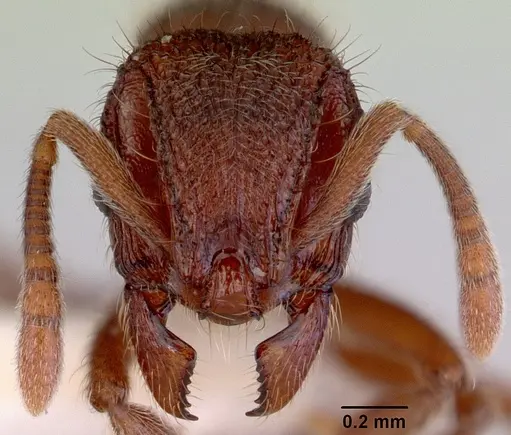
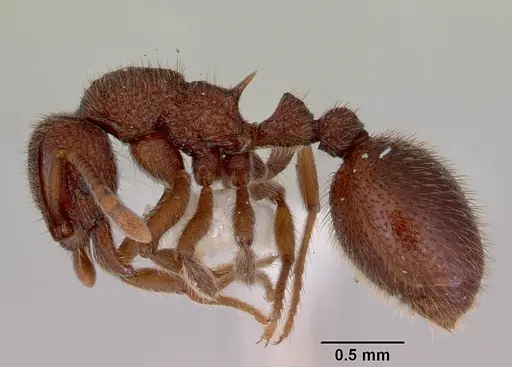
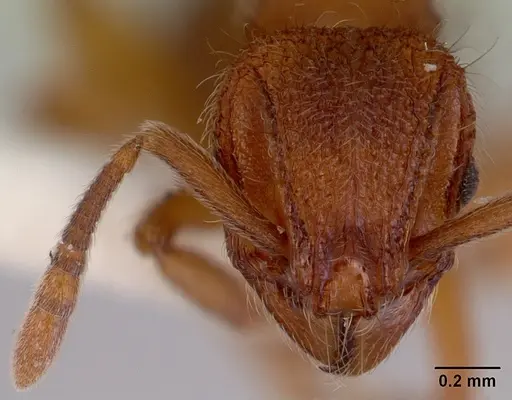
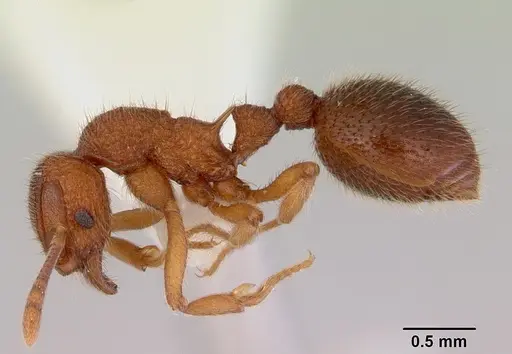
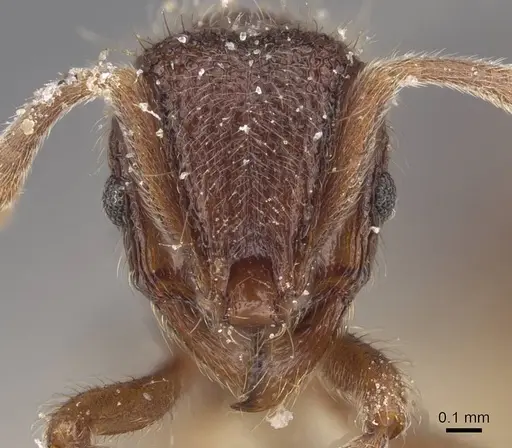
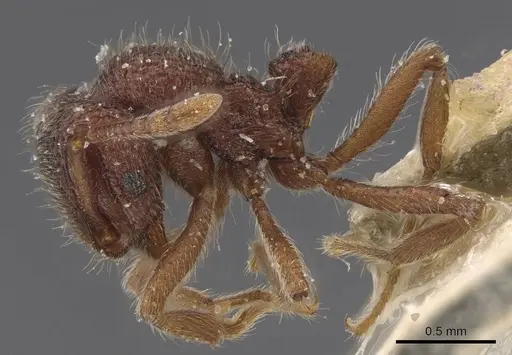
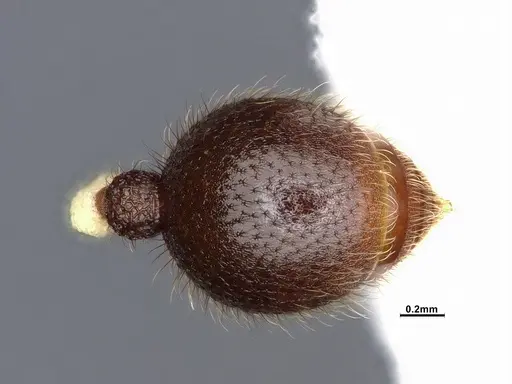
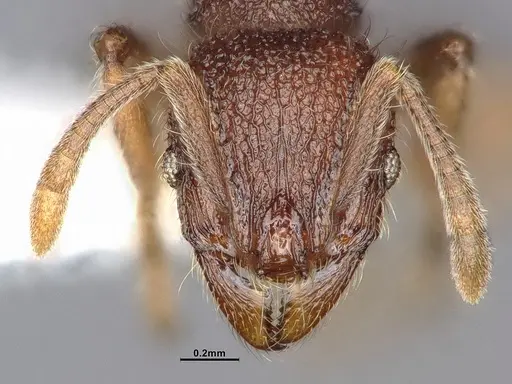
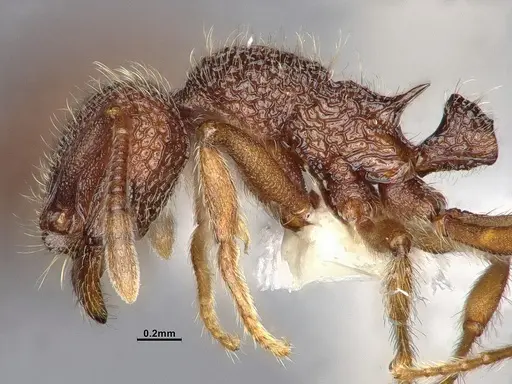
Lordomyrma azumai is a small, reddish-brown myrmicine ant native to Japan, found across Honshu, Shikoku, and Kyushu. Workers measure 4.2-4.7mm with a distinctive appearance featuring deep antennal scrobes, erect body hairs, and a medium reddish-brown coloration with the gaster typically darker than the rest of the body . This species is considered the most structurally conservative Asian Lordomyrma, essentially representing the ancestral form of the genus . They inhabit moist soil horizons in broadleaf forests, nesting under stones, in cracks, or within damp twigs and fallen nuts . They are rather rare and extremely timid .
Quick Summary
- Difficulty: Medium
- Origin & Habitat: Japan (Honshu, Shikoku, Kyushu), with recent range extension to Akita Prefecture in the Tohoku region. Inhabits moist soil horizons with fresh to well-decomposed organic content under natural broadleaf forest at elevations around 350m [1][5].
- Colony Type: Monogyne, single-queen colonies. Four colonies examined were all monogynous with worker counts up to 86 individuals [1].
- Size & Growth:
- Queen: 4.9mm [1]
- Worker: 4.2-4.7mm [1]
- Colony: Up to 86 workers, typically 20-30 [1][3]
- Growth: Moderate, inferred from limited colony data showing small worker complements
- Development: Unknown, direct development data not available. Based on typical Myrmicinae patterns and seasonal timing (alate gynes present mid-February, dealate gyne found alone in late March), estimate 8-12 weeks at optimal temperature [1]. (Alate gynes and males present in mid-February colonies, dealate gyne collected alone in leaf-litter in late March suggests nuptial flights occur in early spring [1].)
- Antkeeping:
- Temperature: Keep at 18-22°C. This is a cool-climate Japanese species from moist forest floor habitats, avoid overheating [3].
- Humidity: High humidity required. Nest in consistently moist substrate, these ants naturally inhabit damp soil horizons and will quickly retreat if conditions dry out [1][3].
- Diapause: Likely yes, as a temperate Japanese species, expect a winter rest period around 10-15°C for several months during winter months, matching their natural cycle where alates appear in February [1].
- Nesting: Prefers tight, humid nest chambers. Test tubes with water reservoirs work well, or small plaster, Y-tong, or soil nests with consistent moisture. They nest under stones and in small cavities in nature, avoid large open spaces [1].
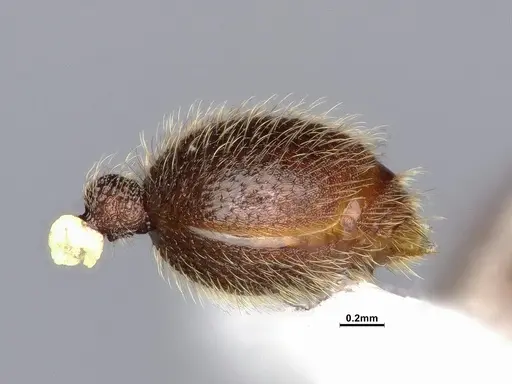
- Behavior: Extremely timid and reclusive. Workers quickly retreat to nest chambers at the slightest vibration. When threatened, they perform an unusual defense: rolling their body into a ball and tucking their antennae completely into their deep antennal scrobes, essentially feigning death [3][1]. Their modified stinger is used to smear venom rather than sting, and they are not aggressive to humans. Escape risk is high due to their small size (4-5mm), use fine mesh or tight barriers.
- Common Issues: high humidity maintenance is critical, they will not tolerate dry conditions, timid behavior means they may not thrive in high-traffic areas or with frequent disturbance, colonies remain small (under 100 workers) which may disappoint keepers expecting rapid growth, slow development means beginners may lose patience and abandon the colony, escape prevention is essential due to small size, use fine mesh or tight lids
Housing and Nest Preferences
Lordomyrma azumai requires humid, enclosed nest spaces that mimic their natural microhabitat under stones and within small cavities. Test tube setups with cotton-stoppered water reservoirs work well, the ants will naturally cluster in the humid portion near the water. Alternatively, small plaster, Y-tong, or soil nests with moisture chambers maintain the damp conditions they need. Avoid large, open formicarium spaces, these ants prefer tight chambers scaled to their small size. Place the nest in a quiet area with minimal vibration, as they are extremely sensitive to disturbances and will retreat quickly when threatened [1][3].
Feeding and Diet
This species accepts honey water readily, field observations show workers lick honey water solutions [3]. Their protein requirements are not directly documented, but they likely need small live prey like fruit flies, pinhead crickets, or tiny arthropods. Offer a constant supply of sugar water or honey diluted with water, and provide small prey 2-3 times per week. Remove uneaten food after 24 hours to prevent mold in the humid setup. The small colony sizes (typically under 100 workers) mean portion sizes should remain modest.
Temperature and Seasonal Care
Keep Lordomyrma azumai cool compared to many tropical ant species. Room temperature in the 18-22°C range is ideal, this matches their native habitat in Japanese broadleaf forests [3]. As a temperate species, they likely require a winter rest period. Reduce temperatures to around 10-15°C during winter months (roughly November through February in the Northern Hemisphere) to allow the colony to enter dormancy. This aligns with their natural cycle where alate gynes and males appear in mid-February, suggesting spring reproduction follows winter rest [1]. Avoid heating pads or placing the nest in direct sunlight, overheating and drying are the primary risks.
Behavior and Temperament
The most notable aspect of Lordomyrma azumai behavior is their extreme timidity. When workers foraging outside the brood chamber detect any vibration, even faint vibrations from someone walking nearby, they immediately retreat into the nest chamber [3]. When physically disturbed, they perform an unusual defensive display: workers fold their antennae completely into deep grooves (antennal scrobes) on the sides of their head, roll their body into a tight ball, and remain motionless, essentially feigning death [1][3]. Their modified stinger is used to smear venom rather than sting, and they are not aggressive to humans. Because ants are only 4-5mm, escape risk is high, use fine mesh or tight lids. Their small colony size and shy nature make them best suited for keepers who enjoy observing quiet, unobtrusive ant behavior.
Colony Development and Growth
Colonies remain relatively small throughout their life cycle, with maximum worker counts around 86 individuals observed in the wild [1]. Typical colonies number 20-30 workers [3]. This is not a species that will produce hundreds of workers quickly. The development timeline is not directly documented, but based on the appearance of alate gynes and males in mid-February and dealate (wingless) queens found alone in late March, nuptial flights appear to occur in early spring [1]. Expect slow, steady growth with a colony taking perhaps 1-2 years to reach 50 workers under optimal conditions. The small colony size makes them suitable for long-term observation but less satisfying for keepers seeking rapid colony expansion.
Frequently Asked Questions
How long does it take for Lordomyrma azumai to produce first workers?
The exact egg-to-worker timeline is not documented for this species. Based on typical Myrmicinae development patterns and their spring reproductive cycle, expect approximately 8-12 weeks from egg to first worker at optimal temperature (around 20°C). Patience is required as colonies develop slowly.
What temperature should I keep Lordomyrma azumai at?
Keep them at 18-22°C, this cool-climate Japanese species prefers temperatures much lower than tropical ants. Room temperature is typically ideal. Avoid heating and keep them away from direct sunlight [3].
Do Lordomyrma azumai ants sting?
They do not sting in the typical sense. Their stinger is modified for smearing venom onto enemies, but they are not aggressive to humans and rarely use it defensively in captivity. Their primary defense is hiding and feigning death [1][3].
How big do Lordomyrma azumai colonies get?
Colonies remain small, maximum around 86 workers in wild colonies, with typical colonies having 20-30 workers. This is not a species that produces large colonies.
Can I keep multiple Lordomyrma azumai queens together?
No. This species is monogynous, colonies have a single queen. Multiple unrelated queens would likely fight. Only one queen per colony [1].
What do Lordomyrma azumai eat?
They accept honey water readily (licking behavior observed in the wild) [3]. Their protein needs are not directly documented, but they likely take small live prey such as fruit flies or pinhead crickets. Offer sugar water constantly and small insects 2-3 times weekly.
Do Lordomyrma azumai need hibernation?
Yes, as a temperate Japanese species, they likely require a winter rest period. Reduce temperatures to 10-15°C during winter months (roughly November-February) to allow natural dormancy. This aligns with their spring reproductive cycle [1].
Are Lordomyrma azumai good for beginners?
They are moderate difficulty, not ideal for complete beginners due to their specific humidity requirements and timid nature, but manageable for those with some antkeeping experience. Their small colony size and slow growth require patience.
Why does my Lordomyrma azumai colony keep hiding?
This is normal behavior, they are extremely timid ants. Workers retreat at the slightest vibration and will remain hidden unless the colony is quite established. Place the nest in a quiet, low-traffic area and minimize disturbances [3].
What humidity level do Lordomyrma azumai need?
High humidity is critical. These ants naturally inhabit moist soil horizons under stones. Keep the nest substrate consistently damp but not waterlogged. Test tube setups with water reservoirs work well for maintaining humidity [1][3].
When will Lordomyrma azumai alates appear?
Based on field observations, alate gynes and males are present in colonies by mid-February, with dealate queens found in leaf litter by late March. This suggests nuptial flights occur in early spring [1].
What makes Lordomyrma azumai unique?
They are considered the most structurally conservative (least derived) Asian Lordomyrma species, essentially the archetypal form of the genus. Their most distinctive behavior is feigning death by rolling into a ball and tucking antennae into specialized scrobes when threatened [1][2].
Report an Issue
The current care sheet is based fully on literature. See inconsistencies, or something that's incorrect? Please , it will be resolved after review from an admin. Contributing to the blogs tab also helps providing information, to make us be able to further improve the caresheets. Thank you for your support!
References

This caresheet is licensed under CC BY-SA 4.0 .
Community Blogs
CASENT0172483
View on AntWeb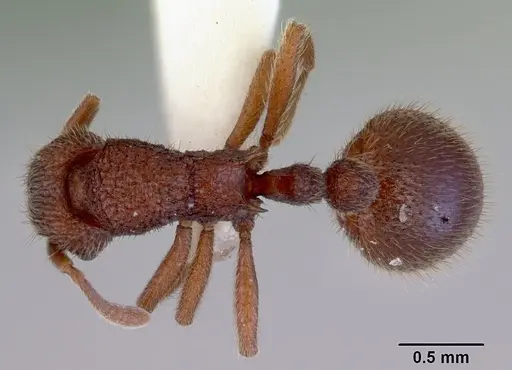
CASENT0172484
View on AntWeb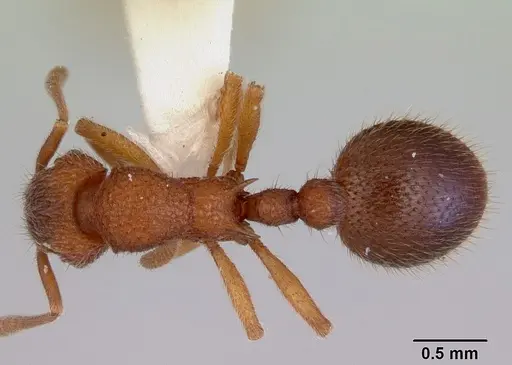
CASENT0913959
View on AntWeb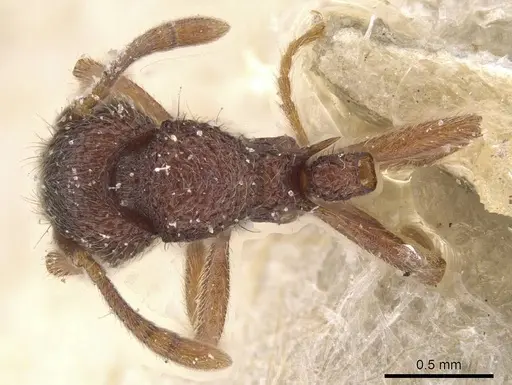
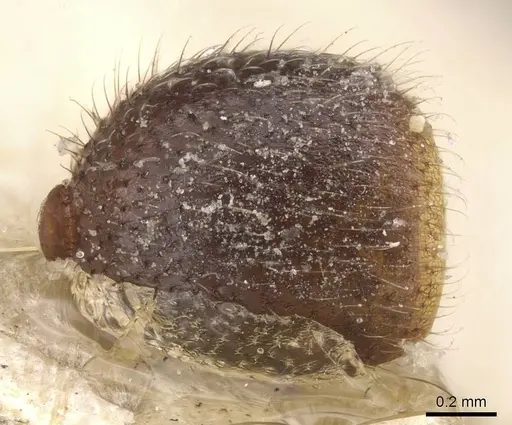
CASENT4032442
View on AntWeb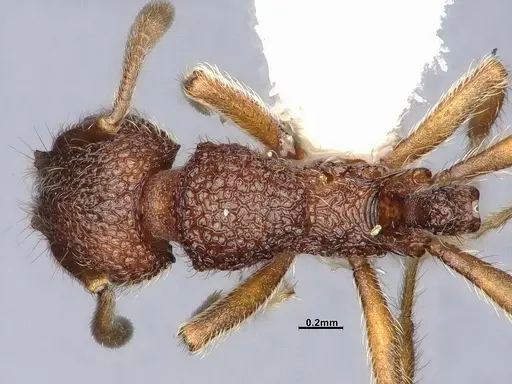
Literature
Loading distribution map...Loading products...