
Leptomyrmex fragilis
- Sci. Name
- Leptomyrmex fragilis
- Tribe
- Leptomyrmecini
- Subfamily
- Dolichoderinae
- Author
- Smith, 1859
- Distribution
- Found in 2 countries
Introduction
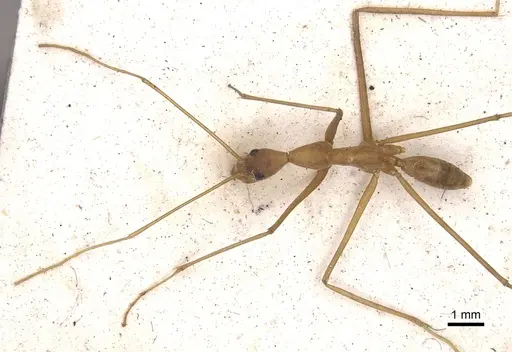
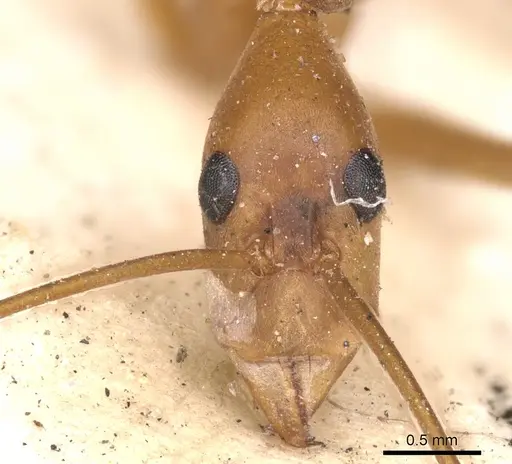
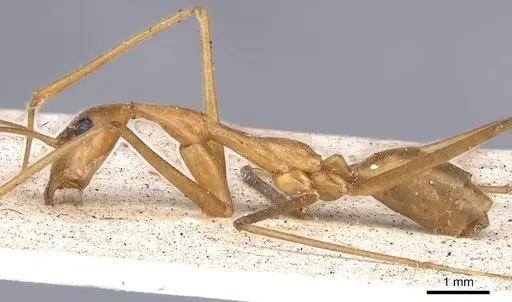
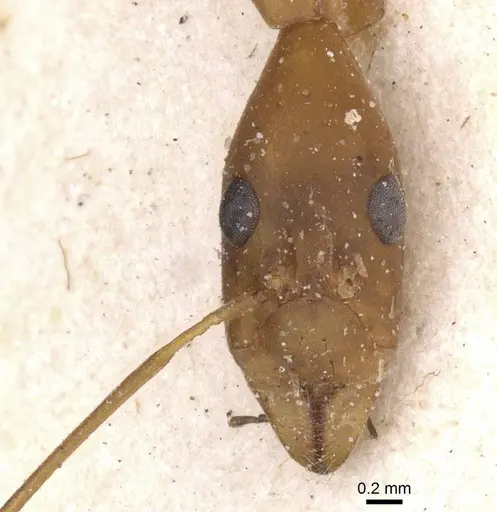
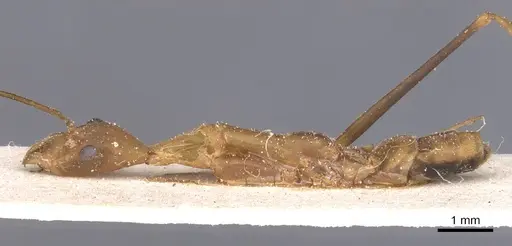
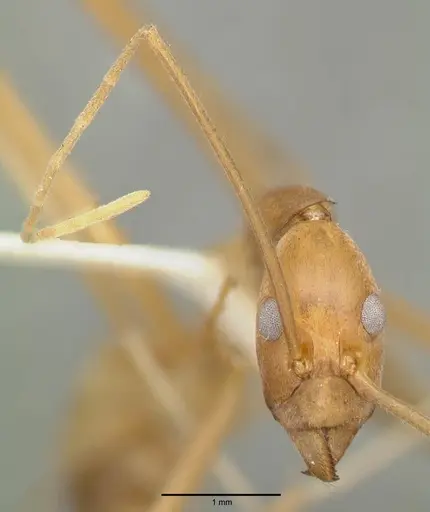
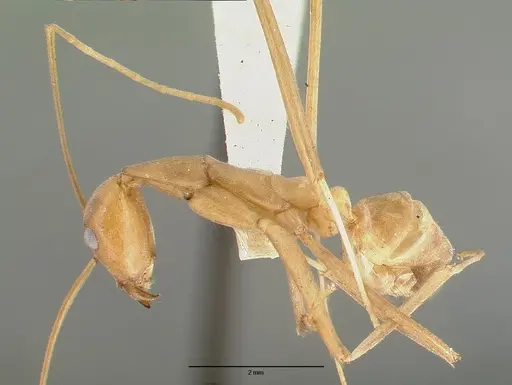
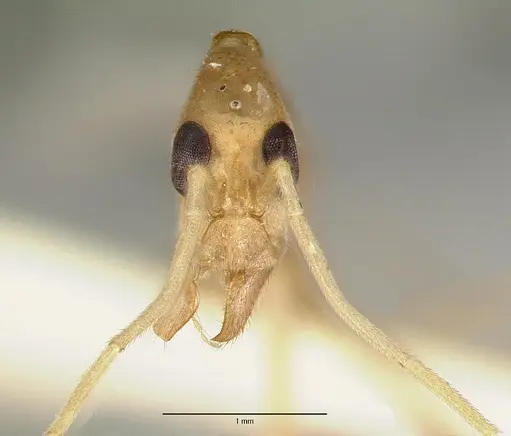
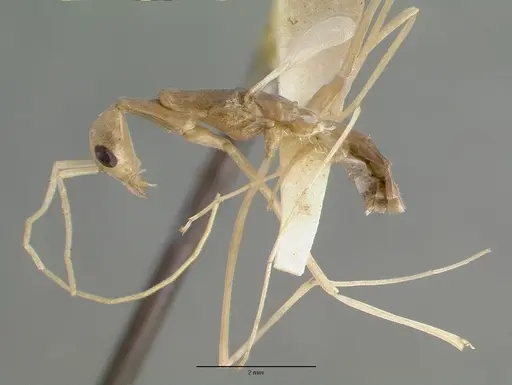
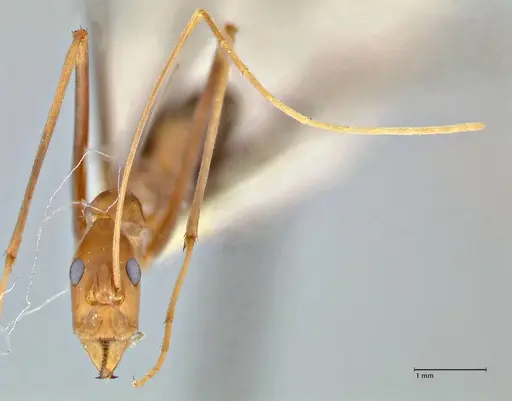
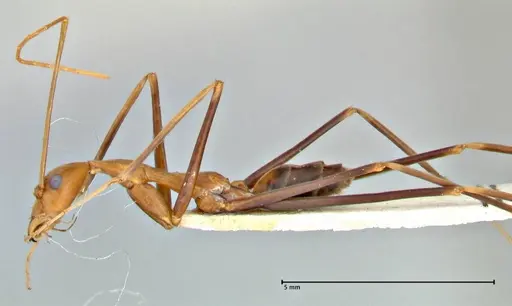
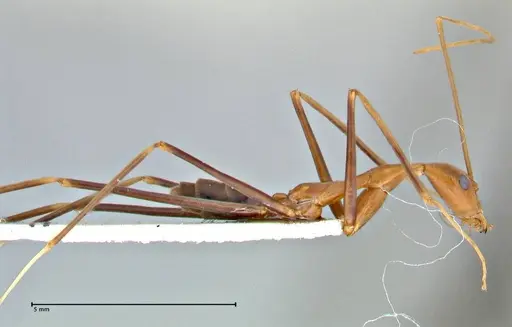
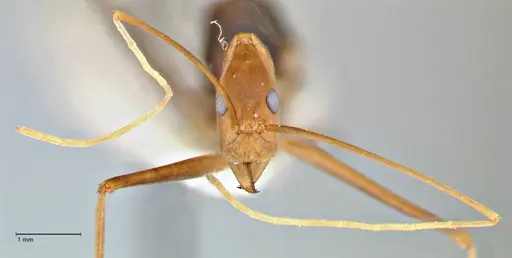
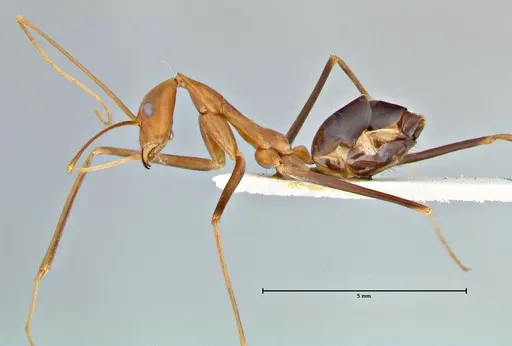
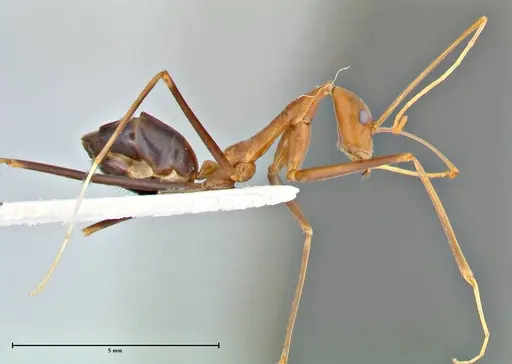
Leptomyrmex fragilis is a slender, small ant native to New Guinea, Indonesia (Aru Islands, Ceram Island). Workers have extremely elongated legs and antennae that give them a distinctive spider-like appearance - their hind legs can reach 4.4-5mm in length. They are virtually hairless with a reddish-brown (rufotestaceous) body and white tarsi. This species is the most commonly encountered Leptomyrmex in New Guinea and nests in soil and rotting logs in rainforest environments. Unlike most ants, Leptomyrmex queens are ergatoid - meaning they are wingless and look much like workers, only larger with three ocelli on their head. Workers forage solitarily on the ground and can fold their gaster forward over their back, which is unusual for Dolichoderine ants .
Quick Summary
- Difficulty: Medium
- Origin & Habitat: Native to New Guinea, Aru Islands, and Ceram Island. Found in rainforest environments including lowland secondary and primary rainforest, montane rainforest, and native gardens. Nests in soil and rotting logs [1].
- Colony Type: Ergatoid queen system, queens are wingless and morphologically similar to workers but larger with three ocelli. Males are winged while queens are wingless. Mating likely occurs inside or very near the maternal nest [1][2].
- Size & Growth:
- Queen: ~5-6mm total length, ergatoid queens are larger than workers with broader head, three ocelli, and enlarged mesosoma [1]
- Worker: ~4-5mm total length, small slender species with extremely elongated legs and antennae [1][2]
- Colony: Unknown for this specific species
- Growth: Unknown
- Development: Unknown, no specific development data exists for this species (Development has not been directly studied for L. fragilis)
- Antkeeping:
- Temperature: Keep at 24-28°C, tropical rainforest species from New Guinea. A temperature gradient allowing movement between warmer and cooler areas is ideal.
- Humidity: Rainforest species requiring high humidity. Keep nest substrate consistently moist but not waterlogged. Maintain 70-80% ambient humidity.
- Diapause: No, tropical species from New Guinea do not require hibernation. Keep temperatures stable year-round [1].
- Nesting: Natural nesting is in soil and rotting logs. In captivity, a naturalistic setup with moist substrate works well. They prefer dark, humid nest chambers. Y-tong or plaster nests with moisture reservoirs are suitable.
- Behavior: Docile and non-aggressive. Workers forage solitarily on the ground rather than in groups. They can fold their gaster forward over their back in a defensive posture. They do not have a functional sting, like other Dolichoderines, they lack a sting and rely on chemical secretions. Escape prevention is important due to their small size.
- Common Issues: small size means escape prevention must be thorough, they can slip through tiny gaps, tropical humidity requirements can lead to mold problems if ventilation is poor, wild-caught colonies may have parasites or diseases that cause colony collapse, ergatoid queens mate inside the nest so founding behavior may differ from typical ants, colonies appear to stay relatively small
Housing and Nest Setup
Leptomyrmex fragilis is a small, slender ant that requires careful housing. In the wild, they nest in soil and rotting logs in rainforest environments, so replicate these conditions in captivity. A naturalistic setup with moist soil substrate works well, fill a formicarium or container with damp earth and provide dark nesting areas. You can use pieces of rotting wood or bark as nest chambers. Alternatively, a Y-tong nest with narrow chambers and a water reservoir works, though adding some soil or substrate to part of the setup satisfies their natural nesting preferences. Keep the nest area dark, these ants prefer dim conditions and will nest in the shadiest areas available. A humidity of 70-80% is ideal, achieved by misting the substrate or using a water reservoir in the nest [1][2].
Feeding and Diet
Like most Dolichoderine ants, Leptomyrmex fragilis feeds on honeydew from aphids and scale insects, plus small insects and nectar. In captivity, offer sugar water or honey water as a constant energy source, they will readily accept these. For protein, offer small insects like fruit flies, pinhead crickets, or mealworm pieces. They are small ants, so prey should be appropriately sized. Some Leptomyrmex species have specialized plerergate workers that store honeydew, so having a small sugar source available at all times is beneficial. Feed protein 2-3 times per week, and replace sugar water every few days to prevent fermentation [2].
Temperature and Humidity
As a tropical rainforest species from New Guinea, Leptomyrmex fragilis needs warm, humid conditions. Keep temperatures between 24-28°C year-round, they do not tolerate cool conditions well. A heating cable or mat on one side of the nest creates a temperature gradient so ants can choose their preferred warmth. Humidity is critical, aim for 70-80% ambient humidity. The nest substrate should stay consistently moist but never waterlogged. If you see condensation on the nest walls, humidity is adequate. Poor humidity leads to desiccation and colony decline. Do not let the nest dry out, but ensure some ventilation to prevent mold [1].
Behavior and Colony Dynamics
This species has fascinating behavior unique among ants. Workers forage alone rather than in trails, walking slowly across the ground surface searching for food. When threatened, they can fold their gaster forward over their back in a defensive posture, this is unusual for Dolichoderine ants and gives them their spider ant common name. The colony structure uses ergatoid queens, these are wingless queens that look similar to workers but are larger and have three small eyes (ocelli) on their head. Ergatoid queens mate inside or very near the maternal nest, which explains why nuptial flights are not observed. This also means colony foundation may be different from typical claustral ants. Colonies are likely smaller than many common ant species, so do not expect rapid population explosions [1][2].
Seasonal Care
Leptomyrmex fragilis does not require hibernation or diapause, they come from a tropical environment with year-round warmth. Keep temperatures stable between 24-28°C throughout the year. If your room temperature drops below this range in winter, use a small heater or heating cable to maintain warmth. There is no seasonal rest period required. Simply maintain consistent humidity and feeding schedules year-round. The lack of a diapause requirement makes them easier to keep in temperature-controlled environments, but also means they are sensitive to temperature drops [1].
Escape Prevention
While Leptomyrmex fragilis is small, they are not particularly strong climbers on smooth surfaces like glass or acrylic. However, their small size means they can still slip through tiny gaps. Use tight-fitting lids on any containers and ensure any connections between outworld and nest are secure. A barrier of fluon or petroleum jelly on the rim of containers helps prevent escapes. Because they are small, check for gaps that would be invisible for larger ants. They are not aggressive and do not have a functional sting, so escape prevention is more about keeping them contained than safety.
Frequently Asked Questions
How long does it take for Leptomyrmex fragilis to produce first workers?
The exact development time is unknown for this species. Based on typical tropical Dolichoderine ant development, expect 6-10 weeks from egg to first worker at optimal temperatures (24-28°C). This is an estimate since no specific development studies exist for L. fragilis.
Can I keep multiple Leptomyrmex fragilis queens together?
This species has an ergatoid queen system where a single wingless queen serves as the reproductive. There is no evidence that multiple unrelated queens can found colonies together. It is not recommended to combine unrelated queens as this has not been documented and would likely result in aggression.
What do Leptomyrmex fragilis eat?
They are omnivorous like most Dolichoderines. Offer sugar water or honey water as a constant energy source. For protein, provide small insects like fruit flies, small crickets, or mealworm pieces. They may also tend aphids for honeydew if you keep plants nearby.
Are Leptomyrmex fragilis good for beginners?
This species is rated as Medium difficulty. While they are docile and do not sting, they have specific humidity and temperature requirements (tropical rainforest conditions) and their small size can make them harder to see and contain. They are not the best choice for complete beginners, but experienced antkeepers should find them manageable.
Do Leptomyrmex fragilis need hibernation?
No, they are a tropical species from New Guinea and do not require hibernation or any cool period. Keep them warm (24-28°C) year-round. They are sensitive to temperature drops and cool conditions.
How big do Leptomyrmex fragilis colonies get?
The maximum colony size is unknown for this specific species. Based on related Leptomyrmex species, colonies are likely to be smaller than many common ants, probably under a few hundred workers at maturity. They do not form supercolonies.
What makes Leptomyrmex fragilis different from other ants?
Several things make them unique: they have ergatoid queens (wingless, worker-like queens), they can fold their gaster forward over their back like a scorpion, they have extremely elongated legs and antennae giving them a spider-like appearance, and they forage solitarily rather than in groups. They are also one of the most slender ant species in the world.
When will Leptomyrmex fragilis alates appear?
This is unclear. Leptomyrmex species have ergatoid (wingless) queens, and males are winged in most species. However, since queens are wingless, mating likely occurs inside or very near the nest. You may see winged males develop in established colonies, but nuptial flights as typically understood may not occur.
Report an Issue
The current care sheet is based fully on literature. See inconsistencies, or something that's incorrect? Please , it will be resolved after review from an admin. Contributing to the blogs tab also helps providing information, to make us be able to further improve the caresheets. Thank you for your support!
References

This caresheet is licensed under CC BY-SA 4.0 .
Community Blogs
CASENT0012052
View on AntWeb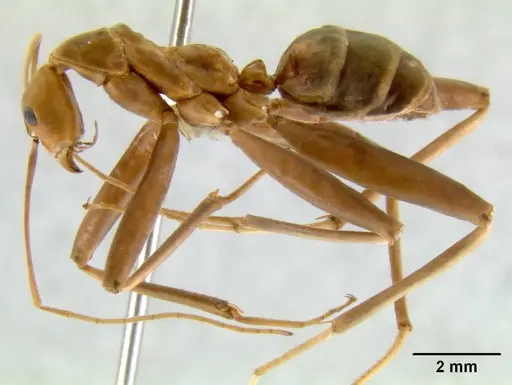
CASENT0127004
View on AntWeb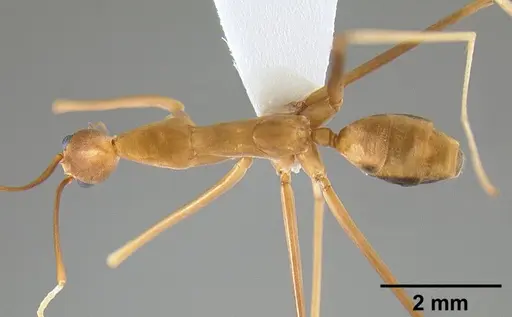
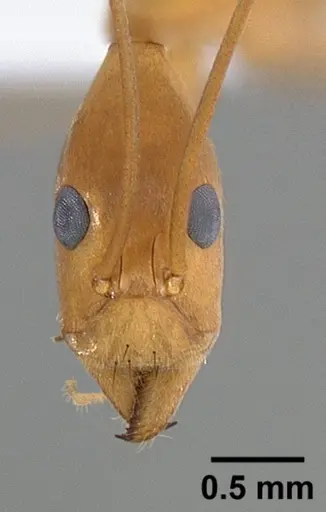
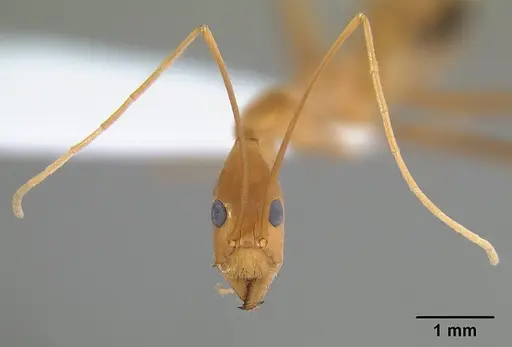
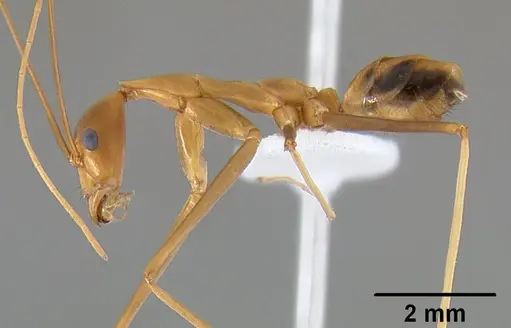
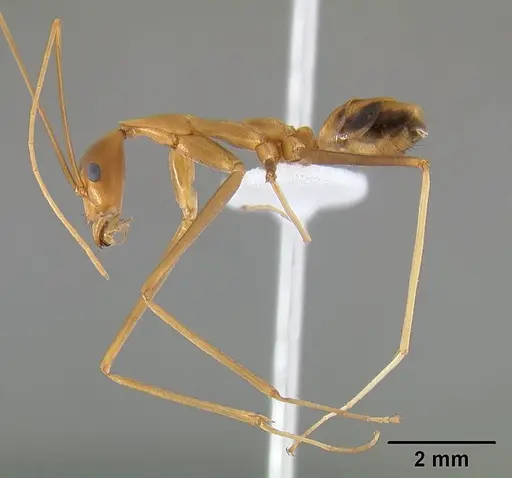
CASENT0127220
View on AntWeb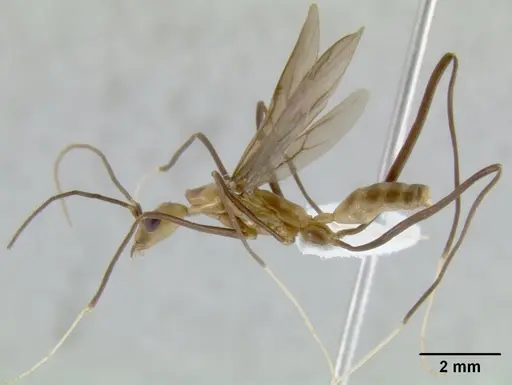
CASENT0901918
View on AntWeb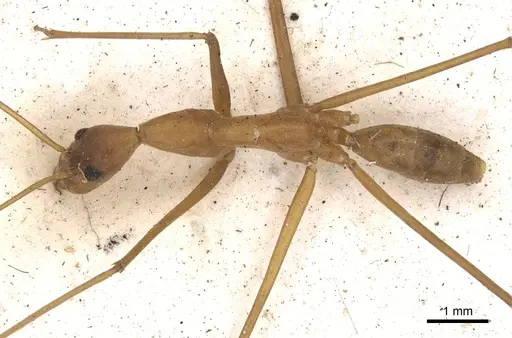
CASENT0902938
View on AntWeb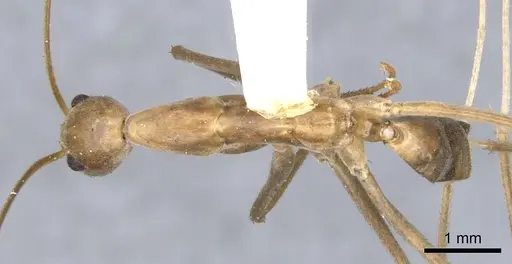
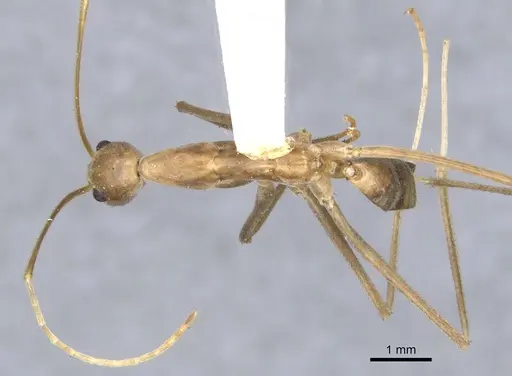
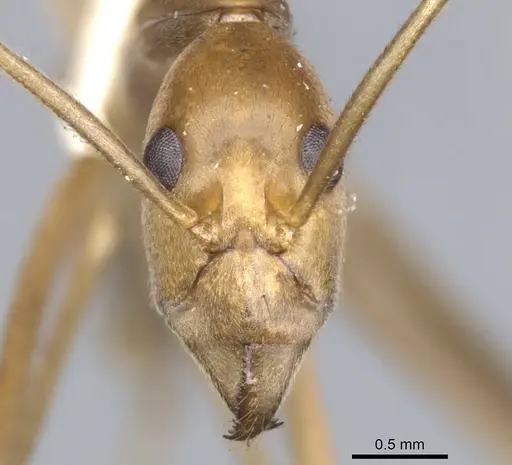
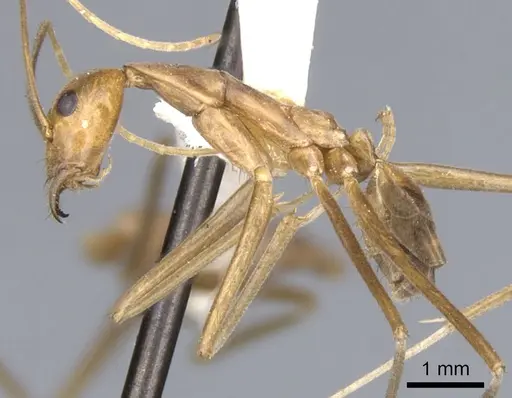
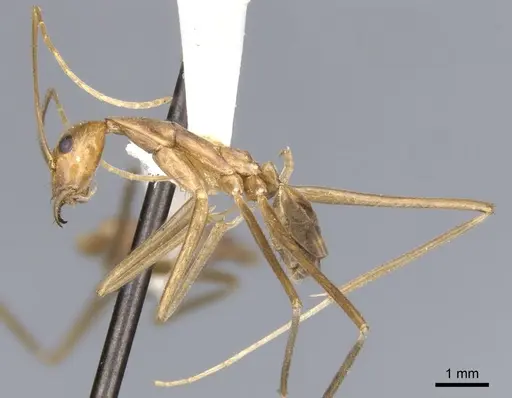
CASENT0911558
View on AntWeb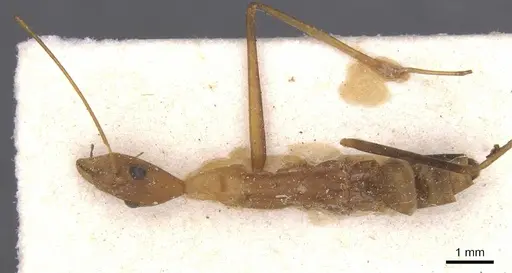
CASTYPE06954-01
View on AntWeb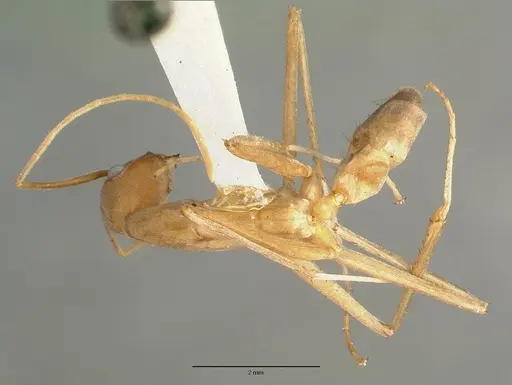
CASTYPE06954-02
View on AntWeb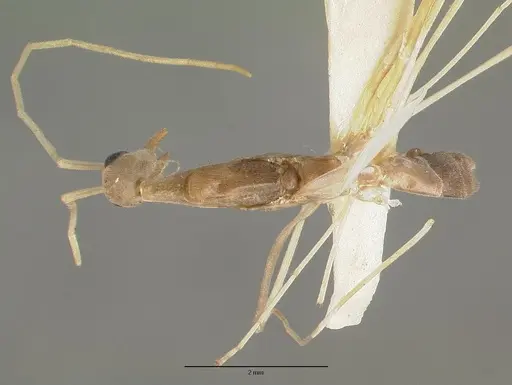
FOCOL2861
View on AntWeb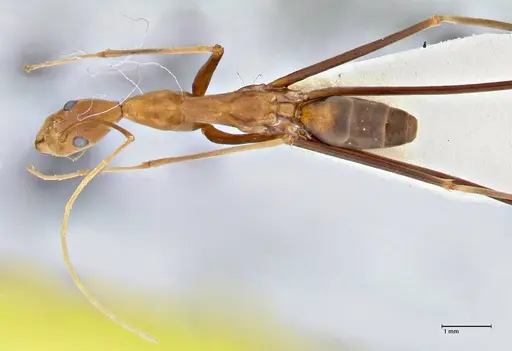
FOCOL2862
View on AntWeb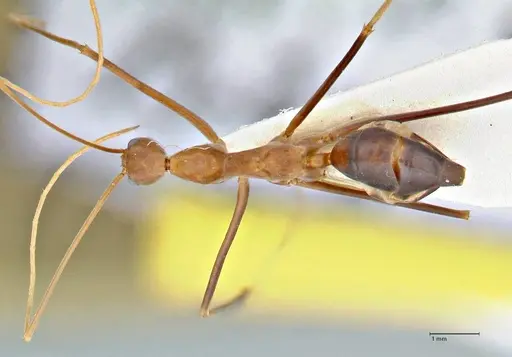
Literature
Loading distribution map...Loading products...