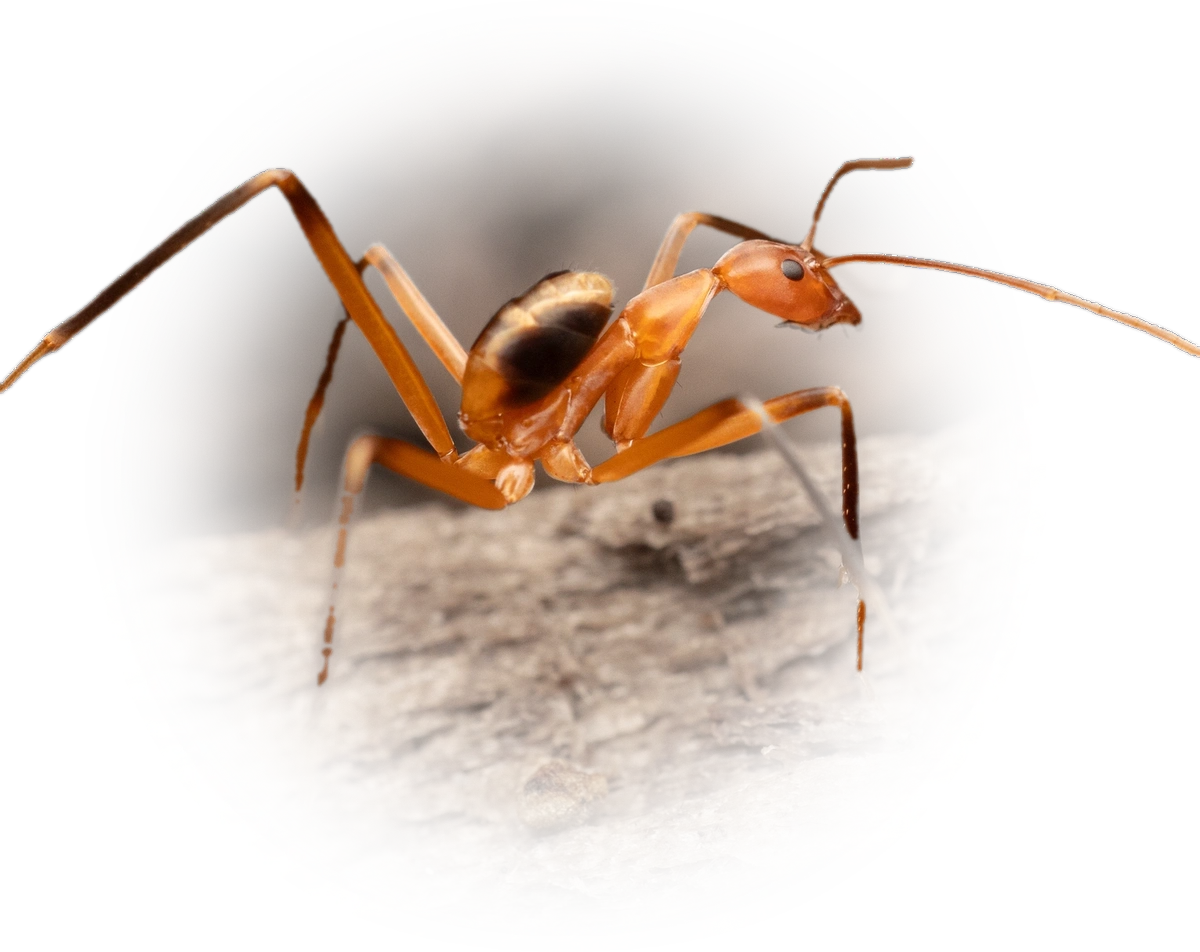
Leptomyrmex cnemidatus
- Sci. Name
- Leptomyrmex cnemidatus
- Tribe
- Leptomyrmecini
- Subfamily
- Dolichoderinae
- Author
- Wheeler, 1915
- Distribution
- Found in 1 countries
Introduction
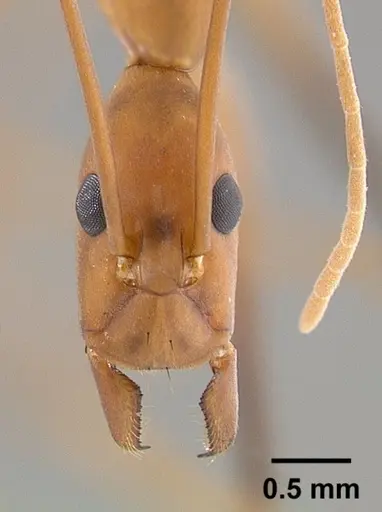
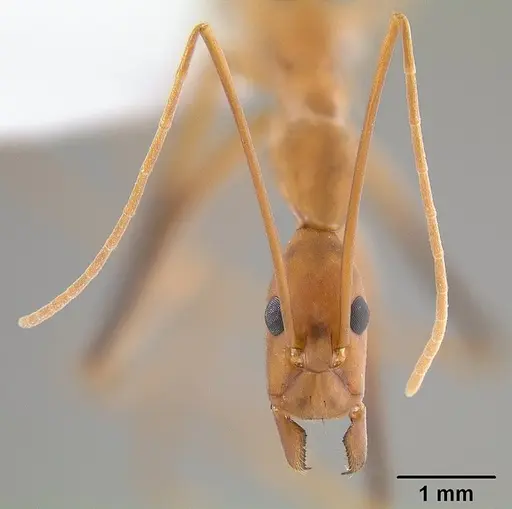
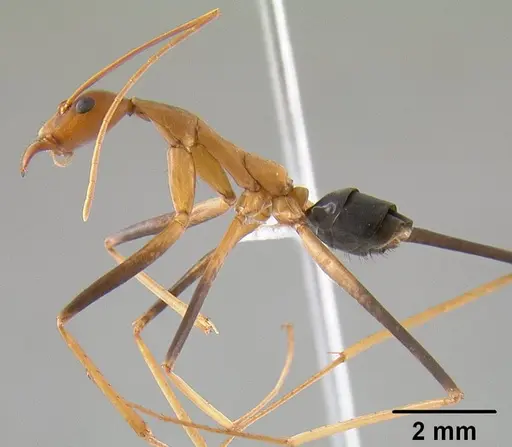
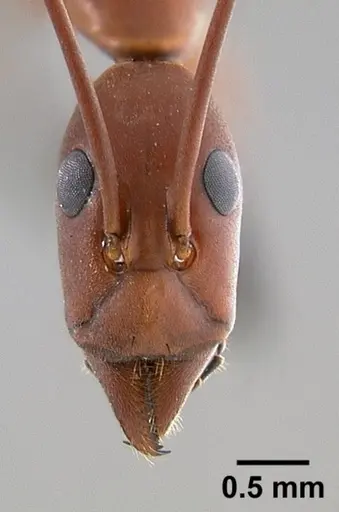
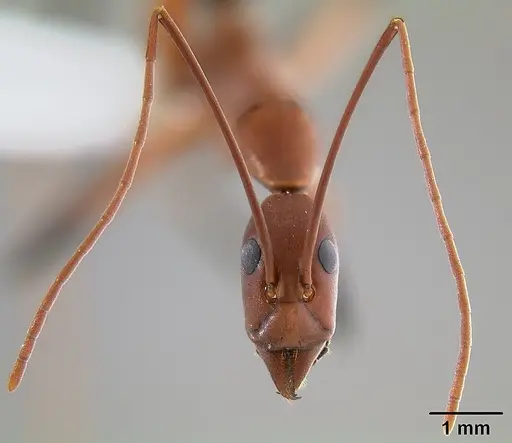
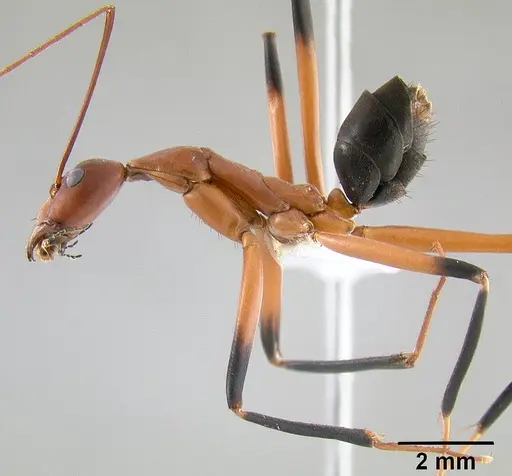
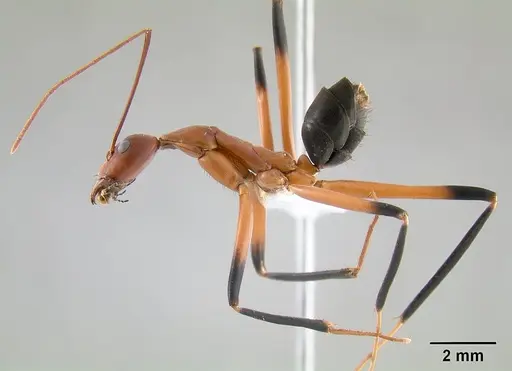
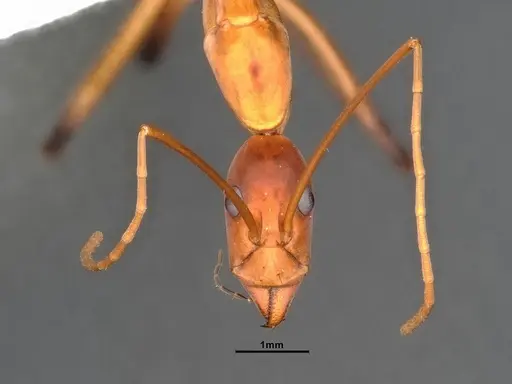
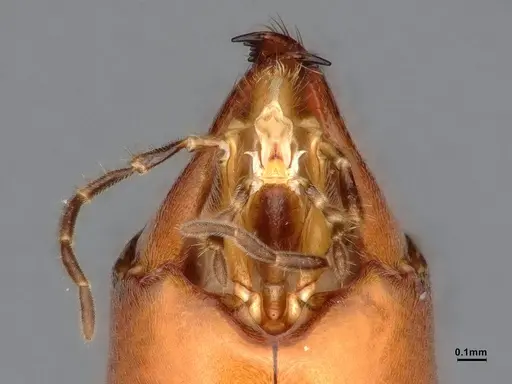
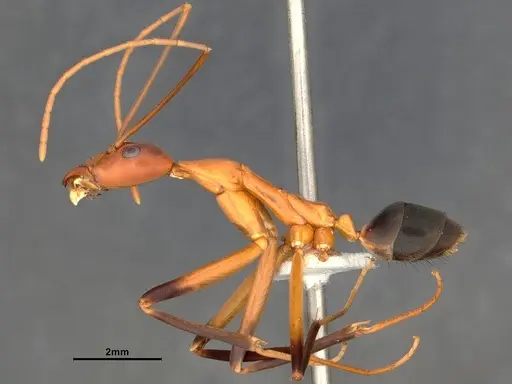
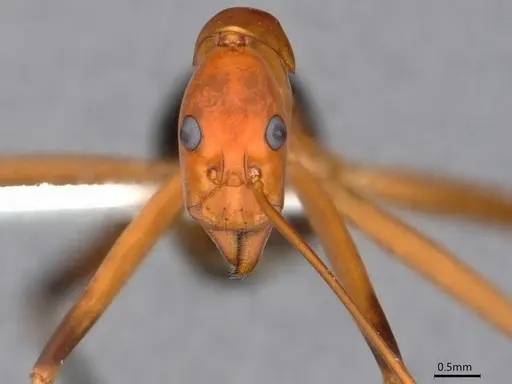
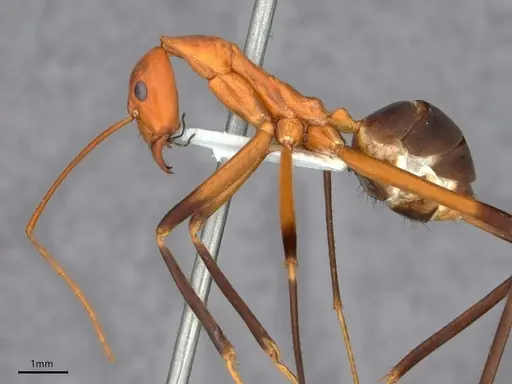
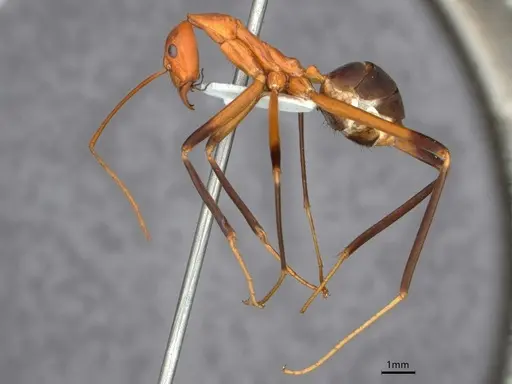
Leptomyrmex cnemidatus is an Australian ant known for its distinctive elongated body and very long legs, giving it a spider-like appearance. Workers have an orange-red head and mesosoma contrasting with a black gaster and black tips on the femora. The species is part of the L. erythrocephalus species complex and was elevated from subspecies to full species in 2010. These ants are found only in northeastern New South Wales and southeastern Queensland, Australia, where they inhabit wet sclerophyll, dry sclerophyll, rainforest, and semi-evergreen vine thicket . What makes L. cnemidatus particularly interesting is its close relationship with its sister species Leptomyrmex erythrocephalus. In the Sydney region, the two species overlap and show some hybridization, making identification tricky. The species can be distinguished by having 2-4 black setae on the clypeus (versus 0-2 in L. erythrocephalus), and it tends to be the smaller of the two species. Queens in this genus are wingless (ergatoid), which is unusual among ants . This species lacks a functional sting and defends itself by secreting defensive compounds from the tip of the abdomen.
Quick Summary
- Difficulty: Medium
- Origin & Habitat: Northeastern New South Wales to southeastern Queensland, Australia. Found in wet sclerophyll, dry sclerophyll, rainforest, and semi-evergreen vine thicket. Nests under rocks, logs, or in ground holes [1][4].
- Colony Type: Single-queen colonies with wingless (ergatoid) queens. The genus Leptomyrmex is known for having wingless reproductive females, which is unusual among ants [2].
- Size & Growth:
- Queen: ~6-7 mm, inferred from genus patterns (no specific measurements available)
- Worker: ~5-6 mm, inferred from genus patterns (no specific total length measurements available)
- Colony: Colony size data unavailable for this species
- Growth: Moderate, inferred from related species in the genus
- Development: Development timeline is unconfirmed for this species (Based on typical Dolichoderinae development, expect several months from founding to first workers.)
- Antkeeping:
- Temperature: Keep at 22-26°C. Australian species from temperate to subtropical regions should do well at room temperature. Provide a gentle temperature gradient if possible.
- Humidity: Moderate to high humidity. Their natural habitat includes rainforest and wet sclerophyll, so they appreciate some moisture. Keep the nest substrate slightly damp but not waterlogged.
- Diapause: Likely required, Australian temperate ants typically need a winter rest period. Reduce temperature to 15-18°C for 2-3 months during winter.
- Nesting: Nests in or under rocks and logs, or in holes in the ground. In captivity, they do well in naturalistic setups with soil substrate, or Y-tong/plaster nests with moisture chambers. They prefer tight, dark chambers with some humidity.
- Behavior: Leptomyrmex ants are known for their long legs and spider-like movement. Workers are active foragers that search for food both on the ground and in vegetation. They are not aggressive but will defend their nest if threatened. Escape prevention is important due to their small size, use fine mesh and tight-fitting barriers. They are generalist foragers and likely accept both sugar and protein foods. This species lacks a functional sting, it defends by secreting compounds from the abdomen tip.
- Common Issues: escape prevention is critical due to their small worker size, they can squeeze through tiny gaps, colonies may be slow to establish due to wingless queens producing fewer offspring initially, humidity control is important, too dry and brood will desiccate, too wet and mold becomes a problem, winter diapause is likely required, failing to provide a rest period may weaken colonies over time, wild-caught colonies may have parasites that can devastate captive colonies
Nest Preferences and Housing
In the wild, Leptomyrmex cnemidatus nests under rocks, logs, or in holes in the ground [1]. This tells us they prefer dark, humid microhabitats with some protection from the elements. For captive colonies, you have several good options. Naturalistic setups with a soil substrate work well, use a mix of soil and sand that holds moisture without becoming waterlogged. Y-tong or plaster nests with built-in water chambers maintain humidity nicely.
The key is providing tight, dark chambers that mimic the crevices they use in nature. They don't need elaborate tunnel systems, simple chambers connected by narrow passages work fine. Make sure the nest has a moisture source, either through a water reservoir chamber or by keeping the substrate damp. A small outworld for foraging completes the setup. Given their small size, ensure your formicarium has no gaps larger than about 1mm, these ants are excellent escape artists.
Feeding and Diet
Leptomyrmex cnemidatus is likely a generalist forager like other members of the genus. In the wild, they probably collect honeydew from aphids and scale insects, hunt small invertebrates, and scavenge. For captive feeding, offer a varied diet.
Sugar sources are important, a small dish of sugar water or honey diluted with water should be accepted. Replace every 2-3 days to prevent fermentation. For protein, offer small prey items like fruit flies, pinhead crickets, small mealworms, or other tiny insects. Feed protein once or twice a week, adjusting based on colony size.
Live prey is generally better accepted than dead, but they'll scavenge if hungry. Remove uneaten prey after 24 hours to prevent mold. As the colony grows, you can offer progressively larger prey items.
Temperature and Seasonal Care
As an Australian ant from New South Wales and Queensland, Leptomyrmex cnemidatus experiences temperate to subtropical conditions in the wild. Their native range spans from the Sydney area north into Queensland, meaning they're adapted to warm summers and cool winters.
Keep your colony at 22-26°C during the active season. Room temperature is usually fine for this species. If you need to warm the nest, use a heating cable on one side of the formicarium to create a gentle gradient, don't apply heat directly to the nest as it can dry out brood.
During winter (roughly May to August in the Southern Hemisphere), reduce temperatures to 15-18°C to simulate their natural seasonal cycle. This diapause period is important for colony health long-term. You can move them to a cooler room or use a thermostat-controlled cooler. Don't feed as heavily during dormancy, the colony will be less active and the queen may slow or stop egg-laying. Return to warm temperatures gradually in spring. [1]
Behavior and Colony Dynamics
Leptomyrmex cnemidatus belongs to the 'macro' clade of spider ants, characterized by their large, elongated bodies and very long legs [3]. Workers move with a distinctive, somewhat jerky gait that gives them their spider-like appearance. They're active foragers that search both on the ground and can climb vegetation to reach honeydew sources.
The species has ergatoid queens, reproductive females that are wingless throughout their lives [2]. This is unusual among ants and affects colony founding. Instead of dispersing on nuptial flights, wingless queens likely mate near the nest and establish new colonies nearby.
Colonies appear to be single-queen based on the species' known biology. Queens are not parasitic, they establish colonies through normal founding. The colony will grow gradually, with the queen producing eggs that develop through larvae and pupae into workers.
These ants are not particularly aggressive but will bite if their nest is threatened. Their small size means their bite is barely noticeable to humans. The main husbandry concern is escape prevention.
Growth and Development
Specific development times for Leptomyrmex cnemidatus have not been documented in the scientific literature. Dolichoderine ants like Leptomyrmex typically develop from egg to adult worker in several months at warm temperatures.
Colony growth is initially slow. A newly mated queen will lay a small batch of eggs, and the first workers may take several months to emerge. These first workers are often smaller than subsequent generations. Once the first workers arrive, the colony enters a growth phase, with the queen increasing her egg production.
Be patient with founding colonies, the first few months are the most critical. Avoid disturbing the queen during founding, and don't check too frequently. Too much disturbance can cause the queen to abandon or eat her brood.
Frequently Asked Questions
How long does it take for Leptomyrmex cnemidatus to produce first workers?
Development timeline is unconfirmed for this species. Based on typical Dolichoderinae patterns, expect several months from egg to first worker at optimal temperatures. Founding colonies may take 3-6 months before nanitics emerge.
What size formicarium do I need for L. cnemidatus?
Start with a small setup, a test tube or small nest works for founding colonies. Once the colony reaches 30-50 workers, upgrade to a medium-sized nest. They don't need elaborate tunnel systems, simple chambers connected by passages are fine.
Can I keep multiple Leptomyrmex cnemidatus queens together?
Colony type is unconfirmed for this species. Combining unrelated queens is not recommended and likely would result in fighting. If you find multiple queens, they're probably either ergatoid replacement reproductives or from different colonies.
What do Leptomyrmex cnemidatus eat?
They accept sugar water or honey as an energy source, and small protein prey like fruit flies, pinhead crickets, or small mealworms. Feed sugar constantly and protein 1-2 times per week based on colony size.
Do L. cnemidatus need hibernation?
Yes, likely required. As an Australian temperate species, they probably need a winter rest period of 2-3 months at reduced temperatures. This mimics their natural seasonal cycle and helps maintain colony health.
Why are my L. cnemidatus escaping?
Their small size makes them excellent escape artists. Use fine mesh, tight-fitting lids, and apply barrier tape or fluon to edges. Check all connections between the nest and outworld.
Is Leptomyrmex cnemidatus a good beginner ant?
Medium difficulty, they're not as forgiving as some hardy species like Lasius, but not as demanding as tropical rainforest ants. Their main challenges are escape prevention and providing proper seasonal care. If you can handle small ants carefully, they're a rewarding species.
How big do Leptomyrmex cnemidatus colonies get?
Colony size data is unavailable for this specific species. Growth is relatively slow, expect 1-2 years to reach significant numbers under good conditions.
What's the difference between L. cnemidatus and L. erythrocephalus?
They're sister species that can be difficult to distinguish in the Sydney region where they overlap. L. cnemidatus is typically smaller and has 2-4 black setae on the clypeus (versus 0-2 in L. erythrocephalus). The two species show signs of hybridization in their contact zone.
Report an Issue
The current care sheet is based fully on literature. See inconsistencies, or something that's incorrect? Please , it will be resolved after review from an admin. Contributing to the blogs tab also helps providing information, to make us be able to further improve the caresheets. Thank you for your support!
References

This caresheet is licensed under CC BY-SA 4.0 .
Community Blogs
CASENT0011801
View on AntWeb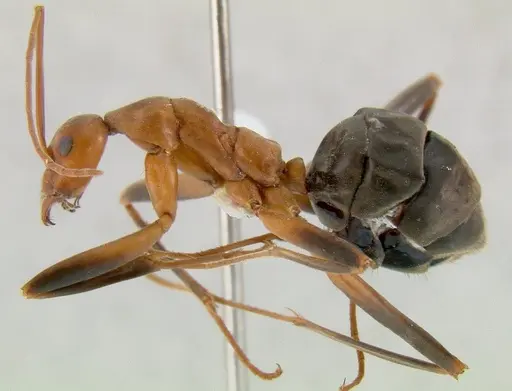
CASENT0011808
View on AntWeb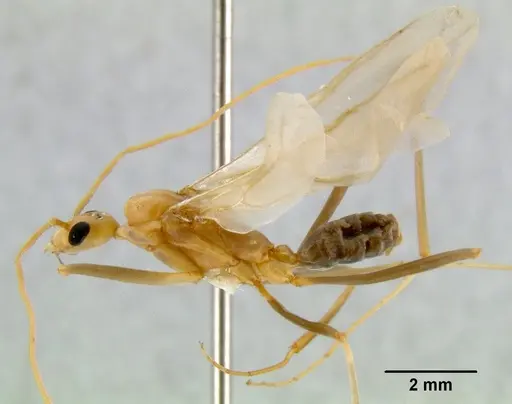
CASENT0012219
View on AntWeb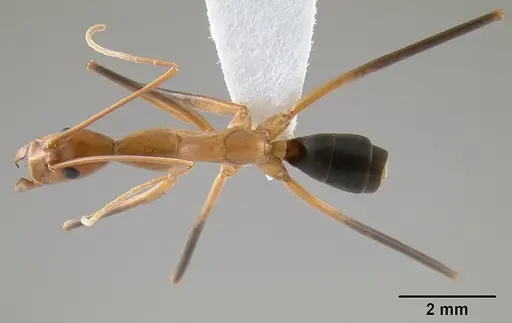
CASENT0127094
View on AntWeb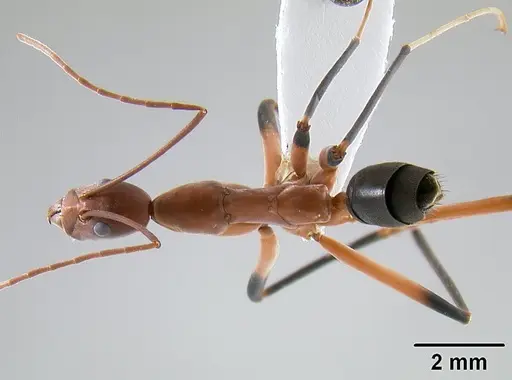
CASENT0127101
View on AntWeb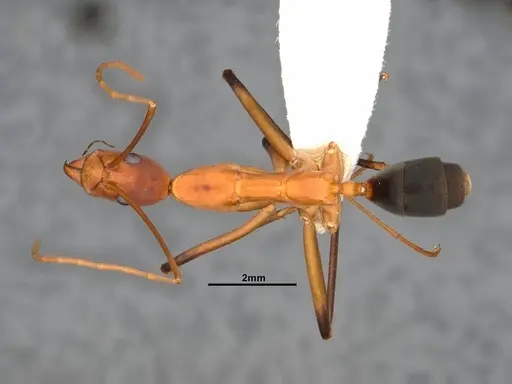
CASENT0841233
View on AntWeb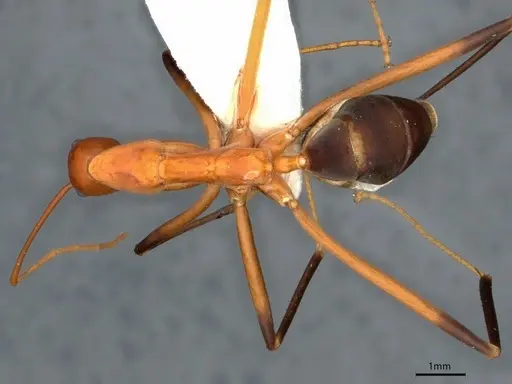
Literature
Loading distribution map...Loading products...