
Leptogenys zapyxis
- Sci. Name
- Leptogenys zapyxis
- Tribe
- Ponerini
- Subfamily
- Ponerinae
- Author
- Bolton, 1975
- Distribution
- Found in 1 countries
Introduction
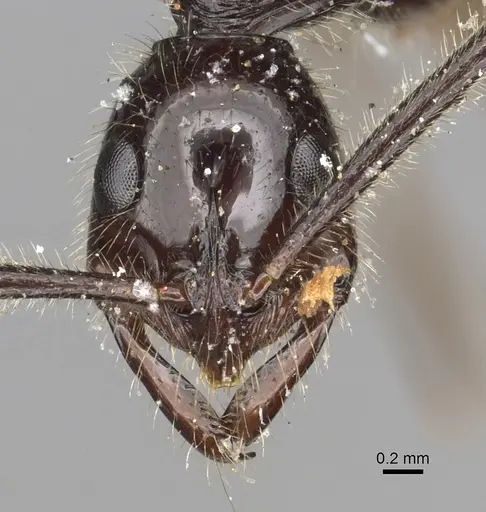
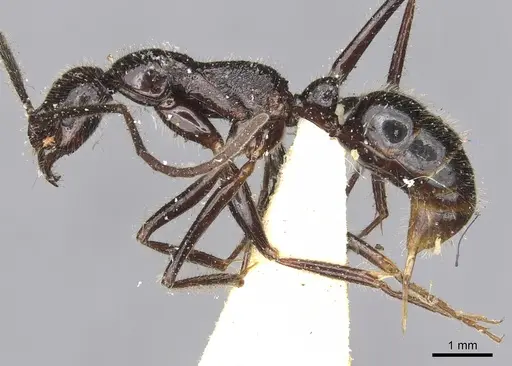
Leptogenys zapyxis is a predatory ant species from the Ponerinae subfamily, described from Ghana in West Africa . Workers are typical of the genus Leptogenys, characterized by their elongated bodies, distinct petiole, and powerful mandibles adapted for hunting prey. This species remains poorly studied, with only a handful of specimens ever collected. The genus Leptogenys contains predatory ants that hunt primarily other arthropods using their speed and mandibles. Based on related species in the genus, L. zapyxis likely inhabits forest floor environments in tropical West Africa, where they establish small colonies and hunt individually or in small groups. The known collection locations in Ghana and Côte d'Ivoire suggest this species prefers humid, shaded microhabitats typical of forest-dwelling Ponerine ants.
Quick Summary
- Difficulty: Unknown, this species has never been kept in captivity and has minimal scientific documentation
- Origin & Habitat: Ghana and Côte d'Ivoire in West Africa, tropical forest zone [2][1]
- Colony Type: Unconfirmed, likely single-queen colonies based on typical Leptogenys patterns
- Size & Growth:
- Queen: size data unavailable, queen caste not described
- Worker: size data unavailable, no measurements in original description [1]
- Colony: Unknown, no colony data exists
- Growth: Unknown, no development data available
- Development: Unknown, no species-specific data exists (Ponerine ants typically have slower development than many Myrmicinae species.)
- Antkeeping:
- Temperature: Likely 24-28°C based on West African tropical habitat. Provide a warm area around 26°C with a gradient allowing the colony to self-regulate.
- Humidity: Requires high humidity, think damp forest floor conditions. Keep nest substrate consistently moist but not waterlogged, with some drier areas available.
- Diapause: Unknown for this species. West African ants may not undergo true hibernation but may show reduced activity during cooler/drier seasons.
- Nesting: Natural nesting habits unconfirmed. Based on related Leptogenys species, they likely nest in soil, under stones, or in rotting wood in shaded forest areas. A naturalistic setup with moist substrate or a Y-tong/plaster nest works well for Ponerine ants.
- Behavior: Behavior is unstudied in captivity. Based on genus patterns, they are active hunters that pursue prey individually. They have functional stingers for subduing prey, as is typical for Ponerinae ants. Escape prevention should be moderate, Leptogenys are medium-sized ants but can be fast-moving. Monitor for escape gaps, especially during feeding or when the colony is active.
- Common Issues: no captive husbandry information exists, this species has never been kept in captivity, extremely limited scientific data makes reliable care recommendations difficult, wild-caught colonies may have parasites or diseases that kill them in captivity, the limited collection records suggest this species may have very specific habitat requirements, acquiring this species would require wild collection in Ghana which may be legally restricted
Species Identification and History
Leptogenys zapyxis was first described by Bolton in 1975 from worker specimens collected in Ghana [1]. Only the worker caste has been described, the queen and male castes remain unknown to science. This species belongs to the tribe Ponerini within the subfamily Ponerinae, a group of ants known for their predatory habits and often painful stings. The original description includes detailed illustrations showing the worker's distinctive features, including the characteristic Leptogenys body shape with elongated body and distinct petiole structure.
Distribution and Habitat
Leptogenys zapyxis is known from Ghana in West Africa, with a single additional occurrence recorded from Côte d'Ivoire [2]. The limited collection records likely reflect sampling bias rather than true range restriction, West African forests remain poorly surveyed for ants. Based on the genus ecology, this species almost certainly inhabits humid tropical forest environments, likely in shaded understory or forest floor microhabitats where moisture remains high and temperatures are stable.
Inferred Biology from Genus Patterns
While no specific biological studies exist for Leptogenys zapyxis, the genus Leptogenys is well-studied enough that we can make reasonable inferences based on typical patterns. All known Leptogenys species are predators, hunting primarily other ants, termites, and various arthropods. They typically forage individually or in small groups rather than forming large raiding parties. Most Leptogenys species studied have claustral founding, where the queen seals herself in a chamber and raises the first brood alone on stored body fat. Colony sizes tend to be relatively small, typically dozens to a few hundred workers rather than the thousands seen in some other genera. The Ponerinae subfamily includes ants with functional stings, and Leptogenys is known to use them for prey subdual.
Keeping This Species - Practical Considerations
No antkeeper has ever documented successfully keeping Leptogenys zapyxis in captivity. This species should be considered entirely experimental from a husbandry perspective. If acquiring specimens (which would require wild-collection in Ghana), treat them as a typical Ponerine ant: provide warm, humid conditions with a moist nesting substrate. Feed small live prey appropriate to their size, flightless fruit flies, small crickets, or other tiny arthropods. Use a well-secured enclosure since Ponerine ants can be fast and determined escapees. Start with a simple setup and observe closely for any health issues. Be prepared for slow growth and document any observations carefully, any captive data would be scientifically valuable for this poorly known species.
Frequently Asked Questions
Can I keep Leptogenys zapyxis as a pet ant?
This species has never been documented in the antkeeping hobby and has extremely limited scientific documentation. We cannot provide reliable care recommendations. It would be an entirely experimental species to keep, requiring wild collection from Ghana. Unless you are an experienced myrmecologist with specific research interests, there are far better-documented species available.
What do Leptogenys zapyxis eat?
Based on genus patterns, they are predators that hunt other arthropods. In captivity, you would likely need to feed small live prey such as flightless fruit flies, pinhead crickets, small mealworms, or similar-sized insects. Sugar sources are unlikely to be accepted, Leptogenys are not typically honeydew feeders.
How big do Leptogenys zapyxis colonies get?
Unknown, no colony size data exists for this species. Based on typical Leptogenys colony sizes, expect relatively small colonies rather than large supercolonies.
Do Leptogenys zapyxis ants sting?
Yes, Leptogenys belongs to the Ponerinae subfamily, which contains ants with functional stings. The sting is used primarily for prey subdual rather than defense, but it can be painful to humans.
What temperature do Leptogenys zapyxis need?
Based on their West African tropical origin, keep them warm at approximately 24-28°C. A temperature around 26°C is a reasonable starting point. Always provide a gradient so the ants can self-regulate if needed.
Do Leptogenys zapyxis need hibernation?
Unknown. As a West African species from a region without cold winters, they likely do not require true hibernation. They may show reduced activity during cooler or drier seasons, but this would be different from temperate diapause.
How long does it take for Leptogenys zapyxis to develop from egg to worker?
No species-specific data exists. Based on typical Ponerine development patterns, expect development to take several months, but this is a rough estimate with low confidence.
Is Leptogenys zapyxis a good species for beginners?
No. This species has never been kept in captivity and has almost no scientific documentation. There are many well-documented species available that are far more suitable for beginners. This species would only be appropriate for advanced antkeepers with specific research interests.
Where does Leptogenys zapyxis live?
Known from Ghana in West Africa, with a single additional record from Côte d'Ivoire. They likely inhabit humid tropical forests in the region, but exact microhabitat preferences are unstudied.
Report an Issue
The current care sheet is based fully on literature. See inconsistencies, or something that's incorrect? Please , it will be resolved after review from an admin. Contributing to the blogs tab also helps providing information, to make us be able to further improve the caresheets. Thank you for your support!
References

This caresheet is licensed under CC BY-SA 4.0 .
Community Blogs
CASENT0902595
View on AntWeb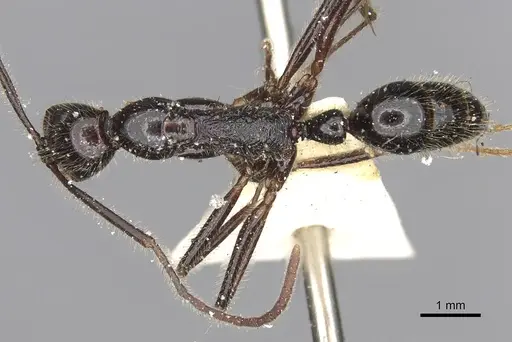
Literature
Loading distribution map...Loading products...