
Leptogenys tsingy
- Sci. Name
- Leptogenys tsingy
- Tribe
- Ponerini
- Subfamily
- Ponerinae
- Author
- Rakotonirina & Fisher, 2014
- Distribution
- Found in 1 countries
Introduction
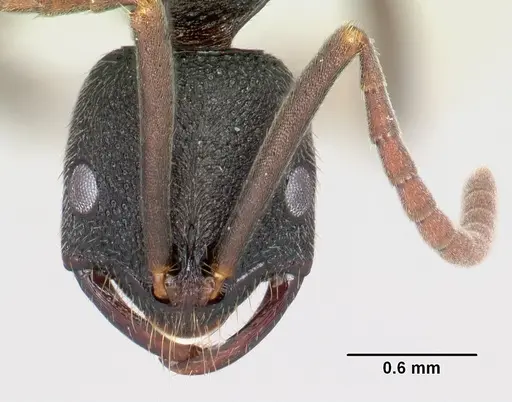
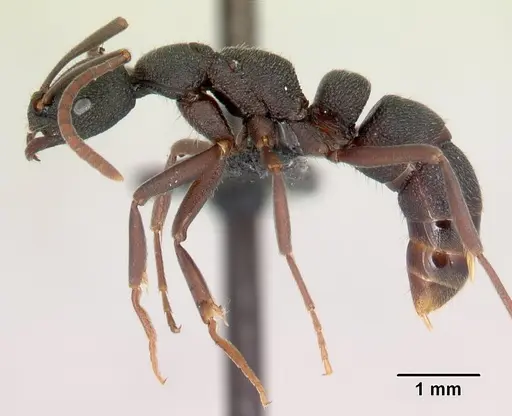
Leptogenys tsingy is a small predatory ant species endemic to Madagascar, found only in the dry forest habitats of Tsingy de Bemaraha and Namoroka National Parks at elevations of 100-150 meters . Workers are tiny ants with a subquadrate head, very small eyes that don't extend beyond the head's lateral borders, relatively short antennal scapes, and a petiolar node that is notably broader than long . The body is black to dark brown with coarse rugose sculpture and short standing hairs on the dorsum . This species belongs to the ridens species complex within the truncatirostris group and can be distinguished from similar species by its broader petiolar node and coarser body sculpture . In the wild, colonies nest in rotten logs and dead branches above ground, with foragers active in leaf litter .
Quick Summary
- Difficulty: Medium
- Origin & Habitat: Endemic to western Madagascar, specifically found in tropical dry forest habitats within Tsingy de Bemaraha and Namoroka National Parks at 100-150m elevation [1][2].
- Colony Type: Single-queen colonies likely, most Leptogenys species are monogyne, though this specific species is not directly documented.
- Size & Growth:
- Queen: size data unavailable, queen measurements have not been documented in available literature
- Worker: approximately 3-4mm total length, inferred from Leptogenys genus patterns (WL: 2.17-2.39mm suggests small workers) [1]
- Colony: Unknown, no colony size data available
- Growth: Unknown, growth rate has not been documented
- Development: Unconfirmed, no direct development data exists for this species. (Development timeline is unconfirmed. Related Leptogenys species typically show moderate development speeds, but specific timing for L. tsingy is unknown.)
- Antkeeping:
- Temperature: Based on its tropical dry forest origin in Madagascar, aim for warm conditions around 24-28°C. Provide a gentle temperature gradient allowing workers to self-regulate.
- Humidity: Moderate to high humidity is recommended, reflecting its leaf litter foraging habitat. Keep nest substrate consistently moist but not waterlogged. Provide a moisture gradient so ants can choose their preferred humidity level.
- Diapause: No, as a tropical species from Madagascar, it does not require hibernation.
- Nesting: In captivity, they do well in naturalistic setups with rotten wood or cork bark, reflecting their natural nesting in dead branches above ground. Y-tong (AAC) nests or plaster nests with added wood elements also work well. They prefer tight, enclosed spaces scaled to their small size.
- Behavior: Leptogenys tsingy is a predatory ant that forages in leaf litter, likely hunting small micro-arthropods like springtails. As a Ponerine ant, they have a functional sting and may use it defensively if threatened. Workers are active foragers that search for prey individually. Their small size means escape prevention is important, they can squeeze through small gaps. They are not aggressive toward keepers but will defend the nest if disturbed.
- Common Issues: small size makes escape likely without fine mesh barriers and tight-fitting lids, predatory diet requires live prey, colonies may fail if only dead food is offered, humidity control is critical, too dry and brood desiccates, too wet and mold becomes a problem, slow or undocumented growth may frustrate keepers expecting fast development, wild-caught colonies may have parasites that cause colony failure in captivity
Nest Preferences and Housing
Leptogenys tsingy naturally nests in rotten logs and dead branches above ground, with foragers active in leaf litter [2]. In captivity, replicate this by providing naturalistic setups with cork bark, rotten wood pieces, or similar materials. They do well in Y-tong (AAC) nests or plaster nests that can hold moisture. The key is providing tight, enclosed chambers scaled to their tiny worker size. Avoid tall, open spaces that may cause stress. The outworld should allow for hunting and foraging, a simple container with leaf litter and substrate works well for the foraging area. Keep the nest humid but ensure adequate ventilation to prevent mold buildup.
Feeding and Diet
As a predatory Ponerine ant, L. tsingy hunts small invertebrates in nature. In captivity, their primary food should be live small prey such as springtails, isopods, or fruit fly larvae. They are likely obligate predators that require moving prey to trigger hunting behavior. Offer prey items twice weekly, removing uneaten prey after 24-48 hours to prevent mold. Sugar sources may be accepted occasionally, but do not rely on them as a primary food source, these ants are predators first and foremost.
Temperature and Seasonal Care
This species comes from tropical dry forests in western Madagascar where temperatures are warm year-round. Aim for temperatures in the 24-28°C range for optimal colony activity and brood development. Use a heating cable on one side of the nest to create a gentle gradient, allowing workers to move between warmer and cooler areas. Room temperature (20-24°C) may be acceptable but likely results in slower development. Regarding diapause, no documented evidence exists for a hibernation requirement. As a tropical species, they probably do not need true hibernation but may show reduced foraging activity during cooler periods. Monitor colony behavior, if workers become less active, slightly increasing temperature may help. [1]
Behavior and Temperament
Leptogenys tsingy workers are active foragers that hunt individually through leaf litter, using their small size to access tight spaces where prey hides. As Ponerine ants, they possess a sting apparatus and may use it defensively when the nest is disturbed. However, they are not particularly aggressive toward keepers and typically flee rather than attack when given the opportunity. Their small size makes them effective escape artists, always use fine mesh barriers and tight-fitting lids. Workers have relatively long legs for their body size, enabling efficient movement through complex terrain. The colony will likely establish clear foraging routes once they settle into their new home. [1]
Growth and Development
Specific development data for L. tsingy is not available in the scientific literature. Based on typical Leptogenys genus patterns and their small worker size, development from egg to first worker likely takes several weeks at optimal temperature. The first workers (nanitics) will be smaller than mature workers. Colonies probably grow moderately slowly compared to more common ant species. Patience is essential, this species is not well-documented in captivity and growth rates may vary significantly based on feeding success and environmental conditions. Monitor brood development and adjust temperature and feeding frequency based on colony response.
Frequently Asked Questions
How long does it take for Leptogenys tsingy to produce first workers?
The egg-to-worker timeline is unconfirmed for this species. Actual timing may vary significantly based on temperature and feeding.
Can I keep Leptogenys tsingy in a test tube setup?
Test tubes can work for founding colonies, but given their natural nesting in wood and branches, a more naturalistic setup with cork bark or wood pieces is preferable. If using test tubes, ensure the cotton is kept moist and provide a dark cover. Monitor for mold and upgrade to a larger setup once the colony reaches 10-15 workers.
What do Leptogenys tsingy ants eat?
They are predatory ants that require live small invertebrates. Offer springtails, isopods, fruit fly larvae, or similar micro-prey. Feed protein-rich prey twice weekly. Sugar water or honey may be accepted occasionally as supplements but should not replace live prey.
Are Leptogenys tsingy good for beginners?
This species is rated as Medium difficulty. While not the most challenging ant, their predatory diet requiring live prey and the lack of captive breeding information makes them better suited for keepers with some experience. Their small size also demands attention to escape prevention.
What temperature do Leptogenys tsingy need?
Keep them warm at 24-28°C. A heating cable on part of the nest creates a gradient. Room temperature (20-24°C) may be acceptable but will likely result in slower development. Avoid temperatures below 20°C or above 32°C.
Do Leptogenys tsingy need hibernation?
No, as a tropical species from Madagascar, they do not require hibernation. Maintain warm temperatures year-round.
How big do Leptogenys tsingy colonies get?
Colony size data is not available for this species. Based on related Leptogenys species, colonies likely reach several hundred workers at maximum, but this is an estimate. Growth is expected to be moderate and may be slow initially.
When should I move Leptogenys tsingy to a formicarium?
Move to a larger setup once the colony reaches 15-30 workers or when the test tube becomes crowded. Provide a naturalistic setup with wood elements or a Y-tong nest with moisture-retaining substrate. They prefer tight chambers scaled to their tiny size.
Why are my Leptogenys tsingy dying?
Common causes include: insufficient live prey (they need hunting opportunities), improper humidity (too dry causes desiccation, too wet causes mold), escape through small gaps due to their tiny size, or stress from excessive disturbance. Ensure proper housing, feeding, and minimal interference.
Report an Issue
The current care sheet is based fully on literature. See inconsistencies, or something that's incorrect? Please , it will be resolved after review from an admin. Contributing to the blogs tab also helps providing information, to make us be able to further improve the caresheets. Thank you for your support!
References

This caresheet is licensed under CC BY-SA 4.0 .
Community Blogs
CASENT0000793
View on AntWeb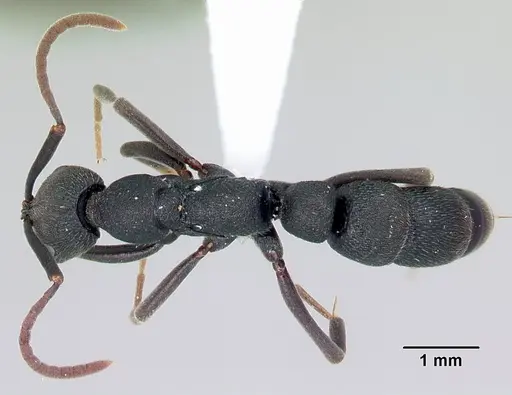
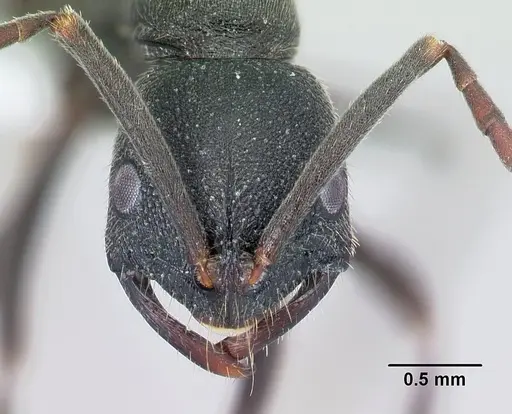
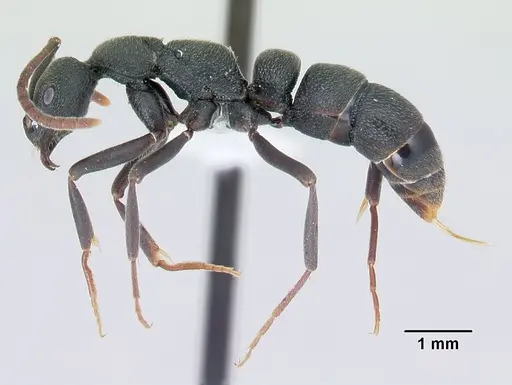
CASENT0493181
View on AntWeb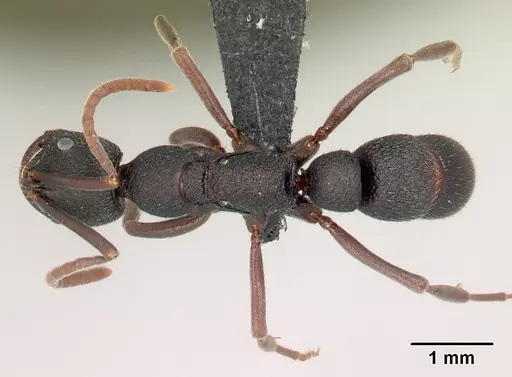
Literature
Loading distribution map...Loading products...