
Leptogenys pubiceps
- Sci. Name
- Leptogenys pubiceps
- Tribe
- Ponerini
- Subfamily
- Ponerinae
- Author
- Emery, 1890
- Distribution
- Found in 14 countries
Introduction
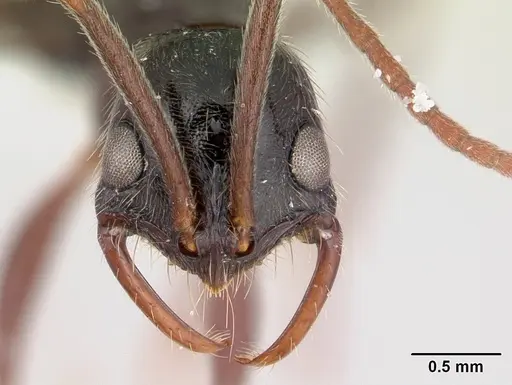
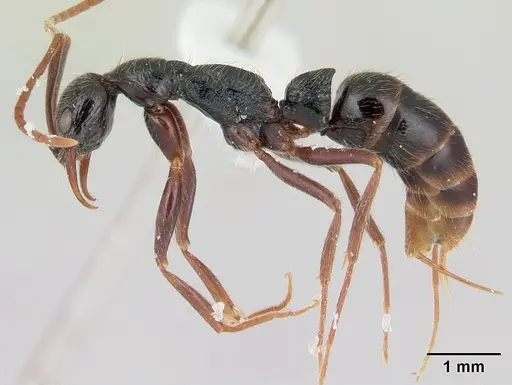
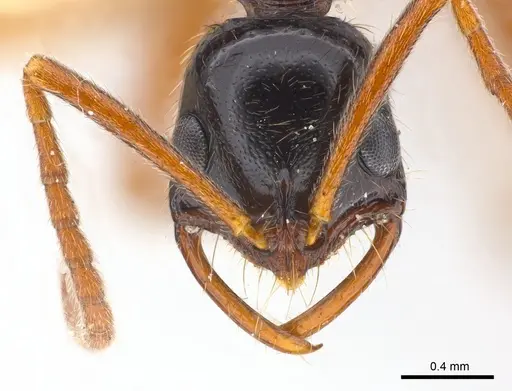
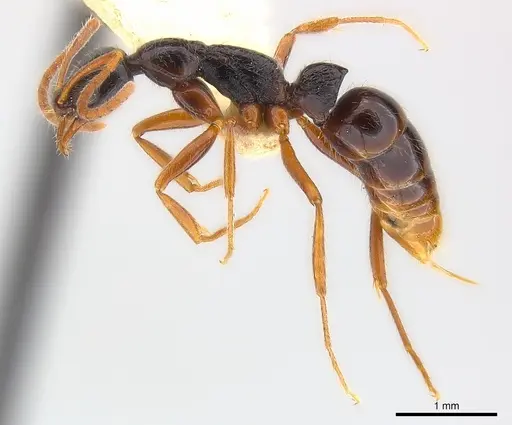
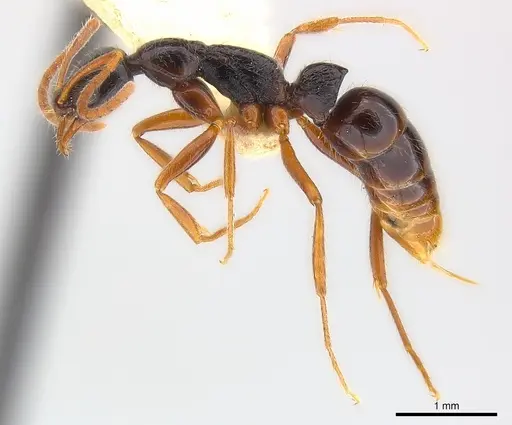
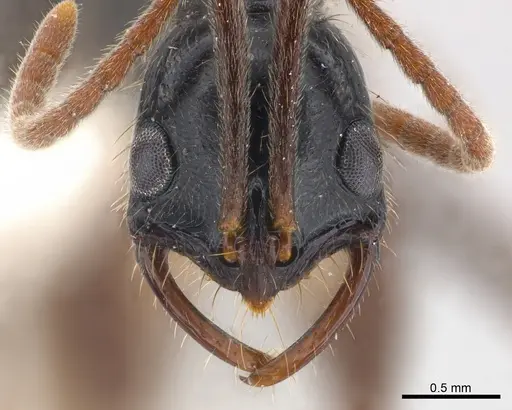
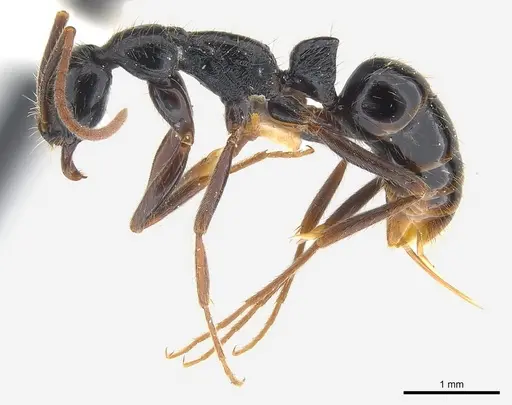
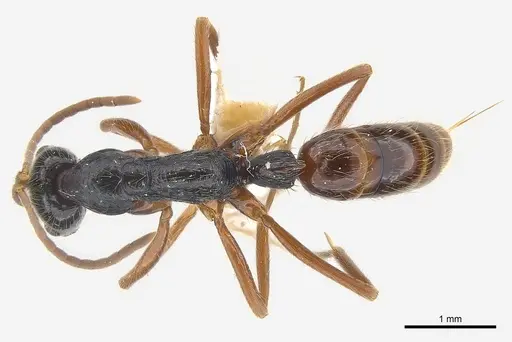
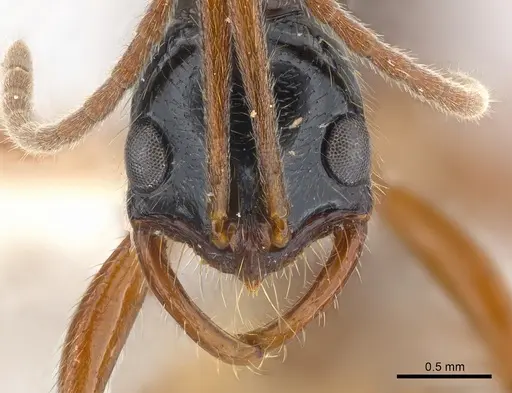
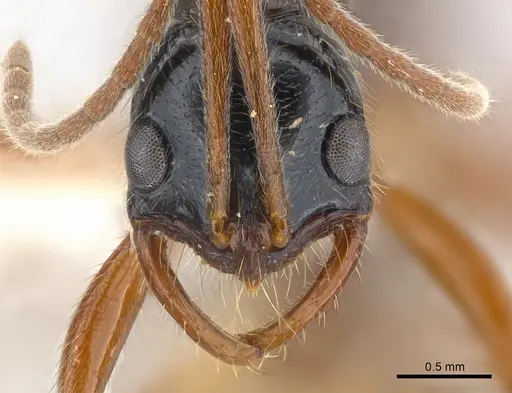
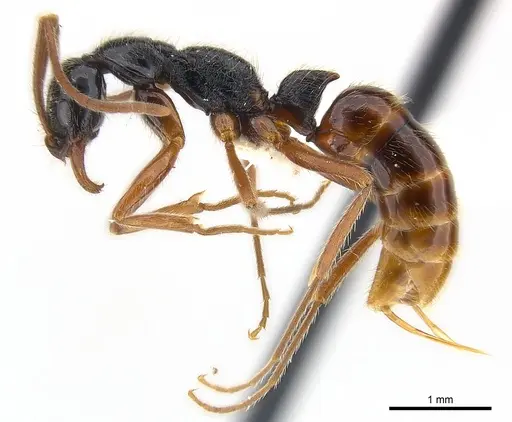
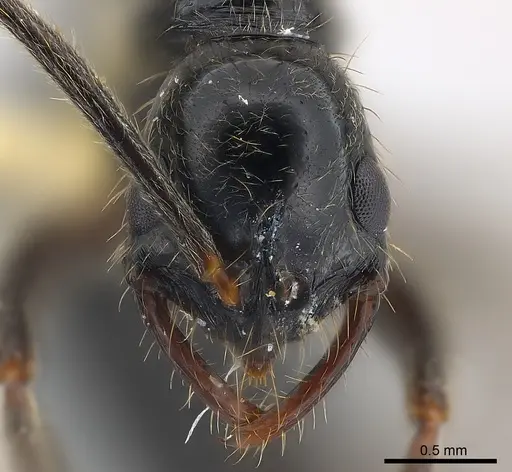
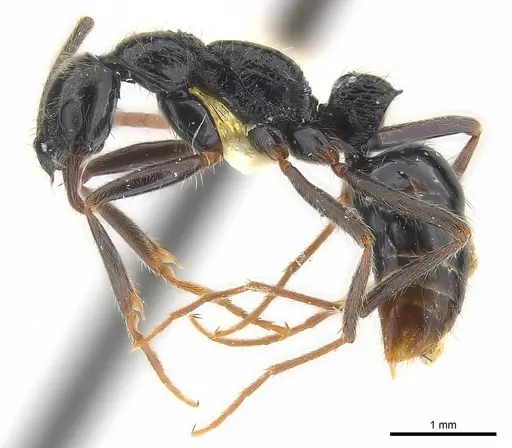
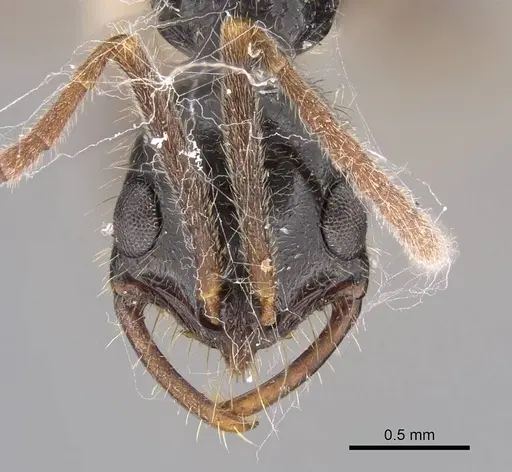
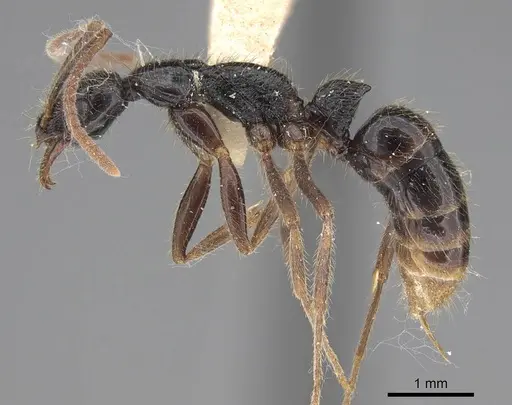
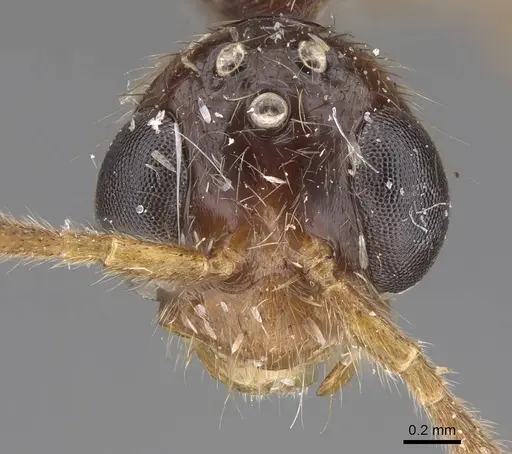
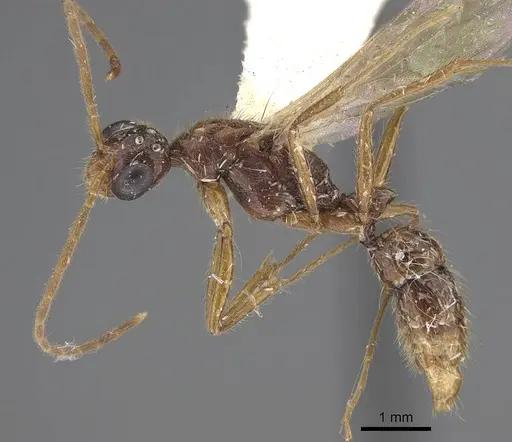
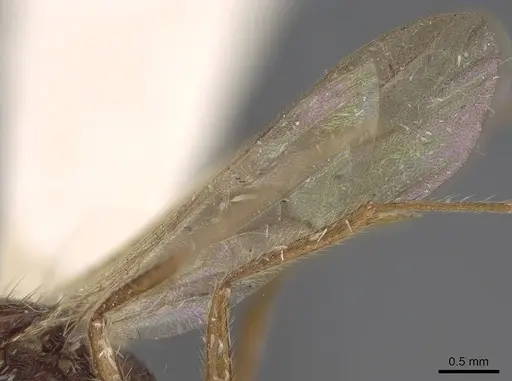
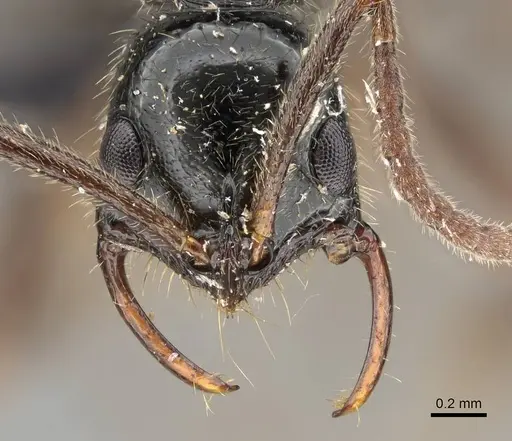
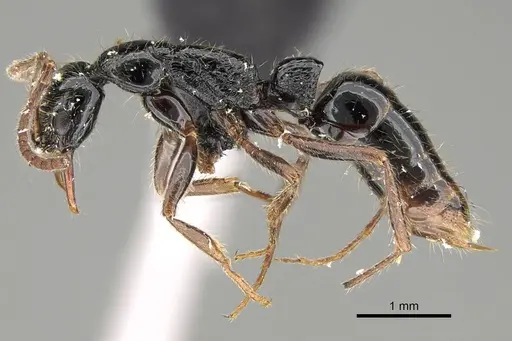
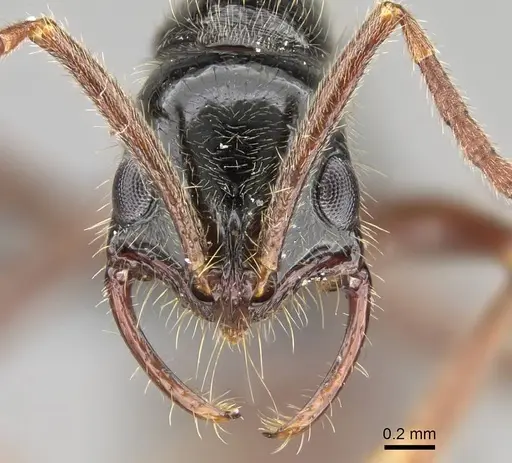
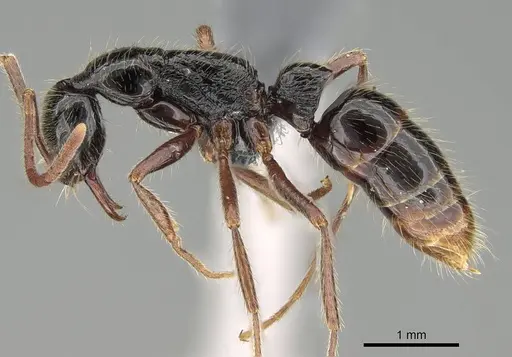
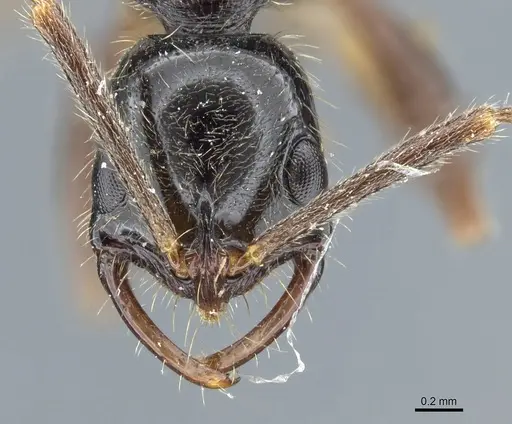
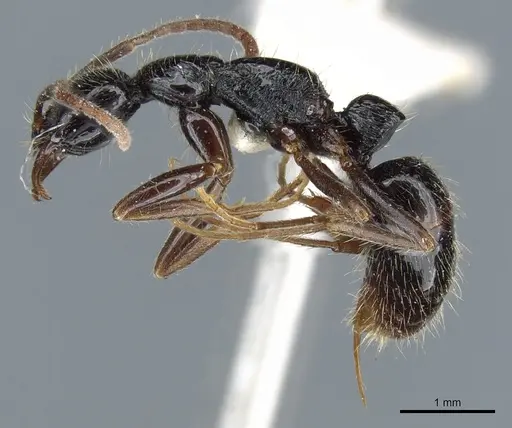
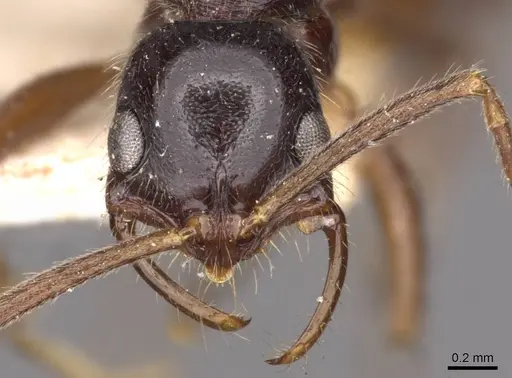
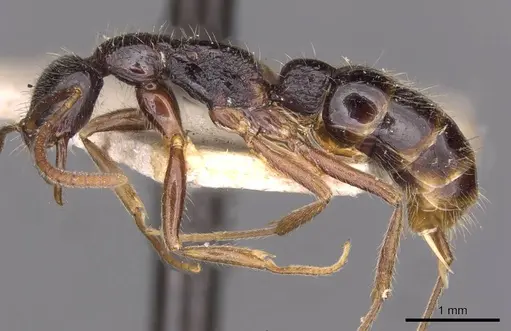
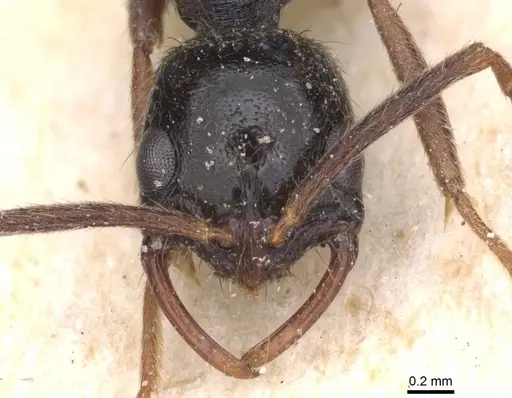
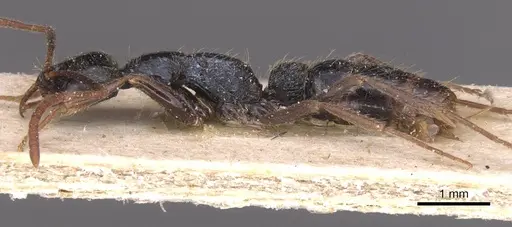
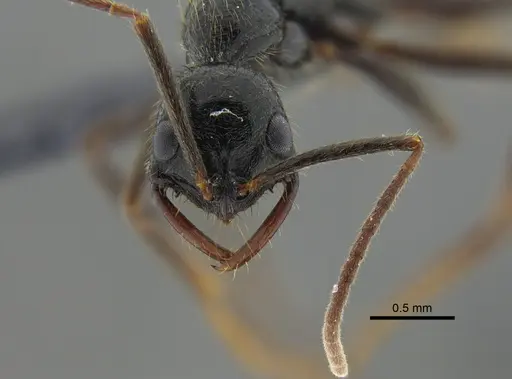
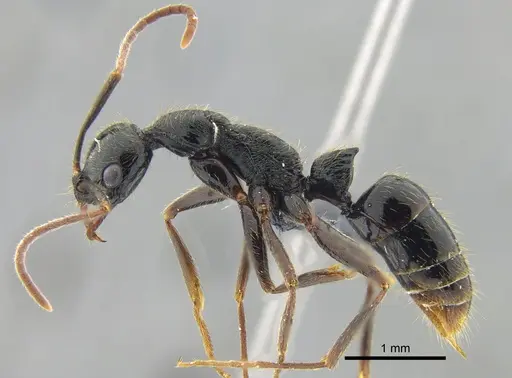
Leptogenys pubiceps is a slender predatory ant from the Ponerinae subfamily. Workers measure 5.5–6.2 mm and have a shiny black body with brown to dark brown legs and antennae . Their large, convex eyes take up over a quarter of the head's side, and the petiolar node has a blunt projection that can look like a crest or a tooth . This ant is actually a complex of closely related forms spread across the Caribbean Basin, from Costa Rica and Nicaragua down through Colombia and Venezuela, and across most Caribbean islands . They live in a wide range of habitats, from dry forests to humid cloud forests and even coffee plantations, nesting under rotten logs or in leaf litter . Queens have never been described scientifically, but observations of all-male flights suggest that queens are wingless (ergatoid) or that the colony uses egg-laying workers (gamergates) .
Quick Summary
- Difficulty: Expert
- Origin & Habitat: Caribbean Basin: from Costa Rica and Nicaragua through northern Colombia and Venezuela, including Trinidad and Tobago and many Caribbean islands. Found in dry forests, humid lowland and montane forests, and coffee plantations. Nests under rotten logs and in leaf litter [4][5][6][3].
- Colony Type: Unknown – queens have never been described. Males have been seen in all-male nuptial flights, hinting at ergatoid queens or gamergates [7]. Given the species' range and complex variation, colony structure likely varies between populations.
- Size & Growth:
- Queen: Unknown – queen not described, inferred from worker size and related Leptogenys, ergatoid queens may be ~6 mm [7][3]
- Worker: 5.5–6.2 mm [1][2]
- Colony: Unknown – related Leptogenys species can reach several hundred workers, but no data exists for this species
- Growth: Unknown
- Development: Unknown – no direct data, estimate 2–4 months based on related Leptogenys species in tropical conditions (No scientific data on development timeline is available. Use related species as a rough guide.)
- Antkeeping:
- Temperature: Keep at 24–28 °C. Use a heating cable on one side of the nest to create a temperature gradient. If workers cluster away from heat, reduce heat, if they seem sluggish, increase slightly. This tropical species does not tolerate cool temperatures.
- Humidity: Provide a humidity gradient – keep one part of the nest consistently moist (like damp leaf litter) and another part drier. The substrate should never be waterlogged. A water tube helps maintain drinking access.
- Diapause: No – tropical Caribbean species does not need hibernation. Maintain stable temperatures year-round.
- Nesting: Nest in narrow, dark chambers. Y-tong (AAC), plaster, or naturalistic soil nests work well. Cover the nest to block light – these ants are skittish and flee when exposed.
- Behavior: These ants are extremely skittish – when disturbed, they sprint away and hide rather than stand their ground. They possess a stinger (subfamily Ponerinae) but rarely use it on humans, flight is their primary defense. Workers move fast, so excellent escape prevention is essential. They likely use chemical trails for foraging.
- Common Issues: queen unavailability – queens are rarely found and poorly understood, making colony founding nearly impossible for hobbyists., stress sensitivity – exposure to light, vibration, or frequent disturbance can cause colony collapse, observe only when necessary., escape risk – despite moderate size, their speed and skittish nature mean tiny gaps will be exploited., no scientific data – every aspect of care must be guessed from related species, requiring patience and careful experimentation., humidity management – too dry or too wet will kill a colony, and the ideal balance is not yet known.
Status and Identification
Leptogenys pubiceps is not a single clean species – it's a complex of closely related forms. Lattke (2011) showed that the complex includes several named varieties: L. columbica, L. cubaensis, L. mucronata, and L. vincentensis. These forms vary in body size, head shape, mandible thickness, color, and the shape of the petiolar node (some have a crest, others a blunt tooth) [4]. This extreme variability likely reflects the complicated geologic history of the Caribbean. For keepers, it means that ants labeled as L. pubiceps from different islands or mainland regions may look somewhat different, but they all belong to the same complex and probably share similar care needs.
Distribution and Habitat
This complex is restricted to the Caribbean Basin. It occurs from Costa Rica and Nicaragua through Panama, northern Colombia, and Venezuela, plus across the Greater and Lesser Antilles (Cuba, Puerto Rico, Hispaniola, Grenada, St. Vincent, etc.) [4][5][6][8][9]. They have been collected in many different habitats: dry forests, humid lowland and cloud forests, montane areas, and human-modified sites like coffee plantations [3]. Nests are found under rotten logs, in leaf litter, or in the ground under debris [6][10]. On Hispaniola, a nest was found 'in the ground, beneath debris, in an unused tobacco shed' [6].
Behavior and Ecology
The most notable behavior of this ant is its escape response – when the nest is disturbed, workers immediately bolt and hide among leaf litter rather than attacking [3]. They are predatory, hunting small invertebrates like springtails, mites, and other micro-arthropods. All-male nuptial flights have been observed, suggesting that queens are ergatoid (wingless) or that colonies use gamergates (egg-laying workers) [7]. The lack of winged queens is unusual and makes each colony's reproductive biology a mystery. These ants are fast runners and are highly sensitive to light and vibration.
Captive Care Essentials
Because queens are never seen, you cannot start a colony from a captured queen. The only way to get ants is to collect a colony fragment from the wild. House them in a dark, naturalistic setup with narrow chambers – a Y-tong (AAC) or plaster nest with moist substrate works well. Keep the nest humid (damp but not soaked) and provide a water tube. Maintain a temperature gradient of 24–28 °C using a heating cable on one side of the nest – never heat from below as it dries out the substrate. Feed small live prey (fruit flies, pinhead crickets, mealworms) 2–3 times a week. They may also take sugar water occasionally. Because these ants are so skittish, disturb the setup as little as possible – use a red light or simply check water levels without opening the outworld. Excellent escape prevention is mandatory: seal all gaps with fluon or PTFE tape.
Challenges and Why This Species Is Expert Only
Keeping Leptogenys pubiceps in captivity is extremely difficult. First, you cannot reliably start a colony because queens are undescribed and rarely found. Second, there is virtually no scientific data on their development, colony size, or life cycle – every keeper must experiment from scratch. Third, these ants are so stress-sensitive that even regular observation can kill them. Finally, their escape speed and hiding behavior mean a single mistake can lead to lost ants. Unless you are an experienced keeper willing to run a one-time experiment, it's best to admire this ant from a distance.
Frequently Asked Questions
Can I keep Leptogenys pubiceps in a test tube?
A test tube setup can work for small colony fragments, but these ants prefer the dark, tight spaces of a naturalistic setup. Keep the tube humid and dark, and transfer to a more natural formicarium as the group grows.
How do I start a Leptogenys pubiceps colony?
This is the biggest challenge – queens have never been described. You would need to collect wild workers and hope to maintain a queenless group, or find someone who has a captive colony. There is no documented method for founding new colonies.
How long does it take for Leptogenys pubiceps to develop from egg to worker?
This is completely unknown – no scientific data exists. Related Leptogenys species in the tropics take roughly 2–4 months, but this is only a guess.
What temperature do Leptogenys pubiceps need?
Keep them warm at 24–28 °C. This is a tropical Caribbean species that does not tolerate cool temperatures. Use a heating cable on one side of the nest to create a gradient.
Are Leptogenys pubiceps good for beginners?
No. This species is rated Expert difficulty because queens are undescribed (making colony founding nearly impossible), no care data exists, and the ants are highly stress-sensitive and skittish.
Do Leptogenys pubiceps need hibernation?
No – as a tropical Caribbean species, they do not require winter cooling. Maintain consistent warm temperatures year-round.
What do Leptogenys pubiceps eat?
They are predatory. Offer small live prey such as fruit flies, pinhead crickets, and mealworms 2–3 times a week. They may also accept sugar water, but protein is most important.
Why are my Leptogenys pubiceps dying?
Without specific data, common causes include stress from light/vibration, incorrect humidity (too dry or wet), temperatures out of the 24–28 °C range, or too little food. These ants are very sensitive – even routine checks can cause problems.
Can I keep multiple queens together?
Unknown – queens have never been described for this species. Their colony structure (monogyne vs polygyne) is not known. Do not attempt to combine unrelated groups.
How big do Leptogenys pubiceps colonies get?
Unknown – no colony size data exists in scientific literature. Related Leptogenys species may have several hundred workers, but this is speculation.
Where is Leptogenys pubiceps found in the wild?
They are found throughout the Caribbean Basin from Costa Rica and Nicaragua, through Panama, Colombia, Venezuela, to Trinidad and Tobago, and across many Caribbean islands (Cuba, Puerto Rico, Hispaniola, Grenada, St. Vincent). They live in forests from dry to humid, including coffee plantations, nesting under logs and in leaf litter [4][5].
Report an Issue
The current care sheet is based fully on literature. See inconsistencies, or something that's incorrect? Please , it will be resolved after review from an admin. Contributing to the blogs tab also helps providing information, to make us be able to further improve the caresheets. Thank you for your support!
References

This caresheet is licensed under CC BY-SA 4.0 .
Community Blogs
CASENT0178777
View on AntWeb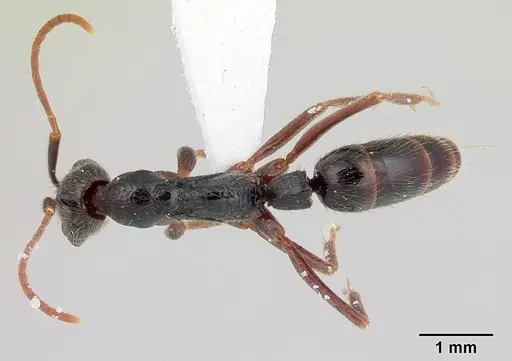
CASENT0217025
View on AntWeb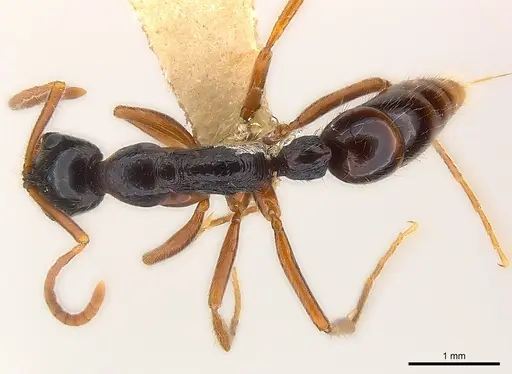
CASENT0217026
View on AntWeb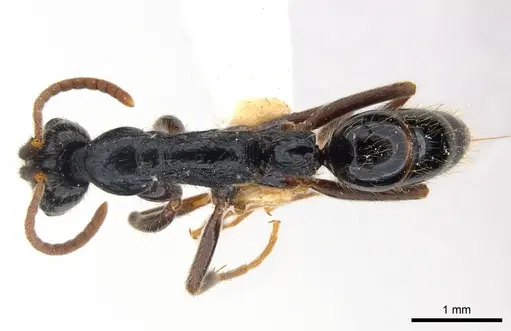
CASENT0217027
View on AntWeb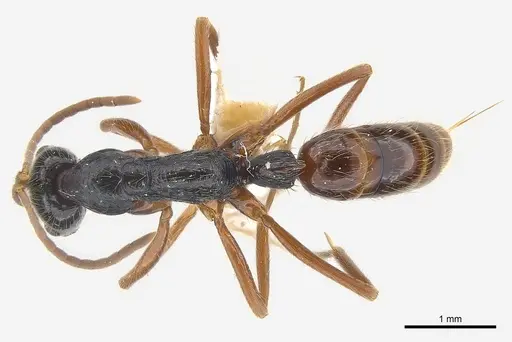
CASENT0217028
View on AntWeb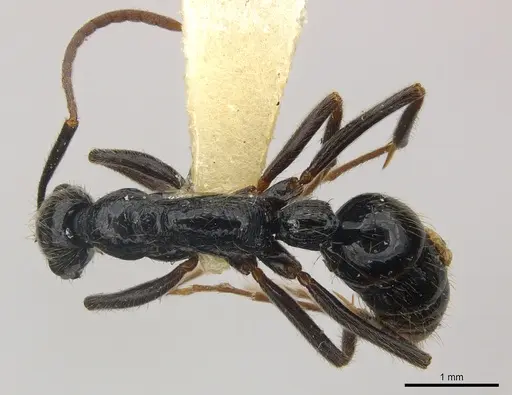
CASENT0248759
View on AntWeb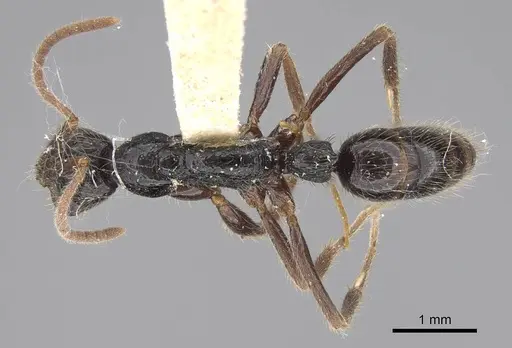
CASENT0248760
View on AntWeb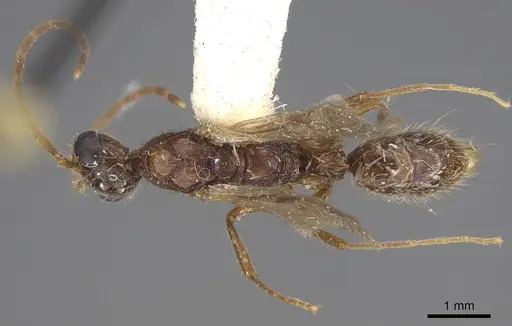
CASENT0318516
View on AntWeb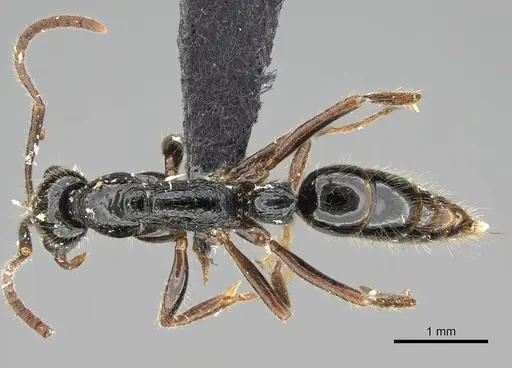
CASENT0729638
View on AntWeb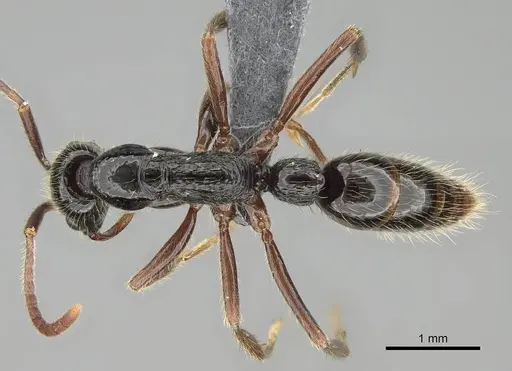
CASENT0903969
View on AntWeb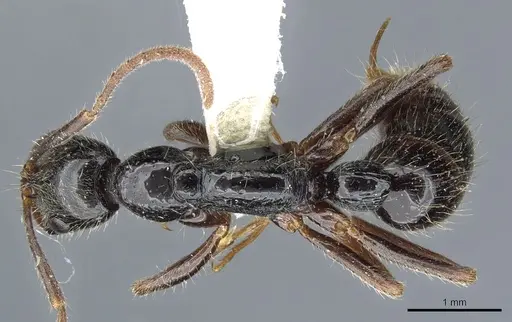
CASENT0907347
View on AntWeb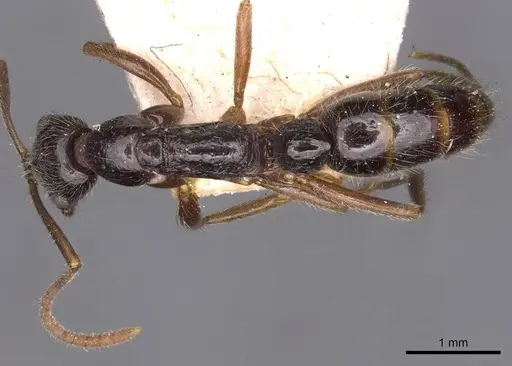
CASENT0915237
View on AntWeb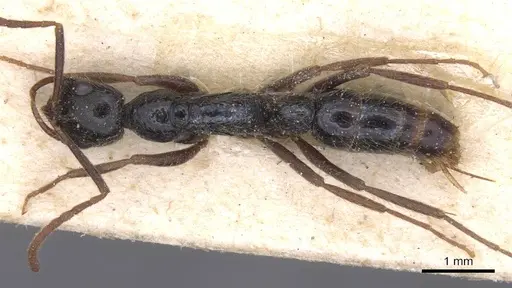
CBUMAGENT41675
View on AntWeb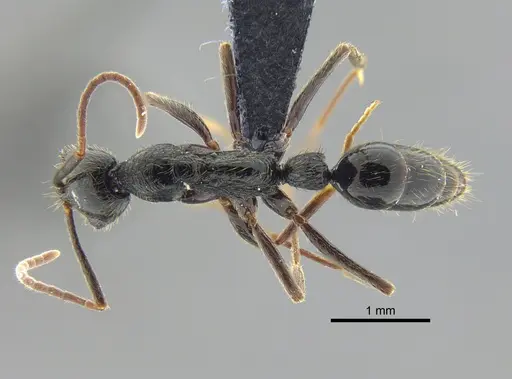
Literature
Loading distribution map...Loading products...