
Leptogenys peninsularis
- Sci. Name
- Leptogenys peninsularis
- Tribe
- Ponerini
- Subfamily
- Ponerinae
- Author
- Mann, 1926
- Distribution
- Found in 1 countries
Introduction
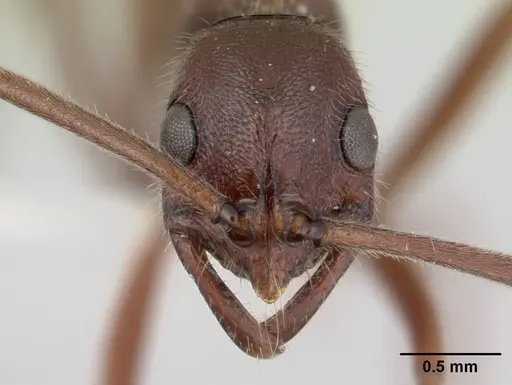
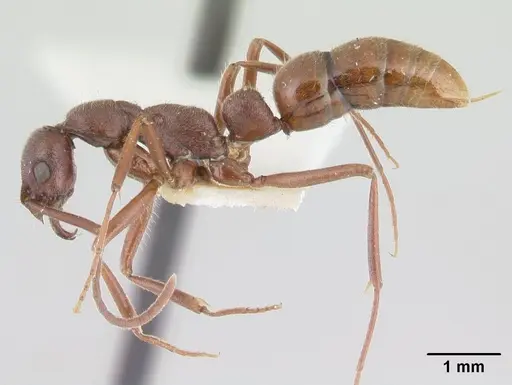
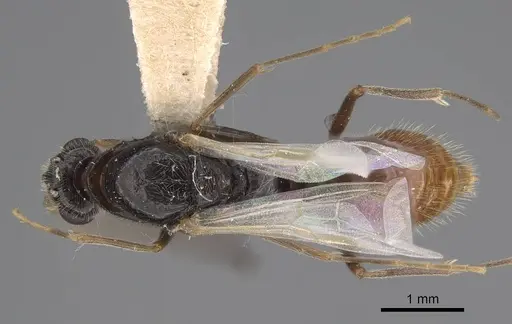
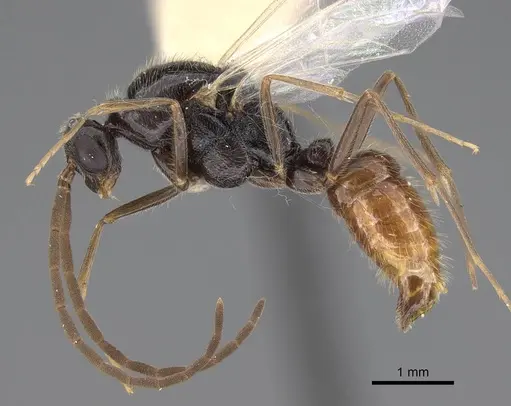
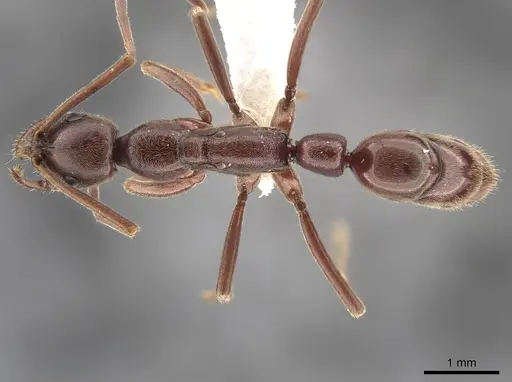
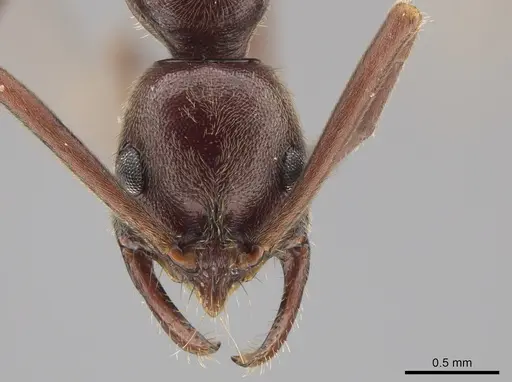
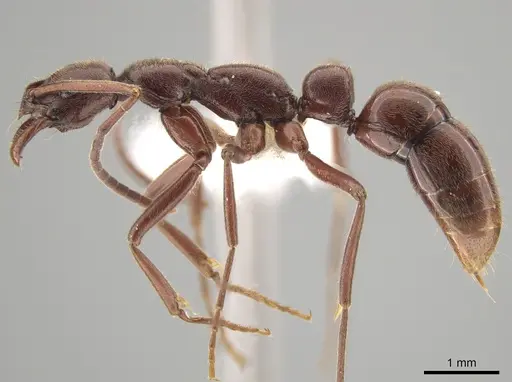
Leptogenys peninsularis is a small predatory ant endemic to Mexico's Baja Peninsula. Workers are slender, ferruginous (rusty red-brown) in color, with noticeably lighter antennae, clypeus, mandibles, legs, and gastral apex. They belong to the elongata species group. Key identifying features include a narrow lateral clypeal lobe, a punctate to striate head surface, and no setae on the tibial apices . This species is notable as the only Ponerinae ant found throughout the Baja California Peninsula . They inhabit desert hillside environments with sparse vegetation like Fouquieria and Jatropha, where they nest under stones near stream valleys . The queen has never been described, so all currently available colonies are wild-caught.
Quick Summary
- Difficulty: Hard
- Origin & Habitat: Endemic to the Baja Peninsula in Mexico, specifically found in Baja California and Baja California Sur states [4][5]. Inhabits desert hillside areas with vegetation such as Fouquieria diguetti, Jatropha cinerea, and Lysiloma candida, nesting under stones near stream valleys [1].
- Colony Type: Unknown. The queen has never been described, and colony composition data is not available. Based on related Leptogenys species, they likely form small colonies with single queens, but this is unconfirmed.
- Size & Growth:
- Queen: Unknown, queen never described [1]
- Worker: Total length (TL) data unavailable, only head and body part measurements exist, not overall size. Inferred from Leptogenys genus, workers likely around 5-8 mm, but unconfirmed.
- Colony: Unknown, no colony size data available
- Growth: Unknown
- Development: Unknown, no direct studies exist for this species (Based on related Ponerinae, expect 2-4 months at warm temperatures (~24°C), but this is speculative.)
- Antkeeping:
- Temperature: Keep at 20-24°C. As a desert species, avoid temperatures above 30°C. Provide a temperature gradient [4].
- Humidity: Desert species that nests under stones near streams. Provide a humidity gradient: nest substrate moderately moist (not wet), outworld dry. Avoid constant dampness [1].
- Diapause: Unknown. Baja California has mild winters, this species may not require strict hibernation. A slight cooling to 15-18°C for 2-3 months may be provided if desired, but not confirmed necessary.
- Nesting: In nature, they nest under stones on desert hillsides near water sources [1][6]. Use a test tube with water reservoir for founding, then plaster or Y-tong nests with moderate moisture. Avoid acrylic nests.
- Behavior: As a Ponerinae species, Leptogenys peninsularis possesses a functional stinger (subfamily trait). Workers are slender and fast-moving, likely foraging individually or in small groups. They probably form small colonies. Sting potency unknown, but likely mild to humans. Not known for aggressive behavior. Standard escape prevention for small ants.
- Common Issues: queen unavailable, the queen has never been described, so colonies must be wild-caught, which is difficult and ethically questionable, unknown colony structure, risks of mixing queens or colonies without knowing if they are monogyne or polygyne, no development data, keepers have no guidance on founding success or expected timelines, desert humidity needs, balancing moderate moisture without waterlogging can be tricky, limited published information, keeper experience is the primary source for care, making it risky for novices
Nest Preferences and Housing
In the wild, Leptogenys peninsularis nests under stones on desert hillsides near water sources [1][6]. The type specimens were collected from beneath stones by a stream at Comondu, Baja California Sur [1]. For captive care, start with a test tube setup (standard test tube with water reservoir and cotton plug) for founding colonies. For established colonies, use plaster or Y-tong nests with moderate moisture. These ants prefer tight, enclosed spaces. Avoid acrylic nests. Provide a dry outworld with a humid nest section.
Feeding and Diet
Leptogenys peninsularis is a predatory species, typical of Ponerinae. In the wild, they likely hunt small invertebrates such as springtails, mites, and other micro-arthropods [1]. In captivity, offer live springtails, fruit flies, pinhead crickets, and small mealworms. Feed protein prey 2-3 times per week, remove leftovers after 24 hours. They may accept sugar water occasionally, but protein should be primary. Provide a shallow water source in the outworld. No specific dietary studies exist for this species.
Temperature and Seasonal Care
This species is endemic to the Baja California Peninsula, which has a desert climate with mild winters and hot summers [4]. Keep at room temperature 20-24°C, avoid temperatures above 30°C. Provide a temperature gradient in the nest. Diapause requirements are unknown, if desired, a mild cooling to 15-18°C for 2-3 months may be provided, but this is not proven necessary. Monitor colony activity and adjust.
Behavior and Temperament
Leptogenys peninsularis is a Ponerinae ant with a functional stinger (subfamily trait). Workers are slender and fast-moving. They likely forage individually or in small groups. Colonies are probably small, but exact size unknown. Not known for aggressive behavior. Standard escape precautions for small ants. Observations in captivity are limited, so much remains speculative.
Colony Founding and Acquisition
The main challenge is acquiring this species. The queen has never been described [1], so no captive-bred colonies exist. All available specimens come from wild-caught colonies, making them difficult to obtain ethically. If you acquire a colony, it will likely be with a queen and workers. Founding behavior is unconfirmed, related Leptogenys are typically claustral, so the queen may seal herself in a chamber and raise first brood on stored reserves. The lack of queen description also means we cannot confirm whether ergatoid (wingless replacement) queens exist. Expect founding to take several months if it occurs.
Unique Position in Antkeeping
Leptogenys peninsularis is the only Ponerinae species endemic to the Baja California Peninsula [2][3]. It shares the elongata species group and desert habitat preference with Leptogenys sonora [1]. Due to the lack of basic biological data (queen unknown, colony size, development time), this species is best suited for experienced antkeepers who are willing to contribute observations and operate with limited guidance.
Frequently Asked Questions
Can I keep Leptogenys peninsularis in a test tube?
Yes, test tubes work well for this species, especially for founding colonies. Use a standard test tube with a water reservoir and cotton plug, providing a dark, humid chamber. Keep the substrate moderately moist but not wet.
How long does it take for Leptogenys peninsularis to produce first workers?
The exact development time is unknown, no studies have documented their egg-to-worker timeline. Based on related Leptogenys species and typical Ponerinae development, expect 2-4 months from egg to first worker at warm temperatures (around 24°C), but this is speculative.
What do Leptogenys peninsularis ants eat?
They are predatory ants that hunt small invertebrates. Offer live springtails, fruit flies, pinhead crickets, and small mealworms. Protein should be their primary food source, they may occasionally accept sugar water.
Are Leptogenys peninsularis good for beginners?
No, this species is not recommended for beginners. The queen has never been described, so there are no captive-bred colonies available. Additionally, very little specific care information is published, making successful keeping challenging even for experienced keepers.
What temperature do Leptogenys peninsularis need?
Keep them at room temperature around 20-24°C. As a desert species from Baja California, they tolerate warmth but avoid temperatures above 30°C. A temperature gradient in the nest allows self-regulation.
Do Leptogenys peninsularis need hibernation?
Possibly not. Baja California has mild winters, so this species may not require strict hibernation. If desired, a mild cooling to 15-18°C for 2-3 months can be provided, but this is not confirmed necessary.
How big do Leptogenys peninsularis colonies get?
Colony size is unknown, no data exists on maximum colony size for this species. Based on related Leptogenys species, colonies likely remain relatively small, possibly reaching a few hundred workers at most.
Where is Leptogenys peninsularis found?
They are endemic to Mexico's Baja Peninsula, specifically found in Baja California and Baja California Sur states. They inhabit desert hillside areas with sparse vegetation.
Can I keep multiple Leptogenys peninsularis queens together?
Unknown, the colony structure (monogyne vs polygyne) has not been studied. Without knowing their natural colony structure, combining unrelated queens is not recommended.
Why are my Leptogenys peninsularis dying?
Common causes include: overhumidity (they are desert species), poor prey acceptance (ensure live prey is offered), temperature stress (avoid temperatures above 30°C), and stress from wild-caught origin. Also ensure they have access to clean water.
Is Leptogenys peninsularis invasive anywhere?
No, this species is endemic to Mexico's Baja Peninsula and has not been documented as invasive anywhere. It is only found in its native range of Baja California and Baja California Sur.
Report an Issue
The current care sheet is based fully on literature. See inconsistencies, or something that's incorrect? Please , it will be resolved after review from an admin. Contributing to the blogs tab also helps providing information, to make us be able to further improve the caresheets. Thank you for your support!
References

This caresheet is licensed under CC BY-SA 4.0 .
Community Blogs

Literature
Loading distribution map...Loading products...