
Leptogenys neutralis
- Sci. Name
- Leptogenys neutralis
- Tribe
- Ponerini
- Subfamily
- Ponerinae
- Author
- Forel, 1907
- Distribution
- Found in 1 countries
Introduction
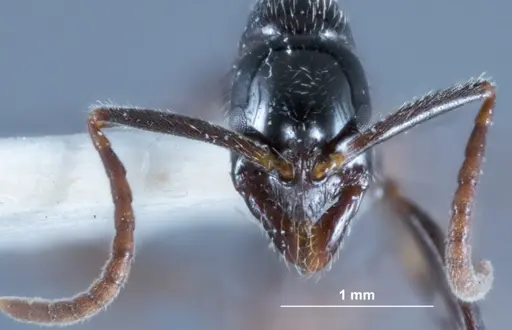
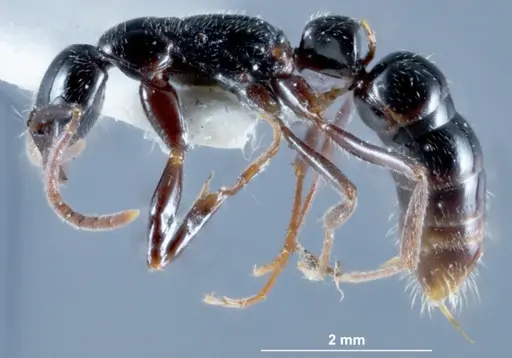
Leptogenys neutralis is a Ponerine ant native to southwestern Australia. Workers are smooth, glossy, and jet black in color with an elongated, sleek appearance typical of the genus . This species is found throughout the Darling Range near Perth, Pemberton, and Margaret River regions, where they are reasonably common in laterite soils. They are associated with relatively undisturbed forest areas and require cooler, moister conditions characteristic of well-shaded forest .
Quick Summary
- Difficulty: Medium
- Origin & Habitat: Western Australia, Darling Range, Pemberton, Margaret River region. Found in laterite soils in forested areas, typically at forest edges. Requires cooler, moister conditions characteristic of well-shaded forest [2][3].
- Colony Type: Monogyne, single queen colony. Colony founding was documented by Wheeler (1933) [1].
- Size & Growth:
- Queen: Size data unavailable, queen described by Crawley (1922) but specific measurements not provided in available literature
- Worker: Size data unavailable, worker described by Forel (1907) but specific measurements not provided in available literature
- Colony: Colony size data not specifically documented for this species
- Growth: Moderate
- Development: Development timeline not specifically documented for this species (Ponerine ants typically develop at a moderate pace)
- Antkeeping:
- Temperature: Keep around 20-24°C. This species prefers cooler conditions than many tropical ants, they naturally occur in temperate southwestern Australia and require the cooler, moister forest conditions they would find in their native habitat [3].
- Humidity: High humidity required, aim for 60-80%. Keep the nest substrate consistently moist but not waterlogged. These ants naturally nest in damp laterite soils near water, so they need a humid environment.
- Diapause: Likely yes, as a temperate species from southwestern Australia, they probably require a winter rest period. However, specific diapause requirements are not well documented in scientific literature.
- Nesting: Prefers moist soil nests. In captivity, a naturalistic setup with damp substrate or a Y-tong/plaster nest works well. They nest under logs and in soil in the wild, so provide dark, humid chambers. Avoid dry, airy setups.
- Behavior: Very active ants with an elongated, sleek appearance. As Ponerine ants, they are predators by nature, actively hunting for small invertebrates. They have a functional sting for defense. Escape prevention should be good, while not tiny, they are active and may attempt to explore.
- Common Issues: high humidity needs mean mold can be a problem if ventilation is poor, they prefer cooler conditions, overheating can stress or kill colonies, as predators, they need a constant supply of live prey, sugar alone won't sustain them, wild-caught colonies may be stressed from collection and may have parasites, their preference for undisturbed forest means they can be sensitive to vibration and disturbance
Nest Preferences and Housing
Leptogenys neutralis naturally nests in moist laterite soils and under logs in forested areas. They prefer damp, shaded microhabitats with stable conditions, think cool forest floor rather than sunny, dry areas. In captivity, a naturalistic setup with a moist soil mixture works well. You can use a Y-tong nest with plaster or a dirt-based formicarium, but the key is keeping the substrate consistently damp. Avoid setups that dry out quickly. Provide a dark nesting area, these ants prefer dark, enclosed chambers. The outworld should have some open space for hunting and foraging. Since they come from forest edges near water, they appreciate a water gradient or damp area in their enclosure. [2][3]
Feeding and Diet
Like other Ponerine ants, Leptogenys neutralis is predatory and needs a protein-rich diet to thrive. Feed them small live prey such as fruit flies, pinhead crickets, small worms, and other tiny invertebrates. They are active hunters and will chase down moving prey. You can also offer protein foods like boiled chicken or fish, but live prey is ideal for stimulating natural hunting behavior. Sugar water or honey can be offered occasionally, but protein should be the primary food source. Feed them several times a week, adjusting based on colony size and consumption. Remove uneaten prey after 24 hours to prevent mold.
Temperature and Seasonal Care
This species prefers cooler temperatures than many common ant pets. Keep the nest area around 20-24°C, avoiding temperatures above 28°C. They naturally occur in temperate southwestern Australia and are associated with cooler, moister forest conditions. A heating cable on one side of the nest can create a gentle gradient, but monitor carefully, overheating is a common killer of these ants. During Australian winter (roughly June-August), they likely enter a period of reduced activity. If your room temperature drops significantly in winter, consider a slight cooling period rather than active heating. They seem to tolerate cooler conditions better than heat. [3]
Behavior and Colony Dynamics
Leptogenys neutralis is described as a very active species. Workers are sleek and fast-moving, actively patrolling their territory and hunting for prey. As Ponerine ants, they have a functional sting and will use it if threatened, though they are not aggressive toward humans and typically only sting when directly handled or provoked. The colony structure appears to be single-queen (monogyne), with the founding queen sealing herself in a chamber to raise the first workers alone. Once established, colonies grow steadily with workers taking on hunting and brood care duties. They are not known for being particularly territorial or aggressive toward other ant species, but will defend against threats. [2][1]
Frequently Asked Questions
Can I keep Leptogenys neutralis in a test tube?
A test tube setup can work for founding colonies, but you'll need to monitor humidity carefully. These ants need consistently moist conditions, so a test tube with a water reservoir can work, but ensure the cotton doesn't get moldy. For established colonies, a naturalistic or Y-tong setup with better ventilation and moisture control is preferable.
How long does it take for Leptogenys neutralis to produce first workers?
The development timeline is not specifically documented for this species. Based on typical Ponerine development, expect around 6-10 weeks from egg to first worker. Monitor your colony and adjust temperature if development seems slow.
What do Leptogenys neutralis eat?
They are predators and need live protein prey. Feed small insects like fruit flies, pinhead crickets, small worms, or similar. They may accept protein jelly or boiled egg occasionally, but live prey is best. Offer protein several times per week and remove uneaten prey promptly.
Are Leptogenys neutralis ants good for beginners?
They are considered medium difficulty. Their humidity and temperature requirements are specific (cooler and more humid than many ants), and they need a constant supply of live prey. If you have experience keeping Ponerine ants or are willing to learn about their needs, they can be rewarding.
Do Leptogenys neutralis need hibernation?
They likely do. As a temperate species from southwestern Australia, they probably experience cooler winter conditions and would benefit from a reduced activity period. However, specific diapause requirements are not well documented. If your colony becomes less active in winter, reduce feeding and keep them in a cool (but not freezing) location.
How big do Leptogenys neutralis colonies get?
Colony size is not specifically documented for this species. Expect moderate growth over several years with a healthy colony.
When should I move Leptogenys neutralis to a formicarium?
Move them when the test tube or founding setup becomes crowded or the water reservoir runs out frequently. For this species, watch for the colony outgrowing their space and ensure there's enough room for the queen to lay eggs and workers to store food.
Can I keep multiple Leptogenys neutralis queens together?
This is not recommended. The species appears to be monogyne (single queen), and combining unrelated queens typically leads to fighting. If you acquire multiple foundresses, keep them separate unless you observe them founding cooperatively (pleometrosis), which is not documented for this species.
Why are my Leptogenys neutralis dying?
Common causes include: overheating (keep below 28°C), low humidity (they need moist conditions), lack of protein prey, or stress from disturbance. Check your temperature and humidity levels first. Also ensure they're not being disturbed too frequently, they prefer quiet, stable environments.
Report an Issue
The current care sheet is based fully on literature. See inconsistencies, or something that's incorrect? Please , it will be resolved after review from an admin. Contributing to the blogs tab also helps providing information, to make us be able to further improve the caresheets. Thank you for your support!
References

This caresheet is licensed under CC BY-SA 4.0 .
Community Blogs
CASENT0217532
View on AntWeb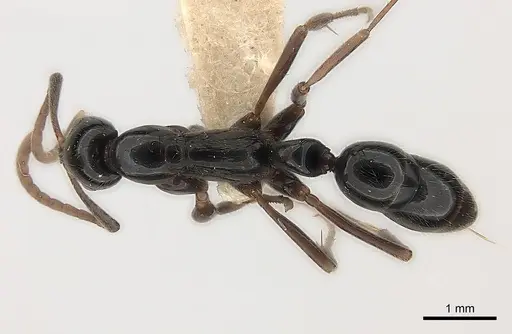
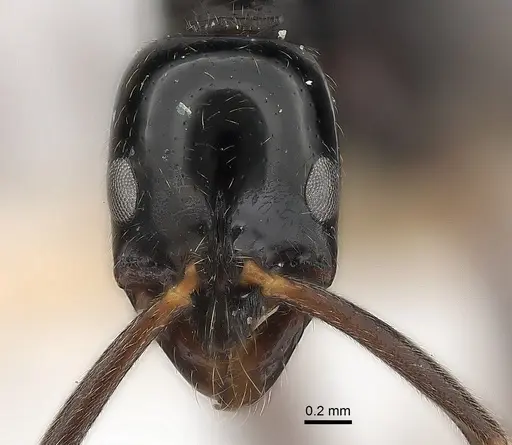
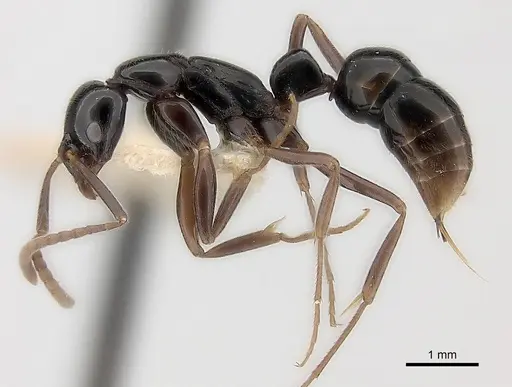
JDM32-002698
View on AntWeb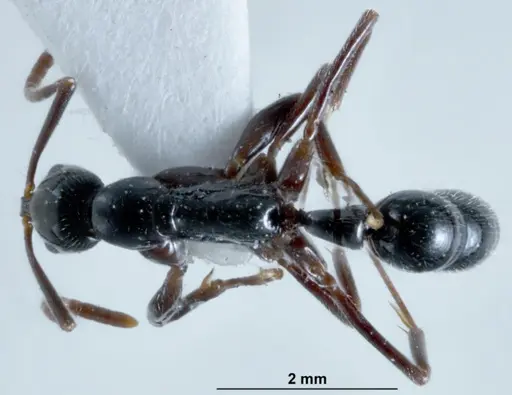
Literature
Loading distribution map...Loading products...