
Common Razorjaw Ant
Leptogenys intermedia
- Sci. Name
- Leptogenys intermedia
- Tribe
- Ponerini
- Subfamily
- Ponerinae
- Author
- Emery, 1902
- Common Name
- Common Razorjaw Ant
- Distribution
- Found in 6 countries
Introduction
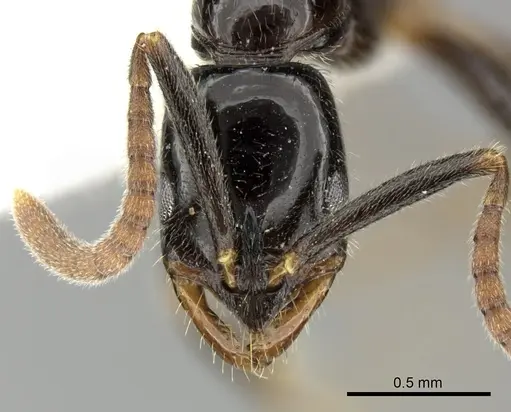
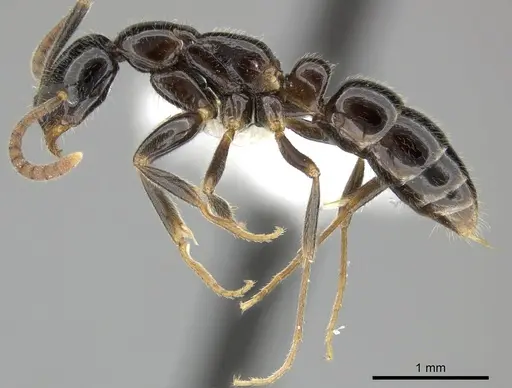
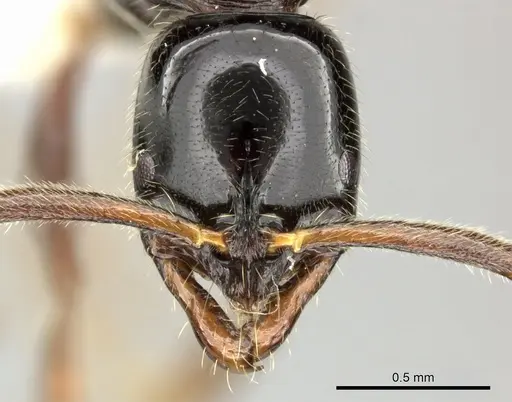
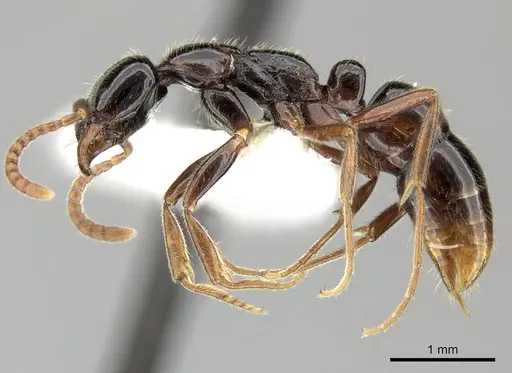
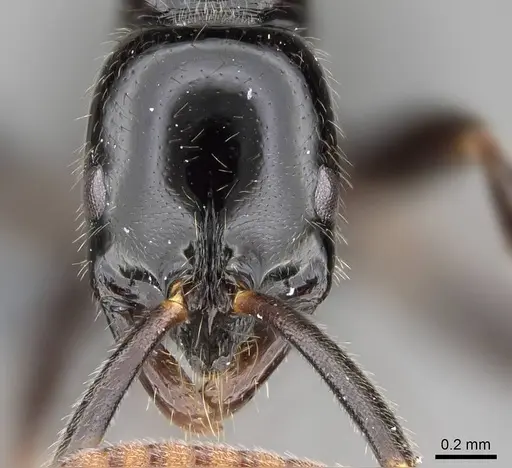
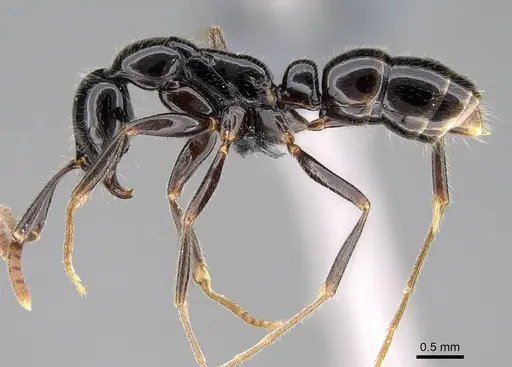
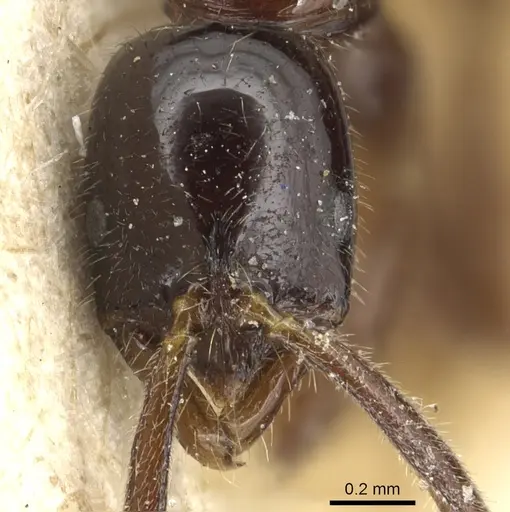
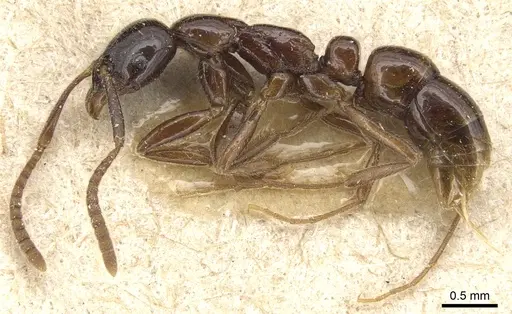
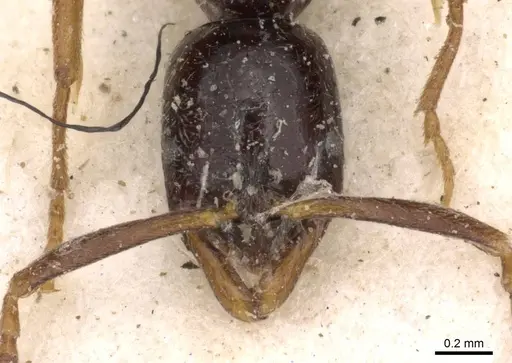
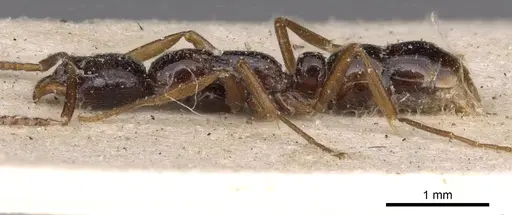
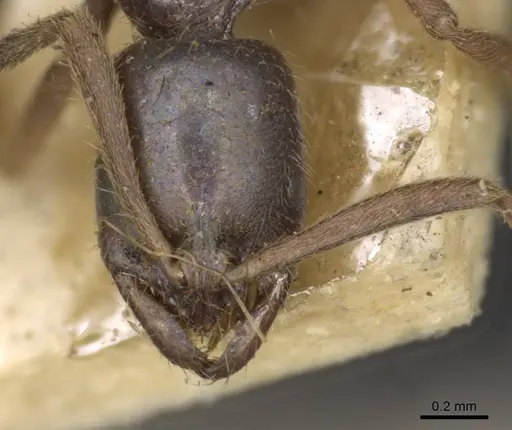
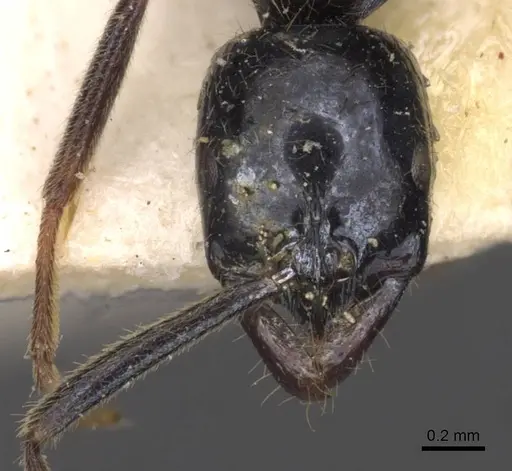
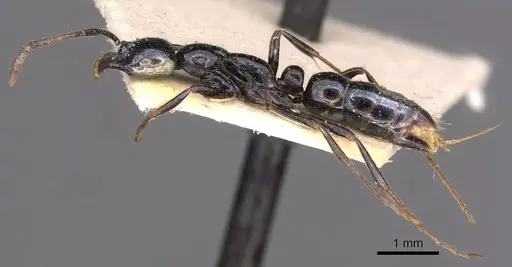
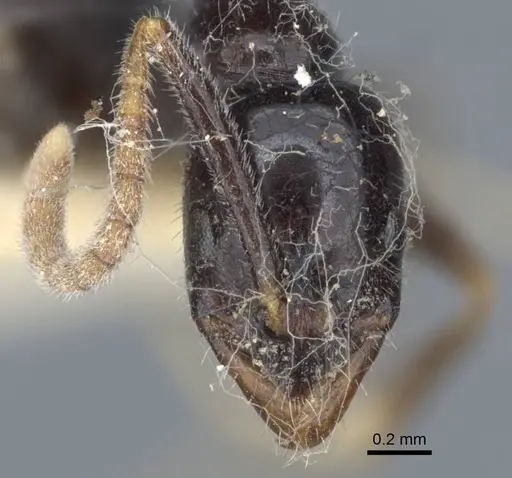
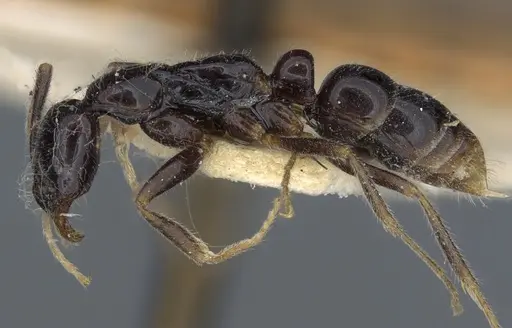
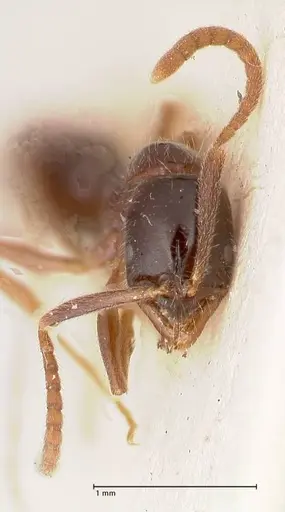
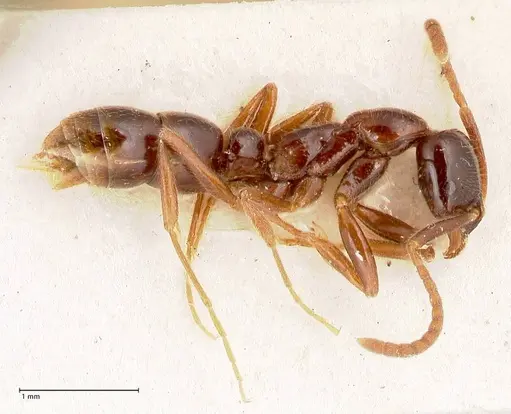
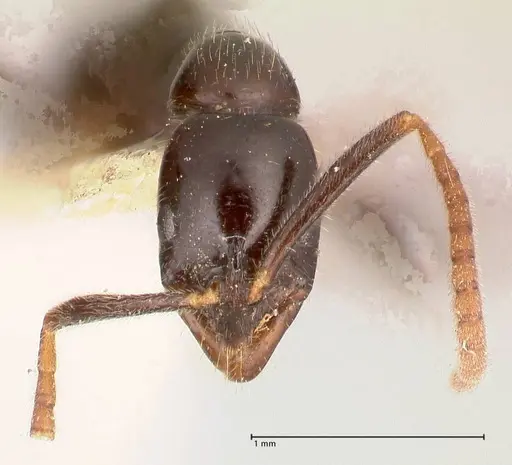
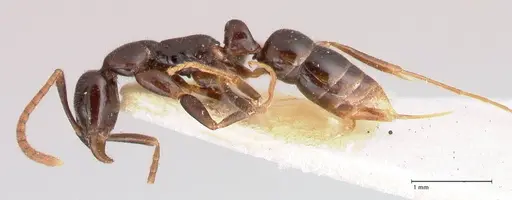
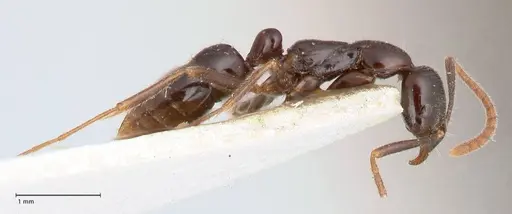
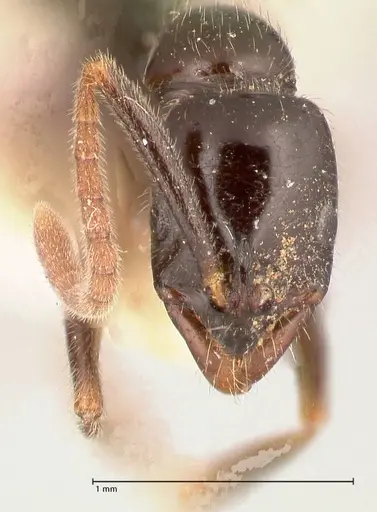
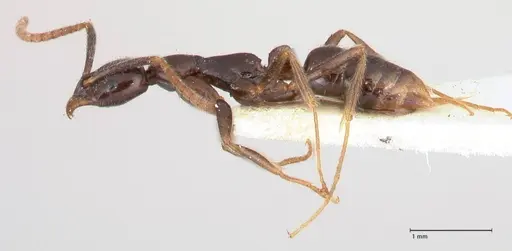
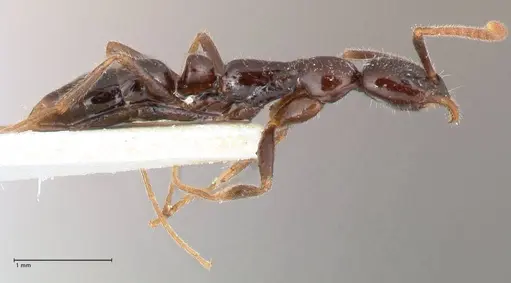
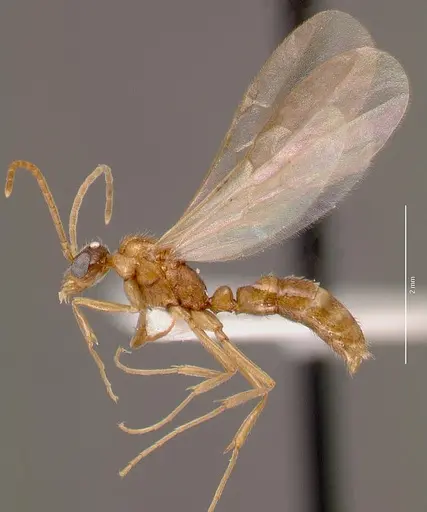
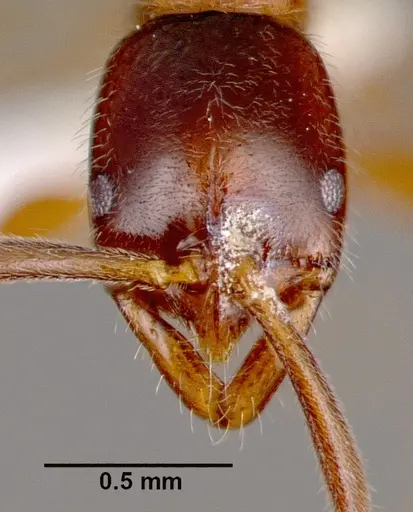
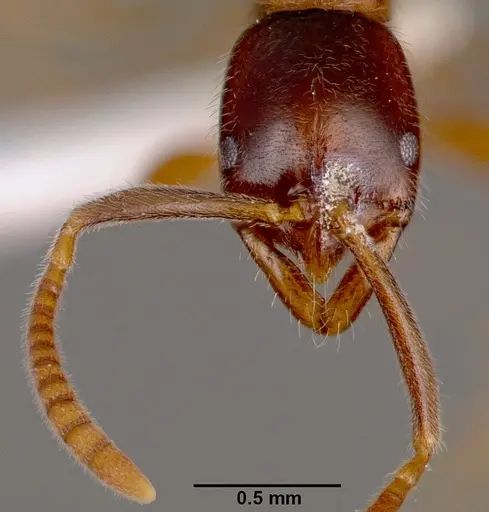
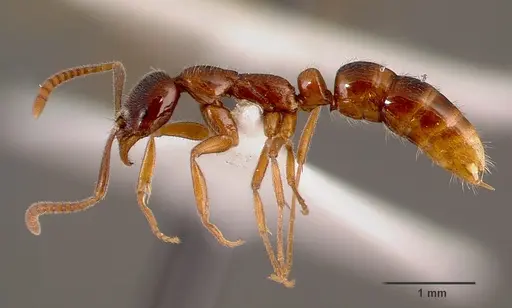
Leptogenys intermedia is a medium-sized ponerine ant native to southern and eastern Africa. Workers are slender with elongated mandibles suited for predatory hunting. They inhabit coastal forests and moist woodlands across Botswana, Democratic Republic of Congo, Eswatini, Kenya, Mozambique, South Africa, Zambia, and Zimbabwe . This species shows nomadic behavior, moving colonies periodically rather than maintaining permanent nests. Queens are wingless (ergatomorphic), and workers are obligately sterile, with all reproduction handled by the queen .
Quick Summary
- Difficulty: Medium
- Origin & Habitat: Found in the Afrotropical region, including South Africa, Mozambique, Zimbabwe, Zambia, Kenya, Botswana, Democratic Republic of Congo, and Eswatini. Inhabits coastal forest and moist woodland, nesting in soil holes [1][5][2].
- Colony Type: Single-queen colonies with ergatomorphic (wingless) queens. Workers are obligately sterile and cannot lay eggs. Colonies exhibit nomadic behavior, periodically moving nests [1][3][4].
- Size & Growth:
- Queen: Size data unavailable, no total length measurements in context. Inferred from Leptogenys genus to be approximately 7-9mm [1]
- Worker: Size data unavailable, no total length measurements in context. Inferred from Leptogenys genus to be approximately 5-7mm
- Colony: Unknown, no colony size data in context
- Growth: Moderate
- Development: Estimated 6-10 weeks at optimal temperature, based on typical Ponerinae development patterns [1] (Development time is inferred from related species, direct measurements not available for this species)
- Antkeeping:
- Temperature: Active between 20-35°C, with optimal foraging around 28°C. Keep nest area at 24-28°C for best development [6].
- Humidity: Keep nest substrate consistently moist but not waterlogged, based on their natural habitat in moist woodland [1].
- Diapause: Unknown, no specific research on diapause. Based on African distribution, likely reduced activity during cooler seasons rather than true hibernation.
- Nesting: Natural nesting in soil holes. In captivity, use Y-tong, plaster, or soil nests with moisture retention. Avoid acrylic nests [1].
- Behavior: This species is a specialized predator using group raiding strategies to capture prey. Workers are active foragers that hunt in groups. They are not aggressive toward humans but will defend the colony with a functional sting. Escape prevention is important due to their nomadic nature [4][6].
- Common Issues: colonies may attempt to escape due to nomadic behavior, ensure secure boundaries [4]., specialized diet requires regular live prey, sugar sources are rarely accepted [4]., nomadic behavior can cause stress if disturbed during nest relocation [4]., colonies can fail if humidity drops too low, they prefer moist conditions [1]., slow colony growth may frustrate beginners compared to common species.
Housing and Nest Setup
Use naturalistic setups that mimic soil-nesting habitats. A Y-tong nest with a moisture chamber works well, or use plaster or soil nests. Maintain consistent moisture, these ants come from moist woodlands and won't tolerate dry conditions. Provide a water tube or cotton wick for drinking. Since they are nomadic, ensure the outworld is secure with proper barriers to prevent escapes [1][4].
Feeding and Diet
This species requires live protein prey. Offer small live insects like fruit flies, pinhead crickets, or small mealworms. They rarely accept sugar sources. Feed prey 2-3 times per week, removing uneaten items after 24 hours to prevent mold. A constant water source is essential [4][6][2].
Temperature and Seasonal Care
Keep the nest area at 24-28°C for optimal development. They are active between 20-35°C, with peak foraging at 28°C [6]. Use a heating cable on one side to create a gradient. No true hibernation is needed, but activity may reduce in cooler room temperatures [6].
Behavior and Colony Dynamics
Colonies show nomadic behavior, periodically relocating nests [4]. Workers are obligately sterile, with all reproduction by the queen [1]. Queens are wingless, and foraging is collective using raiding strategies [3]. Colonies are peaceful, focusing on hunting rather than defense [4].
Growth and Development
Colony growth is moderate. The queen has 14-18 ovarioles per ovary, allowing continuous egg-laying [1]. First workers appear in 6-10 weeks under optimal conditions. Orphaned nests die within 3 weeks, confirming dependence on the queen [1].
Common Challenges
Challenges include specialized diet needs, nomadic escape risks, humidity requirements, and slow growth. Queen loss is fatal since workers cannot reproduce. These factors make this species better suited for intermediate keepers [1][4].
Frequently Asked Questions
Can I keep Leptogenys intermedia in a test tube?
Test tubes work for founding colonies, but move to a proper nest within a few months as the colony grows. Their nomadic nature may cause relocation attempts if conditions are suboptimal [1][4].
How long until first workers appear?
Estimated 6-10 weeks from egg to first worker at optimal temperature, based on typical Ponerinae development [1].
What do Leptogenys intermedia ants eat?
They need live protein prey like fruit flies or pinhead crickets. They rarely accept sugar sources [4][6].
Are Leptogenys intermedia good for beginners?
No, this species is better for intermediate keepers due to specialized diet, humidity needs, and nomadic behavior [1][4].
How big do colonies get?
Colony size is unknown, no data available on maximum worker count [1].
Do they need hibernation?
No specific diapause requirement. Based on African distribution, reduced activity in cooler seasons is normal [6].
Can I keep multiple queens together?
No, this is a monogyne species with a single ergatomorphic queen. Combining queens is not recommended [1].
Why is my colony dying?
Common causes include low humidity, insufficient prey, queen death, or temperatures outside 20-35°C range. Check substrate moisture and feeding [1][6].
When should I move to a formicarium?
Move when the test tube is cramped or water runs out, typically at 20-30 workers. Use Y-tong or plaster nests with moisture retention [4].
Report an Issue
The current care sheet is based fully on literature. See inconsistencies, or something that's incorrect? Please , it will be resolved after review from an admin. Contributing to the blogs tab also helps providing information, to make us be able to further improve the caresheets. Thank you for your support!
References

This caresheet is licensed under CC BY-SA 4.0 .
Community Blogs
CASENT0235910
View on AntWeb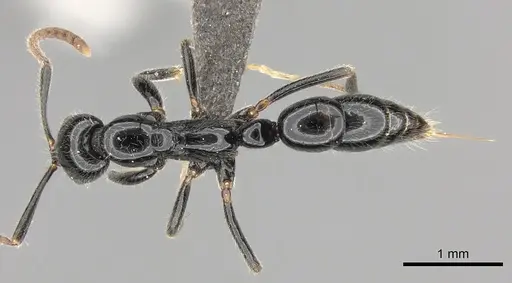
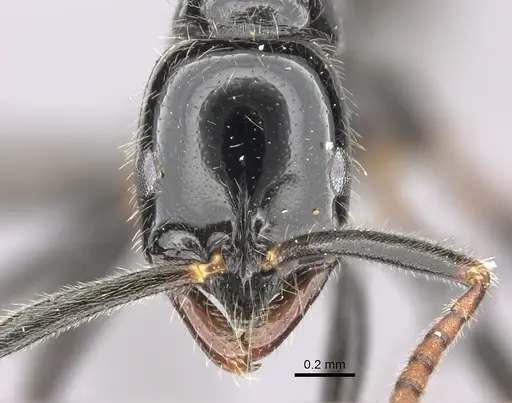
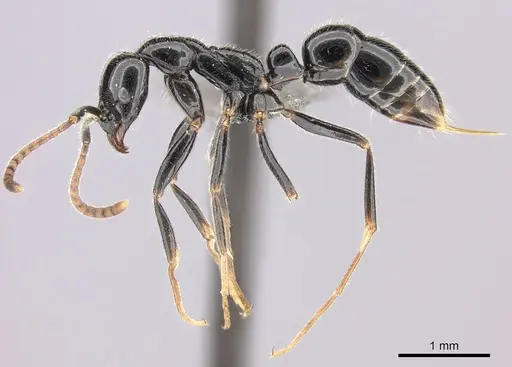
CASENT0251923
View on AntWeb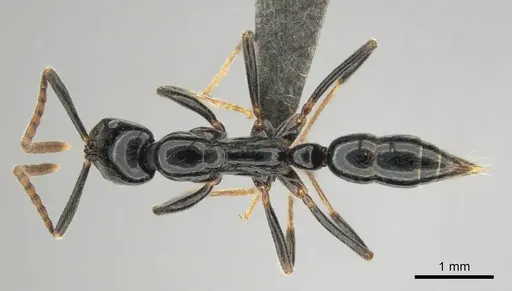
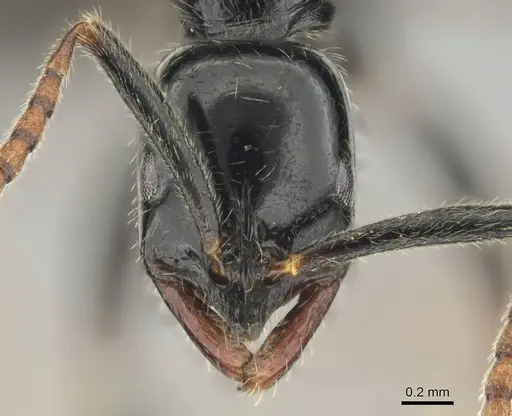
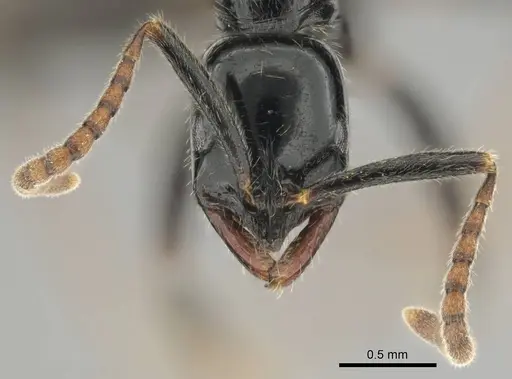
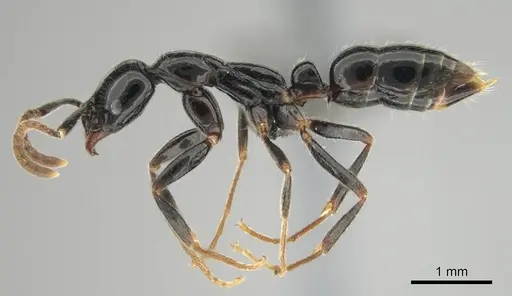
CASENT0270561
View on AntWeb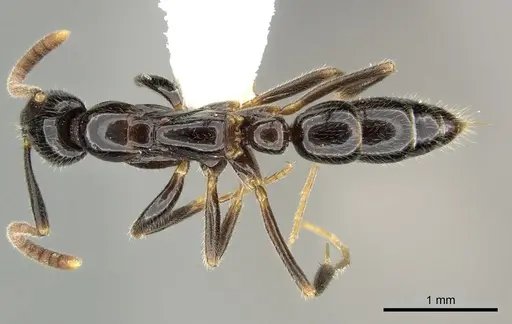
CASENT0270562
View on AntWeb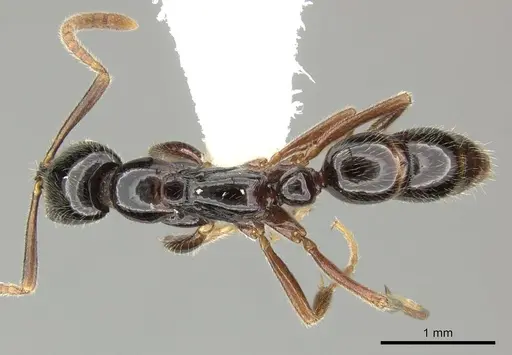
CASENT0785937
View on AntWeb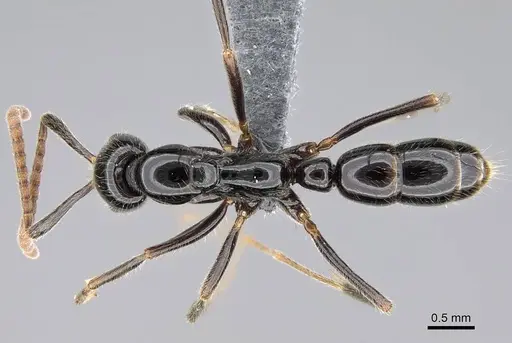
CASENT0813710
View on AntWeb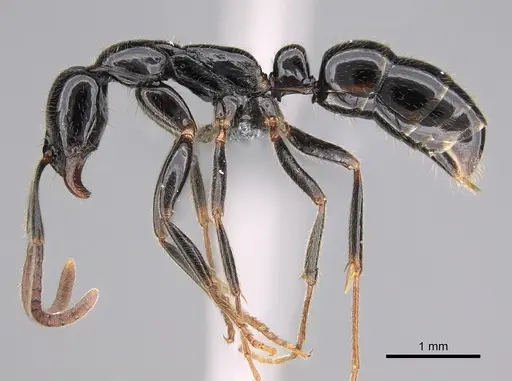
CASENT0822208
View on AntWeb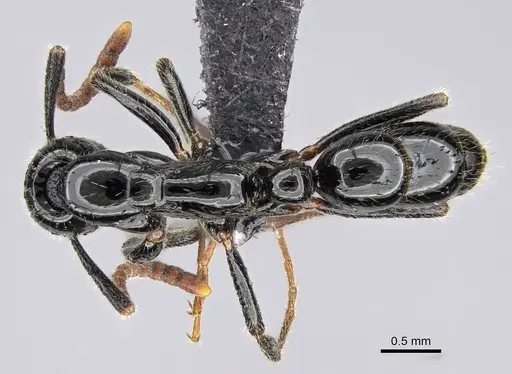
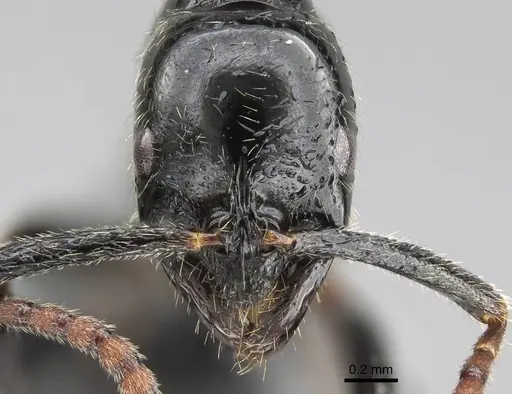
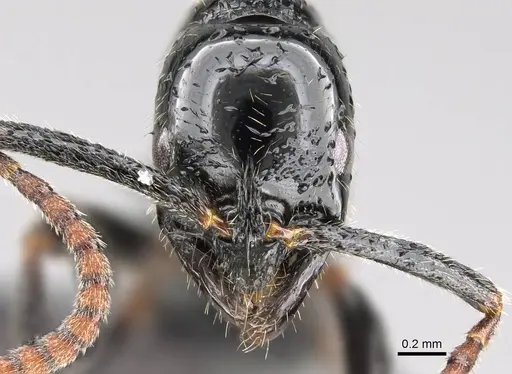
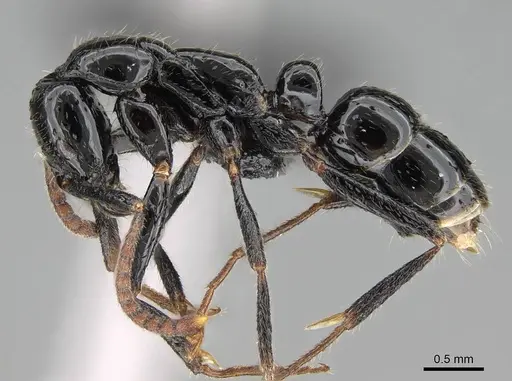
CASENT0902578
View on AntWeb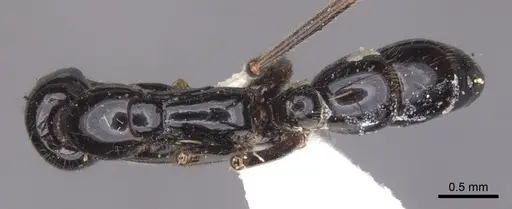
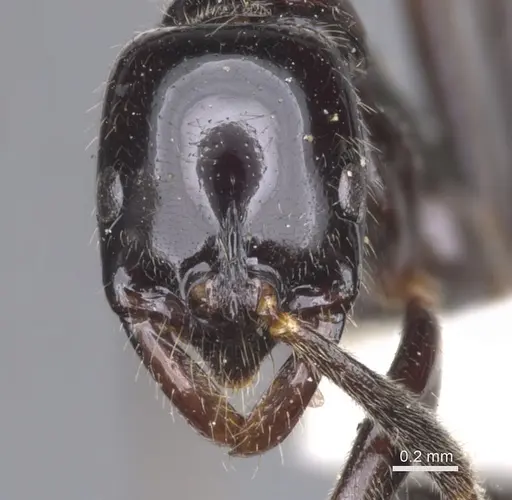
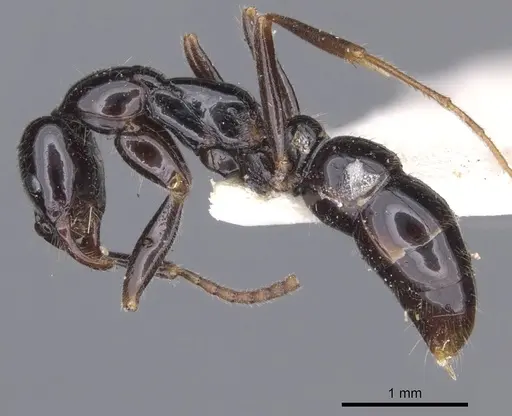
CASENT0903945
View on AntWeb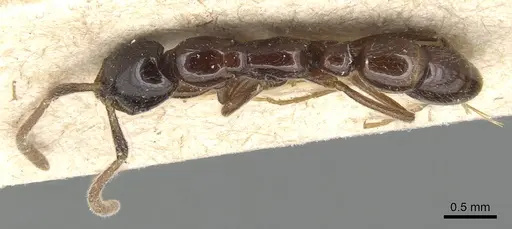
CASENT0907356
View on AntWeb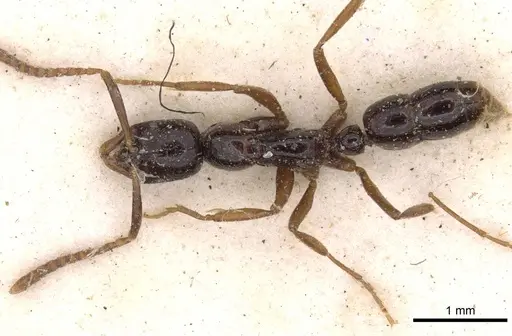
CASENT0907357
View on AntWeb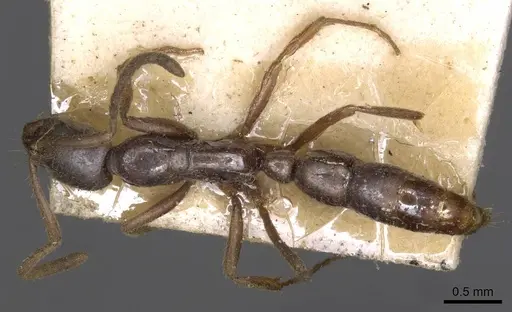
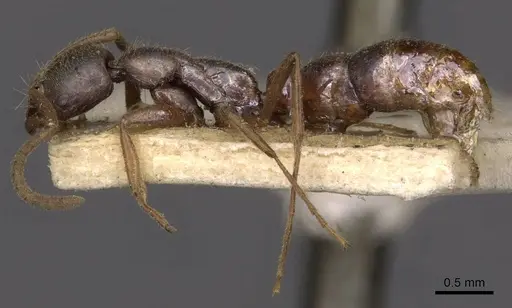
CASENT0907358
View on AntWeb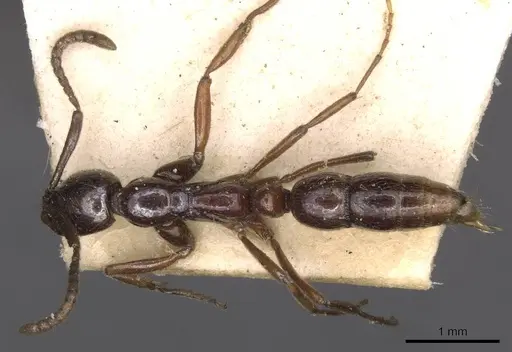
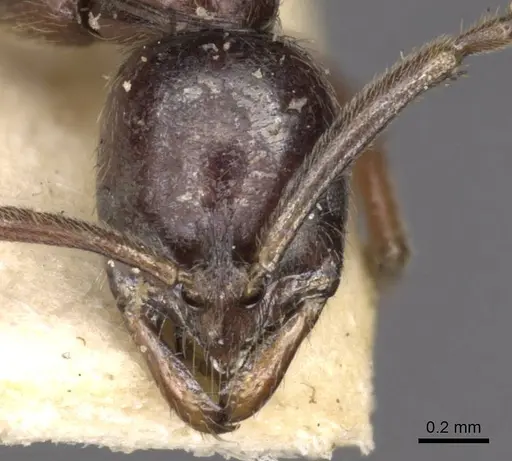
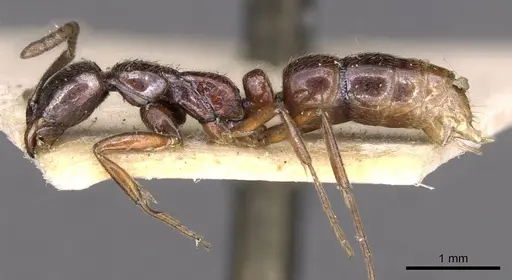
CASENT0907359
View on AntWeb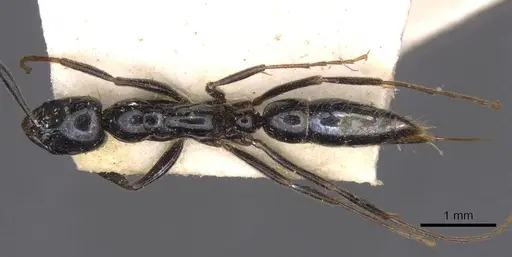
CASENT0915230
View on AntWeb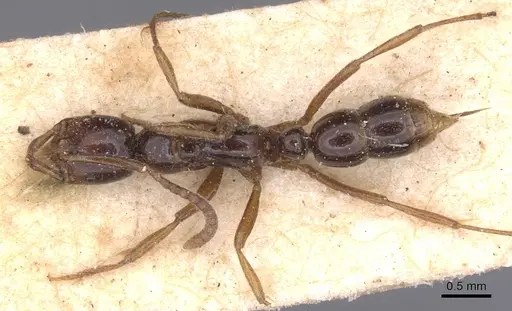
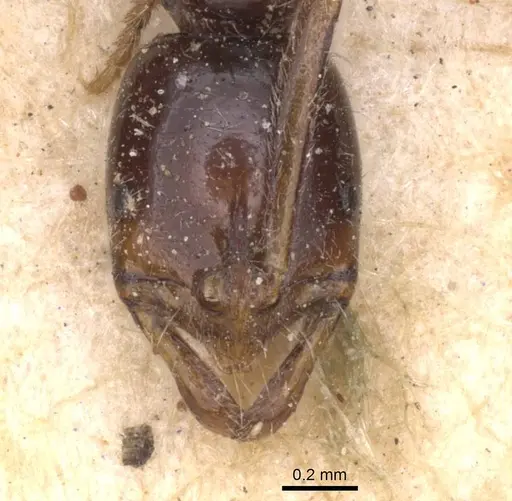
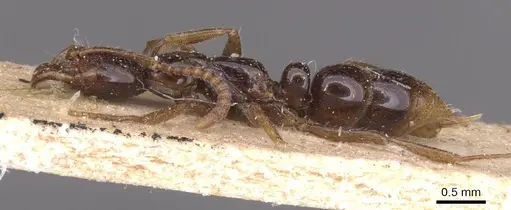
CASENT0915231
View on AntWeb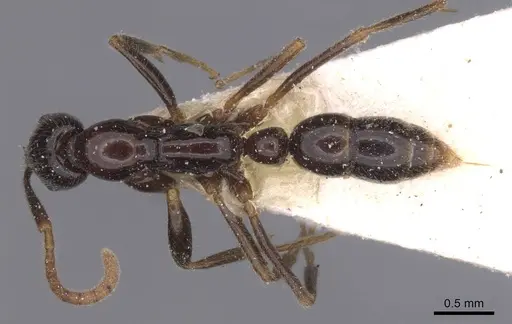
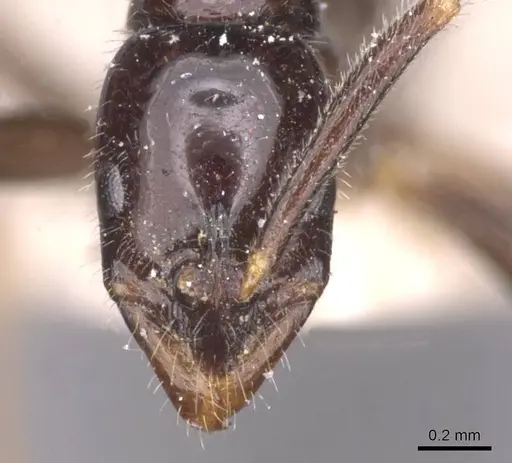
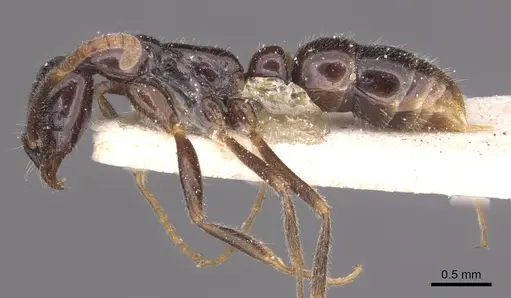
CASENT0915232
View on AntWeb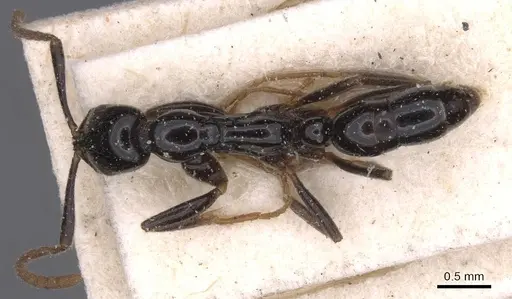
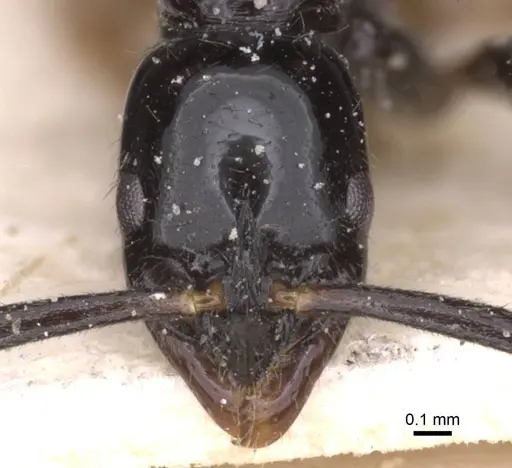
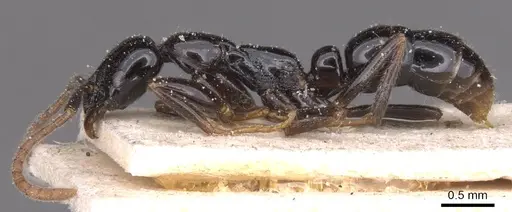
CASENT0916844
View on AntWeb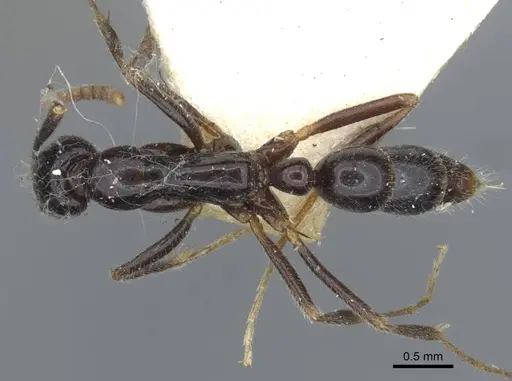
FOCOL1031
View on AntWeb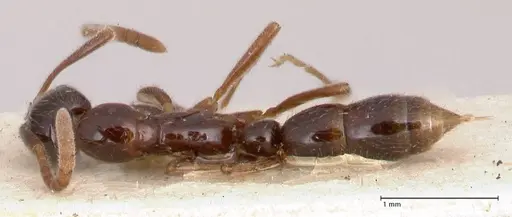
FOCOL1032
View on AntWeb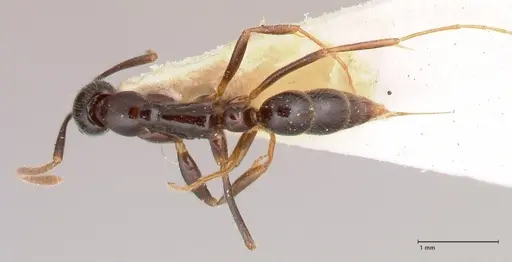
FOCOL1033
View on AntWeb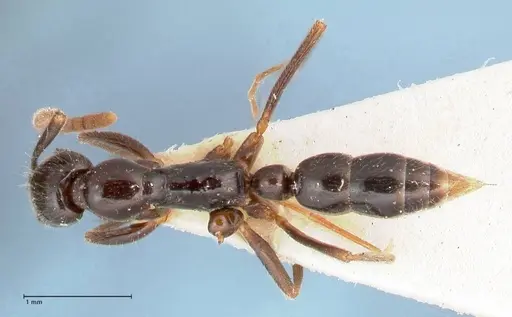
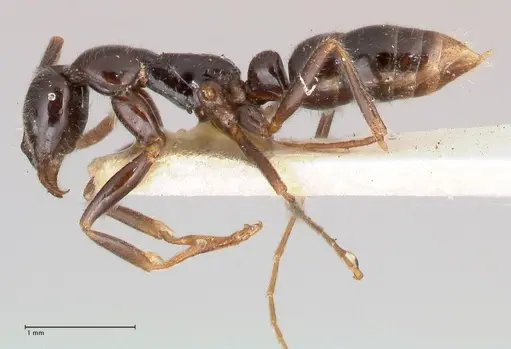
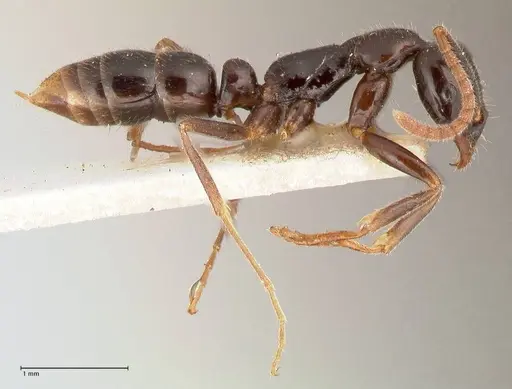
FOCOL1034
View on AntWeb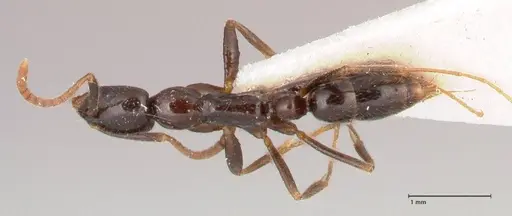
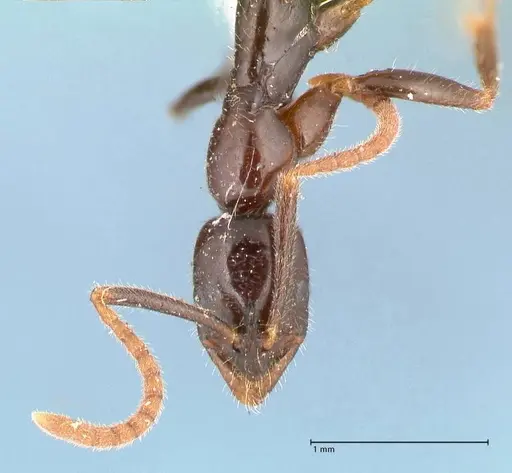
SAM-HYM-C002646A
View on AntWeb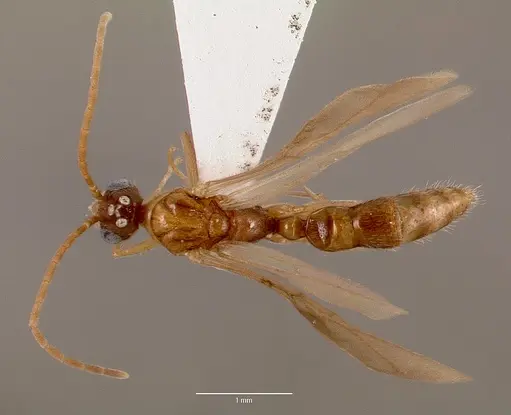
SAM-HYM-C002646B
View on AntWeb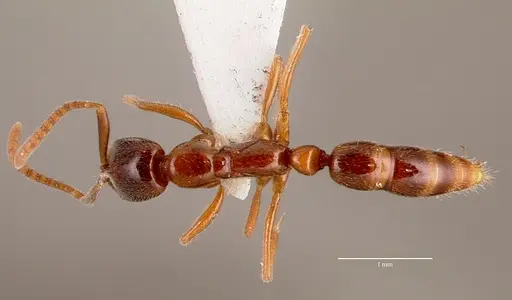
Literature
Loading distribution map...Loading products...