
Leptogenys imperatrix
- Sci. Name
- Leptogenys imperatrix
- Tribe
- Ponerini
- Subfamily
- Ponerinae
- Author
- Mann, 1922
- Distribution
- Found in 4 countries
Introduction
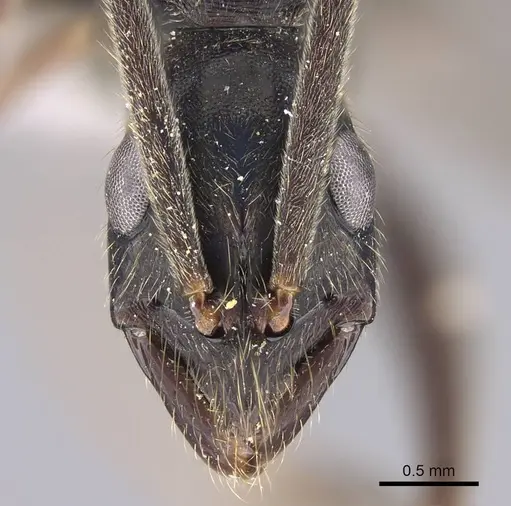
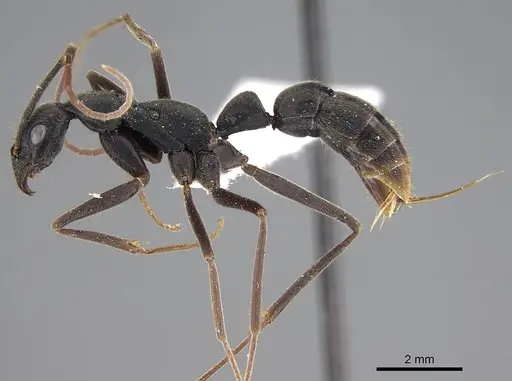
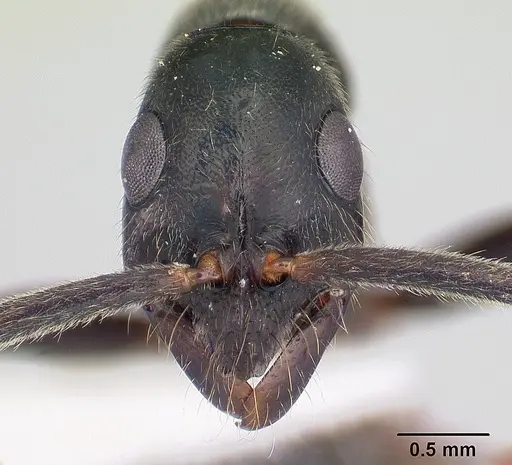
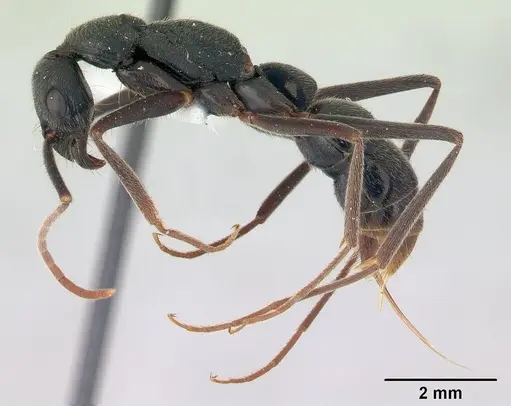
Leptogenys imperatrix is a medium-sized predatory ant native to Central America, ranging from Honduras to Panama . Workers measure approximately 9-12mm total length with a distinctive elongated, wedge-shaped petiole node and dark coloration - the head, mesosoma, petiole, and most of the gaster are black while the mandibles, antennae, tarsi, and gastral apex are light brown to ferruginous . This species belongs to the luederwaldti species group and is identified by the characteristic mesonotal depression on the mesonotum and abundant piligerous punctae across the body . What makes L. imperatrix particularly interesting is its highly specialized diet - these ants are dedicated isopod (woodlice) hunters, building their nests underground with telltale refuse piles of bleached isopod shells near the entrance .
Quick Summary
- Difficulty: Medium
- Origin & Habitat: Central America (Honduras, Guatemala, Costa Rica, Panama, Ecuador), humid tropical forests, typically found in Quercus litter within or beneath rotten logs, though some records come from open pasture areas [1][2].
- Colony Type: Colony structure unconfirmed. Observed colonies are small with single queens, but polygyny or ergatoid systems have not been documented [1].
- Size & Growth:
- Queen: Approximately 9-12mm, queen similar to worker with enlarged gaster and modified petiole [1], inferred from worker measurements
- Worker: Approximately 9-12mm total length [1], inferred from genus patterns
- Colony: Small colonies, documented with only 5 adults in one excavated nest [1]. Maximum colony size uncertain.
- Growth: Growth rate unconfirmed, small colony size suggests slower development
- Development: Development time unconfirmed for this species (Direct development data unavailable for Leptogenys imperatrix)
- Antkeeping:
- Temperature: Keep at 24-27°C, they inhabit warm humid forests in Central America so maintain warm conditions. A heating cable on one side of the nest creates a suitable gradient.
- Humidity: High humidity required, these ants live in humid forests and nest underground. Keep nest substrate consistently moist but not waterlogged. Provide a water reservoir for humidity.
- Diapause: Unlikely required, being tropical, they probably do not need true hibernation. However, slightly cooler temperatures during winter months may slow activity naturally.
- Nesting: Underground nester, in captivity they do well in naturalistic setups with soil or a Y-tong/plaster nest with narrow chambers. Provide deep substrate for tunneling and ensure darkness in nest chambers. They prefer nesting beneath stones or dead wood in nature [1].
- Behavior: Fast-moving and alert, these ants flee quickly when their nest is disturbed [2]. They are nocturnal hunters that actively forage for isopods (woodlice), their primary prey [2][1]. Workers will readily take live isopods and have been observed carrying spiders as prey [1]. They are not aggressive toward humans but can deliver a painful sting if handled roughly, as with most Ponerinae. Escape risk is moderate, they are not tiny but can move quickly, so standard escape prevention works well.
- Common Issues: specialized diet means colonies often refuse alternative prey, isopods must be reliably available, small colony sizes make them vulnerable to stress, handle gently and minimize disturbances, nocturnal activity means you may not see foragers during daylight hours, this is normal, humidity requirements are high, dry conditions quickly lead to colony decline, fast movement makes them difficult to handle during nest maintenance
Nest Preferences and Housing
Leptogenys imperatrix is an underground nester that naturally creates nests in soil beneath stones, dead wood, or in road banks [1]. In captivity, a naturalistic setup with deep moist substrate works best, this allows the ants to excavate their own tunnels like they would in the wild. A Y-tong or plaster nest with narrow chambers can also work, but provide plenty of darkness and ensure the substrate stays consistently moist. The key requirement is having a dark, humid nest chamber where the colony can retreat. These ants do not need elaborate structures, they prefer simple underground chambers connected to the surface by a tunnel. In one documented nest, workers excavated down about 10cm to a bottom chamber [1], so provide at least several centimeters of substrate depth.
Feeding and Diet
This species has an extremely specialized diet, isopods (woodlice) are their primary prey, and this specialization is so pronounced that nests can be located by the distinctive whitish-gray streaks of bleached isopod shells near the entrance [1]. In captivity, you must culture a steady supply of live isopods or provide other small live prey. Longino tested this by offering various prey items to a colony, foragers would only take isopods, though one worker was observed carrying a spider [1]. For keepers, this means establishing a culture of live woodlice is essential for success. Other small live prey like springtails may be accepted experimentally, but do not rely on them. Sugar sources are unlikely to be accepted, this is a dedicated predator. Feed isopods or equivalent small prey several times per week, removing uneaten prey after 24 hours.
Temperature and Seasonal Care
Being native to Central American humid forests, these ants require warm conditions, aim for 24-27°C in the nest area. A small heating cable placed on one side of the nest creates a temperature gradient while avoiding the drying issues that come with heating from above. Since they are tropical, true hibernation is not required, but you might allow temperatures to drop slightly during winter months to simulate natural seasonal cooling. This species tolerates a range of 22-28°C but avoid temperatures below 20°C or above 30°C. High humidity is critical, their forest habitat means they need consistently moist conditions. Use a water reservoir connected to the nest and mist the outworld occasionally, but avoid standing water. [1]
Behavior and Colony Dynamics
These ants are fast-moving and nocturnal, actively hunting during the night when their isopod prey is most active [2]. When their nest is disturbed, workers quickly flee with brood, they are alert and skittish rather than aggressive. Colonies remain small even at maturity. The queen is similar in appearance to workers, differing mainly in petiole shape and enlarged gaster [1]. Workers communicate through chemical trails and likely use tandem-running to recruit nestmates to food sources, though this has not been specifically documented for this species. Because colonies stay small, avoid housing them in overly large setups that make prey location difficult for foragers.
Frequently Asked Questions
Can I keep Leptogenys imperatrix in a test tube?
A test tube setup can work for a founding queen or small colony, but these ants are underground nesters that prefer darkness and moisture. For long-term housing, a naturalistic setup with moist substrate or a Y-tong nest with good humidity retention is better. If using a test tube, ensure the cotton stays damp and wrap the tube in dark material to provide darkness.
What do Leptogenys imperatrix ants eat?
They eat almost exclusively live isopods (woodlice). This is a highly specialized predator, in tests, workers refused other prey items. You must culture a steady supply of live isopods or provide equivalent small live prey. They are unlikely to accept sugar water, fruits, or dead protein.
How long does it take for Leptogenys imperatrix to produce first workers?
Exact development time is unconfirmed for this species. Expect several months from egg to worker at optimal temperature, as typical for Ponerinae ants. Growth is moderate and colonies remain small even at maturity.
Are Leptogenys imperatrix ants dangerous?
They can deliver a painful sting if handled roughly, as all Ponerinae ants have functional stingers. However, they are not aggressive toward humans and will flee rather than attack. Handle gently and use caution during nest maintenance.
Do Leptogenys imperatrix ants need hibernation?
No, being tropical ants from Central America, they do not require true hibernation. You can maintain them at warm temperatures year-round. A slight seasonal temperature drop in winter is optional but not necessary.
How big do Leptogenys imperatrix colonies get?
Colonies remain small, documented wild colonies have as few as 5 adults. At maturity, colonies likely remain relatively small. This is a small-colony species, so do not expect the massive populations seen in many Formicidae.
Why cannot I find my Leptogenys imperatrix ants during the day?
This is normal, Leptogenys imperatrix is nocturnal. Workers hunt primarily at night when their isopod prey is active. During daylight hours, they remain deep in the nest. You should see activity in the evening and night hours.
Can I keep multiple Leptogenys imperatrix queens together?
This has not been documented. Given that wild colonies appear to be small with single queens, keeping multiple unrelated queens together is not recommended. If you are starting from a wild-caught colony, assume single-queen structure.
Why are my Leptogenys imperatrix ants dying?
Common causes include: lack of live isopods (their essential prey), low humidity (they need consistently moist conditions), temperatures outside the 24-27°C range, or stress from excessive disturbance. These are sensitive ants with specific requirements, review each care parameter.
When should I move Leptogenys imperatrix to a formicarium?
Wait until the colony has a decent number of workers and is actively foraging. For a small colony species like this, a naturalistic setup with moist soil works well as a permanent home. A formicarium with tunnels and chambers can be used once the colony is established and showing consistent activity.
Report an Issue
The current care sheet is based fully on literature. See inconsistencies, or something that's incorrect? Please , it will be resolved after review from an admin. Contributing to the blogs tab also helps providing information, to make us be able to further improve the caresheets. Thank you for your support!
References

This caresheet is licensed under CC BY-SA 4.0 .
Community Blogs
CASENT0248770
View on AntWeb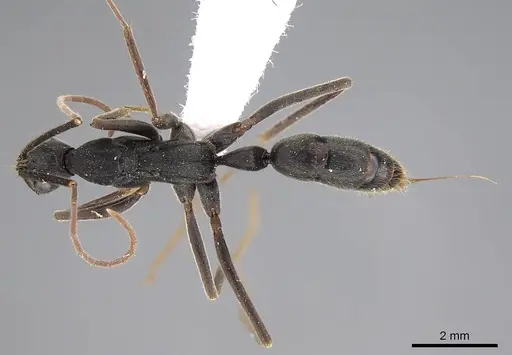
INBIOCRI001283938
View on AntWeb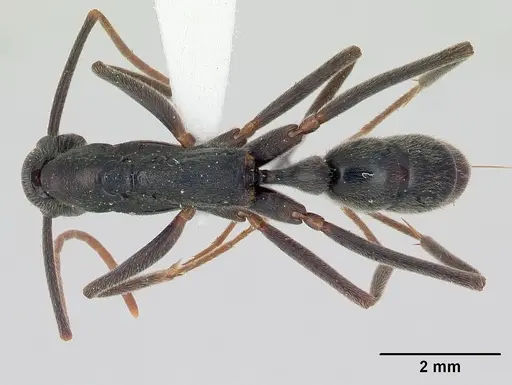
Literature
Loading distribution map...Loading products...