
Leptogenys iheringi
- Sci. Name
- Leptogenys iheringi
- Tribe
- Ponerini
- Subfamily
- Ponerinae
- Author
- Forel, 1911
- Distribution
- Found in 1 countries
Introduction
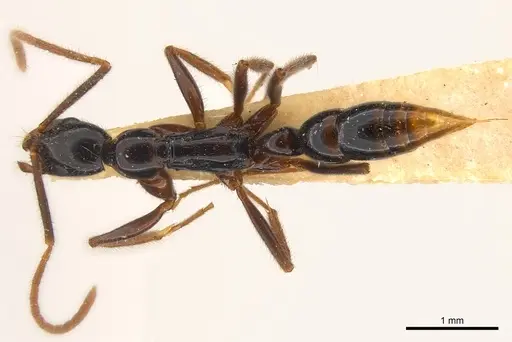
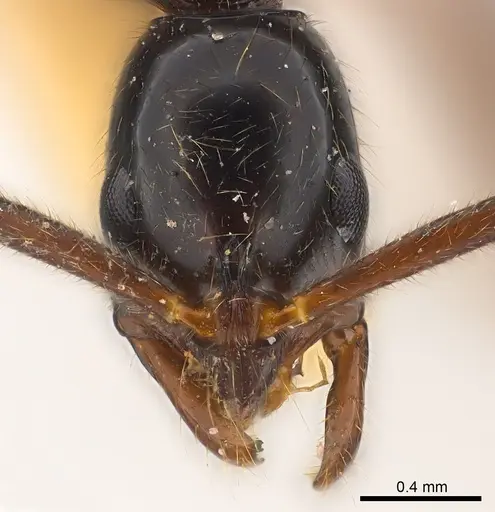
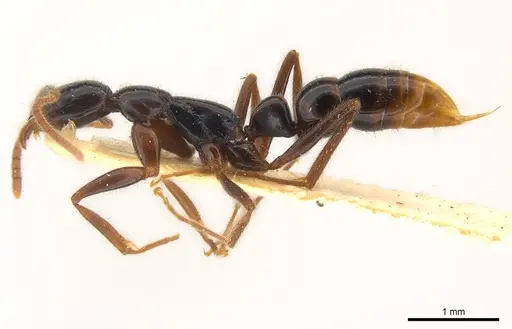
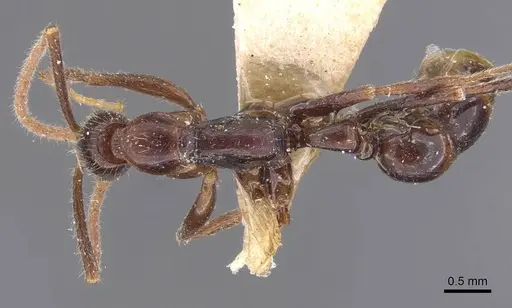
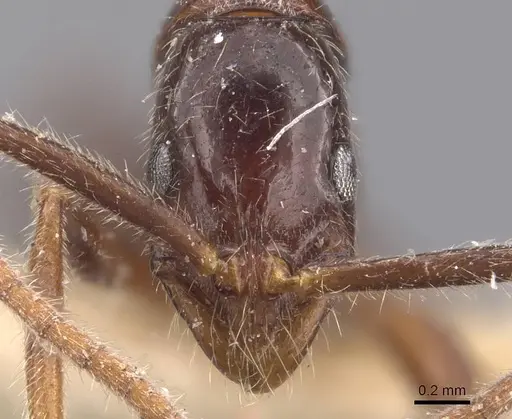
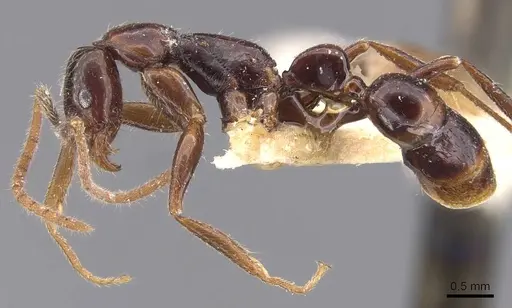
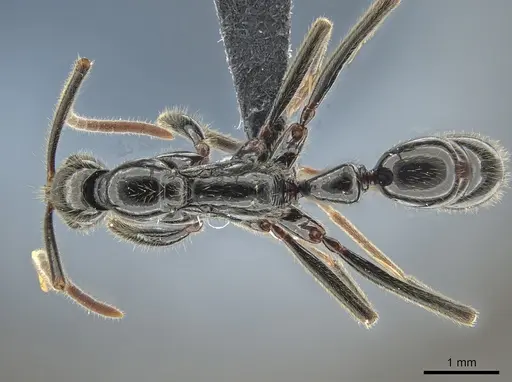
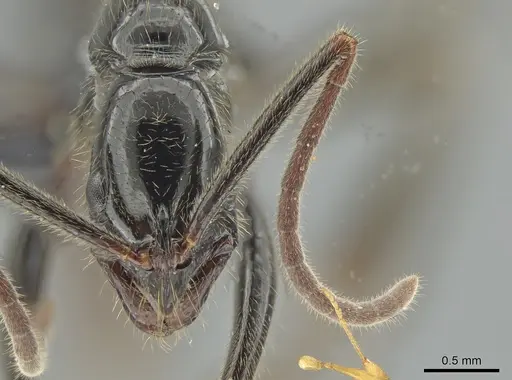
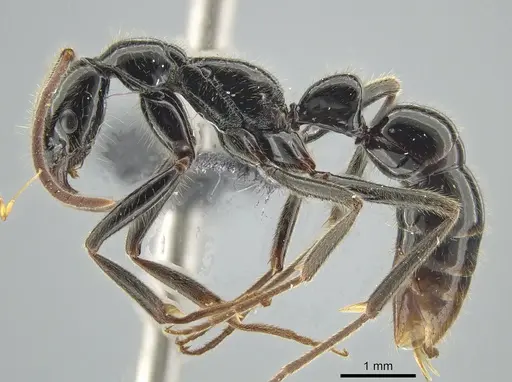
Leptogenys iheringi is a medium-sized predatory ant species native to Brazil, belonging to the Ponerinae subfamily. Workers have a dark brown body with slightly lighter legs, mandibles, and antennae. The species is a member of the crudelis group and can be identified by its continuously curved anterodorsal petiolar margin in lateral view, which distinguishes it from the similar Leptogenys crudelis. Queens are slightly larger than workers. This species has been recorded from São Paulo and Bahia states in Brazil, with specimens collected from multiple locations including RPPN Serra Bonita. Nothing is known about the biology of this species.
Quick Summary
- Difficulty: Hard
- Origin & Habitat: Native to the Neotropical region of Brazil, specifically recorded from São Paulo and Bahia states. Found in tropical forest environments [1][2].
- Colony Type: Colony structure is unconfirmed, no data exists on whether this species is monogyne (single queen) or polygyne (multiple queens).
- Size & Growth:
- Queen: ~6-7 mm (inferred from Leptogenys genus)
- Worker: ~5-7 mm (inferred from Leptogenys genus)
- Colony: Unknown, no colony size data available
- Growth: Unknown
- Development: Unconfirmed, no development data exists for this species (Based on related Leptogenys species, development likely takes several months but this is unconfirmed for L. iheringi specifically)
- Antkeeping:
- Temperature: Estimated 22-26°C based on typical Brazilian tropical ant requirements, no specific temperature data exists for this species
- Humidity: Estimated 60-80% humidity based on typical rainforest Ponerinae preferences, no specific data for this species
- Diapause: Unlikely, as a tropical species from Brazil, diapause is probably not required. However, no biological data exists to confirm this.
- Nesting: No specific nesting data exists. Based on genus patterns, they likely prefer humid, shaded locations with access to prey. A naturalistic setup with moist substrate or a Y-tong/plaster nest would be appropriate starting points.
- Behavior: Leptogenys ants are predatory, using their stinger to subdue prey. They are typically active foragers that hunt individually. No specific behavior data exists for L. iheringi, but related species in the genus are known for their aggressive predatory habits. Escape prevention should be moderate, workers are medium-sized and not particularly small, but Ponerinae ants are strong climbers.
- Common Issues: biology is completely unknown, this is one of the least-studied ant species in the hobby with no documented care information, no development data means you cannot predict growth timelines or know if your colony is developing normally, no confirmed diet information, while Leptogenys are predatory, specific prey preferences are unknown, risk of colony failure due to unknown requirements, keepers must experiment to find suitable conditions, no hibernation or seasonal care data exists, tropical requirements are uncertain
Species Identification and Related Species
Leptogenys iheringi can be distinguished from its close relative Leptogenys crudelis by examining the petiole in lateral view. L. iheringi has a continuously curved anterodorsal margin, while L. crudelis shows a vertical anterior margin with a separate convex dorsal margin. The eyes are positioned dorsolaterally on the head with a lateral trend. The propodeum (the section behind the mesonotum) has distinct lobes, contrary to Forel's original description claiming it was unarmed. The species was originally described by Forel in 1911 from specimens collected in São Paulo state, Brazil. [2]
Distribution and Habitat
This species is known from southeastern Brazil, specifically recorded from São Paulo and Bahia states. Specimens have been collected from multiple municipalities in Bahia including Arataca, Boa Nova, Buerarema, Camacã, Ilhéus, Iguai, and Una. The collection dates span from 1988 to 2014,indicating the species is active year-round in these tropical locations. One notable collection site is RPPN Serra Bonita in Camacã (15°23'35.7"S,39°33'55.6"W). The species appears to inhabit tropical forest environments typical of the Ponerinae subfamily in Brazil. [1][2]
Predatory Nature and Foraging
Leptogenys ants are known predators in the ant kingdom, using their potent stingers to subdue prey. While specific prey preferences for L. iheringi are unknown, the genus typically hunts small invertebrates including springtails, mites, and other micro-arthropods. They are typically individual foragers rather than group hunters. As a Ponerinae ant, this species likely has an active hunting style and would benefit from regular access to small live prey in captivity. The genus is known for being aggressive and well-equipped for predation. [2]
Challenges in Keeping This Species
Leptogenys iheringi represents a significant challenge for antkeepers because absolutely no biological or husbandry data exists for this specific species. The AntWiki entry explicitly states 'Nothing is known about the biology of' this species. This means keepers will need to experiment with conditions and observe colony responses carefully. There is no documented diet, no development timeline, no confirmed temperature or humidity preferences, and no information on colony structure or founding behavior. Keeping this species successfully would require a careful experimental approach, starting with conditions suitable for related Leptogenys species and adjusting based on colony health and activity levels. [2]
Starting a Colony
If you acquire a colony of Leptogenys iheringi, you would likely receive either a queen with workers or a queen in founding stages. Since founding behavior is unconfirmed, it is unknown whether the queen seals herself in (claustral) or must forage during founding (semi-claustral). Based on typical Ponerinae patterns, claustral founding is more likely, but this is an inference rather than confirmed behavior. The best approach would be to provide a quiet, dark location with stable humidity and begin offering small prey items once workers emerge, while monitoring for acceptance. [2]
Frequently Asked Questions
How do I care for Leptogenys iheringi ants?
No specific care information exists for this species. Based on typical Leptogenys preferences, provide a humid environment (60-80% humidity), temperatures around 22-26°C, and offer small live prey like springtails or fruit flies. Monitor your colony closely and adjust conditions based on their behavior and health.
What do Leptogenys iheringi eat?
While not directly documented for this species, Leptogenys ants are predatory and likely accept small live invertebrates. Start with springtails, fruit flies, and other micro-arthropods. Observe prey acceptance and adjust your feeding strategy accordingly.
How long does it take for Leptogenys iheringi to develop from egg to worker?
The development timeline is completely unconfirmed for this species. No scientific data exists on egg-to-worker development time. Related Leptogenys species typically take several months, but specific timelines for L. iheringi are unknown.
Is Leptogenys iheringi good for beginners?
No. This species is not recommended for beginners precisely because no care information exists. Keeping this ant successfully would require advanced experience with ant husbandry and a willingness to experiment. Beginners should choose species with well-documented care requirements.
Do Leptogenys iheringi need hibernation?
Unlikely. This is a tropical species from Brazil, and hibernation is probably not required. However, no biological data exists to confirm whether they have any seasonal dormancy requirements. If your colony becomes less active during cooler months, reduce feeding but maintain humidity.
How big do Leptogenys iheringi colonies get?
Colony size is unknown, no data exists on maximum colony size for this species. Related Leptogenys species typically form colonies of several hundred workers, but L. iheringi specifics are unconfirmed.
Can I keep multiple Leptogenys iheringi queens together?
No data exists on colony structure for this species. The queen number (monogyne vs polygyne) has not been documented. Without this information, combining queens is not recommended.
What size nest do I need for Leptogenys iheringi?
No specific nesting data exists. Based on typical Ponerinae preferences, a naturalistic setup with moist substrate or a Y-tong/plaster nest with narrow chambers would be appropriate. The ants are medium-sized, so standard-sized chambers work well.
Where is Leptogenys iheringi found?
This species is native to Brazil, specifically recorded from São Paulo and Bahia states in the southeastern Neotropical region. Specimens have been collected from multiple rainforest locations in Bahia.
Why is there no information about Leptogenys iheringi care?
This species is extremely poorly studied. The scientific literature explicitly states that nothing is known about the biology of Leptogenys iheringi. It is a rarely collected species with no published ecological or behavioral studies, making captive care entirely experimental.
Is Leptogenys iheringi aggressive?
While not specifically documented for this species, Leptogenys as a genus are known to be aggressive predators with functional stingers. Ponerinae ants typically exhibit defensive behavior when disturbed. Exercise caution when handling.
Report an Issue
The current care sheet is based fully on literature. See inconsistencies, or something that's incorrect? Please , it will be resolved after review from an admin. Contributing to the blogs tab also helps providing information, to make us be able to further improve the caresheets. Thank you for your support!
References

This caresheet is licensed under CC BY-SA 4.0 .
Community Blogs
Literature
Loading distribution map...Loading products...