
Leptogenys dalyi
- Sci. Name
- Leptogenys dalyi
- Tribe
- Ponerini
- Subfamily
- Ponerinae
- Author
- Forel, 1900
- Distribution
- Found in 1 countries
Introduction
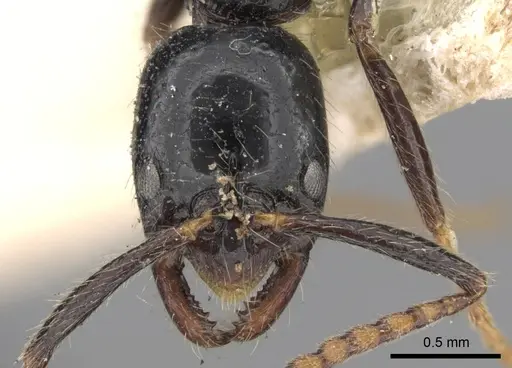
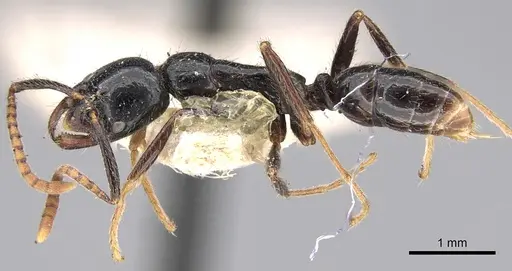
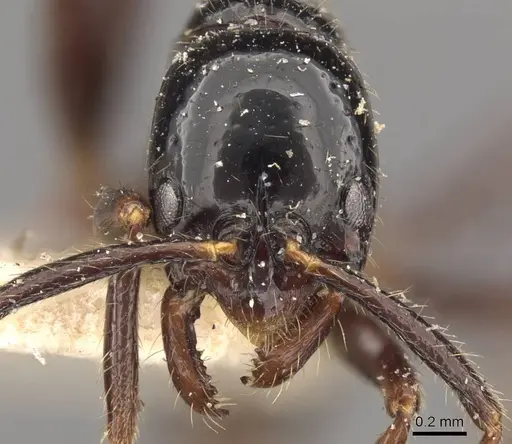
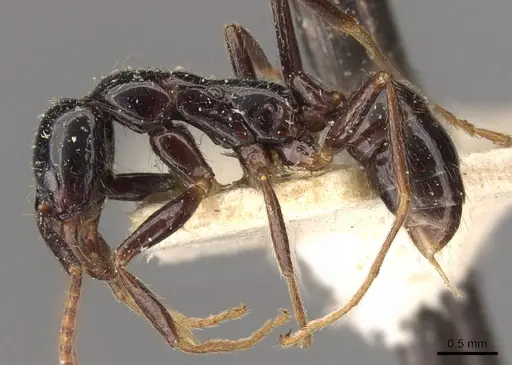
Leptogenys dalyi is a small predatory ant native to India, belonging to the Ponerinae subfamily. Workers measure 4.3-4.7mm in total length, with a distinctive elongated head roughly 1.4 times longer than broad . They are pitch-black with reddish funicles and tarsi, and have a very smooth, shiny body surface . This species belongs to the chinensis species group and was originally described by Forel in 1900 from Indian specimens . Leptogenys ants are specialized predators that hunt small invertebrates using their serrated mandibles. As a Ponerine ant, they possess a functional sting that they use to subdue prey. These ants are recorded from multiple Indian states including Karnataka, Kerala, Tamil Nadu, and West Bengal . The genus is known for efficient hunting behavior and moderate colony sizes.
Quick Summary
- Difficulty: Medium
- Origin & Habitat: India, recorded from Karnataka, Kerala, Tamil Nadu, and West Bengal [4]. In nature, they likely inhabit forest edges and shaded areas where they hunt for small invertebrates.
- Colony Type: Colony structure is unconfirmed. Based on typical Leptogenys genus patterns, likely single-queen colonies.
- Size & Growth:
- Queen: Size data unavailable, no specific measurements for L. dalyi queens exist in the research literature
- Worker: 4.3-4.7mm total length [1][2]
- Colony: Maximum colony size is unconfirmed for this species
- Growth: Growth rate is unconfirmed, specific data for L. dalyi is not available
- Development: Development timeline is unconfirmed for this species (No specific development data exists for L. dalyi. Related Leptogenys species typically take several months to develop from egg to adult worker.)
- Antkeeping:
- Temperature: Keep around 22-26°C. Being a tropical Indian species, they prefer warm conditions. A gentle temperature gradient allows ants to self-regulate.
- Humidity: Moderate to high humidity (60-80%). These ants likely prefer damp forest floor conditions. Keep nest substrate consistently moist but not waterlogged.
- Diapause: No true diapause required, being from tropical India, they prefer consistent temperatures year-round. Activity may slow during cooler months.
- Nesting: In captivity, test tubes work well for founding colonies. They prefer tight, humid chambers that retain moisture. Avoid dry, open setups.
- Behavior: Leptogenys dalyi is a predatory ant that actively hunts small invertebrates. They possess a functional sting and will use it if threatened or handled roughly. Workers are fast-moving and efficient hunters. Due to their small size, excellent escape prevention is essential. Colonies are relatively quiet and not particularly active outside the nest.
- Common Issues: escape prevention is critical due to their small size, use fine mesh and tight-fitting barriers, predatory diet means they need constant access to live prey, frozen foods are often rejected, slow founding phase means colonies take time to establish, patience is required, humidity control is important, too dry and brood may die, too wet and mold becomes an issue, wild-caught colonies may have parasites that can devastate captive colonies
Housing and Nest Setup
For Leptogenys dalyi, start with a standard test tube setup for the founding queen. Use a test tube with a water reservoir separated by a cotton plug, the ants will use the moisture gradient to regulate humidity. Once the colony reaches 15-20 workers, you can consider moving them to a small formicarium with chambers scaled to their tiny size.
These ants prefer tight, humid spaces. A Y-tong (AAC) nest works well for Ponerine ants, or you can use a small plaster nest with appropriately-sized chambers. The nest material should retain moisture well. Avoid large open setups as these ants feel exposed and may stress. Keep the outworld simple with a small foraging area and easy access to water and prey items.
Feeding and Diet
Leptogenys dalyi is a specialized predator and requires live prey to thrive. Feed them small live insects such as fruit flies, pinhead crickets, small mealworms, and other appropriately-sized invertebrates. They will not accept sugar water or honey as a primary food source, protein from prey is essential for brood development.
Feed workers small prey items 2-3 times per week, removing any uneaten prey after 24 hours to prevent mold. The colony size determines feeding frequency, larger colonies can consume more food. Always provide a water source, either through the test tube reservoir or a small water vial with a cotton wick.
Temperature and Humidity
Maintain temperatures between 22-26°C for optimal colony health and brood development. Being from tropical India, these ants do not tolerate cold well, keep them away from air conditioning vents and cold drafts. A small heating cable on one side of the nest can create a gentle gradient, but avoid direct heat that could dry out the nest.
Humidity should be kept at 60-80%. The nest substrate should feel consistently damp but never waterlogged. Monitor for condensation, some condensation is good but excessive moisture leads to mold. The foraging area can be slightly drier than the nest chambers.
Behavior and Temperament
Leptogenys dalyi is a calm but efficient predator. Workers are active hunters that will search out and capture small invertebrates in the foraging area. They possess a functional sting and will use it if directly threatened or handled roughly.
These ants are small (under 5mm), so good escape prevention is essential. Use tight-fitting lids and consider applying Fluon or another barrier to the rim of the nest. Colonies are relatively quiet and workers do not swarm aggressively when the nest is disturbed, they typically retreat with the queen rather than attack.
Frequently Asked Questions
How long does it take for Leptogenys dalyi to produce first workers?
Specific development data for L. dalyi is not available in the research literature. Based on typical Ponerine ant development, expect several months from egg to first worker at optimal temperature. The exact timeline varies with temperature and colony health.
Can I keep Leptogenys dalyi in a test tube?
Yes, test tubes work well for founding colonies. Use a standard test tube with a water reservoir and cotton plug. Keep the tube in a warm, dark location and avoid disturbing the queen during the founding phase. Once the colony grows beyond 20-30 workers, consider moving to a small formicarium with appropriately-sized chambers.
Do Leptogenys dalyi ants sting?
Yes, they can sting. As a Ponerine ant, they possess a functional sting that they will use if threatened. Handle with care and avoid picking them up with bare hands.
What do Leptogenys dalyi eat?
They are strict predators and need live prey. Feed small live insects like fruit flies, small crickets, mealworms, and other appropriately-sized invertebrates. They do not typically accept sugar water or honey. Protein is essential for brood development.
Are Leptogenys dalyi good for beginners?
This species is rated as medium difficulty. Their predatory diet and specific humidity needs make them better suited for keepers who already have some experience with ant keeping. They require more effort than sugar-feeding ants like Lasius.
How big do Leptogenys dalyi colonies get?
Maximum colony size is unconfirmed for this species. Specific research data on L. dalyi colony sizes is not available.
Do Leptogenys dalyi need hibernation?
No, they do not require true hibernation. Being from tropical India, they prefer consistent warm temperatures year-round. You may notice reduced activity during cooler months, but a formal diapause period is not necessary.
When should I move Leptogenys dalyi to a formicarium?
Move from the test tube to a formicarium when the colony reaches 15-30 workers and the test tube is becoming crowded. Signs include workers frequently exploring outside the tube or the water reservoir running low more quickly. Choose a small nest with appropriately-sized chambers.
Why are my Leptogenys dalyi dying?
Common causes include: too low humidity (leading to brood death), lack of live prey (they need protein), temperatures below 20°C, mold from overwatering, or stress from excessive disturbance. Check these parameters first before considering disease or parasites.
Can I keep multiple Leptogenys dalyi queens together?
Colony structure is unconfirmed for this species. If you find a queen in the wild, house her alone for best founding success. Combining unrelated queens is not recommended and likely results in fighting.
Report an Issue
The current care sheet is based fully on literature. See inconsistencies, or something that's incorrect? Please , it will be resolved after review from an admin. Contributing to the blogs tab also helps providing information, to make us be able to further improve the caresheets. Thank you for your support!
References

This caresheet is licensed under CC BY-SA 4.0 .
Community Blogs
CASENT0281930
View on AntWeb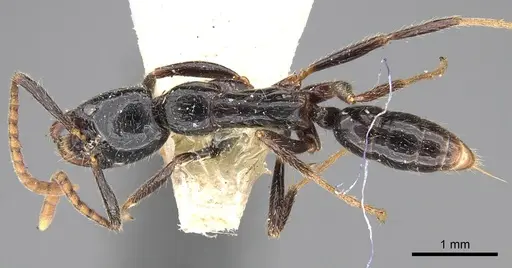
CASENT0907364
View on AntWeb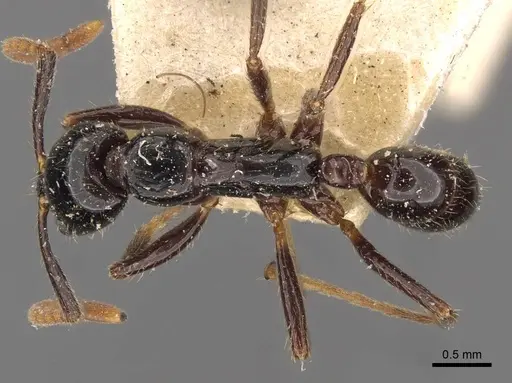
Literature
Loading distribution map...Loading products...