
Chestnut Razorjaw ant
Leptogenys castanea
- Sci. Name
- Leptogenys castanea
- Tribe
- Ponerini
- Subfamily
- Ponerinae
- Author
- Mayr, 1862
- Common Name
- Chestnut Razorjaw ant
- Distribution
- Found in 5 countries
Introduction
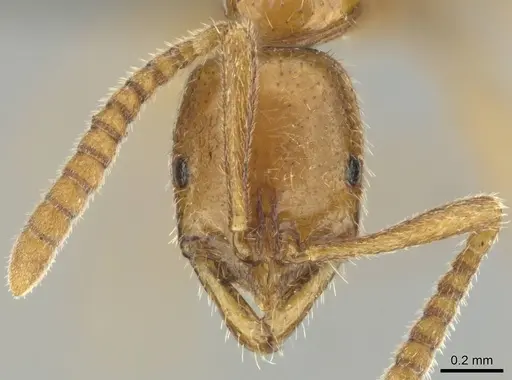
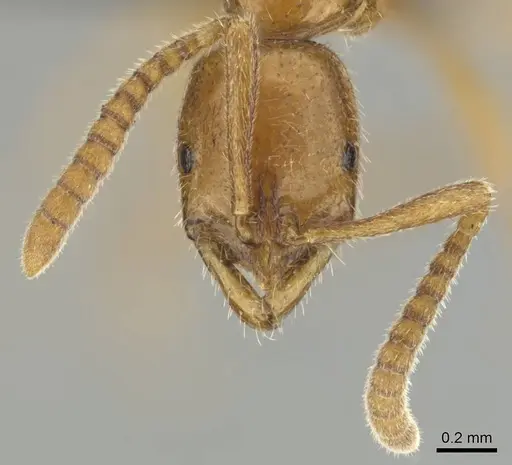
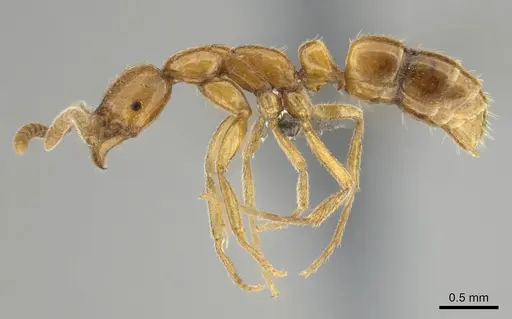
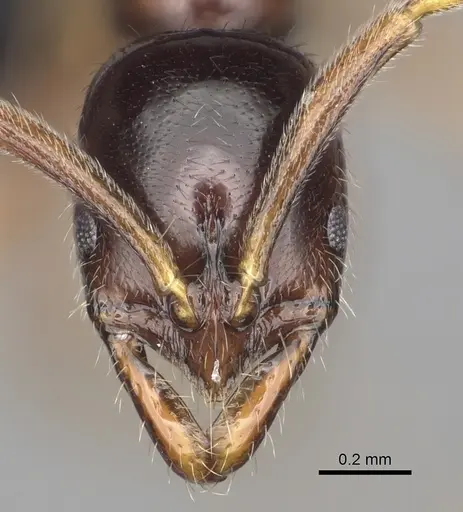
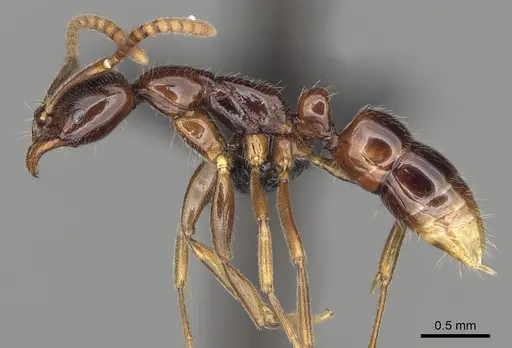
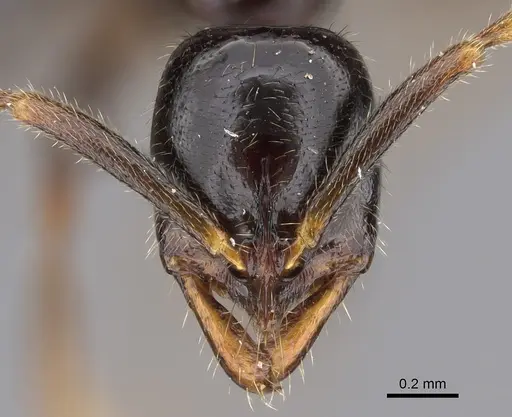
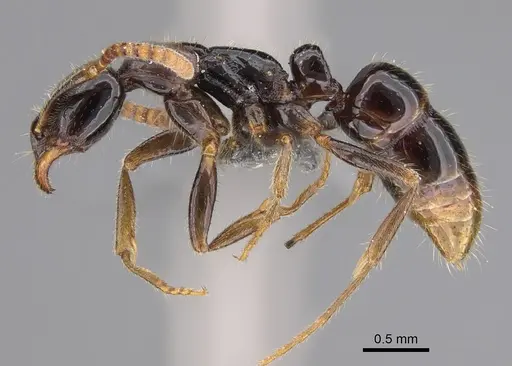
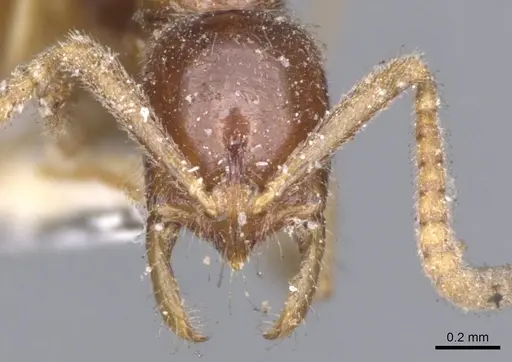
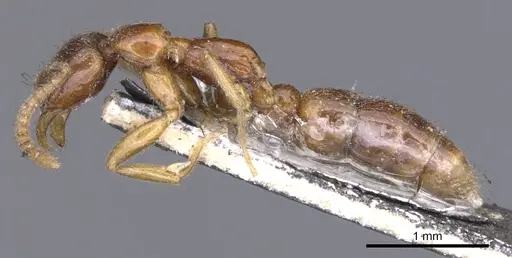
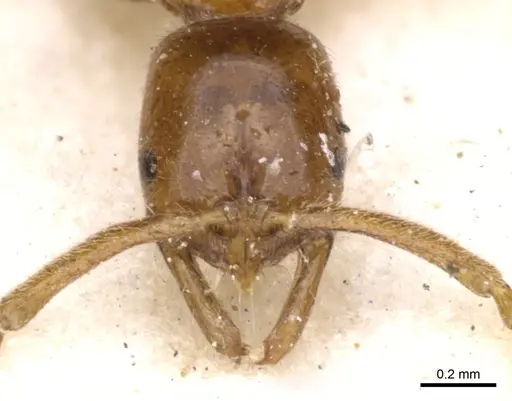
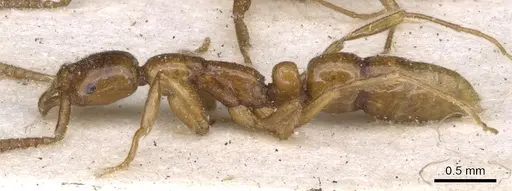
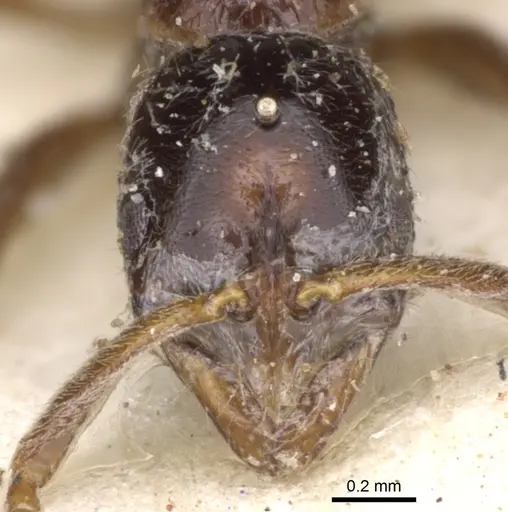
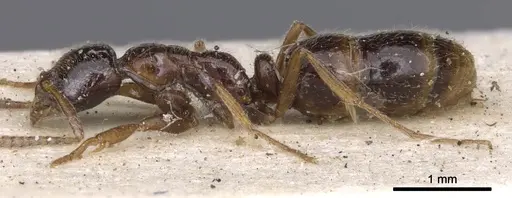
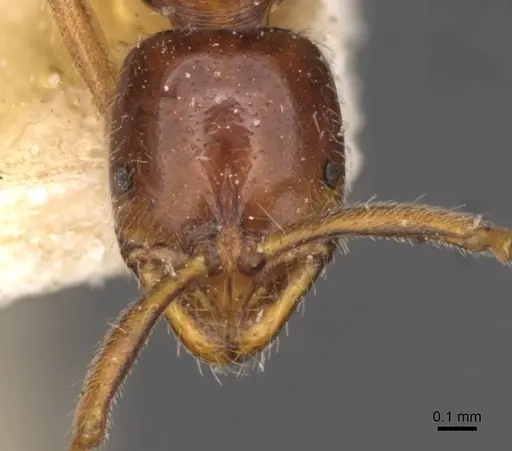
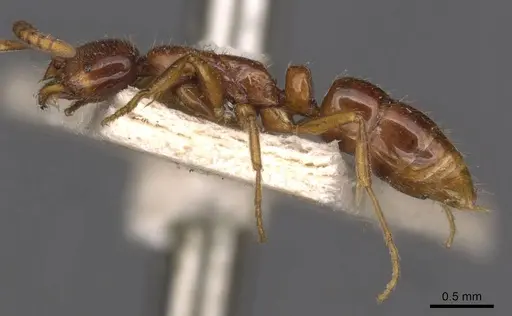
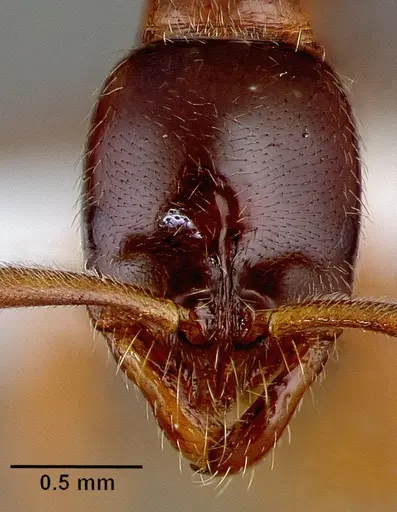
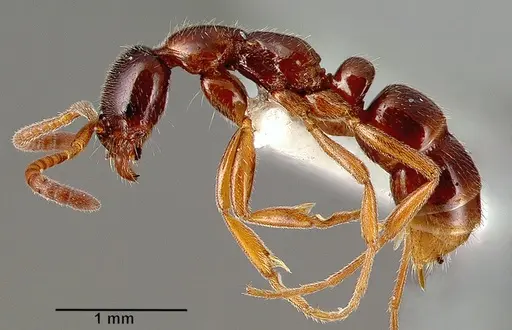
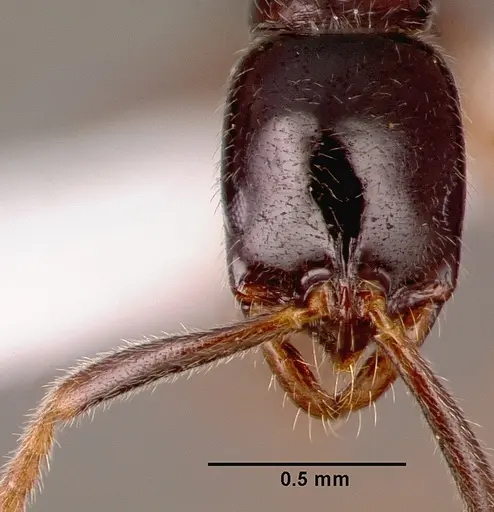
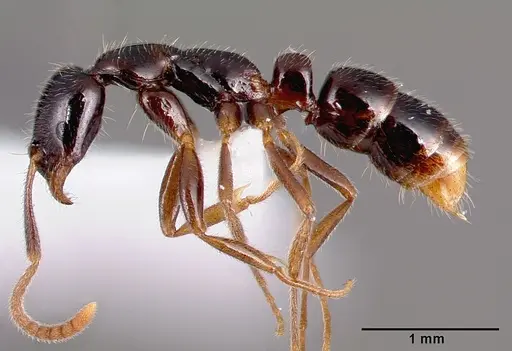
Leptogenys castanea is a medium-sized predatory ant species native to southern Africa, specifically South Africa and Zimbabwe. Workers have the slender, elongated body form characteristic of the Leptogenys genus. They nest under rocks in leaf litter within coastal and riverine forest habitats . This species has a unique reproductive system where queens are wingless (ergatomorphic), meaning colony foundation likely occurs through budding rather than nuptial flights. Workers are obligately sterile with zero ovarioles, while queens have 13-15 ovarioles per ovary . The species was historically confused with several other forms (parva, bellua, dispar, hewitti) which were later synonymized .
Quick Summary
- Difficulty: Medium
- Origin & Habitat: South Africa and Zimbabwe. Coastal and riverine forest habitats, nesting under rocks in leaf litter [1].
- Colony Type: Colonies have single ergatomorphic (wingless) queens. Workers are obligately sterile with zero ovarioles, while queens have 13-15 ovarioles per ovary [1]. The presence of ergatoid queens suggests colony reproduction through budding rather than nuptial flights.
- Size & Growth:
- Queen: Size data unavailable, ergatomorphic queens of Leptogenys genus typically measure 6-9mm
- Worker: Size data unavailable, Leptogenys workers typically range 5-8mm based on genus patterns
- Colony: Colony size data unavailable for this species
- Growth: Growth rate data unavailable
- Development: Development timeline unconfirmed for this species (Development likely follows typical Ponerinae patterns but specific data is unavailable)
- Antkeeping:
- Temperature: Keep at 22-26°C. Based on South African forest habitat, they prefer moderate temperatures. A heating cable on one side of the nest creates a suitable gradient.
- Humidity: Keep substrate consistently moist but not waterlogged. Forest-dwelling species need higher humidity, aim for damp leaf litter conditions.
- Diapause: Diapause requirements unconfirmed, South African distribution suggests seasonal dormancy may occur, but specific requirements are unknown
- Nesting: Prefers humid setups with multiple chambers. A naturalistic setup with soil and leaf litter works well, or a Y-tong/plaster nest with good moisture retention. They nest under rocks in the wild, so provide flat stones or similar cover in a naturalistic setup.
- Behavior: This is an active predator. Leptogenys ants are known for their aggressive hunting behavior, pursuing prey actively rather than using ambush tactics. Workers can deliver a sting. They are not particularly aggressive toward keepers but will defend the nest if threatened. Escape prevention should be good, medium-sized ants are manageable with standard barriers.
- Common Issues: Orphaned colonies die quickly, research shows orphaned nests died within 3 weeks, indicating the queen is essential for colony survival [1]., Humidity management is critical, forest species dry out easily and need consistent moisture., Predatory feeding requirements can be challenging, they need regular live prey., Colony growth data is unavailable, expect slower growth compared to common species.
Housing and Nest Setup
Leptogenys castanea does well in a naturalistic setup that mimics its forest floor habitat. Use a mixture of soil and leaf litter as substrate, with flat stones placed on top to provide the dark, humid spaces these ants naturally nest under. The substrate should remain consistently moist but never waterlogged. A Y-tong or plaster nest also works well if you maintain proper humidity levels, these ants need moisture retention. Ensure the outworld has a water source and provide hiding spots. Because they are active hunters, give them space to forage. [1]
Feeding and Diet
As predators, Leptogenys castanea requires live protein to thrive. Offer small insects like fruit flies, pinhead crickets, mealworms, and other appropriately-sized arthropods. They are active hunters and will pursue prey. Some keepers report success with occasional protein jelly or dead prey, but live food gives the best results. Feed every 2-3 days, adjusting based on colony size and consumption. Remove uneaten prey after 24 hours to prevent mold. A sugar source like honey water or sugar water can be offered occasionally, but protein is the primary dietary need.
Temperature and Seasonal Care
Maintain temperatures between 22-26°C for optimal colony health and brood development. A heating cable placed on one end of the nest creates a temperature gradient the ants can regulate themselves. Specific hibernation requirements are unconfirmed for this species. Based on their South African distribution, seasonal dormancy may occur, but the exact duration and temperature range is unknown. Monitor your colony for signs of reduced activity during winter months. [1]
Colony Structure and Reproduction
This species has a unique reproductive system among ants. Queens are ergatomorphic, they are born wingless rather than developing wings for nuptial flights [1]. This means colony foundation likely occurs through budding, where a queen leaves with workers to establish a new colony, rather than through mass nuptial flights. Workers are obligately sterile with zero ovarioles, meaning only the queen can reproduce [1]. If a queen dies, the colony will not survive long, research shows orphaned colonies died within 3 weeks [1]. This makes queen health critical.
Behavior and Defense
Leptogenys castanea is an active, predatory ant. Workers hunt individually, pursuing prey through the substrate and leaf litter. They are not particularly aggressive toward humans but will sting if threatened. The sting is functional and can cause discomfort, though this species is not considered dangerous. They are moderately defensive of their nest but can be managed with standard care. Escape risk is moderate, they are not particularly small or agile enough to be major escape artists, but good husbandry practices should still be followed.
Frequently Asked Questions
How long does it take for Leptogenys castanea to produce first workers?
Development timeline is unconfirmed for this species. Based on typical Ponerinae patterns, expect several months from egg to worker. Patience is required as specific data has not been documented.
Can I keep multiple Leptogenys castanea queens together?
Not recommended. This species appears to have single-queen colonies. The ergatomorphic (wingless) queens suggest colony foundation through budding rather than pleometrosis (multiple queen founding). Combining unrelated queens has not been documented and risks fighting.
What do Leptogenys castanea eat?
They are predators that need live protein. Feed small live insects like fruit flies, pinhead crickets, and mealworms. Some colonies may accept dead prey or protein jelly, but live food gives the best results. Offer protein every 2-3 days.
Do Leptogenys castanea need hibernation?
Diapause requirements are unconfirmed. Based on their South African distribution, seasonal dormancy may occur, but specific temperature and duration requirements have not been documented. Monitor your colony for reduced activity and adjust conditions accordingly.
Are Leptogenys castanea good for beginners?
They are intermediate difficulty. The main challenges are their predatory diet (requiring live food), humidity needs, and lack of available growth data. They are not recommended as a first ant but are manageable for keepers with some experience.
How big do Leptogenys castanea colonies get?
Colony size data is unavailable for this species. Maximum colony size has not been documented in research.
Why is my Leptogenys castanea colony dying?
The most likely cause is queen loss, research shows orphaned colonies die within 3 weeks [1]. Other common issues include low humidity (forest species need moist conditions), improper temperature, or insufficient protein food. Check that the queen is present and healthy, then review humidity and feeding schedules.
When should I move Leptogenys castanea to a formicarium?
Wait until the colony has 20-30 workers. Ponerinae prefer to stay in darker, more enclosed spaces, so a naturalistic setup with substrate often works better than clear acrylic nests. If using a formicarium, ensure it maintains humidity well.
Report an Issue
The current care sheet is based fully on literature. See inconsistencies, or something that's incorrect? Please , it will be resolved after review from an admin. Contributing to the blogs tab also helps providing information, to make us be able to further improve the caresheets. Thank you for your support!
References

This caresheet is licensed under CC BY-SA 4.0 .
Community Blogs
CASENT0256799
View on AntWeb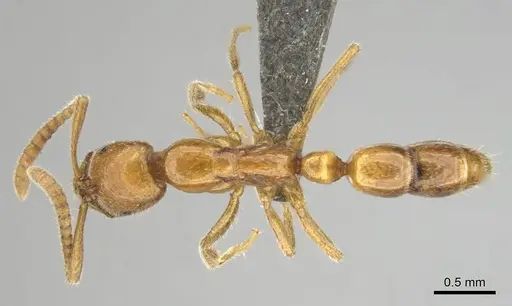
CASENT0396315
View on AntWeb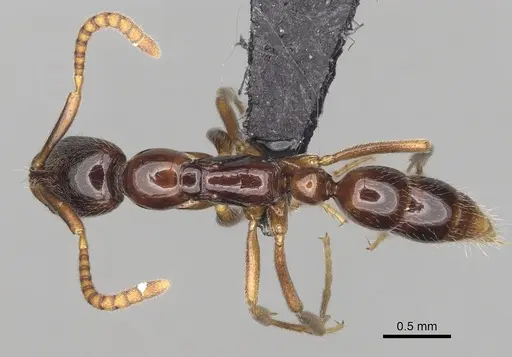
CASENT0774569
View on AntWeb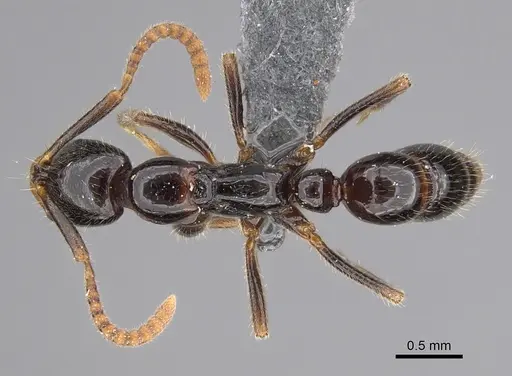
CASENT0888224
View on AntWeb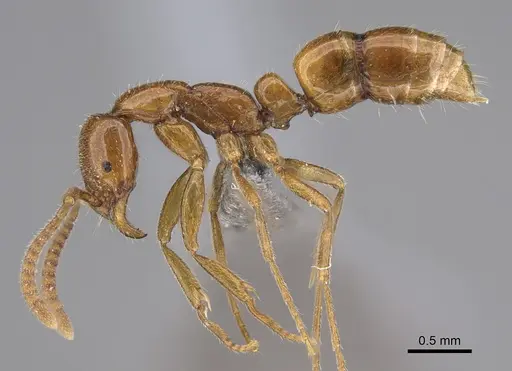
CASENT0902579
View on AntWeb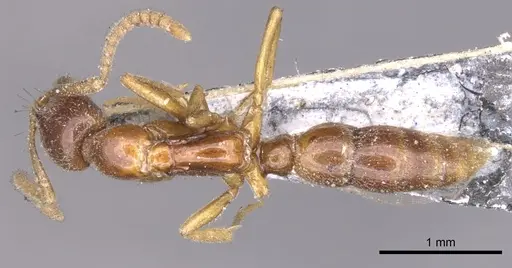
CASENT0902580
View on AntWeb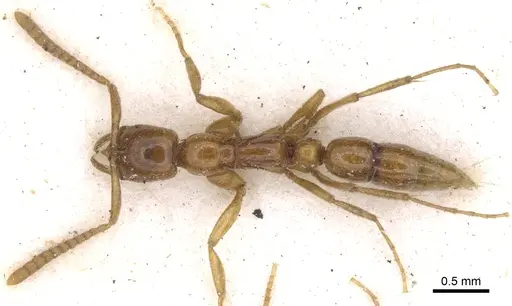
CASENT0902581
View on AntWeb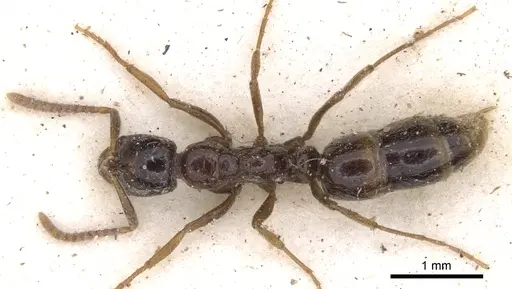
CASENT0907360
View on AntWeb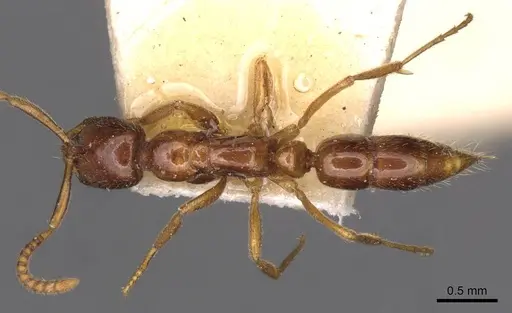
CASENT0907361
View on AntWeb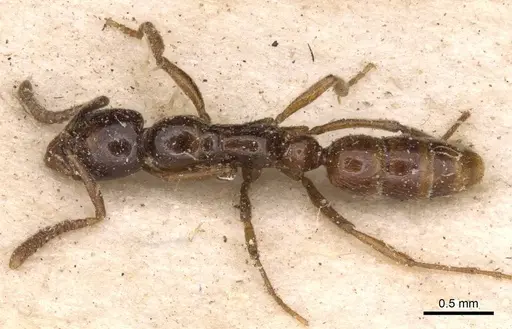
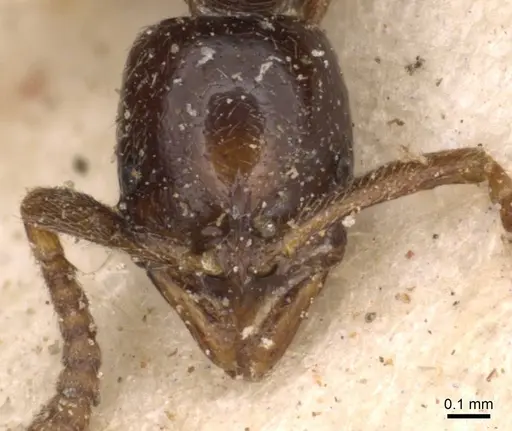
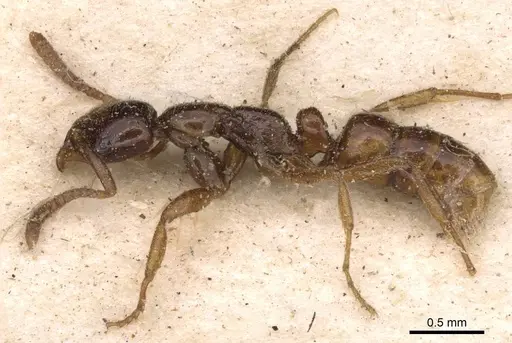
CASENT0915217
View on AntWeb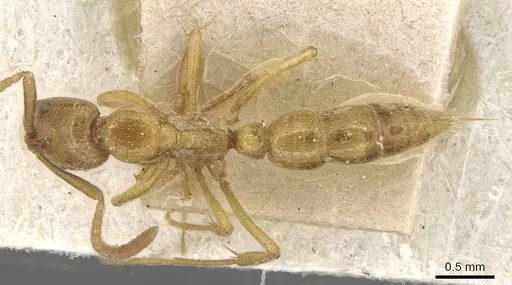
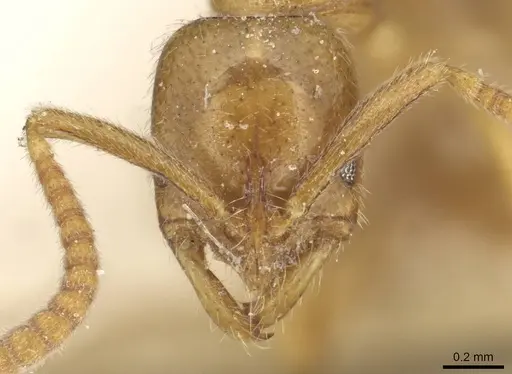
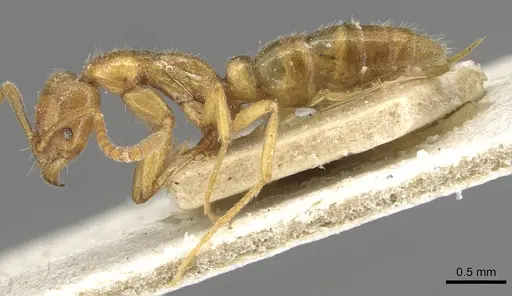
CASENT0915872
View on AntWeb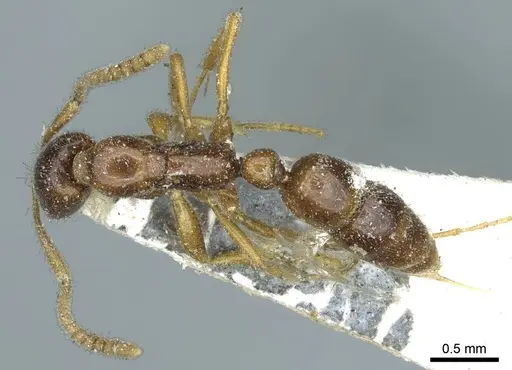
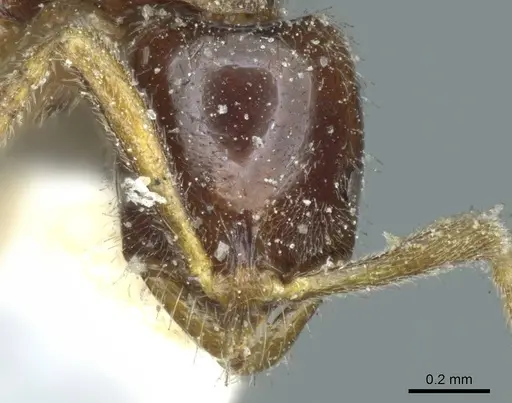
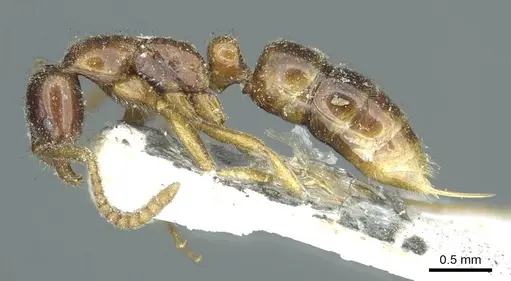
RMCAENT000017737
View on AntWeb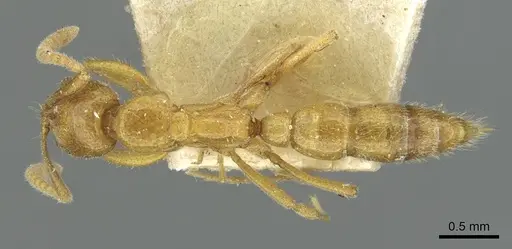
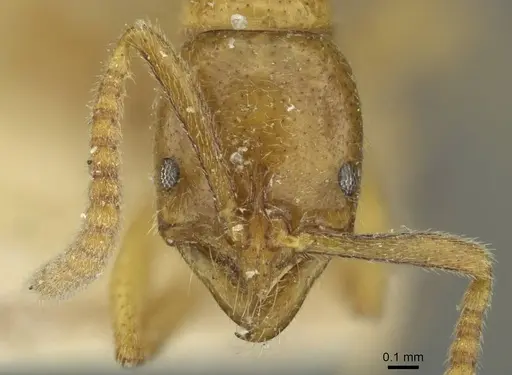
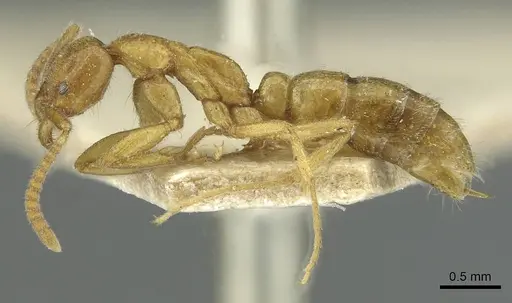
SAM-HYM-C006309A
View on AntWeb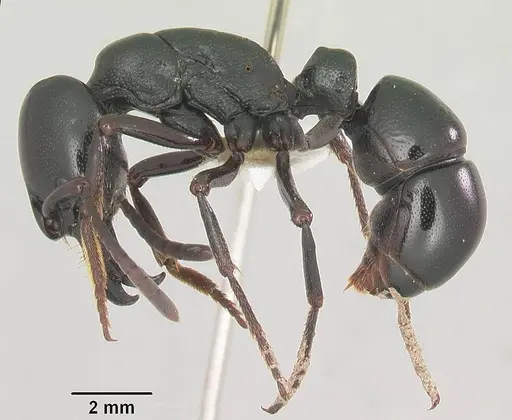
SAM-HYM-C006309B
View on AntWeb
SAM-HYM-C006689A
View on AntWeb

SAM-HYM-C006689B
View on AntWeb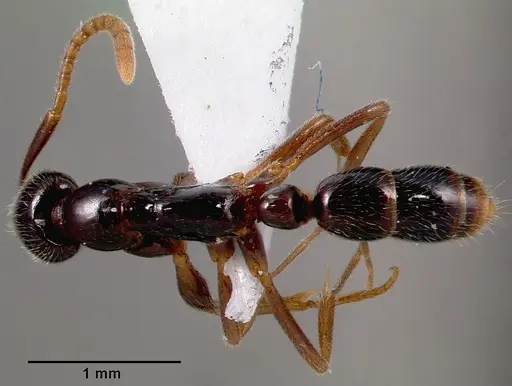
Literature
Loading distribution map...Loading products...