
Leptogenys bubastis
- Sci. Name
- Leptogenys bubastis
- Tribe
- Ponerini
- Subfamily
- Ponerinae
- Author
- Bolton, 1975
- Distribution
- Found in 3 countries
Introduction
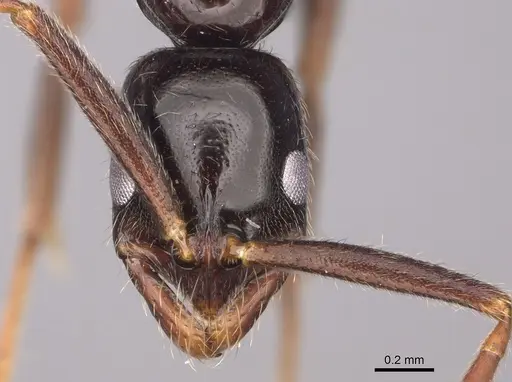
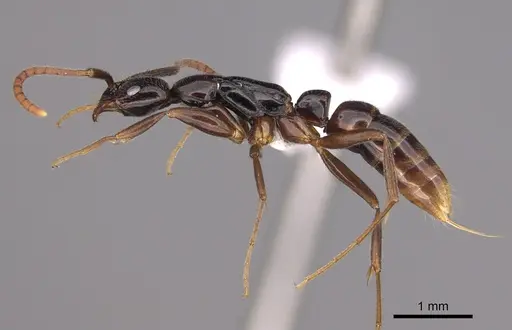
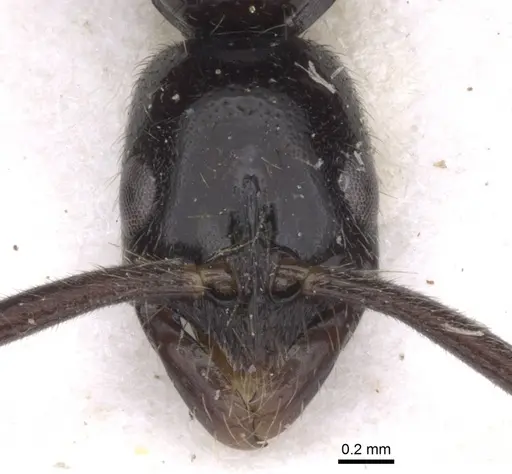
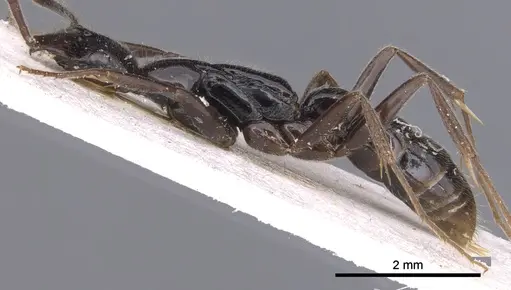
Leptogenys bubastis is a predatory ant from the Ponerinae subfamily, found in Cameroon and Gabon in West-Central Africa . Workers are slender with elongated mandibles typical of the genus, adapted for hunting small prey. They were described by Bolton in 1975 from Cameroon . This species lives in lowland forest leaf litter at around 110 meters elevation in Gabon . Like other Leptogenys, they are specialized predators that hunt isopods and use a mix of solitary foraging and group recruitment to capture prey . They have a functional sting for defense, typical of ponerines.
Quick Summary
- Difficulty: Medium
- Origin & Habitat: Lowland forest leaf litter in Cameroon and Gabon, West-Central Africa. Recorded at 110m elevation in Gabon [2][1].
- Colony Type: Unconfirmed. Likely monogyne (single queen) based on typical Leptogenys patterns, but no direct data for this species.
- Size & Growth:
- Queen: Size data unavailable. No direct measurements for this species.
- Worker: Size data unavailable. No direct measurements for this species.
- Colony: Unknown.
- Growth: Unknown, no data for this species.
- Development: Unknown, specific data not available for this species. (No published data on development.)
- Antkeeping:
- Temperature: Keep warm, around 24-28°C, based on its tropical lowland habitat [2]. Use a heating cable on one side to create a gradient. Avoid temperatures below 22°C.
- Humidity: Moderate to high. Keep the nest substrate consistently moist but not waterlogged. These forest-floor ants need damp conditions.
- Diapause: No. This tropical species from lowland Africa does not require winter diapause. Keep warm year-round.
- Nesting: Likely nest in soil or under stones on the forest floor. In captivity, use a Y-tong (AAC) nest or a moist plaster nest with tight chambers. They prefer darkness.
- Behavior: Active predators with a specialized diet of isopods [3]. They hunt solitarily but use group recruitment for larger prey [3]. Not aggressive toward humans but will sting if the nest is threatened. Workers are moderately active and explore the outworld regularly. Escape risk is moderate given their size.
- Common Issues: Limited availability of their natural prey (isopods) in the hobby, you may need to culture isopods or offer alternative small prey like fruit flies., Tropical species may decline if temperatures drop below 22°C., Ponerines can be sensitive to disturbance during founding, minimize nest inspections., Limited species-specific information means care is largely inferred from genus patterns.
Housing and Nest Preferences
Leptogenys bubastis comes from lowland forest leaf litter in Central Africa [2]. In nature they likely nest in soil or under stones. In captivity, use a Y-tong (AAC) nest or a moist plaster nest that holds humidity well. Keep chambers small and the nest covered to provide darkness. A water reservoir in the nest helps maintain humidity without constant misting. A small outworld gives them room to forage.
Feeding and Diet
This species is a specialist predator of isopods (woodlice) in the wild [3]. In captivity, culture small isopods as a primary food source. They will also accept other small arthropods like fruit flies, pinhead crickets, or small mealworms. Offer prey 2-3 times per week, removing any that are uneaten after 24 hours. They generally do not take sugar sources, so focus on protein. Always provide fresh water.
Temperature and Heating
As a tropical lowland species from Cameroon and Gabon [2], Leptogenys bubastis needs consistent warmth. Keep the nest area at 24-28°C. Use a heating cable placed on top of the nest (never underneath) to create a gentle gradient. Room temperature may work if your home stays in the low-to-mid 20s°C, but added heat often improves activity and brood development. If workers cluster near the heated area, the nest is warm enough. Avoid letting temperatures drop below 22°C.
Colony Founding
The founding behavior of Leptogenys bubastis has not been documented. Based on typical Leptogenys patterns, the queen likely seals herself in a small chamber (claustral founding) and raises the first brood using stored fat reserves. During this period she does not forage. Keep the founding chamber dark and undisturbed. The time from egg to first worker is unknown for this species. Once workers appear, begin offering small prey like fruit flies or isopods in the outworld.
Behavior and Foraging
Leptogenys bubastis uses solitary foraging combined with group recruitment when capturing prey [3]. Workers hunt individually for small prey but will recruit nestmates to carry larger items like isopods back to the nest. They are not aggressive toward humans but will defend the nest with a sting if disturbed. Once the colony is established, workers are moderately active and will explore the outworld regularly.
Frequently Asked Questions
How long does it take for Leptogenys bubastis to produce first workers?
This is unknown for this species. No published data on development. Based on typical ponerine development in warm conditions, a rough estimate is 6-10 weeks, but this is not confirmed.
What do Leptogenys bubastis eat?
Their main prey in the wild is isopods (woodlice) [3]. In captivity, you should culture small isopods as a staple. They will also accept fruit flies, pinhead crickets, and other tiny arthropods. They generally ignore sugar sources.
What temperature do Leptogenys bubastis need?
Keep them at 24-28°C, based on their tropical lowland habitat [2]. They do not tolerate cool temperatures well. Provide a heat source like a heating cable if needed.
Are Leptogenys bubastis good for beginners?
This species is rated Medium difficulty. The need for live isopods as prey and consistent warmth makes it better suited for keepers with some experience. The specialized diet requires extra effort to culture prey.
Do Leptogenys bubastis need hibernation?
No, being a tropical species from lowland Africa, they do not need winter diapause. Keep them warm year-round.
How big do Leptogenys bubastis colonies get?
Colony size is unknown for this species. No data exists. Related Leptogenys species can reach a few hundred workers, but this is speculative.
Can I keep multiple Leptogenys bubastis queens together?
Not recommended. It is unknown if this species is monogyne or polygyne. Based on most Leptogenys being monogyne, keeping multiple queens together would likely lead to fighting. Do not attempt without strong evidence.
When should I move Leptogenys bubastis to a formicarium?
Keep them in a test tube setup for the founding stage. Once you see regular foraging by a small group of workers (10-20), you can connect a small formicarium. Use a Y-tong or plaster nest with tight chambers and darkness. There is no set worker count, observe their activity.
Why is my Leptogenys bubastis colony declining?
Common causes: temperatures below 22°C, too dry conditions, lack of live isopods or other appropriate prey, or excessive disturbance. Ensure warm, humid conditions and a steady supply of small prey. Ponerines are sensitive to stress, minimize nest inspections.
Report an Issue
The current care sheet is based fully on literature. See inconsistencies, or something that's incorrect? Please , it will be resolved after review from an admin. Contributing to the blogs tab also helps providing information, to make us be able to further improve the caresheets. Thank you for your support!
References

This caresheet is licensed under CC BY-SA 4.0 .
Community Blogs
CASENT0270541
View on AntWeb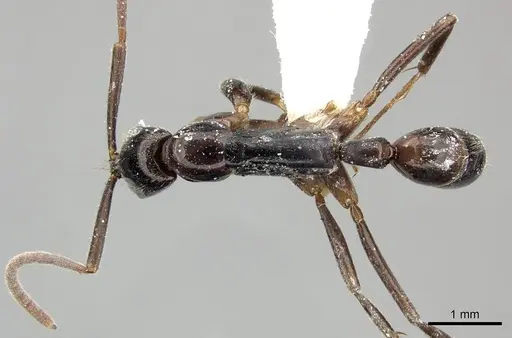
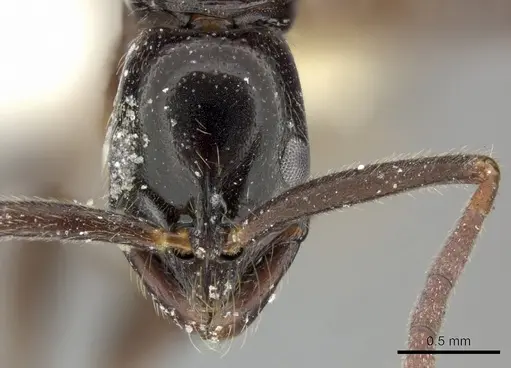
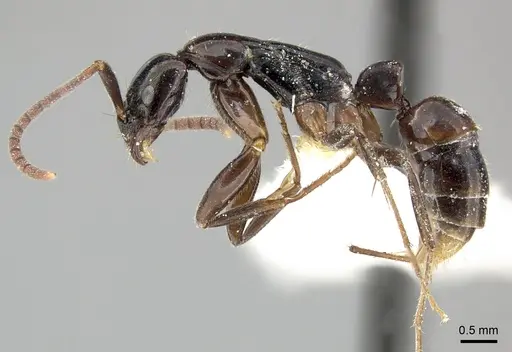
CASENT0815018
View on AntWeb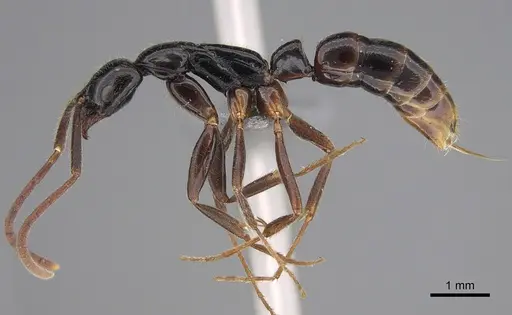
CASENT0872837
View on AntWeb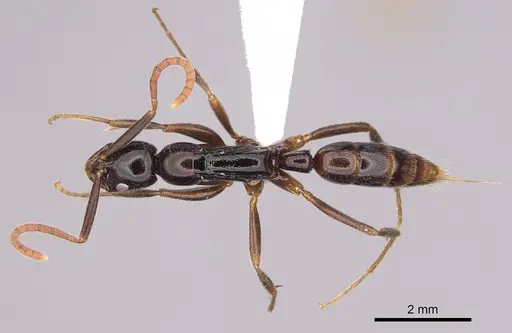
CASENT0902574
View on AntWeb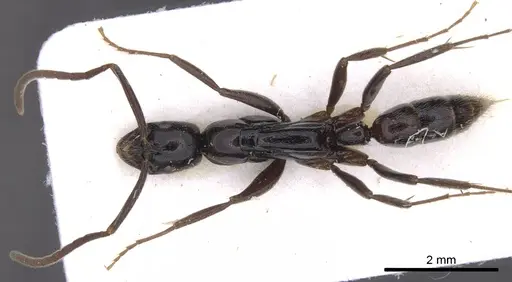
Literature
Loading distribution map...Loading products...