
Leptogenys birmana
- Sci. Name
- Leptogenys birmana
- Tribe
- Ponerini
- Subfamily
- Ponerinae
- Author
- Forel, 1900
- Distribution
- Found in 5 countries
Introduction
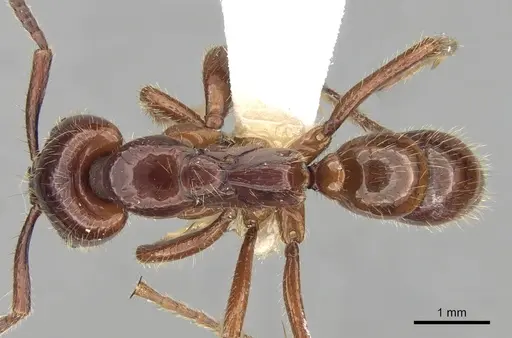
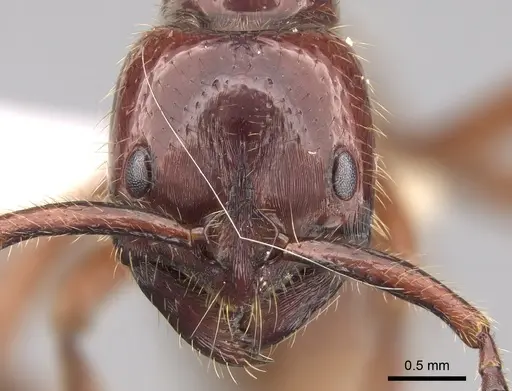
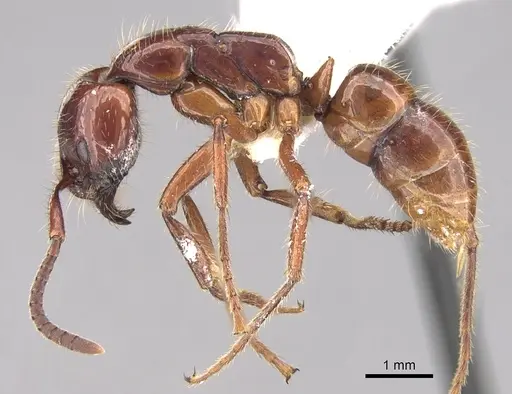
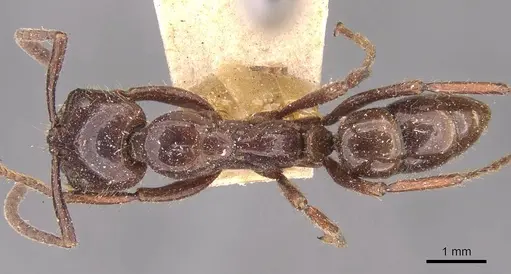
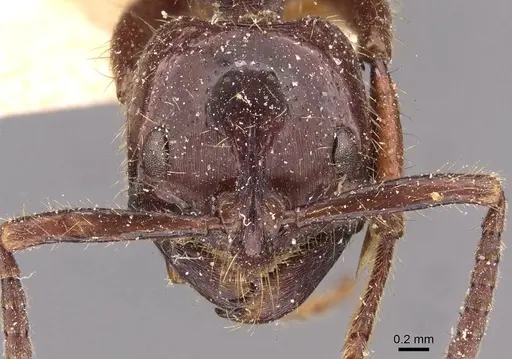
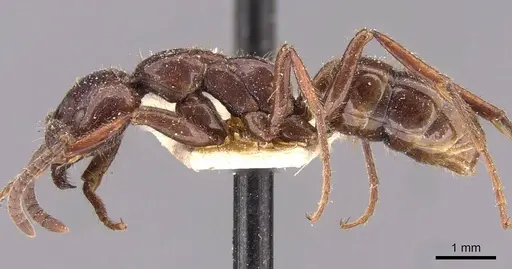
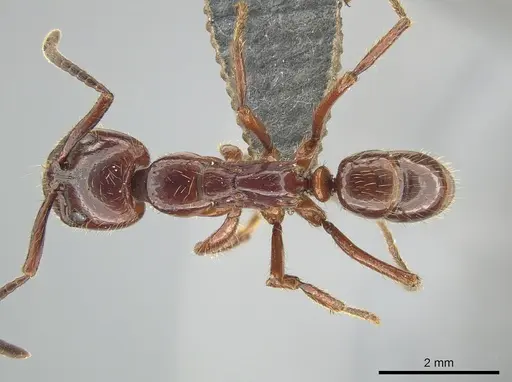
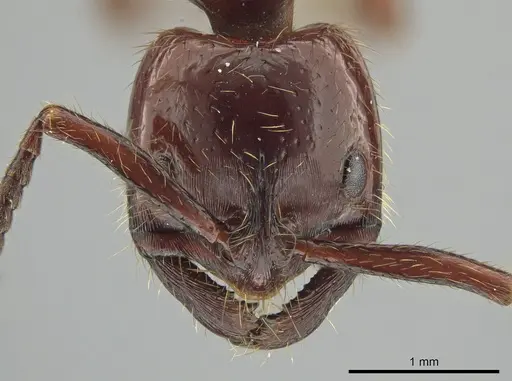
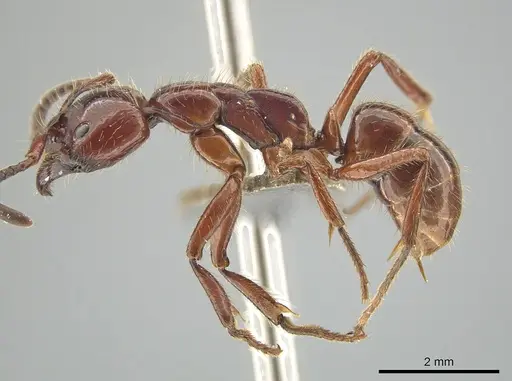
Leptogenys birmana is a medium-sized ant native to Southeast Asia and southern China. Workers measure 6.8-8 mm and have a reddish-brown coloration with a nearly square head . This species belongs to the Leptogenys crassicornis group and is characterized by a squamiform petiolar node and longitudinally striate head . Found in mixed deciduous forests, they are ground-nesting across Nepal, India, Myanmar, Thailand, Vietnam, and China . Based on Ponerinae patterns, these ants are predatory hunters that use their sting to capture small invertebrates.
Quick Summary
- Difficulty: Medium
- Origin & Habitat: Southeast Asia and southern China, found in mixed deciduous forests and dry dipterocarp forests at elevations from lowland to 1400m [7][6]. Ground nesting species [7]. Not found in rubber plantations [8].
- Colony Type: Unconfirmed, no specific data on queen number or social structure.
- Size & Growth:
- Queen: 9 mm [2]
- Worker: 6.8-8 mm [1][2]
- Colony: Unknown
- Growth: Moderate, inferred from typical Ponerinae development
- Development: Estimated 6-10 weeks at optimal temperature based on typical Ponerinae development (Development time inferred from genus patterns, direct measurements not available for this species)
- Antkeeping:
- Temperature: Temperature needs are unclear, start around 24-28°C and observe, based on tropical distribution
- Humidity: Keep nest substrate consistently moist but not waterlogged, based on ground-nesting habit [7]
- Diapause: No diapause required based on tropical distribution
- Nesting: Ground-nesting species. Use soil or Y-tong/plaster nest with moist substrate [7]
- Behavior: Predatory ants that hunt small invertebrates. Workers are active foragers. Not aggressive but will defend colony. Have a sting, so handle with care. Moderate escape risk due to size.
- Common Issues: colonies may fail if kept too dry, moisture is critical for ground-nesting species, predatory diet requires regular live prey, sugar alone is insufficient, slow founding phase means patience is required, may be difficult to establish in captivity if wild-caught queens are stressed, escape prevention needed though not as critical as for tiny species
Housing and Nest Setup
Leptogenys birmana is a ground-nesting species that thrives in naturalistic setups with moist soil substrate. A Y-tong nest with a soil chamber or a plaster nest works well. Maintain consistent moisture in the nesting area [7]. Provide a water reservoir connected to the nest to maintain humidity. The outworld should have a small water test tube for drinking. Because they are moderate-sized ants, standard escape prevention measures are sufficient.
Feeding and Diet
Leptogenys birmana is a predatory ant that hunts small invertebrates. In captivity, feed them small live prey such as fruit flies, pinhead crickets, or mealworms 2-3 times per week. They are primarily protein-focused, offer sugar water occasionally but not as primary food. Remove uneaten prey after 24 hours to prevent mold.
Temperature and Humidity
These ants come from tropical forests, so keep the nest at 24-28°C for optimal development. A slight temperature gradient allows workers to regulate exposure. Humidity is critical, keep substrate moist but not waterlogged [7]. Avoid drying from heating elements.
Behavior and Colony Dynamics
Leptogenys birmana workers are active foragers that hunt individually. They are not aggressive toward humans but defend the colony vigorously. Like other Leptogenys, they have a functional sting. Colonies start slowly during founding, with queen raising first brood alone. Once established, growth is moderate.
Seasonal Care
Given tropical distribution, no true hibernation is needed. In temperate climates, activity may slow in winter, but maintain nest above 20°C. Continue normal care year-round.
Frequently Asked Questions
How long does it take for Leptogenys birmana to produce first workers?
The exact timeline is not documented, but based on typical Ponerinae development, expect 6-10 weeks from egg to worker at optimal temperature (24-28°C). Founding queens may take longer as they raise the first brood alone.
Can I keep Leptogenys birmana in a test tube setup?
A test tube setup can work for founding colonies, but you will need to provide moisture through a water reservoir or frequent misting. A naturalistic setup with soil or a Y-tong nest with moisture provision is more suitable for established colonies.
What do Leptogenys birmana eat?
They are predatory ants that need live small invertebrates. Feed them fruit flies, pinhead crickets, mealworms, or similar prey 2-3 times per week. They may accept some sugar water but protein-rich prey should be their primary food.
Are Leptogenys birmana good for beginners?
This species is rated as medium difficulty. While not the most challenging ant to keep, their predatory diet requirements and need for consistent moisture make them better suited for keepers who have some experience with ant care.
How big do Leptogenys birmana colonies get?
Colony size is not well documented, but based on typical Leptogenys species, colonies likely reach several hundred workers at maturity. Growth is moderate, expect several months to a year to establish a solid colony.
Do Leptogenys birmana need hibernation?
No, they do not require hibernation. Being a tropical/subtropical species, they remain active year-round at room temperature. Simply maintain normal care throughout the year.
When should I move Leptogenys birmana to a formicarium?
You can move them once the colony reaches 20-30 workers and the founding setup becomes cramped. Ensure the new setup maintains the moisture levels this species requires.
Why are my Leptogenys birmana dying?
The most common causes are: too dry conditions (critical for ground-nesting species), insufficient protein prey, or stress from wild-caught founding. Ensure the nest substrate stays moist and provide regular live prey.
Can I keep multiple Leptogenys birmana queens together?
Combining unrelated queens has not been documented for this species. Based on typical Leptogenys behavior, it is not recommended to house multiple foundresses together as they may fight.
Report an Issue
The current care sheet is based fully on literature. See inconsistencies, or something that's incorrect? Please , it will be resolved after review from an admin. Contributing to the blogs tab also helps providing information, to make us be able to further improve the caresheets. Thank you for your support!
References

This caresheet is licensed under CC BY-SA 4.0 .
Community Blogs
Literature
Loading distribution map...Loading products...