
Leptogenys alluaudi
- Sci. Name
- Leptogenys alluaudi
- Tribe
- Ponerini
- Subfamily
- Ponerinae
- Author
- Emery, 1895
- Distribution
- Found in 1 countries
Introduction
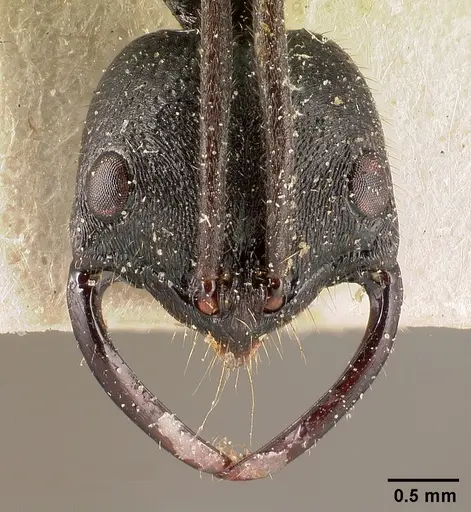
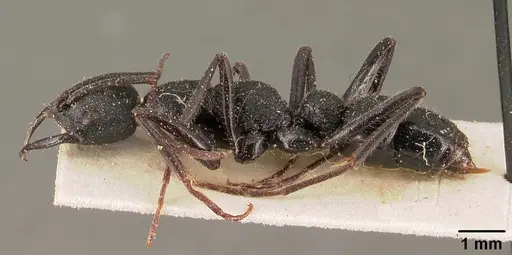
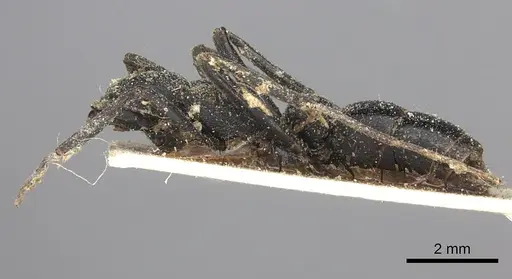
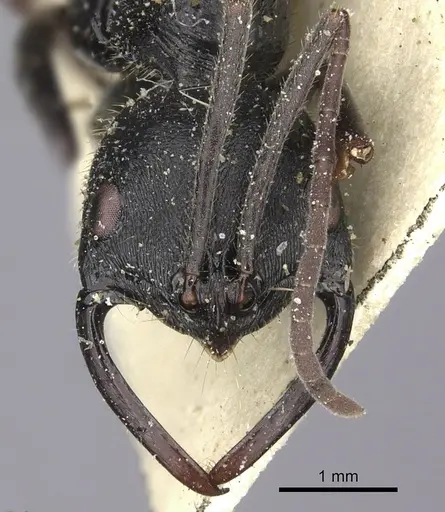
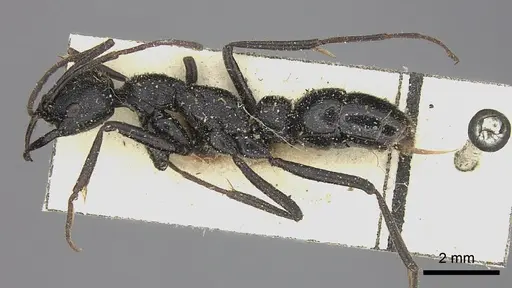
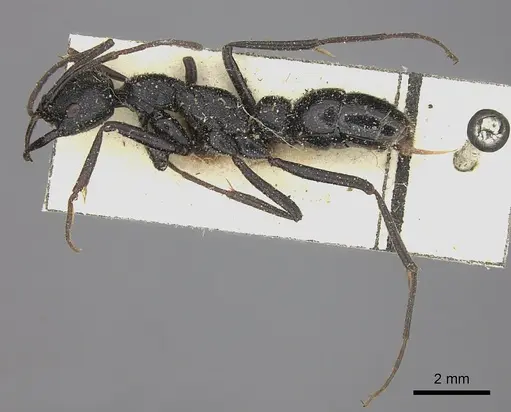
Leptogenys alluaudi is a medium-sized ponerine ant native to northern Madagascar. Workers have a distinctive black body with brown to reddish-brown tips on their gaster and appendages. Their head is nearly square (subquadrate) with large eyes that do not break the lateral margin of the head - a key identification feature that distinguishes them from related species like Leptogenys pilaka and Leptogenys incisa which have more elongated heads . This species is one of the larger members of the alluaudi species complex within the incisa species group and is closely related to Leptogenys pilaka, with which they share their range in Montagne d'Ambre . This species forages on the forest floor and in leaf litter, hunting small invertebrates. They nest primarily in rotten logs and occasionally in rotting tree stumps in their natural habitat . Their preference for humid, shaded forest environments means they need consistent moisture and protection from direct heat in captivity.
Quick Summary
- Difficulty: Medium
- Origin & Habitat: Northern Madagascar, found in dry forest, littoral forest, and montane rainforest [1]. They nest in rotten logs and rotting tree stumps, forages on the forest floor and in leaf litter.
- Colony Type: Colony structure is unconfirmed.
- Size & Growth:
- Queen: Size data unavailable, no queen measurements available for this species.
- Worker: Size data unavailable, the context provides head measurements (HW: 2.20-2.50) but not total body length.
- Colony: Colony size is unconfirmed.
- Growth: Growth rate is unconfirmed.
- Development: Development timeline is unconfirmed for this species. (No specific development data is available.)
- Antkeeping:
- Temperature: Keep warm, around 24-28°C. Avoid temperatures below 20°C.
- Humidity: High humidity is essential, they naturally live in damp forest floor environments. Keep substrate consistently moist but not waterlogged.
- Diapause: Diapause requirements are unconfirmed. As a tropical species from Madagascar, they likely do not require true hibernation.
- Nesting: Naturalistic setup works best, they nest in rotten logs in the wild. A setup with moist soil and pieces of rotting wood provides ideal conditions. Y-tong or plaster nests with high humidity also work well. Keep nest materials consistently damp.
- Behavior: Active hunters that forage on the forest floor. They are predatory and will hunt small invertebrates. Workers are medium-sized and relatively fast-moving. Escape risk is moderate, they can squeeze through small gaps. Use standard barrier methods. This species has a stinger as with most Ponerine ants.
- Common Issues: high humidity requirements can lead to mold if ventilation is poor, predatory diet means they need constant access to live prey, slow founding if semi-claustral, queens may need to leave nest to hunt during colony establishment, wild-caught colonies may have parasites that cause problems in captivity, colonies may fail if kept too dry, monitor substrate moisture consistently
Nest Preferences
In the wild, Leptogenys alluaudi nests primarily in rotten logs and occasionally in rotting tree stumps [1]. They forages in leaf litter and on the forest floor where humidity remains consistently high. For captive care, a naturalistic setup works best, use a moist soil substrate mixed with pieces of rotting wood or cork to simulate their natural log-nesting environment. Alternatively, Y-tong or plaster nests with high humidity chambers also work well. The key is maintaining consistently moist substrate without waterlogging. A water reservoir connected to the nest area helps maintain humidity. Avoid dry conditions entirely, this species will not thrive in dry setups.
Feeding and Diet
Leptogenys alluaudi is a predatory ant that hunts small invertebrates on the forest floor. In captivity, their primary food should be live small prey such as springtails, isopods, booklice, and other micro-arthropods. They are unlikely to accept sugar sources like honey or sugar water, this is typical for predatory Ponerine ants that get their energy from protein-rich prey. Feed prey items 2-3 times per week, adjusting based on colony size and consumption. Remove uneaten prey after 24-48 hours to prevent mold. [1]
Temperature and Care
As a tropical species from northern Madagascar, Leptogenys alluaudi requires warm temperatures. Aim for 24-28°C in the nest area. A heating cable on one side of the nest can create a temperature gradient, allowing workers to move between warmer and cooler areas. Avoid temperatures below 20°C for extended periods, this can slow colony development and potentially cause health issues. Room temperature in heated homes (around 22-24°C) is often suitable. Monitor colony behavior, if workers become sluggish or cluster together excessively, consider increasing temperature slightly. High humidity is equally important, so combine heating with humidity maintenance carefully to avoid drying out the nest. [1]
Behavior and Temperament
This is an active, predatory ant that hunts individually on the forest floor. Workers are medium-sized and relatively fast-moving. They are not aggressive toward humans but can deliver a sting if handled roughly. Escape risk is moderate, they can squeeze through small gaps. Use standard barrier methods like fluon on the rim of the outworld. Colonies are likely to be moderately defensive when the nest is disturbed, with workers rushing to investigate potential threats. [1]
Colony Founding
Founding behavior is unconfirmed for this specific species. If you obtain a founding queen, provide her with a small hunting area and offer small live prey periodically. Keep humidity high and temperatures warm (around 26°C). Founding colonies can be slow to establish, be patient and do not disturb the queen unnecessarily.
Growth and Development
Specific development timeline is not documented for this species. In captivity, provide consistent warmth, high humidity, and regular prey to support healthy development.
Frequently Asked Questions
How long does it take for Leptogenys alluaudi to produce first workers?
Exact timeline is unconfirmed. This is a moderate development time based on related species.
What do Leptogenys alluaudi eat in captivity?
They are predatory ants that need live small invertebrates. Feed them springtails, isopods, booklice, and similar micro-arthropods. They are unlikely to accept sugar sources like honey or sugar water. Remove uneaten prey after 24-48 hours.
Can I keep Leptogenys alluaudi in a test tube?
Test tubes are not ideal for this species. They require high humidity and prefer nesting in wood or soil-like substrates. A naturalistic setup with moist soil and rotting wood, or a Y-tong/plaster nest with high humidity, works much better.
What temperature do Leptogenys alluaudi need?
Keep them at 24-28°C. They come from tropical Madagascar and need warm conditions. A temperature gradient allowing workers to self-regulate is ideal. Avoid temperatures below 20°C.
Are Leptogenys alluaudi good for beginners?
This species is rated as medium difficulty. They require high humidity and a predatory diet of live prey, which is more demanding than feeding sugar water and protein. They are better suited for keepers with some experience maintaining humid conditions and providing live food.
How big do Leptogenys alluaudi colonies get?
Colony size is unconfirmed for this species.
Do Leptogenys alluaudi need hibernation?
Hibernation requirements are unconfirmed. As a tropical species from Madagascar, they likely do not require true hibernation. They may reduce activity during cooler periods, but a full diapause is probably not necessary.
Why is my Leptogenys alluaudi colony dying?
Common causes include: too dry conditions (they need consistently moist substrate), lack of live prey (they need protein-rich food, not sugar), temperatures too low (keep above 20°C), or parasites from wild-caught colonies. Check humidity levels first, dry conditions are the most common killer of these forest-floor ants.
Can I keep multiple Leptogenys alluaudi queens together?
Colony structure is unconfirmed for this species. Combining unrelated queens has not been documented and is not recommended. If you obtain multiple founding queens, house them separately until you determine colony structure.
Report an Issue
The current care sheet is based fully on literature. See inconsistencies, or something that's incorrect? Please , it will be resolved after review from an admin. Contributing to the blogs tab also helps providing information, to make us be able to further improve the caresheets. Thank you for your support!
References

This caresheet is licensed under CC BY-SA 4.0 .
Community Blogs
CASENT0054724
View on AntWeb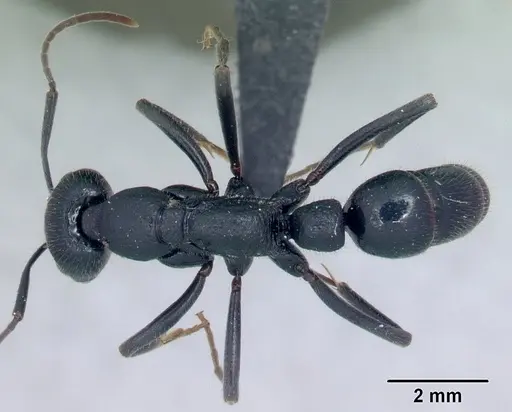
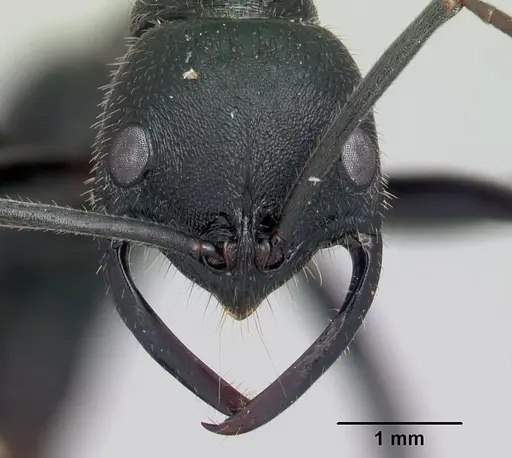
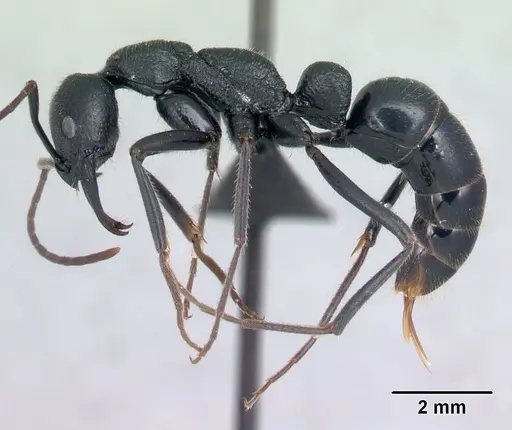
CASENT0101131
View on AntWeb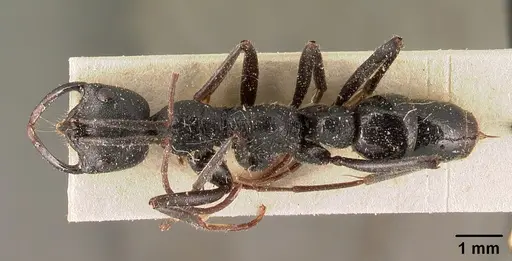
CASENT0260384
View on AntWeb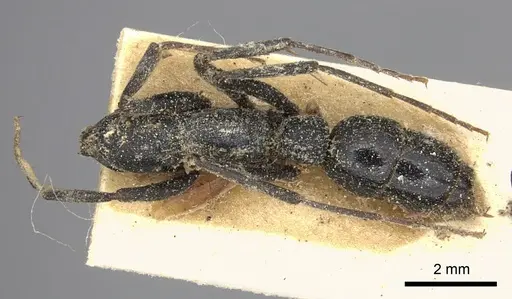
CASENT0260385
View on AntWeb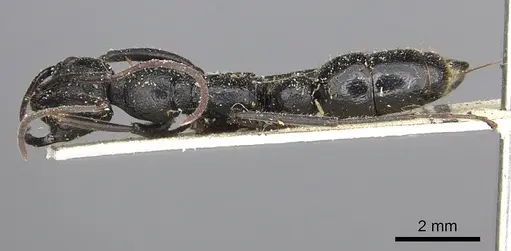
Literature
Loading distribution map...Loading products...