
Leptogenys acutangula
- Sci. Name
- Leptogenys acutangula
- Tribe
- Ponerini
- Subfamily
- Ponerinae
- Author
- Emery, 1914
- Distribution
- Found in 1 countries
Introduction
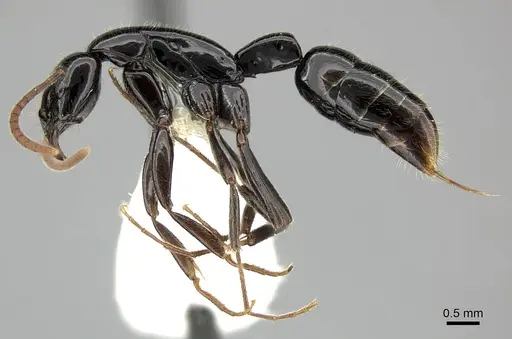
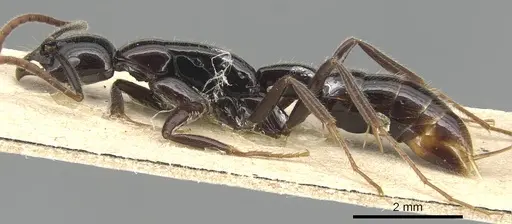
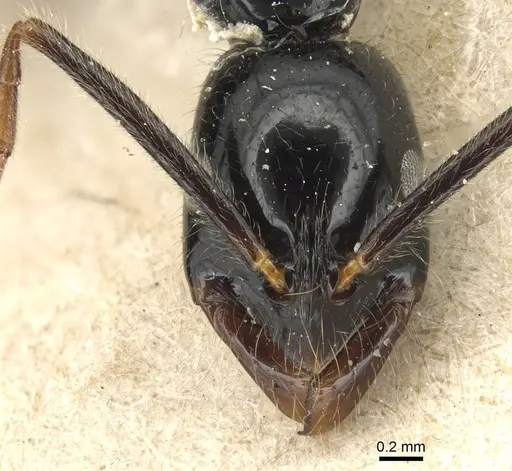
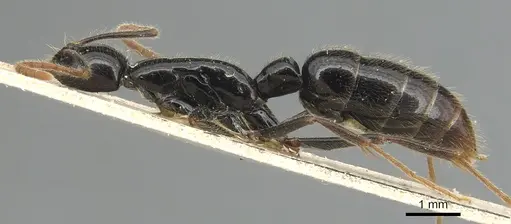
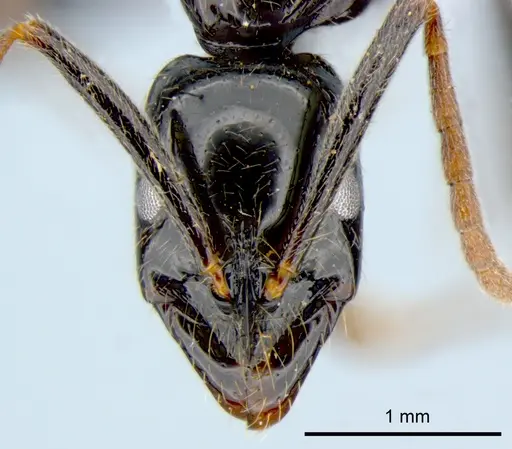
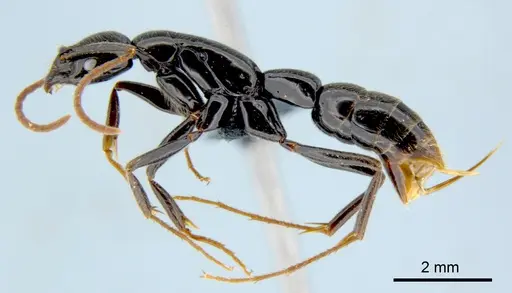
Leptogenys acutangula is a predatory ant species native to New Caledonia, a Pacific island in the Australasian region. Workers are slender ants belonging to the subfamily Ponerinae, known for their hunting and predatory behaviors. The species was originally described by Emery in 1914,with the variety brevinoda (featuring an ergatoid queen - a wingless replacement reproductive) later recognized as a synonym . As a Ponerine ant, this species has a functional stinger for defense. The genus Leptogenys is known for legionary-style foraging raids where workers coordinate to capture prey.
Quick Summary
- Difficulty: Medium, limited species-specific data available
- Origin & Habitat: New Caledonia, a tropical Pacific island [2][1]
- Colony Type: Single-queen colonies with ergatoid (wingless) replacement queens, the brevinoda variety was described as having an ergatoid queen [3]
- Size & Growth:
- Queen: Size data unavailable, no specific measurements in available literature
- Worker: Size data unavailable, no specific measurements in available literature
- Colony: Unknown, no data available
- Growth: Unknown
- Development: Unknown, no species-specific data available (Development time unconfirmed for this species.)
- Antkeeping:
- Temperature: Unconfirmed, suggest 22-26°C as a starting point, typical for tropical Ponerinae
- Humidity: Unconfirmed, likely requires humid conditions based on New Caledonia's wet forest habitats
- Diapause: No, New Caledonia is tropical with minimal seasonal temperature variation
- Nesting: Likely prefers humid nest materials like plaster or soil-based setups. Natural nesting habits unconfirmed.
- Behavior: Behavior is unconfirmed for this specific species. Leptogenys genus members are known for predatory nature and active hunting raids. They possess a stinger for defense (Ponerinae trait). Escape risk is moderate, use standard barrier methods.
- Common Issues: limited species-specific care information makes proper husbandry challenging, predatory diet requirements mean you must provide regular live prey, humidity needs may be easily met incorrectly leading to health issues, wild-caught colonies may have parasites, tropical origin means temperature must be maintained year-round
Species Overview and Distribution
Leptogenys acutangula is endemic to New Caledonia, a French territory in the South Pacific. This island features diverse habitats ranging from humid tropical forests to dry savannas. The species was originally described in 1914 by Carlo Emery, with the variety brevinoda (featuring an ergatoid queen) later determined to be the same species [1]. New Caledonia is recognized as a biodiversity hotspot with many endemic ant species.
Understanding the Leptogenys Genus
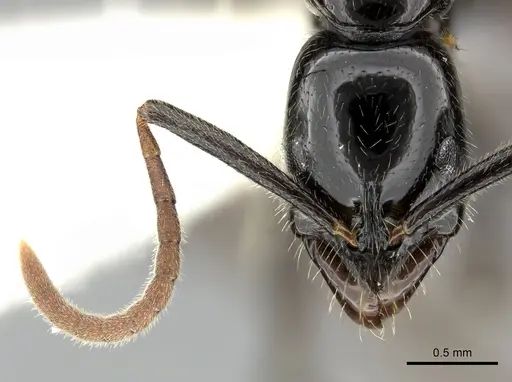
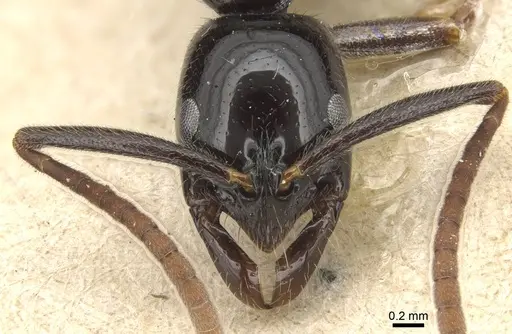
Leptogenys is a genus of predatory ants found primarily in tropical and subtropical regions worldwide. Members of this genus are often called 'legionary ants' because they conduct coordinated raids to capture prey. Workers are typically slender with distinctive elongated mandibles adapted for hunting. Many Leptogenys species have ergatoid (wingless) queens that can serve as replacement reproductives if the primary queen dies. While L. acutangula specifically has limited documentation, general genus behavior suggests these ants are active hunters.
Housing and Nest Setup
For this species, use a nest setup that maintains humidity, plaster nests or soil-based naturalistic setups work well for Ponerinae ants. The nest should have chambers scaled to colony size. An outworld (foraging area) should be attached, with enough space for hunting behavior. Use a test tube setup for founding colonies, transitioning to a proper nest once the colony reaches a moderate size. Escape prevention is important, while not among the smallest ants, they are agile.
Feeding and Diet
As predatory ants, Leptogenys acutangula requires a protein-rich diet of live small invertebrates. Offer small prey items such as fruit flies, small crickets, mealworms, and other appropriately sized insects. Prey should be alive or recently killed, these ants are not typical scavengers. Feed based on colony size and consumption rate. Remove uneaten prey after 24-48 hours to prevent mold.
Temperature and Humidity Requirements
Since L. acutangula comes from tropical New Caledonia, maintain warm temperatures in the 22-26°C range. A heating cable on one side of the nest can create a temperature gradient. Humidity should be kept relatively high to match humid forest floor conditions. Since New Caledonia lacks a true winter, these ants do not require hibernation or diapause.
Colony Development and Growth
Colony development specifics are unconfirmed for this species. Based on related Leptogenys species, founding likely involves a semi-claustral queen that may hunt during the initial brood development. Ergatoid queens mean replacement reproductives may be present, potentially allowing longer colony lifespans.
Frequently Asked Questions
How long does it take for Leptogenys acutangula to produce first workers?
The exact timeline is unconfirmed for this species. Based on related Ponerinae ants, expect several months from egg to first worker at optimal temperature. The founding queen may need to hunt during this period if she is semi-claustral.
What do Leptogenys acutangula ants eat?
These are predatory ants that require live small invertebrates. Feed small prey like fruit flies, pinhead crickets, small mealworms, or other appropriately sized insects. Remove uneaten prey promptly.
Can I keep multiple Leptogenys acutangula queens together?
This is unconfirmed for the species. Leptogenys genus typically has single-queen colonies, and combining unrelated queens is not recommended without specific evidence they can co-found.
What temperature and humidity do Leptogenys acutangula need?
Keep temperatures in the 22-26°C range with moderate to high humidity. These tropical ants do not require hibernation. A temperature gradient allows the colony to self-regulate.
Is Leptogenys acutangula a good species for beginners?
This species is not recommended for beginners due to limited species-specific care information. The predatory diet requirements and humidity needs make it more challenging than beginner-friendly species like Lasius or Messor.
How big do Leptogenys acutangula colonies get?
Colony size is unconfirmed for this specific species. Based on genus patterns, expect moderate-sized colonies.
When should I move Leptogenys acutangula from a test tube to a formicarium?
Move the colony once it reaches a moderate size and the test tube shows signs of crowding or mold. Ensure the new nest maintains similar humidity levels to prevent stress during the transition.
Does Leptogenys acutangula need a diapause or hibernation?
No, as a tropical species from New Caledonia, these ants do not require hibernation. Maintain warm temperatures year-round.
Why is my Leptogenys acutangula colony declining?
Common causes include insufficient prey (they need regular live protein), incorrect humidity, temperature stress, or parasites. Review each care parameter and ensure prey items are appropriately sized and fresh.
Report an Issue
The current care sheet is based fully on literature. See inconsistencies, or something that's incorrect? Please , it will be resolved after review from an admin. Contributing to the blogs tab also helps providing information, to make us be able to further improve the caresheets. Thank you for your support!
References

This caresheet is licensed under CC BY-SA 4.0 .
Community Blogs
CASENT0270535
View on AntWeb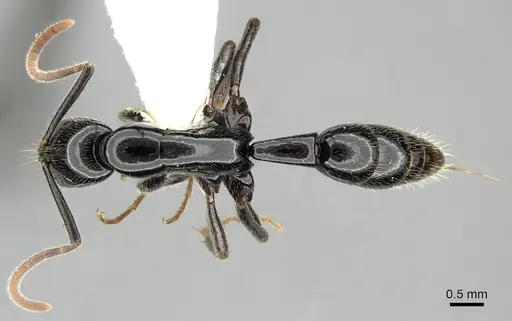
CASENT0887821
View on AntWeb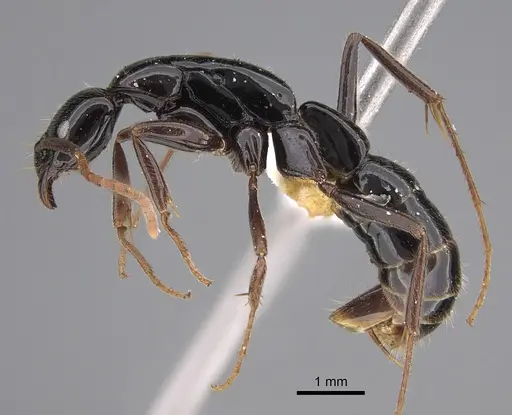
CASENT0903946
View on AntWeb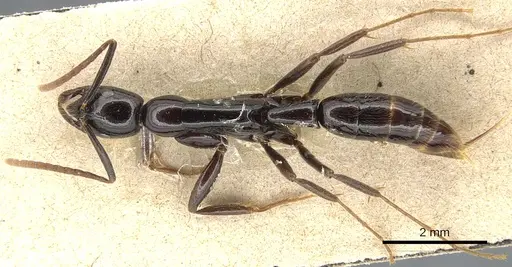
CASENT0903947
View on AntWeb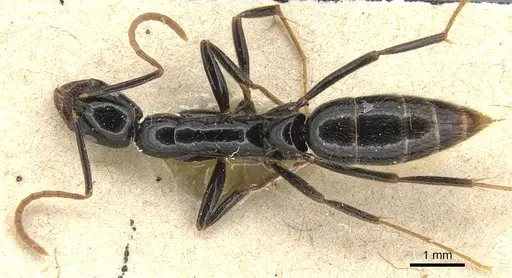
CSIRONC0011
View on AntWeb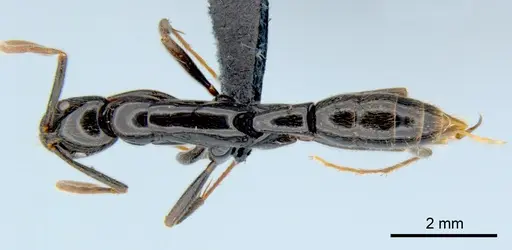
Literature
Loading distribution map...Loading products...