
Lepisiota semenovi
- Sci. Name
- Lepisiota semenovi
- Tribe
- Plagiolepidini
- Subfamily
- Formicinae
- Author
- Ruzsky, 1905
- Distribution
- Found in 2 countries
Introduction
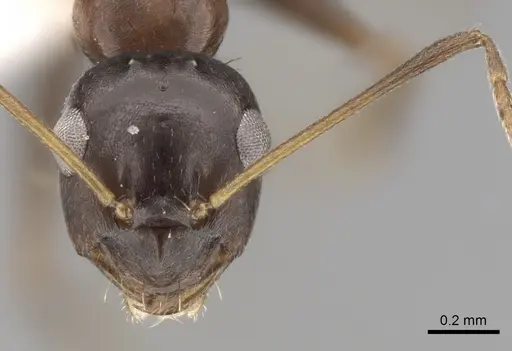
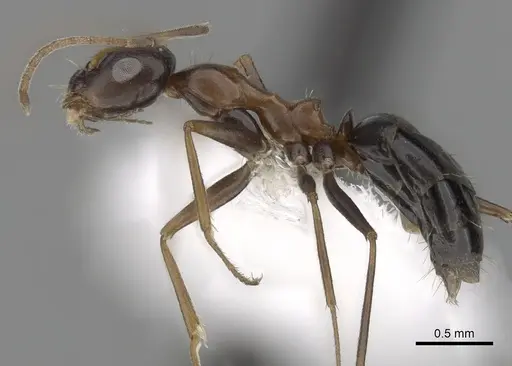
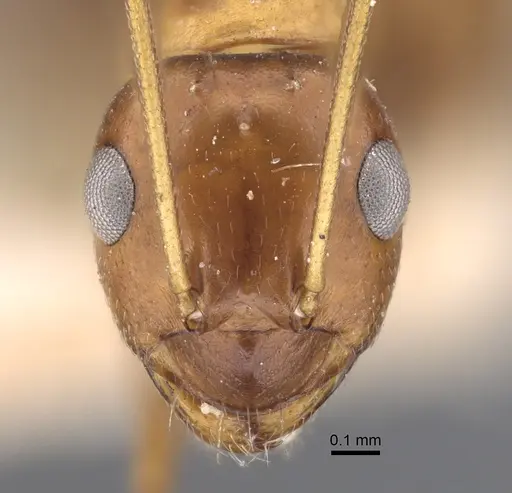
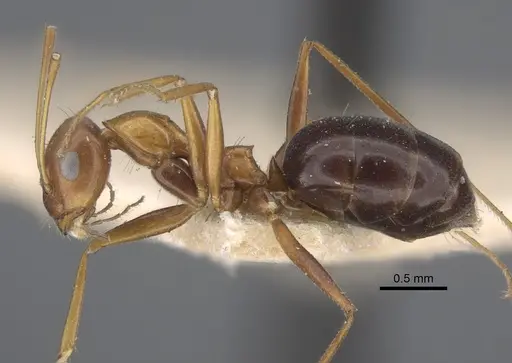
Lepisiota semenovi is a small ant species found across Central Asia and the Caucasus, from Russia's North Caucasus through Iran to Kazakhstan and Kyrgyzstan . In Iran, they inhabit montane areas between 1760-2263 meters elevation, including oak forests, agricultural fields, and grazing lands . They serve as indicator species for central desert habitats, demonstrating adaptability to arid conditions . These ants are omnivores and scavengers, common in desert ecosystems with low primary productivity . Recent genetic studies suggest this widespread species may actually be a complex of cryptic species - genetically distinct populations that appear identical - meaning care requirements could vary by population origin .
Quick Summary
- Difficulty: Medium
- Origin & Habitat: Central Asia and the Caucasus region: Iran, Kazakhstan, Kyrgyzstan, Russia (North Caucasus), Azerbaijan, and Turkey [1][2][4]. Found in montane areas (1760-2263m elevation), oak forests, agricultural fields, grazing lands, and central desert habitats [4][5][6].
- Colony Type: Based on genus patterns, likely multi-queen, Lepisiota species commonly form colonies with multiple queens.
- Size & Growth:
- Queen: ~4-6mm, inferred from Lepisiota genus patterns
- Worker: ~2-3mm, inferred from Lepisiota genus patterns
- Colony: Up to several hundred workers, inferred from genus patterns
- Growth: Unknown
- Development: Estimated 6-10 weeks at 25°C, inferred from typical Formicinae development patterns (Development time is estimated based on related Formicinae species, specific data for this species is unavailable.)
- Antkeeping:
- Temperature: Keep at 20-25°C with a heat gradient. Montane origin suggests tolerance for cooler conditions, with nighttime drops to 15-18°C [4].
- Humidity: Moderate, provide a humidity gradient with a moist area for brood and drier areas for foraging. Nest material should feel slightly damp but never waterlogged [6][5].
- Diapause: Likely required, inferred from temperate montane distribution. Consider a winter cooling period from November to February at 10-15°C.
- Nesting: Soil-nesting species, use a formicarium with sand/soil mix or Y-tong nest with tight-fitting lid [4].
- Behavior: Active scavengers and omnivores [6]. Small size means excellent escape prevention is essential, use Fluon or fine mesh barriers. Not known to be aggressive defenders.
- Common Issues: limited specific care documentation means requirements are largely estimated from genus patterns., cryptic species complex suggests care needs may vary by population origin [8]., small size requires excellent escape prevention with fine mesh barriers., montane origin may require cooler temperatures than lowland desert species.
Natural History and Distribution
Lepisiota semenovi ranges across Central Asia and the Caucasus region. You can find them in Iran, Kazakhstan, Kyrgyzstan, Russia's North Caucasus, Azerbaijan, and Turkey [1][2][3]. In Iran, they appear in diverse settings from oak forests at 1760 meters to agricultural fields and grazing lands above 2000 meters elevation [4]. They prefer montane areas with moderate rainfall [5], yet they also serve as indicator species for central desert habitats, suggesting they handle arid conditions well [6][7]. This adaptability to both mountain and desert edge environments makes them interesting, though recent studies suggest they might actually be a complex of cryptic species, meaning populations from different regions could have different care requirements [8]. Records from Greece are probably misidentifications of other species [9].
Housing and Nest Setup
In nature, these ants nest in soil within agricultural areas and grazing lands [4]. For captive care, use a standard formicarium with a sand and soil mix, or a Y-tong nest with narrow chambers scaled to their small size. Provide good ventilation while maintaining moderate humidity, the nest material should feel slightly damp but never waterlogged. Because they come from montane and desert habitats, avoid stagnant air which could cause mold, but also prevent excessive dryness that might stress the colony [6][5].
Feeding and Diet
These ants are omnivores and scavengers, feeding on whatever they can find in their environment [6]. In captivity, offer a varied diet including sugar water or honey for carbohydrates, and small protein sources like fruit flies, springtails, or tiny pieces of mealworm. As desert ecosystem scavengers, they likely accept dead insects readily. Feed small amounts frequently rather than large amounts that could rot in the nest.
Temperature and Seasonal Care
Their montane origin (living at 1760-2263m elevation) suggests they tolerate cooler conditions than lowland tropical ants [4]. Start with temperatures around 20-25°C with a gentle heat gradient, allowing them to choose warmer or cooler spots. Nighttime drops to 15-18°C likely mimic their natural mountain conditions. Whether they require diapause (winter rest) remains unconfirmed, but given their temperate distribution, a cooling period during winter months may benefit colony health.
Behavior and Temperament
Specific behavioral studies are lacking for this species. As omnivorous scavengers, they likely forage actively during suitable temperatures [6]. Their small size means they can squeeze through tiny gaps, so use excellent escape prevention like Fluon or fine mesh barriers. They are preyed upon by geckos in their native range, suggesting they are not highly aggressive defenders [10].
Frequently Asked Questions
Can I keep Lepisiota semenovi in a test tube?
Yes, standard test tube setups work for founding colonies. Provide a water reservoir with cotton and keep the tube in a quiet, temperature-stable location.
What do Lepisiota semenovi eat?
They are omnivores and scavengers [6]. Offer sugar water or honey for energy, and small protein sources like fruit flies, springtails, or tiny insect pieces.
Do Lepisiota semenovi need hibernation?
Likely yes, inferred from their temperate montane distribution. Consider a winter cooling period from November to February at 10-15°C.
How big do Lepisiota semenovi colonies get?
Estimated up to several hundred workers based on genus patterns. Specific colony size data is unavailable for this species.
Are Lepisiota semenovi good for beginners?
Probably not ideal for beginners due to limited care documentation and small size requiring excellent escape prevention.
Where do Lepisiota semenovi come from?
Central Asia and the Caucasus: Iran, Kazakhstan, Kyrgyzstan, Russia (North Caucasus), Azerbaijan, and Turkey [2].
How long until Lepisiota semenovi get their first workers?
Estimated 6-10 weeks at 25°C, inferred from typical Formicinae development patterns. Specific data for this species is unavailable.
Can I keep multiple Lepisiota semenovi queens together?
Unknown for this specific species. The genus Lepisiota often forms multi-queen colonies, but combining unrelated queens is risky and unconfirmed for this species.
Report an Issue
The current care sheet is based fully on literature. See inconsistencies, or something that's incorrect? Please , it will be resolved after review from an admin. Contributing to the blogs tab also helps providing information, to make us be able to further improve the caresheets. Thank you for your support!
References

This caresheet is licensed under CC BY-SA 4.0 .
Community Blogs
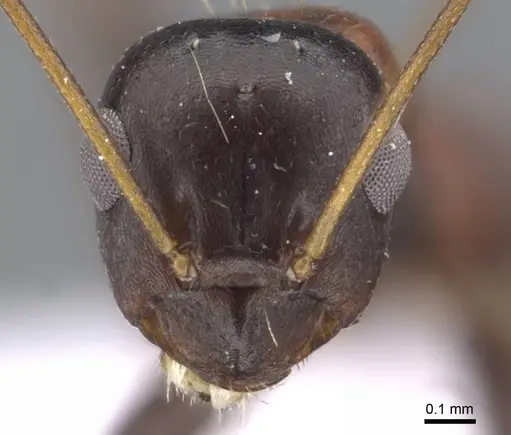
CASENT0280478
View on AntWeb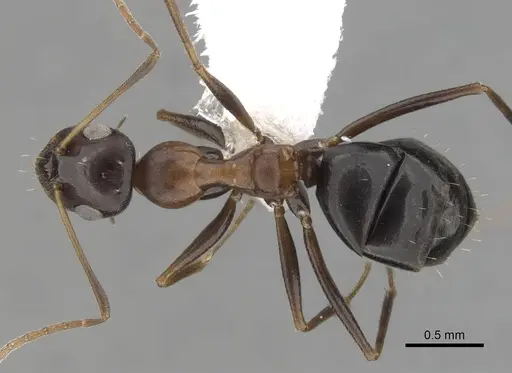
CASENT0910239
View on AntWeb
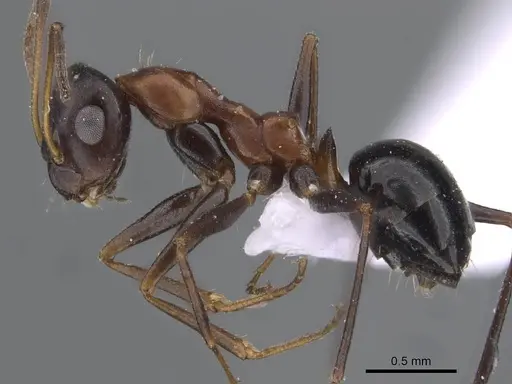
CASENT0912403
View on AntWeb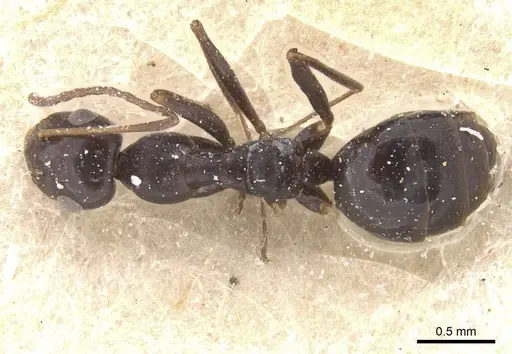
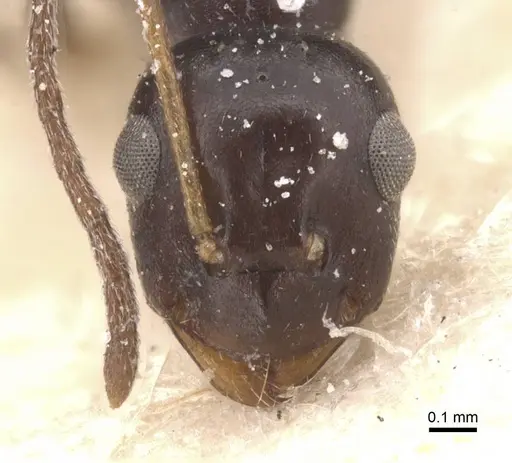
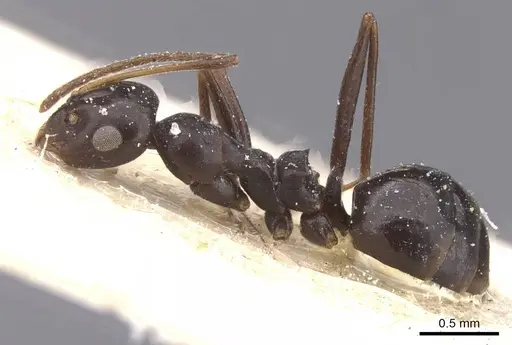
CASENT0912404
View on AntWeb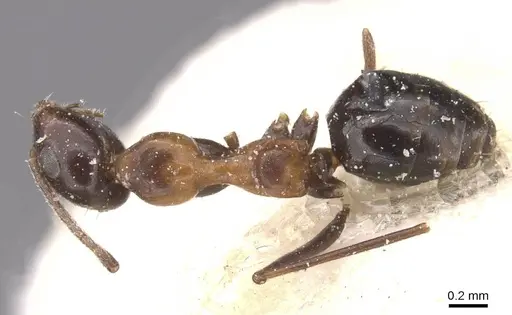
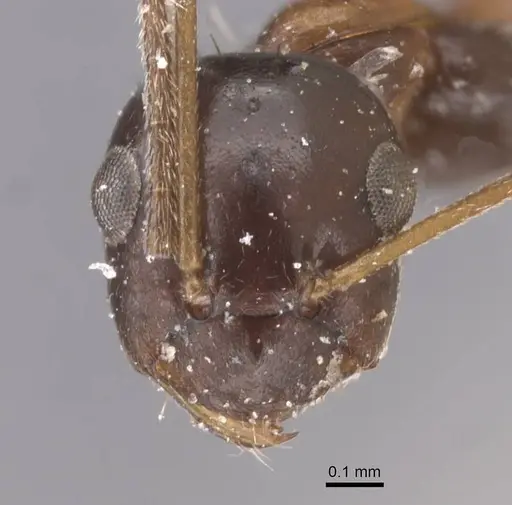
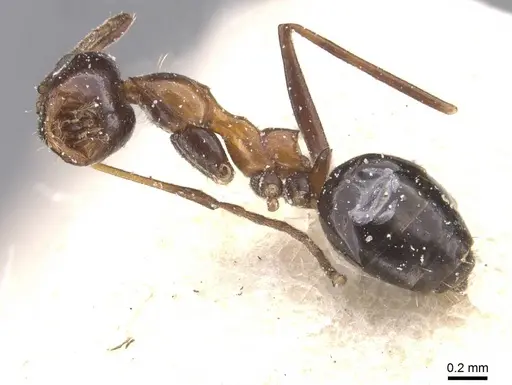
CASENT0912406
View on AntWeb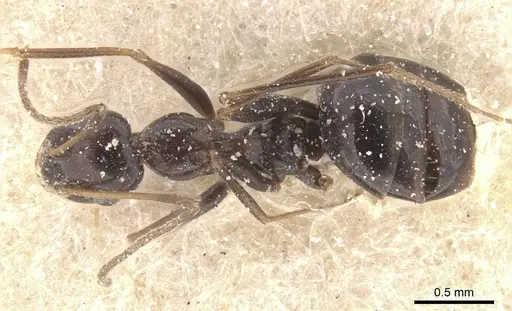
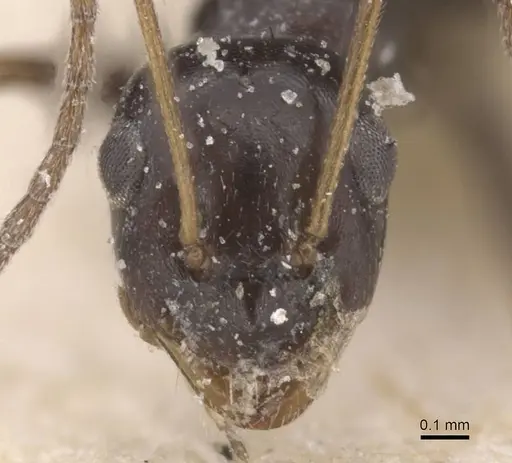
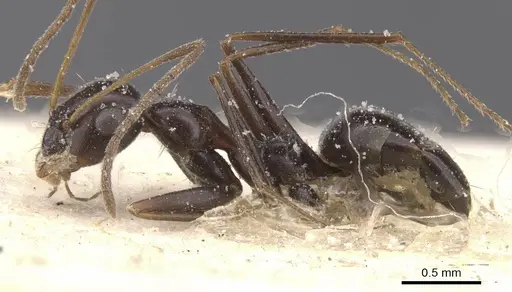
CASENT0912408
View on AntWeb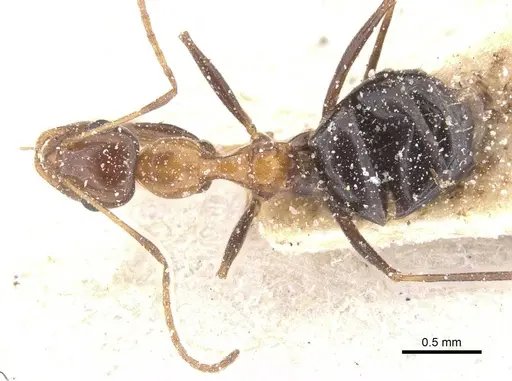
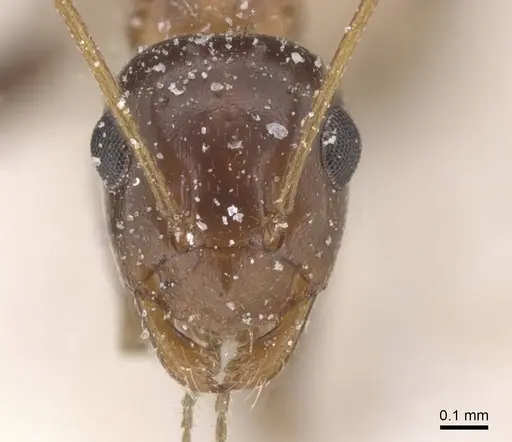
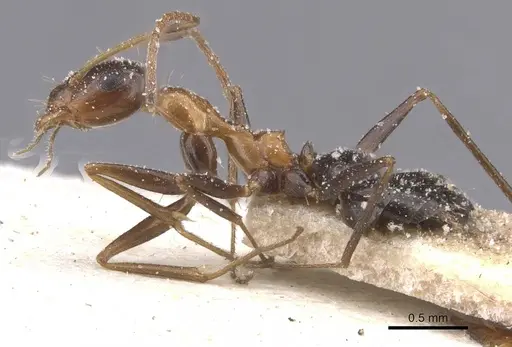
CASENT0917873
View on AntWeb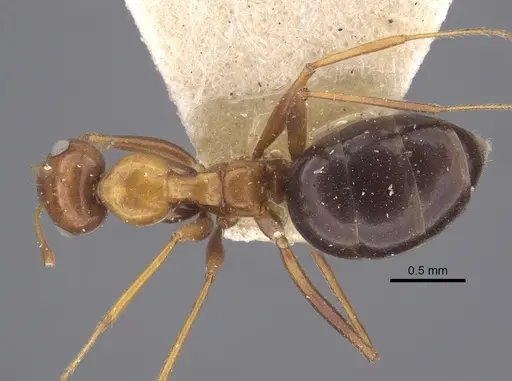
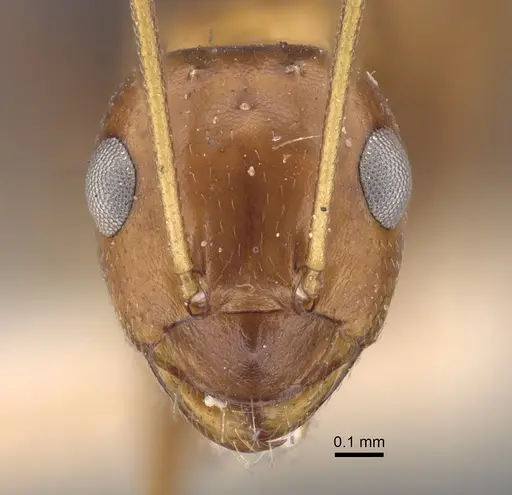
Literature
Loading distribution map...Loading products...