
Lepisiota monardi
- Sci. Name
- Lepisiota monardi
- Tribe
- Plagiolepidini
- Subfamily
- Formicinae
- Author
- Santschi, 1930
- Distribution
- Found in 2 countries
Introduction
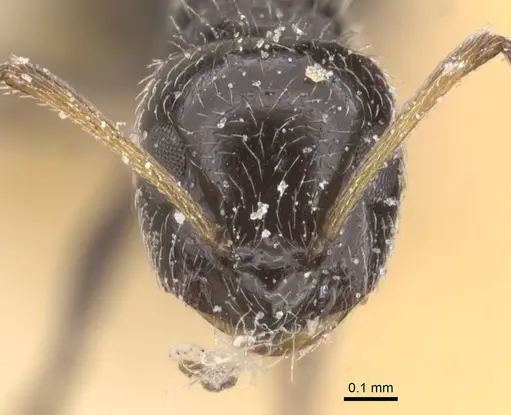
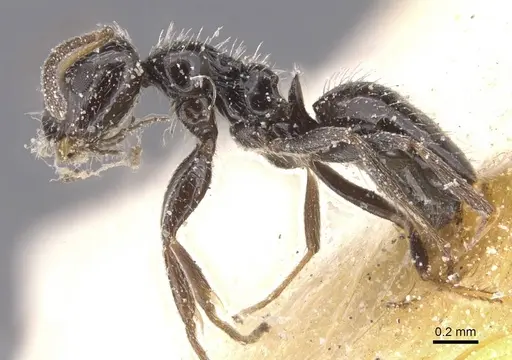
Lepisiota monardi is a small ant species native to West Africa, documented in Angola, Benin, Guinea, Mali, and Nigeria . Workers are slender ants of the Formicinae subfamily, but exact body size measurements are not available . In Benin, they inhabit mango orchards and trees such as Terminalia and Annona muricata, nesting in soil or arboreal in hollow branches . This species shows adaptability to human-modified landscapes, foraging in residential areas near rivers as recorded in Mali .
Quick Summary
- Difficulty: Medium
- Origin & Habitat: West Africa, found in Angola, Benin, Guinea, Mali, and Nigeria. In Benin, they inhabit mango orchards and trees including Terminalia and Annona muricata. Nests are located in soil or arboreal in hollow branches [1][2].
- Colony Type: Colony structure is unconfirmed. Based on typical Lepisiota patterns, likely single-queen colonies, but this requires confirmation.
- Size & Growth:
- Queen: ~6-8 mm, inferred from Lepisiota genus
- Worker: ~3-5 mm, inferred from Lepisiota genus
- Colony: Maximum colony size is unknown for this species.
- Growth: Moderate, estimated based on tropical distribution
- Development: Estimated 6-8 weeks at optimal temperatures based on related Formicinae patterns (Development timeline is not directly studied for this species.)
- Antkeeping:
- Temperature: Keep warm at 24-28°C. Based on West African origin, they prefer stable tropical temperatures [1].
- Humidity: Keep substrate lightly moist but not waterlogged. Provide a water source [1].
- Diapause: No diapause required, tropical species from West Africa where temperatures remain warm year-round.
- Nesting: Arboreal nesting preference, provide Y-tong nest or naturalistic setup with branches and cork bark [1].
- Behavior: Workers are active foragers. Likely generalist feeders accepting both sugar and protein sources. Moderately aggressive when defending the nest. Escape prevention should be good due to climbing ability.
- Common Issues: inability to maintain warm temperatures can kill the colony., escape risk due to climbing ability, ensure barriers are secure., wild-caught colonies may carry parasites or diseases., limited care information may lead to improper husbandry.
Natural History and Distribution
Lepisiota monardi is a West African ant species with a broad distribution across the Afrotropical region, documented in Angola, Benin, Guinea, Mali, and Nigeria [1][2]. The species was originally described by Santschi in 1930 from Angola [1]. In Benin, researchers have recorded these ants in mango orchards and on trees including Terminalia and Annona muricata, suggesting they thrive in agricultural and tropical forest edge habitats [1]. They nest either in soil or arboreally in hollow branches, showing flexibility in nesting sites [1]. In Mali, they have been found foraging in residential areas near the Niger River, indicating adaptation to human-modified landscapes [2].
Housing and Nest Preferences
Based on their natural arboreal nesting behavior, these ants do well in setups that provide vertical space and climbing opportunities. A Y-tong (AAC) nest works well, or you can create a naturalistic setup with branches and cork bark [1]. They will also accept standard test tube setups and plaster nests. Since they naturally nest in hollow branches, providing some wood or bark pieces in the outworld gives them natural foraging surfaces. Ensure your setup has good escape prevention, while not among the smallest ants, they are agile climbers.
Feeding and Diet
As a Lepisiota species, they are likely generalist feeders accepting both sugar and protein sources. In their natural habitat in Benin mango orchards, they likely tend aphids for honeydew and hunt small insects. In captivity, offer sugar water or honey as a constant energy source. For protein, provide small insects like fruit flies, pinhead crickets, or mealworms. Feed protein 2-3 times per week depending on colony size. Remove uneaten prey after 24 hours to prevent mold.
Temperature and Seasonal Care
Being a tropical West African species, Lepisiota monardi requires warm conditions. Keep the nest area at 24-28°C consistently. A heating cable placed on part of the nest can help maintain optimal temperatures, but always provide unheated areas so ants can regulate their own temperature. They likely do not require a true diapause or hibernation period, as temperatures in their native range remain warm year-round. If room temperatures drop significantly in winter, consider using a small heater or heat mat to maintain tropical conditions. Watch for signs of stress if temperatures fall below 22°C.
Colony Establishment and Growth
The exact founding behavior of this species is unconfirmed. Based on typical Lepisiota genus patterns, the queen likely seals herself in a chamber and raises the first workers alone (claustral founding), living off stored fat reserves until nanitic workers emerge. However, this has not been directly documented for L. monardi. Colony growth is expected to be moderate, faster than cold-climate species but not as rapid as some tropical ants. Expect the first workers (nanitics) to emerge around 6-8 weeks after founding at optimal temperatures, though this is an estimate based on genus patterns rather than species-specific data.
Frequently Asked Questions
How long does it take for Lepisiota monardi to produce first workers?
The exact timeline is not documented for this species. Based on typical Lepisiota genus patterns and their tropical distribution, expect approximately 6-8 weeks from egg to first worker at optimal temperatures around 26°C. This is an estimate, actual times may vary.
What temperature do Lepisiota monardi ants need?
Keep them warm at 24-28°C. As a West African tropical species, they need consistently warm conditions. Use a heating cable on part of the nest to create a gradient, but always provide unheated areas so ants can self-regulate.
Do Lepisiota monardi ants need hibernation or diapause?
No, they do not require a true diapause. Being from tropical West Africa where temperatures remain warm year-round, they should be kept at consistent tropical temperatures.
What do Lepisiota monardi ants eat?
They are likely generalist feeders. Offer sugar water or honey as a constant energy source. For protein, provide small insects like fruit flies, small crickets, or mealworms. Feed protein 2-3 times per week and remove uneaten prey after 24 hours.
What type of nest is best for Lepisiota monardi?
Based on their natural arboreal nesting in hollow branches, a Y-tong (AAC) nest or naturalistic setup with branches and cork bark works well. They will also accept test tubes or plaster nests. Provide climbing structures in the outworld.
Are Lepisiota monardi good for beginners?
This species is not commonly kept in the antkeeping hobby and has limited documented care information. While likely manageable for intermediate keepers, the lack of species-specific care guides makes it more challenging than well-documented species. Consider starting with more established species if you are new to antkeeping.
How big do Lepisiota monardi colonies get?
The maximum colony size is not documented for this species. Based on typical Lepisiota genus patterns, expect moderate colonies, but exact maximum size is unknown.
Can I keep multiple Lepisiota monardi queens together?
The colony structure of this species is not documented. Multiple unrelated queens should not be combined without documented evidence of pleometrosis (multiple queen founding). It is generally safer to start with a single queen for this poorly studied species.
Where is Lepisiota monardi found in the wild?
They are native to West Africa, documented in Angola, Benin, Guinea, Mali, and Nigeria. In Benin, they live in mango orchards and on trees like Terminalia and Annona muricata, nesting in soil or hollow branches.
Report an Issue
The current care sheet is based fully on literature. See inconsistencies, or something that's incorrect? Please , it will be resolved after review from an admin. Contributing to the blogs tab also helps providing information, to make us be able to further improve the caresheets. Thank you for your support!
References

This caresheet is licensed under CC BY-SA 4.0 .
Community Blogs
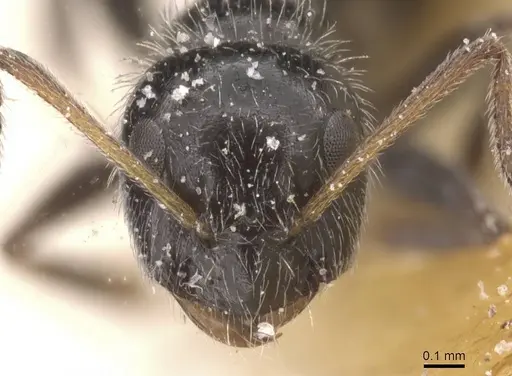
CASENT0912397
View on AntWeb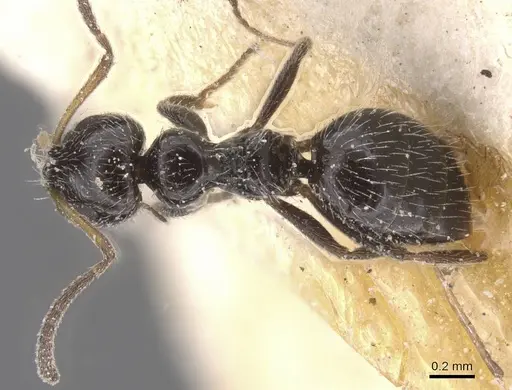
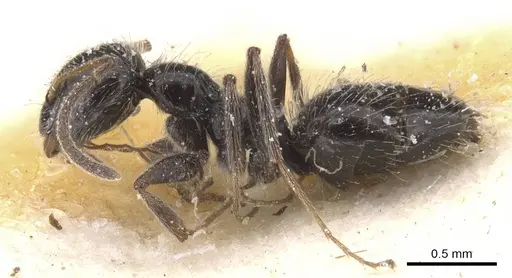
CASENT0912398
View on AntWeb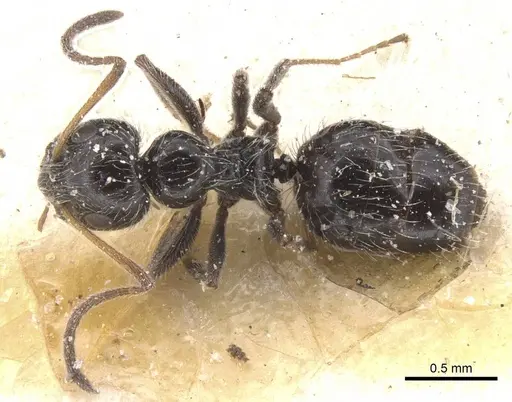
Literature
Loading distribution map...Loading products...