
Lepisiota arenaria
- Sci. Name
- Lepisiota arenaria
- Tribe
- Plagiolepidini
- Subfamily
- Formicinae
- Author
- Arnold, 1920
- Distribution
- Found in 1 countries
Introduction
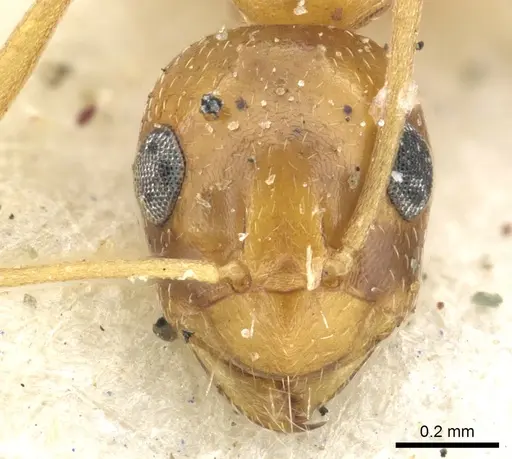
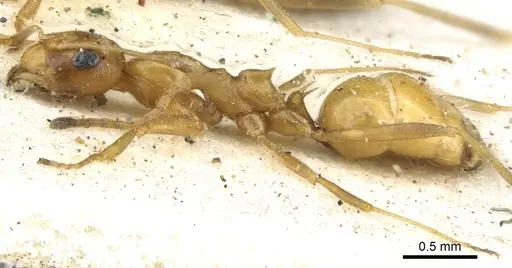
Lepisiota arenaria is an elegant ant species originally described from Zimbabwe in 1920. Workers display a distinctive red coloration to the head and mesosoma, though some specimens may appear more yellowish. The propodeum (rear body section) features long curved spines. This species has been recorded in Oman and Zimbabwe, placing it within the Afrotropical region. The genus Lepisiota was formerly classified as Acantholepis, and historical records may contain misidentifications. In captivity, these ants adapt reasonably well when provided with appropriate warmth. They are active foragers that readily explore their surroundings in search of food.
Quick Summary
- Difficulty: Medium
- Origin & Habitat: Afrotropical region, confirmed in Zimbabwe and Oman. They inhabit warm, typically dry savanna and desert-edge environments [1][2][3].
- Colony Type: Colony structure is not documented in scientific literature for this species. Based on typical Lepisiota genus patterns, single-queen colonies are likely, though multi-queen arrangements have been observed in some related species.
- Size & Growth:
- Queen: Approximately 5-6mm, inferred from genus patterns
- Worker: Approximately 3-4mm, inferred from genus patterns
- Colony: Maximum colony size is unconfirmed for this species
- Growth: Moderate, estimated based on related species
- Development: Approximately 6-8 weeks at optimal temperature, estimated from typical Formicinae development patterns (Specific development data unavailable for this species, estimates based on genus-level patterns)
- Antkeeping:
- Temperature: Keep at 24-28°C during active season. A heating cable on part of the nest creates a gradient. They naturally occur in warm Afrotropical climates and benefit from localized heating [2].
- Humidity: Moderate humidity. Allow the nest to dry partially between water additions. These ants prefer conditions drier than many tropical species, think warm savanna rather than rainforest.
- Diapause: A mild winter rest period is recommended given their Afrotropical origin. Reduce temperature to around 18-20°C for 2-3 months during winter months if room temperature drops naturally.
- Nesting: Provide a test tube setup for founding colonies, transitioning to a Y-tong or plaster nest as the colony grows. They do well with moderate chamber sizes. Avoid overly humid conditions that can cause mold.
- Behavior: Workers are active foragers that will explore their outworld in search of food. They are not particularly aggressive but will defend their nest if threatened. Escape prevention should be taken seriously as they can squeeze through small gaps. They readily accept sugar sources and protein prey.
- Common Issues: colonies may stagnate if temperatures are too cool, keep them warm, overwatering can cause mold problems given their preference for drier conditions, limited species-specific information means some care must be adapted from related species, slow initial growth during founding phase is normal, do not overfeed
Housing and Nest Setup
For founding colonies, a simple test tube setup works well. Fill the tube about one-third with water and plug the wet end with cotton, this provides humidity while the ants can retreat to drier areas. Cover the tube with a dark sleeve for the first few weeks until the queen lays eggs, then gradually introduce light. Once the colony reaches 30-50 workers, consider moving to a small Y-tong or plaster nest. These ants do not require high humidity, so avoid setups that trap moisture. Provide a small outworld for foraging with a sugar dish and protein prey offerings. [1]
Feeding and Diet
Lepisiota arenaria accepts a varied diet typical of many Formicine ants. Offer sugar water or honey as a constant energy source. For protein, provide small insects like fruit flies, small mealworms, or cricket pieces. They are not specialized predators, so standard ant feeder insects work well. Feed protein 2-3 times per week, removing any uneaten prey after 24 hours. Fresh water should always be available.
Temperature and Seasonal Care
Maintain temperatures between 24-28°C during the active season. A small heat source like a heating cable placed on part of the nest creates a gradient that allows ants to regulate their temperature. During winter or cooler months, allow a natural cooldown to around 18-20°C for 2-3 months, this mimics their natural seasonal cycle and may improve colony health long-term. Do not let temperatures drop below 15°C. They are adapted to warm climates and will become sluggish in cool conditions. [2]
Colony Development and Growth
A newly mated queen will seal herself into a chamber and lay her first eggs within 1-2 weeks. The first workers typically emerge 6-8 weeks later, though this timeline varies with temperature. Initial colony growth is slow, the queen raises only a small batch of workers from her initial energy reserves. Once workers emerge, the colony begins expanding more rapidly. Expect moderate growth rates through the first year. Growth may slow during winter months if you allow a cooldown period.
Behavior and Observation
Workers are active foragers that will readily explore their surroundings. They communicate through chemical signals and can recruit nestmates to food discoveries. Unlike some aggressive ant species, Lepisiota arenaria is relatively calm during routine observation. They will attempt to escape if given the opportunity, so ensure your setup has secure barriers. Watching their foraging behavior can be engaging, workers quickly discover and recruit to sugar sources or prey items.
Frequently Asked Questions
How long does it take for Lepisiota arenaria to produce first workers?
Expect first workers to emerge approximately 6-8 weeks after the queen lays eggs, assuming temperatures around 24-28°C. This is typical for Formicine ants, though exact timing depends on temperature and colony health.
What do Lepisiota arenaria ants eat?
They accept sugar water, honey, or diluted syrup as an energy source. For protein, offer small insects like fruit flies, pinhead crickets, or small mealworms. Feed protein 2-3 times per week and keep sugar available constantly.
Do Lepisiota arenaria ants need hibernation?
They benefit from a mild winter rest period rather than true hibernation. Reduce temperatures to around 18-20°C for 2-3 months during winter. This is optional but may improve long-term colony health.
Can I keep multiple Lepisiota arenaria queens together?
Not recommended. Unlike some polygynous ant species, combining unrelated queens typically results in fighting. Start with a single mated queen for best success.
Are Lepisiota arenaria good for beginners?
They are rated as medium difficulty. They are more forgiving than some tropical species but require warmth and proper feeding. Beginners can succeed with them, though easy species like Lasius or Messor are often recommended as first ants.
What temperature do Lepisiota arenaria need?
Keep them at 24-28°C during the active season. A small heating cable on part of the nest creates a gradient. Do not let temperatures drop below 15°C.
How big do Lepisiota arenaria colonies get?
Maximum colony size is not well documented in scientific literature. Based on related species, colonies may reach several hundred workers in ideal conditions.
When should I move my colony to a formicarium?
Move from test tube to a proper nest once the colony reaches 30-50 workers. A Y-tong or plaster nest works well. Ensure the new setup maintains appropriate temperature and humidity.
Why is my Lepisiota arenaria colony not growing?
Check temperature first, they need warmth (24-28°C). Also verify you are feeding adequate protein and sugar. Overfeeding can cause mold issues. If the colony is still small after several months, the queen may be infertile or conditions may be suboptimal.
Report an Issue
The current care sheet is based fully on literature. See inconsistencies, or something that's incorrect? Please , it will be resolved after review from an admin. Contributing to the blogs tab also helps providing information, to make us be able to further improve the caresheets. Thank you for your support!
References

This caresheet is licensed under CC BY-SA 4.0 .
Community Blogs
CASENT0903150
View on AntWeb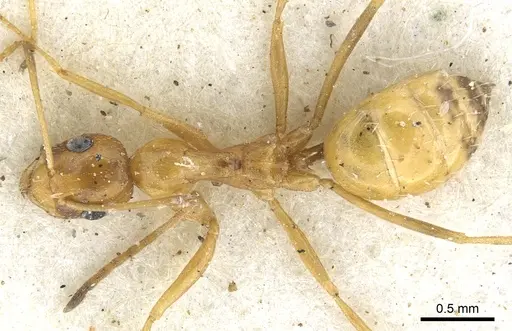
Literature
Loading distribution map...Loading products...