
Mound-building Swamp Ant
Lasius minutus
- Sci. Name
- Lasius minutus
- Tribe
- Lasiini
- Subfamily
- Formicinae
- Author
- Emery, 1893
- Common Name
- Mound-building Swamp Ant
- Distribution
- Found in 2 countries
Introduction
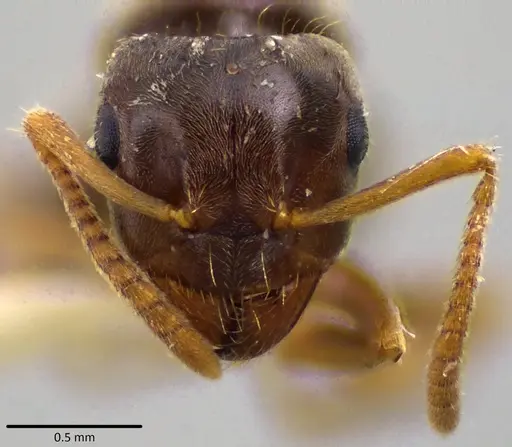
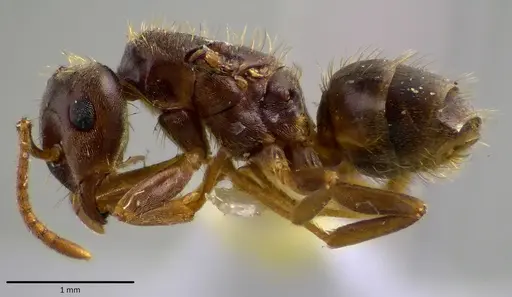
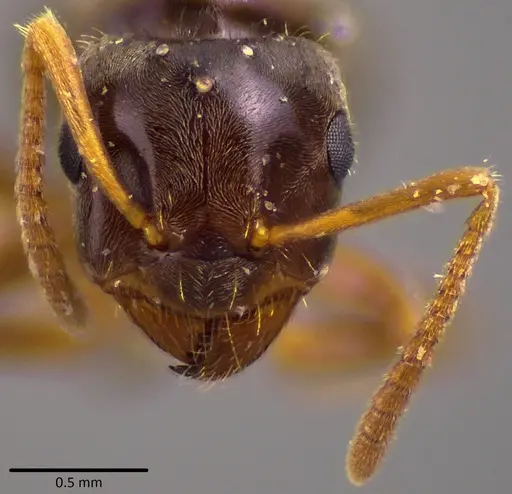
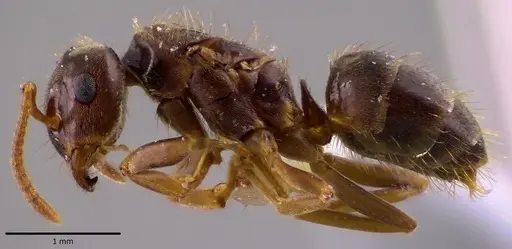
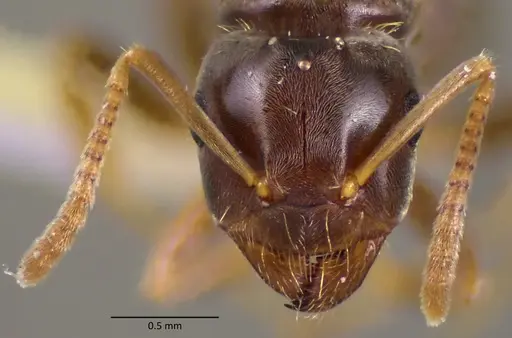
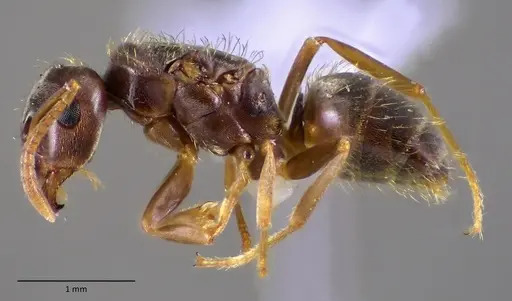
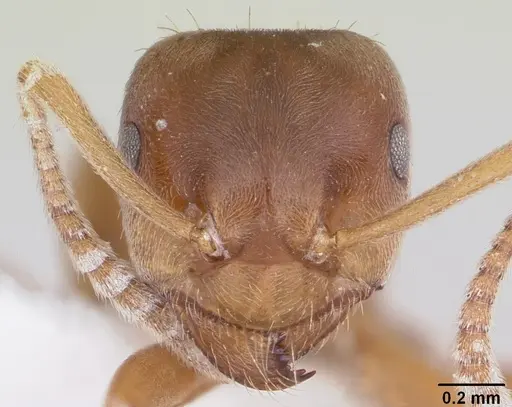
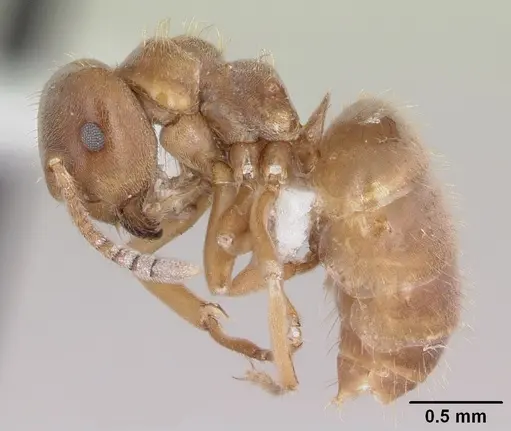
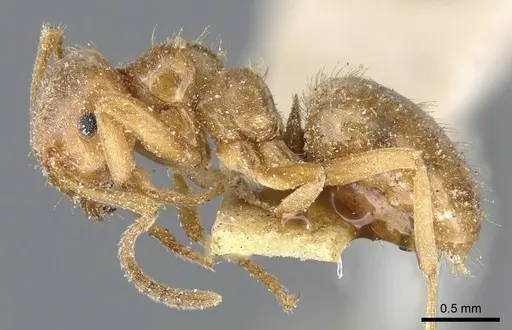
Lasius minutus is a small, yellow to brownish-yellow ant native to eastern North America. Workers are 3.2-4.0 mm in total length , with very long hairs on the gaster that are longer than the hind tibia width. This species ranges from Nova Scotia to Virginia and west to Minnesota and Iowa , and it prefers wetland habitats like sphagnum bogs, fens, and swampy meadows . The most notable trait is that Lasius minutus is a temporary social parasite. Its queens invade colonies of other Lasius species, such as Lasius alienus and Lasius pallitarsis, to establish their own colonies .
Quick Summary
- Difficulty: Medium
- Origin & Habitat: Eastern North America, from Nova Scotia to Virginia and west to Minnesota and Iowa. Found in sphagnum bogs, fens, swampy meadows, and wet prairies, occasionally in open dry forests [2][3][4].
- Colony Type: Monogyne (single queen) colonies with polydomous structure, multiple connected mounds [4]. Queens are temporary social parasites that invade host colonies [2].
- Size & Growth:
- Queen: Size data unavailable, queens are notably small compared to workers, but no total length measurements are provided in the research [5].
- Worker: 3.2-4.0 mm total length [1]
- Colony: Up to thousands of workers across multiple mounds, based on field studies [4]
- Growth: Moderate
- Development: 6-10 weeks (estimated based on typical Lasius genus patterns) (Development timing is inferred from genus-level data, specific studies on this species are lacking.)
- Antkeeping:
- Temperature: Keep cool, around 18-22°C, inferred from their bog and fen habitat where temperatures remain low [4].
- Humidity: Keep substrate consistently moist but not waterlogged, as they nest in wetland areas [4].
- Diapause: Yes, this temperate species requires winter hibernation. Nuptial flights occur in late summer, suggesting a seasonal cycle [4]. Provide 3-4 months at 5-10°C during winter.
- Nesting: Use Y-tong (AAC) nests or test tube setups with moist substrate. Mimic their natural subterranean habitat with dark, damp conditions [4].
- Behavior: Workers are hypogaeic (subterranean) and rarely surface except during nuptial flights. They forage through tunnels in moist soil and are docile, with low aggression. Mass flights occur in late afternoon from August to September, with alates climbing plant stems [4]. Escape risk is moderate due to small size but low activity outside the nest.
- Common Issues: high humidity is critical, colonies fail in dry conditions, temporary parasitic founding requires a host colony or careful introduction, winter diapause is essential for colony health and reproduction, polydomous colonies may expand, requiring adequate space, development can be slow due to parasitic founding strategy
Natural History and Distribution
Lasius minutus is found throughout eastern North America, from Nova Scotia and Quebec south to Virginia and west to Minnesota, Iowa, and Indiana [2][3]. It strongly prefers wetland habitats such as sphagnum bogs, fens, swampy meadows, and wet prairies, but may occasionally move into open dry forests [4]. This species is spatially rare and associated with bog and heath habitats [6].
One distinctive feature is mound-building behavior. Mounds range from 5 to 26 inches tall and 10 to 45 inches in diameter, with flat tops overgrown with plants [4]. As a temporary social parasite, queens invade colonies of Lasius alienus and Lasius pallitarsis, kill the host queen, and use host workers to raise their brood [2][4].
Colony Structure and Behavior
Colonies are monogyne (single queen) but polydomous, meaning a single colony can consist of multiple mounds connected by underground tunnels. Research in Michigan found up to 100 mounds in 10 acres of swamp-marsh habitat [4].
Workers are hypogaeic, foraging through tunnels in moist soil about 1/2 to 2 inches below the surface. They rarely surface except during nuptial flights and primarily feed on honeydew from aphids [4]. During flights, alates mass-movement up and down plant stems before taking off in late afternoon [4].
Nuptial Flights and Reproduction
Nuptial flights occur from late August to September, with alate pupae present from June to September and adult alates from July to October [4]. Flights happen in late afternoon (2:30-5:30 PM) under hazy or shaded conditions, with temperatures between 72-88°F and high humidity [4]. Workers prepare by opening mound surfaces and guarding them on unsuitable days [4]. This timing indicates a need for seasonal cycles in captivity.
Housing and Nest Setup
Use Y-tong (AAC) nests or deep test tube setups with moist substrate to mimic their subterranean lifestyle. Key requirements are high humidity, cool temperatures (18-22°C), and dark conditions [4]. For outworlds, provide a moisture source like a water tube and minimal foraging area since workers are not active surface foragers. Because they are temporary parasites, established colonies are easier to maintain than newly founded ones.
Feeding and Diet
Lasius minutus primarily feeds on honeydew, tending aphids on grass and sedge roots in the wild [4]. In captivity, offer sugar water or diluted honey constantly, and occasional small insects for protein. Place food near nest entrances since workers are not active foragers [4]. Avoid overfeeding, a small amount every few days is sufficient.
Seasonal Care and Diapause
As a temperate species, Lasius minutus requires winter diapause. Provide 3-4 months at 5-10°C, such as in an unheated garage or refrigerator. Ensure the colony is well-fed before hibernation and keep substrate slightly moist. Gradually warm the colony in spring to trigger breeding, with nuptial flights expected in late summer [4]. Skipping diapause weakens the colony and prevents proper reproduction.
Frequently Asked Questions
How long does it take for Lasius minutus to produce first workers?
Development is estimated at 6-10 weeks from egg to worker, based on typical Lasius genus patterns. Cooler temperatures slow development, and parasitic founding may add time [5].
Can I keep Lasius minutus in a test tube setup?
Yes, a test tube setup works well for this species. Maintain high humidity with a moist cotton plug and cover the tube for dark conditions. For larger colonies, switch to a Y-tong nest [4].
What temperature do Lasius minutus need?
Keep them cool, around 18-22°C, as they are adapted to low-temperature bog habitats [4]. Avoid temperatures above 25°C to prevent stress.
Do Lasius minutus need hibernation?
Yes, they require winter diapause for 3-4 months at 5-10°C. This is essential for colony health and reproductive development [4].
How big do Lasius minutus colonies get?
Colonies can become large with multiple mounds, hosting up to thousands of workers [4].
What do Lasius minutus eat?
They primarily feed on honeydew. In captivity, provide sugar water or diluted honey constantly, and occasional small insects [4].
Are Lasius minutus good for beginners?
This species is medium difficulty due to parasitic founding, humidity needs, and diapause requirements. It is better suited for intermediate antkeepers [5].
Why is Lasius minutus called 'minutus' if workers aren't small?
The name refers to the queens, which are notably tiny compared to other Lasius species, not the workers [5].
Report an Issue
The current care sheet is based fully on literature. See inconsistencies, or something that's incorrect? Please , it will be resolved after review from an admin. Contributing to the blogs tab also helps providing information, to make us be able to further improve the caresheets. Thank you for your support!
References

This caresheet is licensed under CC BY-SA 4.0 .
Community Blogs
ANTWEB1041691
View on AntWeb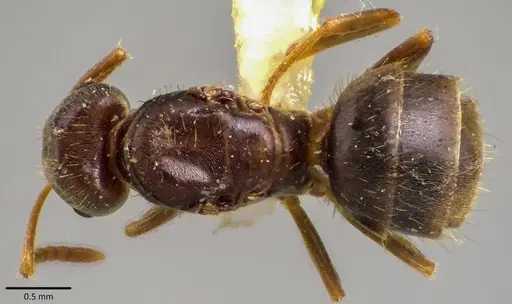
ANTWEB1048501
View on AntWeb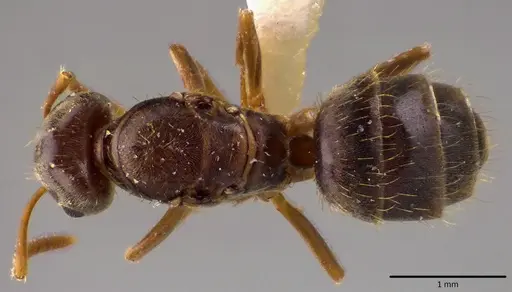
ANTWEB1060171
View on AntWeb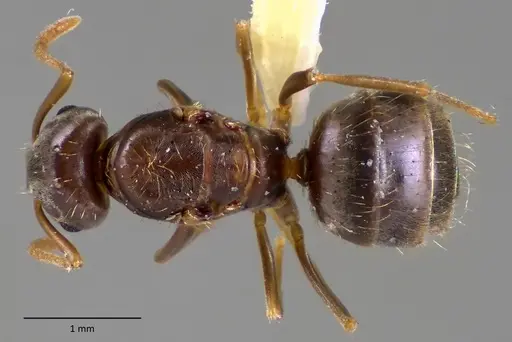
CASENT0104880
View on AntWeb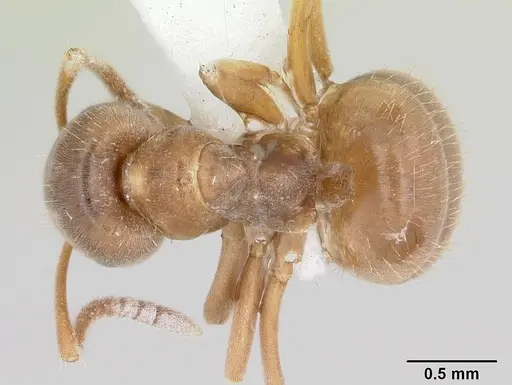
CASENT0905681
View on AntWeb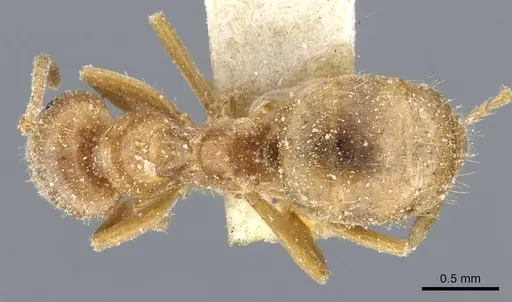
Literature
Loading distribution map...Loading products...