Lasius brevicornis exhibits a clear seasonal flight window. Peak flight activity is concentrated in September, with the overall period spanning August to September. The concentrated timeframe makes peak months critical for sightings.

Short-horned Meadow Ant
Lasius brevicornis
- Sci. Name
- Lasius brevicornis
- Tribe
- Lasiini
- Subfamily
- Formicinae
- Author
- Emery, 1893
- Common Name
- Short-horned Meadow Ant
- Distribution
- Found in 2 countries
- Nuptial Flight
- From August to September
- Peak flight Time
- 18:00
AI Identifiable
try →
Introduction
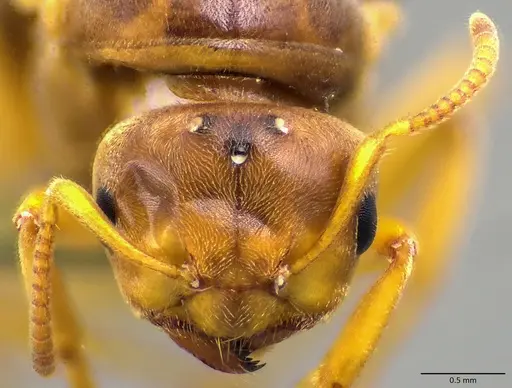
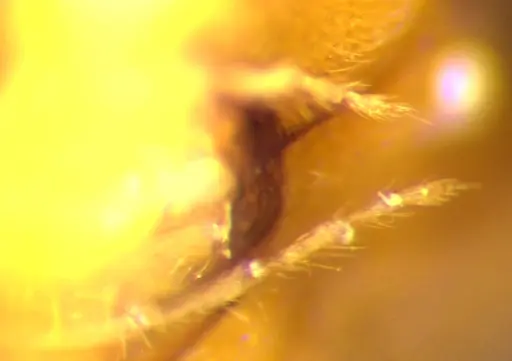
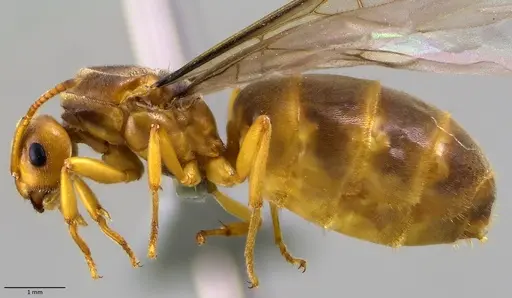
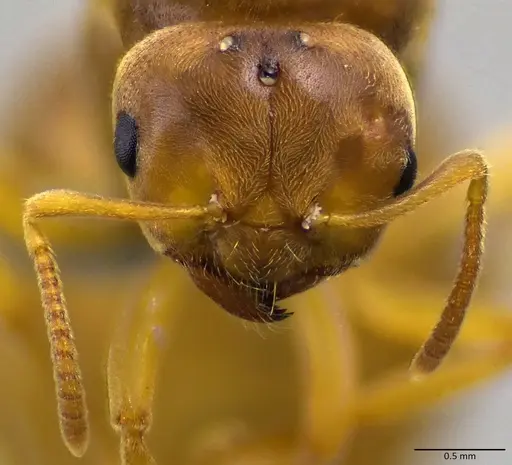
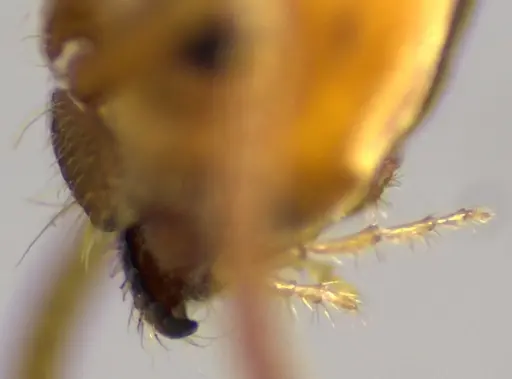
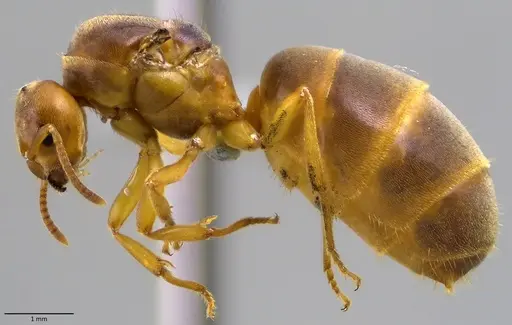
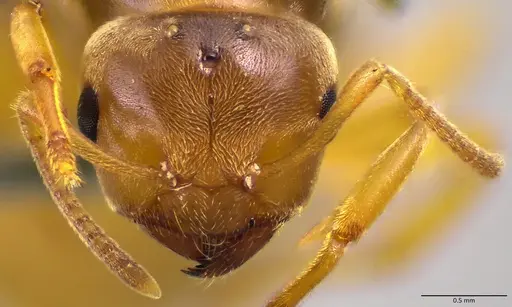
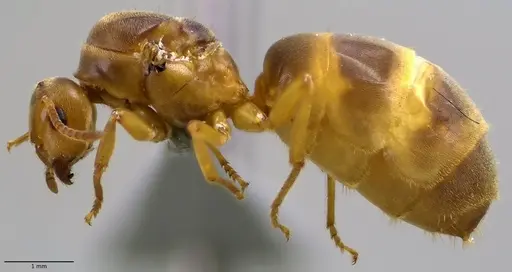
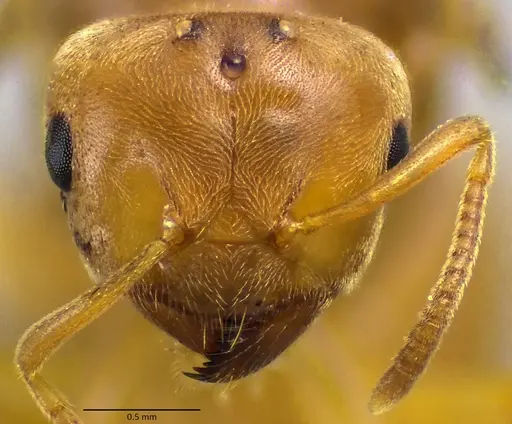
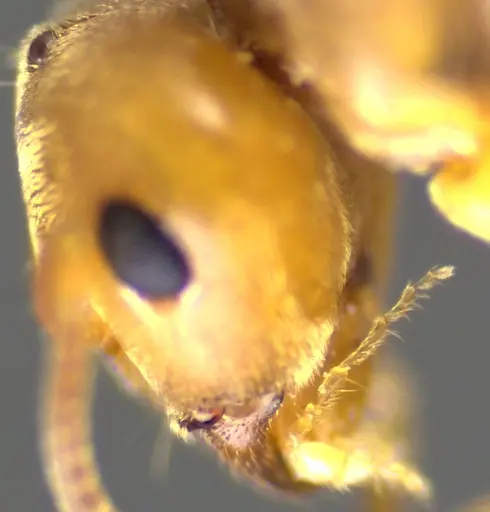
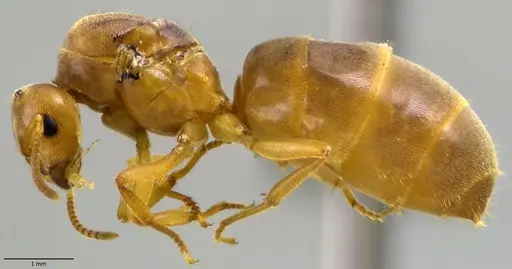
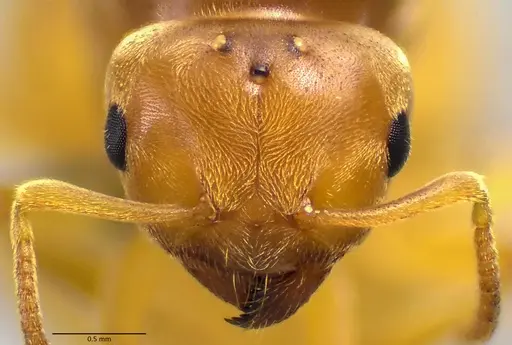
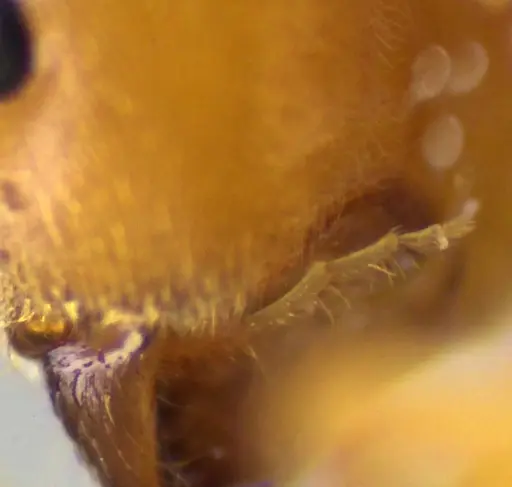
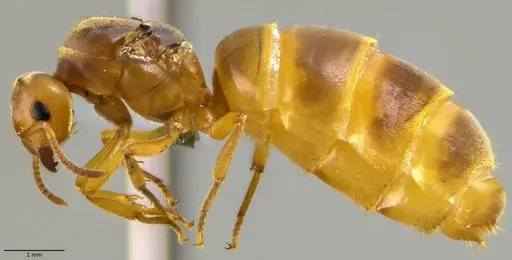
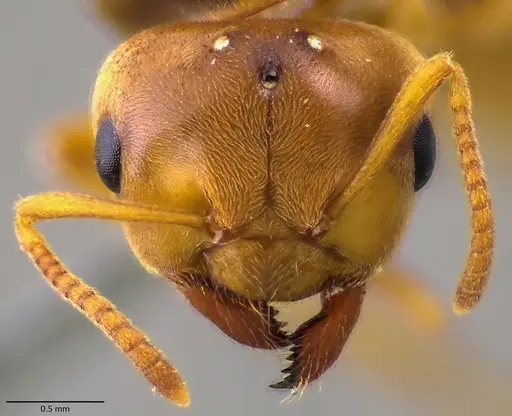
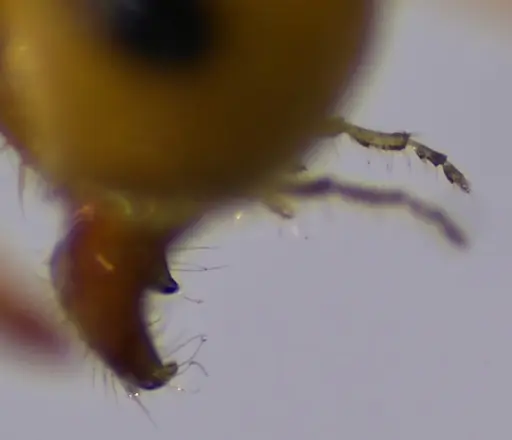
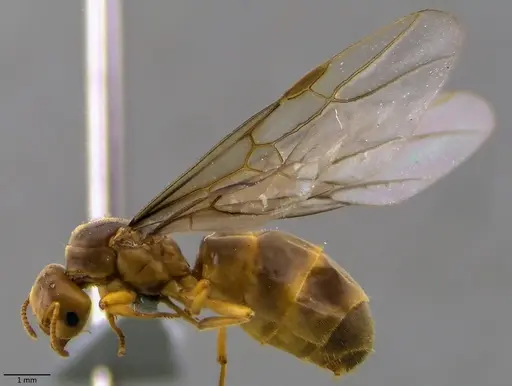
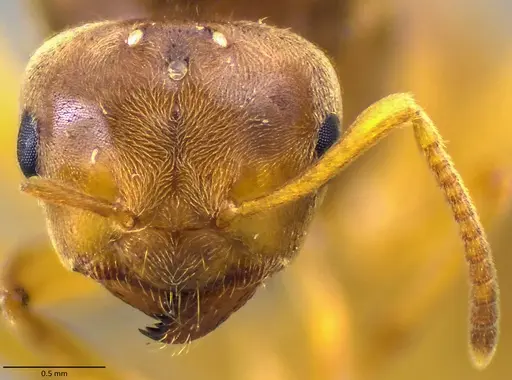
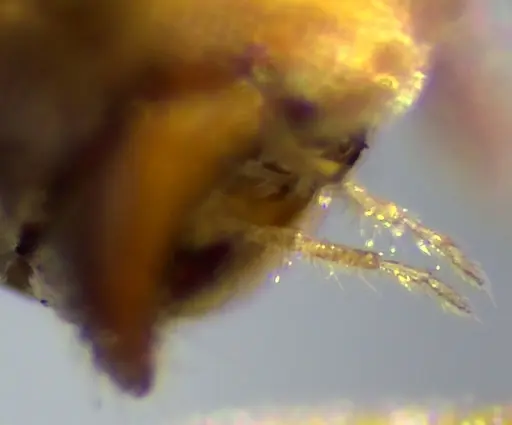
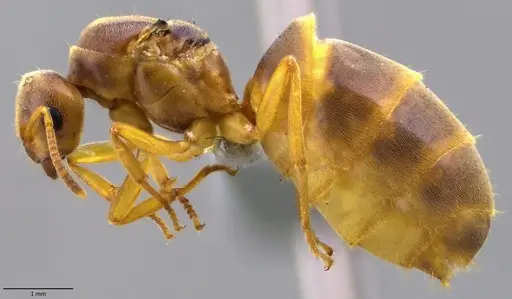
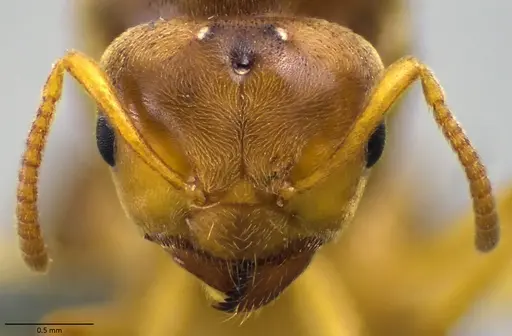
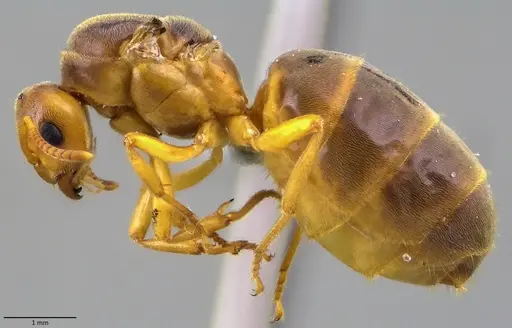
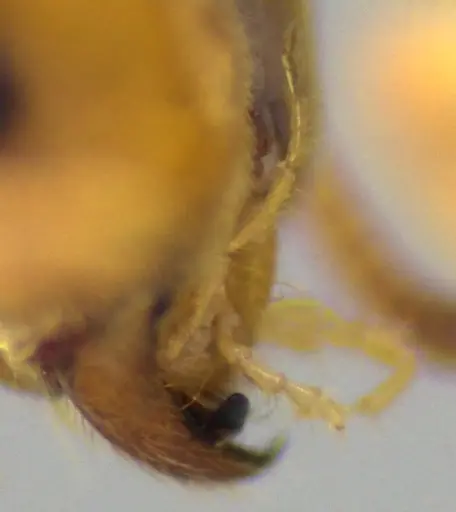
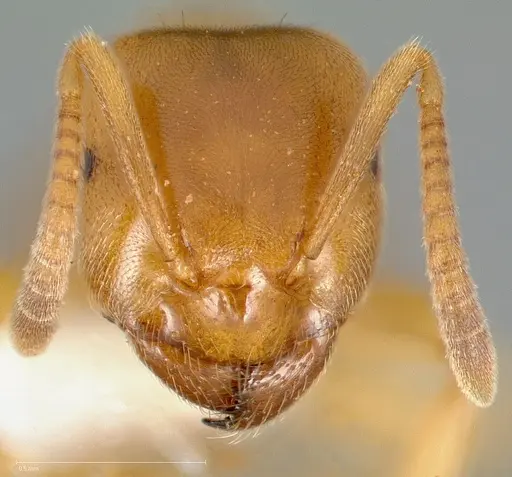
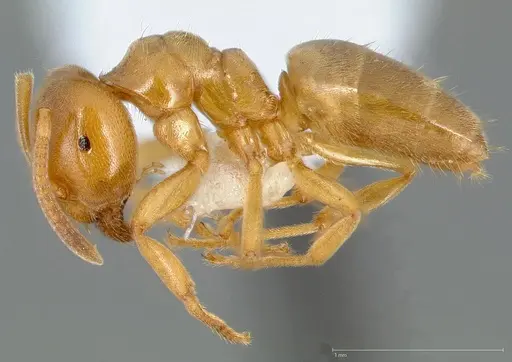
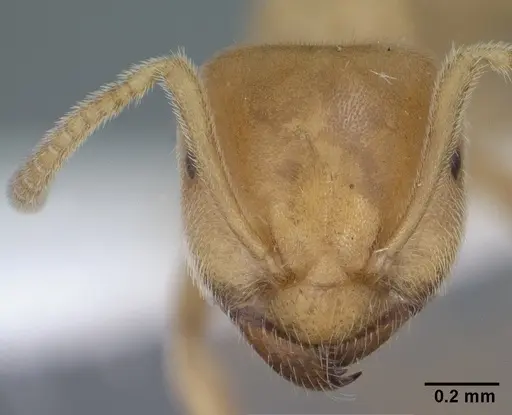
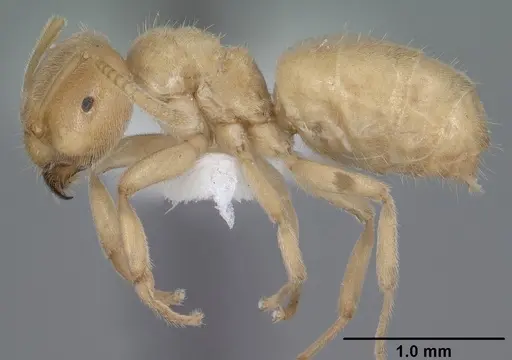
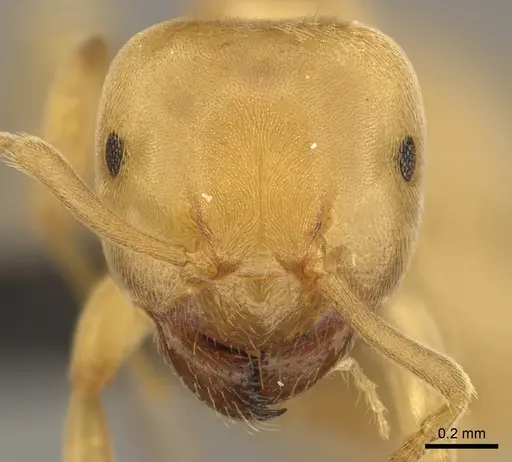
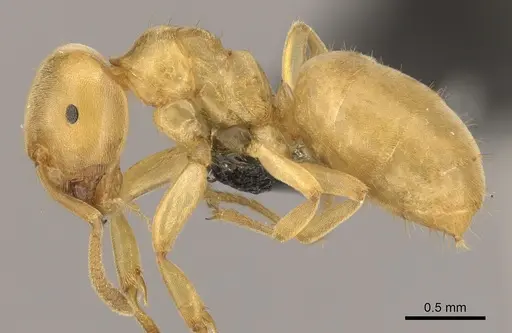
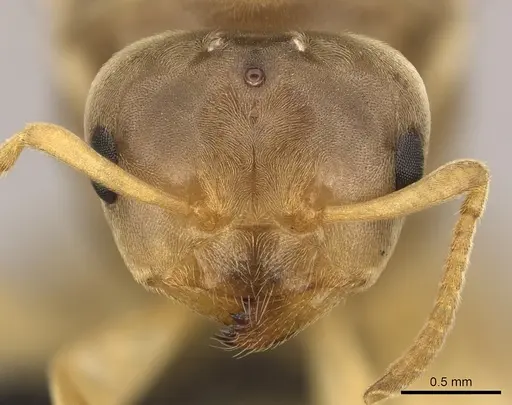
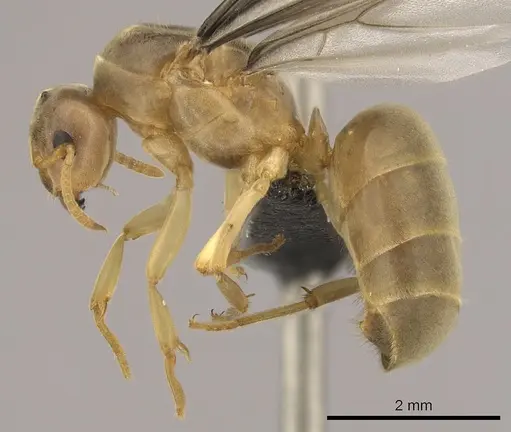
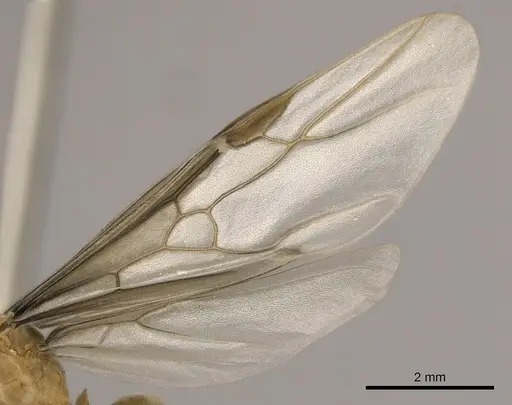
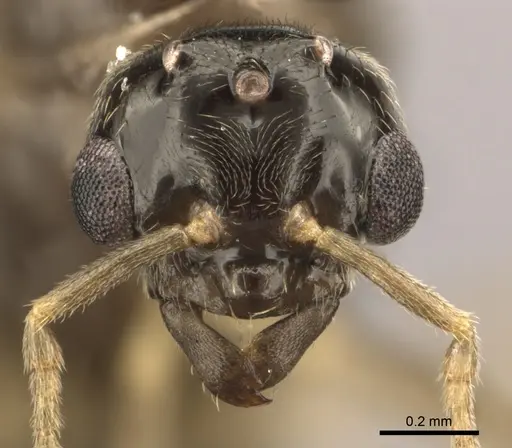
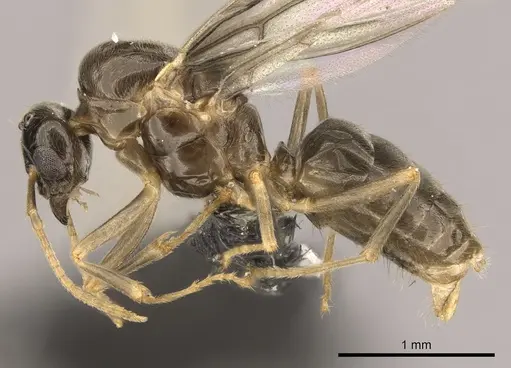
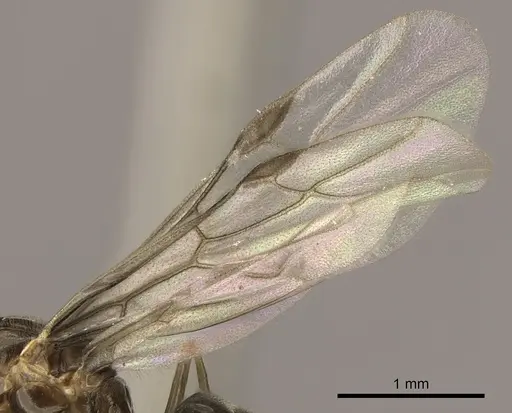
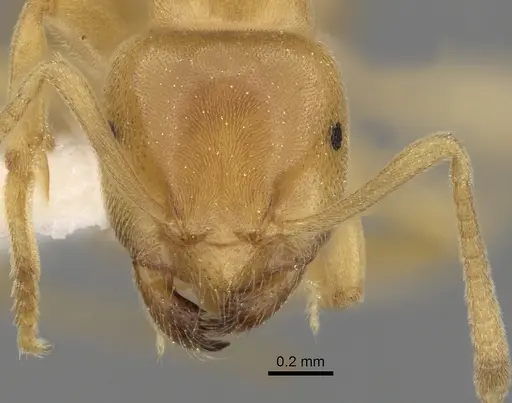
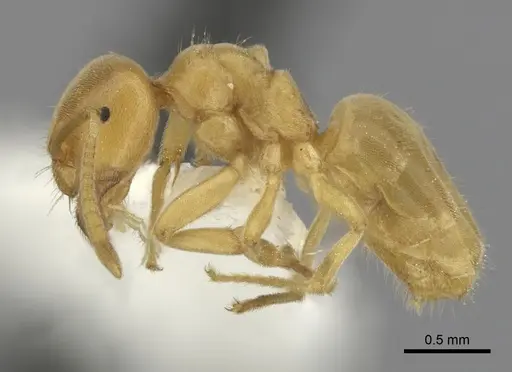
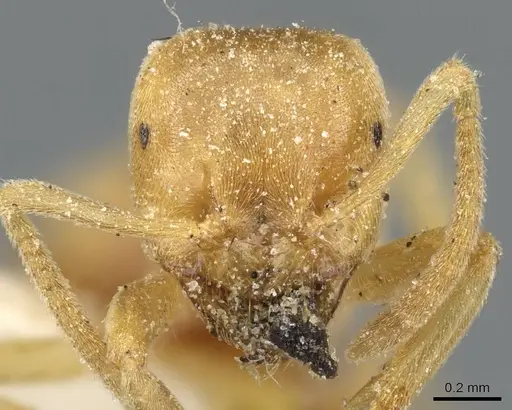
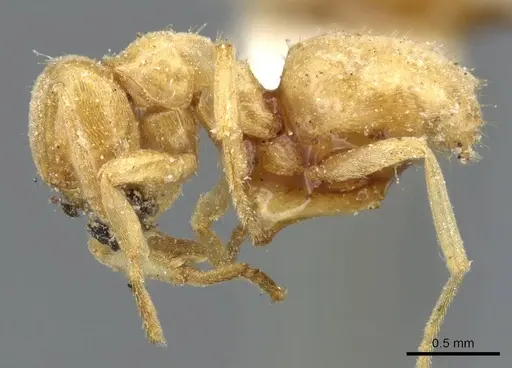
Lasius brevicornis is a small yellow to pale brown ant native to eastern North America. This species has notably tiny eyes with fewer than 35 ommatidia, and can be identified by the last segment of its maxillary palp being shorter than or equal to the penultimate segment . The species was historically confused with the European Lasius flavus until genetic analysis confirmed it as a distinct species in 2018 . Colonies are typically single-queen (monogyne) and nest underground under rocks in open habitats and dry woodlands . This ant is a generalist predator that also tends root aphids and feeds on their honeydew .
Quick Summary
- Difficulty: Easy
- Origin & Habitat: Eastern North America, ranging from Nova Scotia and Quebec south to Florida, west to Alberta, Washington, and California [3]. Found in open habitats and dry woodlands, nesting under stones [1].
- Colony Type: Single-queen (monogyne) colonies, typical for Lasius species in the flavus group.
- Size & Growth:
- Queen: size data unavailable, inferred from Lasius genus (~6-8mm)
- Worker: size data unavailable, inferred from Lasius genus (~3-5mm)
- Colony: Unknown for this specific species, but flavus group colonies typically reach several thousand workers
- Growth: Moderate
- Development: 6-10 weeks (estimated based on typical Lasius development) (Development time is inferred from related Lasius species, actual timing may vary based on temperature conditions)
- Antkeeping:
- Temperature: Keep at room temperature, around 20-24°C. A slight gradient is beneficial but not required.
- Humidity: Moderate humidity is suitable. These subterranean ants prefer somewhat dry conditions compared to forest-dwelling species.
- Diapause: Yes, as a temperate species, colonies require a winter rest period of 3-4 months at around 5-10°C
- Nesting: Test tube setups work well for founding colonies. Established colonies can be kept in Y-tong nests or naturalistic setups with soil. They prefer compact nesting chambers close to a food water source.
- Behavior: Workers are small and pale, typically foraging underground or in hidden locations. They are not aggressive and rarely venture into open areas, which makes them less visible than many ant species. The colony is generally peaceful and not prone to biting or stinging. Escape risk is moderate, their small size means they can slip through small gaps, so standard barrier precautions are recommended.
- Common Issues: colonies often appear inactive during founding because queens seal themselves in and workers stay hidden underground, small colony size makes them less impressive than larger species during early growth stages, they prefer dark, concealed spaces and may avoid nests with excessive light, wild-caught colonies may have parasites that can devastate captive colonies, their subterranean lifestyle means they may not be visible for long periods
Nuptial Flight Activity Analysis 165 observations
Flight Activity by Hour 165 observations
Lasius brevicornis nuptial flight activity peaks around 18:00 during the evening. Activity is spread across a 13-hour window (11:00–23:00). Times may be influenced by human observation patterns.
Housing and Nest Setup
Lasius brevicornis adapts well to standard antkeeping setups. For founding colonies, a test tube setup with a water reservoir works perfectly, the queen seals herself in a chamber and the workers expand from there. Use a test tube with at least 10cm of water reservoir capacity, connected to a small outworld for foraging. Once the colony reaches 50+ workers, you can transition to a Y-tong nest or a naturalistic setup with soil. These ants prefer tight, enclosed spaces and will readily accept carved chambers. Avoid setups with large open areas as they prefer to stay hidden. A small outworld with a sugar water station and protein food dish is sufficient. [1]
Feeding and Diet
In the wild, Lasius brevicornis is a generalist predator that also tends root aphids and feeds on their honeydew [1]. In captivity, offer sugar water or honey water as a constant energy source. For protein, provide small insects like fruit flies, pinhead crickets, or mealworms. Since they tend underground aphids in nature, they may also accept aphid honeydew if offered. Feed protein 1-2 times per week, and keep sugar water available at all times. Remove uneaten prey after 24 hours to prevent mold.
Temperature and Seasonal Care
Keep your colony at room temperature, ideally between 20-24°C. This species tolerates the typical temperature range found in most homes. As a temperate North American species, Lasius brevicornis requires a winter dormancy period. Reduce temperatures to 5-10°C for 3-4 months during winter, typically from late autumn through early spring. During this period, reduce feeding significantly, the colony will be mostly inactive. Do not feed during hibernation. Return to normal temperatures gradually in spring to trigger renewed activity and growth. [1]
Behavior and Observation
This is a subterranean species, meaning workers spend most of their time hidden in the nest or traveling through underground tunnels. They are not active foragers in the open like some ant species, which can make them seem inactive. Workers are pale yellow to light brown and quite small. They are not aggressive and do not possess a painful sting, their defense is primarily avoidance behavior. Because they are small and secretive, observation can be challenging, but watching the queen tend brood in the nest chambers is rewarding. The colony will establish and grow steadily once the first workers (nanitics) emerge. [1]
Frequently Asked Questions
How long does it take for Lasius brevicornis to produce first workers?
Expect first workers (nanitics) to emerge in 6-10 weeks after the queen lays eggs, depending on temperature. This is typical for Lasius species. The queen will remain sealed in her founding chamber until the first workers arrive.
Can I keep multiple Lasius brevicornis queens together?
No. This is a single-queen (monogyne) species. Multiple unrelated queens will fight until only one remains. Only introduce multiple queens if you plan to attempt pleometrosis (founding together), but this has risks and is not recommended for this species.
What do Lasius brevicornis eat?
They need a balanced diet of sugar and protein. Offer sugar water or honey water constantly. For protein, provide small insects like fruit flies, small crickets, or mealworms 1-2 times per week.
Do Lasius brevicornis need hibernation?
Yes, as a temperate species they require a winter rest period. Keep them at 5-10°C for 3-4 months during winter. Reduce feeding during this period and avoid disturbing the colony.
Are Lasius brevicornis good for beginners?
Yes, this is a good beginner species. They are hardy, adaptable, and don't require specialized care. The main challenges are their secretive nature (they're not very active to watch) and slow initial growth during founding. Once established, they are straightforward to maintain.
When do Lasius brevicornis have nuptial flights?
Mating flights occur in late August and early September in the wild [1]. In captivity, if you maintain natural seasonal cycles, you may see winged reproductives develop in late summer.
Why is my Lasius brevicornis colony not visible?
This is normal behavior. Lasius brevicornis is a subterranean species that prefers dark, enclosed spaces. They will often stay hidden in their nest chambers rather than exploring the outworld. This doesn't mean something is wrong, it's just their natural behavior. Check the nest periodically to confirm the colony is healthy and growing.
When is the nuptial flight of Lasius brevicornis?
The nuptial flight of Lasius brevicornis typically occurs From August to September.
What time of day does Lasius brevicornis fly?
The nuptial flight of Lasius brevicornis peaks around 18:00 during the evening, with most activity between 11:00 and 23:00. Times may be influenced by human observation patterns.
Report an Issue
The current care sheet is based fully on literature. See inconsistencies, or something that's incorrect? Please , it will be resolved after review from an admin. Contributing to the blogs tab also helps providing information, to make us be able to further improve the caresheets. Thank you for your support!
References

This caresheet is licensed under CC BY-SA 4.0 .
Community Blogs
ANTWEB1041880
View on AntWeb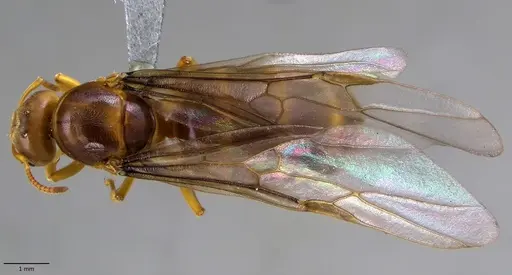
ANTWEB1041881
View on AntWeb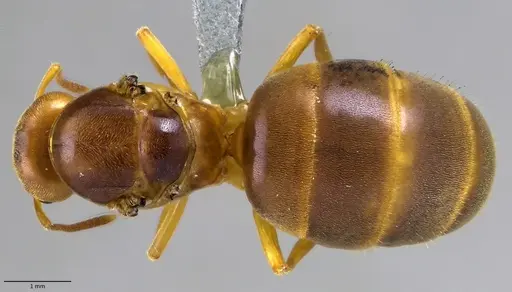
ANTWEB1041882
View on AntWeb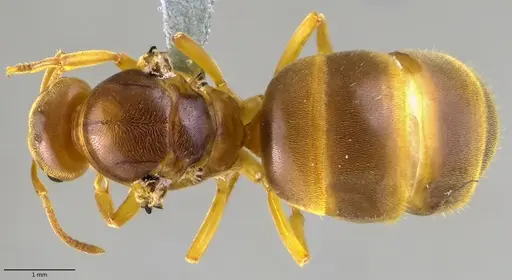
ANTWEB1041884
View on AntWeb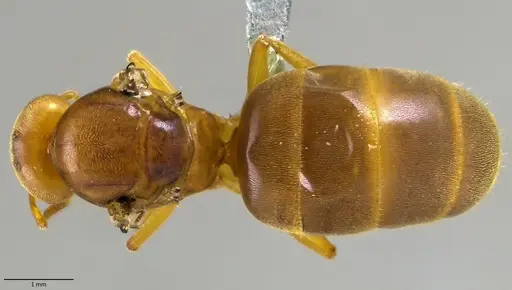
ANTWEB1041885
View on AntWeb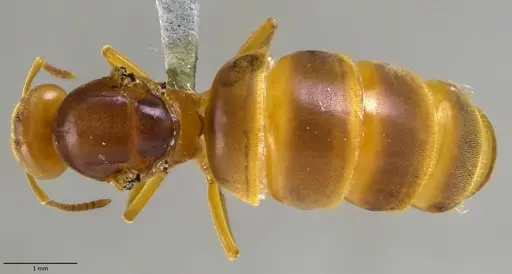
ANTWEB1060001
View on AntWeb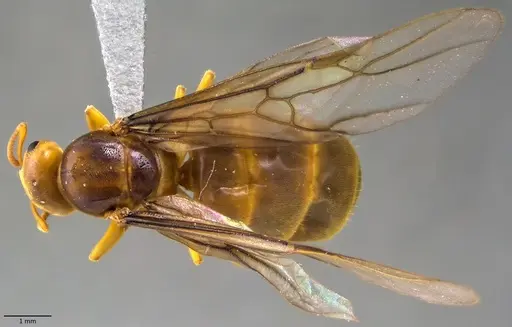
ANTWEB1060002
View on AntWeb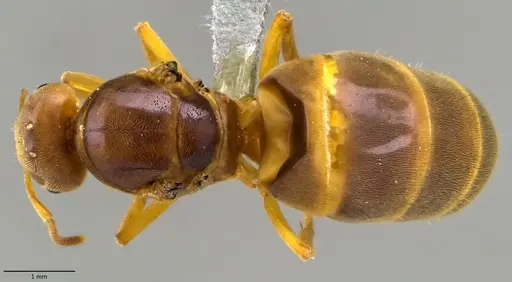
ANTWEB1060003
View on AntWeb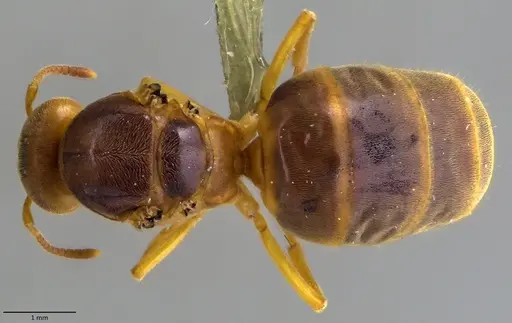
CASENT0005406
View on AntWeb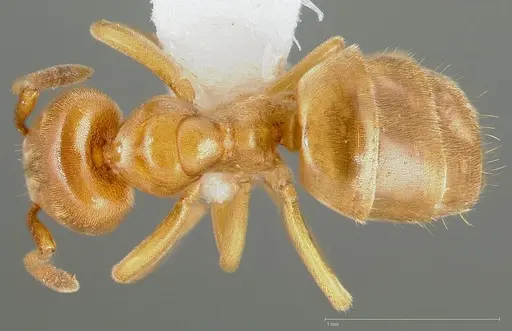
CASENT0102802
View on AntWeb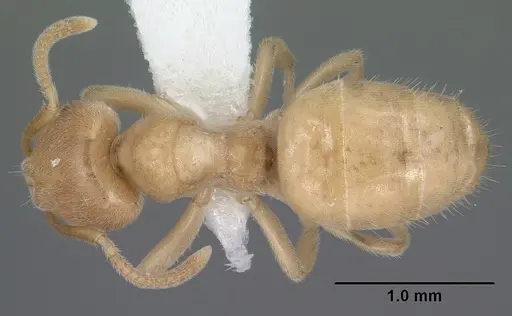
CASENT0260130
View on AntWeb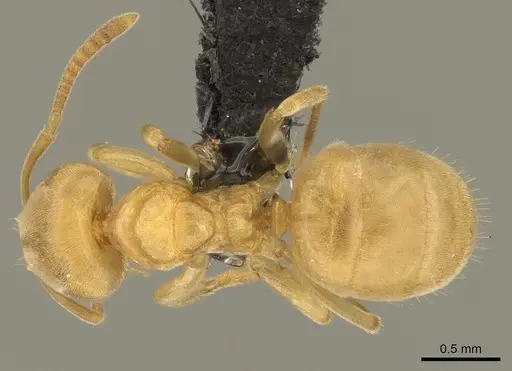
CASENT0260132
View on AntWeb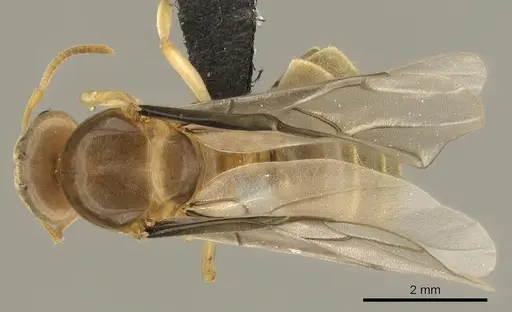
CASENT0260136
View on AntWeb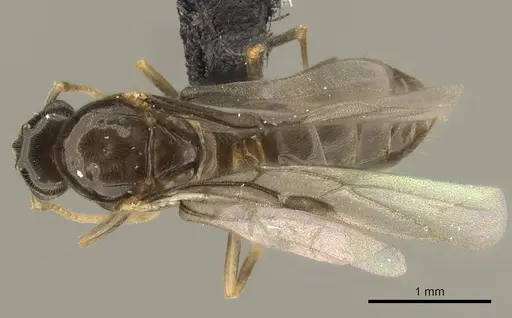
CASENT0280456
View on AntWeb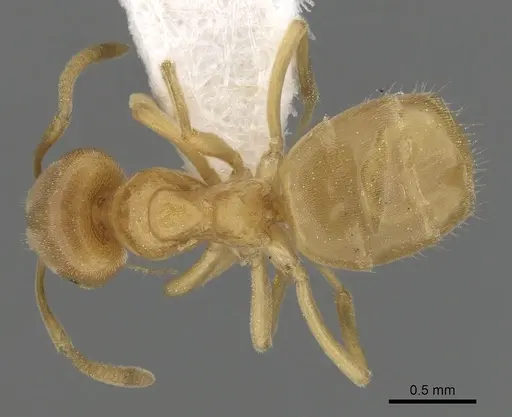
CASENT0905678
View on AntWeb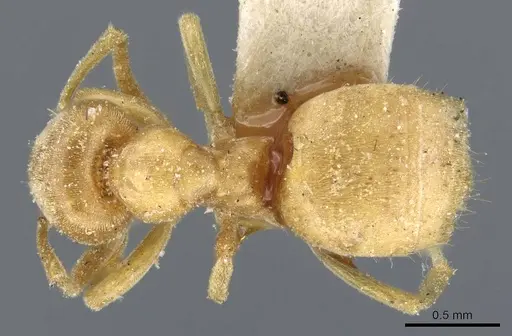
Literature
Loading distribution map...Loading products...