
Kalathomyrmex emeryi
- Sci. Name
- Kalathomyrmex emeryi
- Tribe
- Attini
- Subfamily
- Myrmicinae
- Author
- Forel, 1907
- Distribution
- Found in 5 countries
Introduction
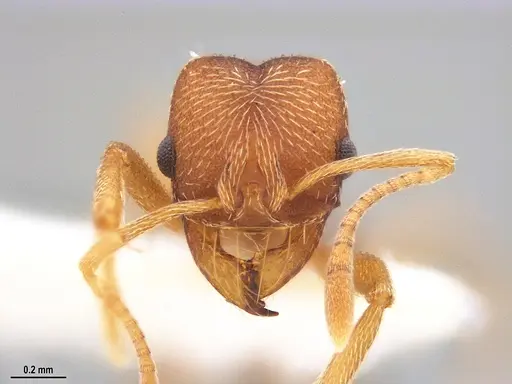
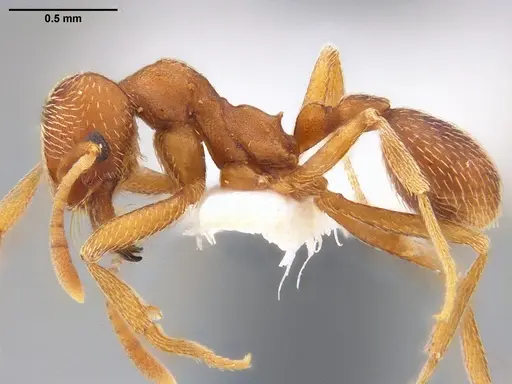
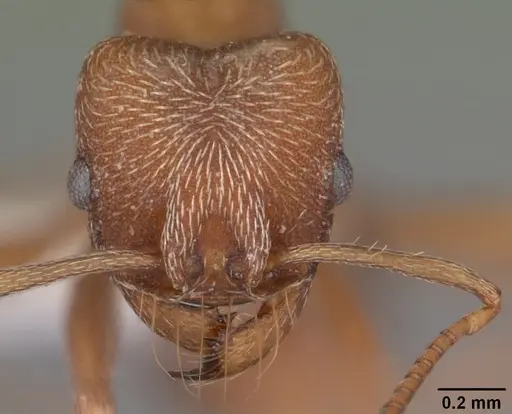
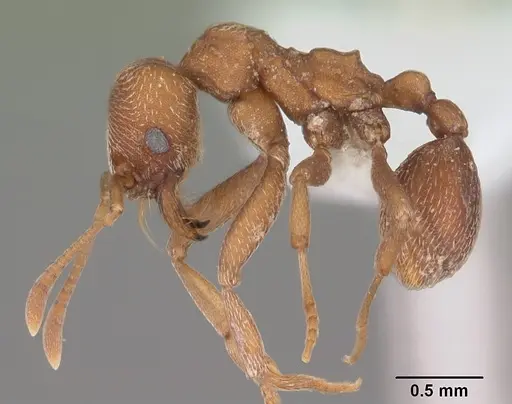
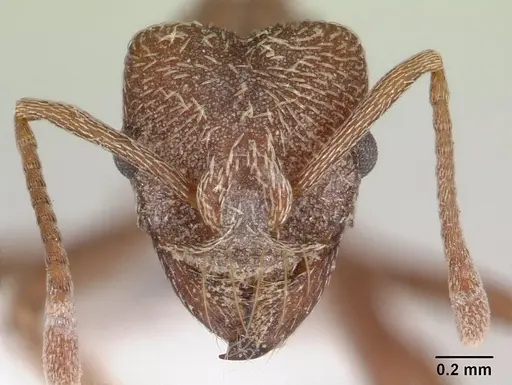
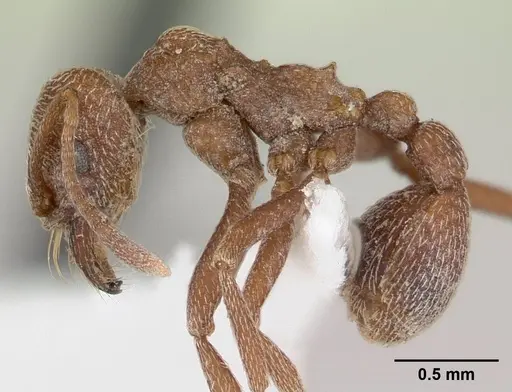
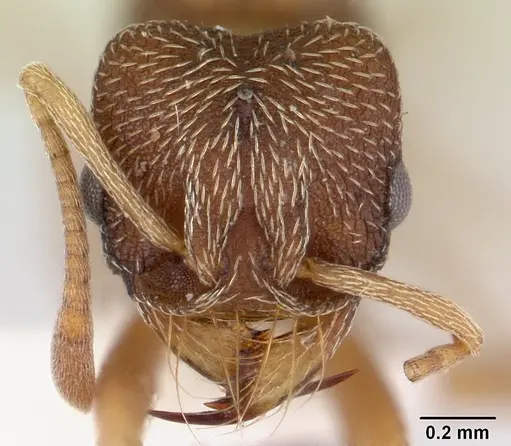
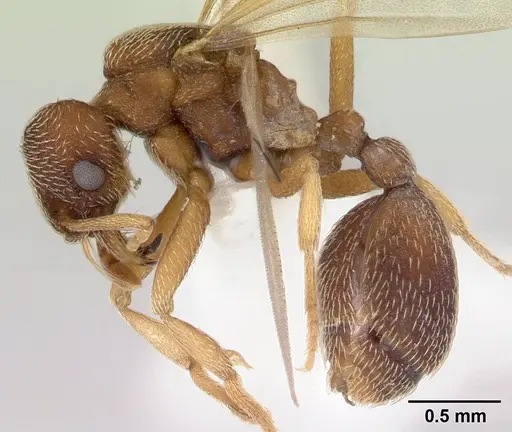
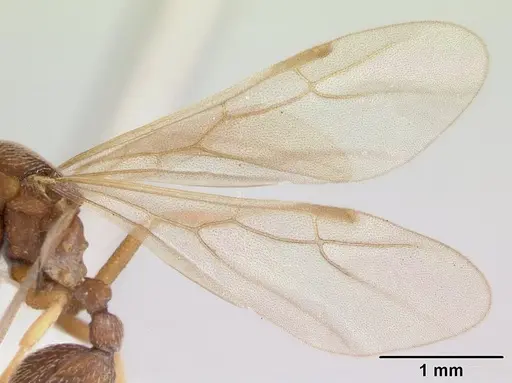
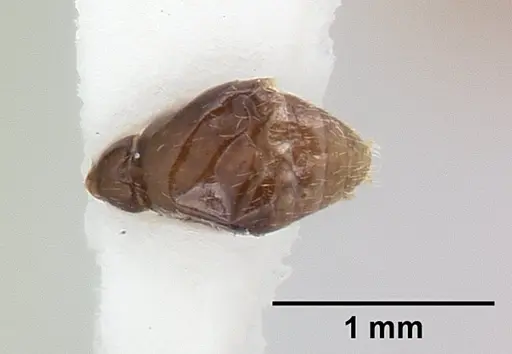
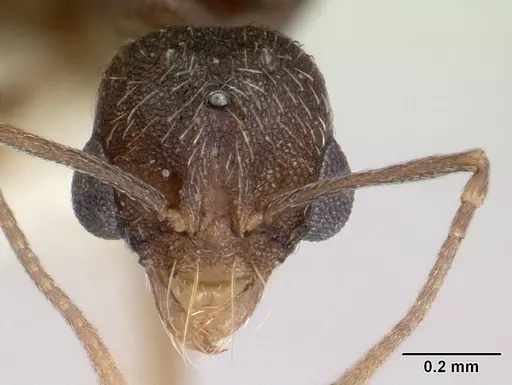
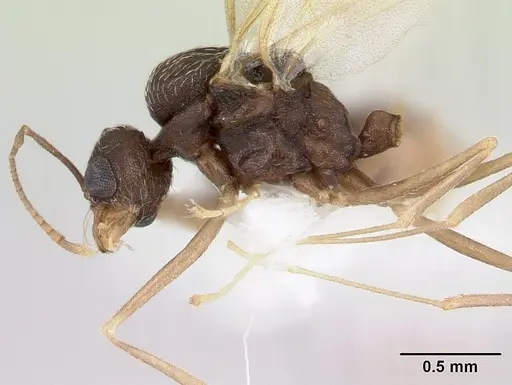
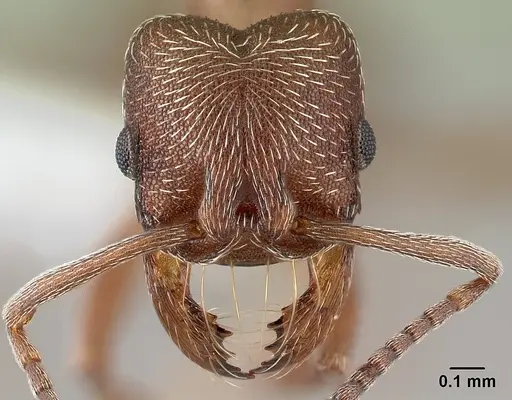
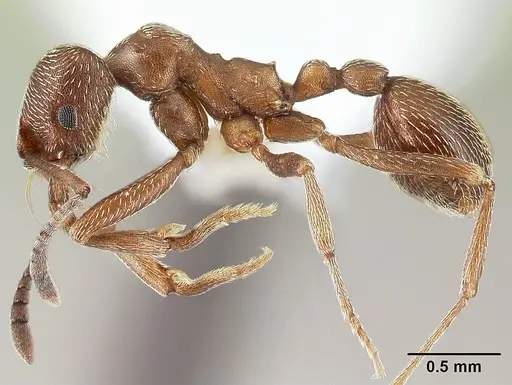
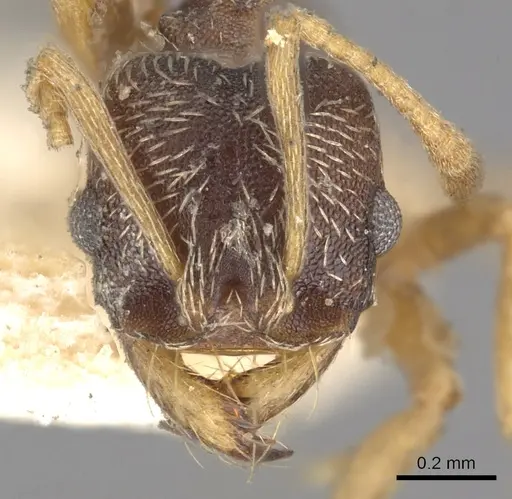
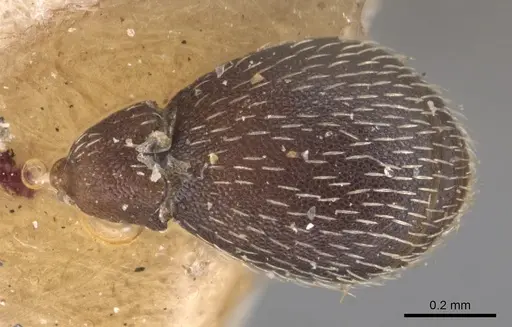
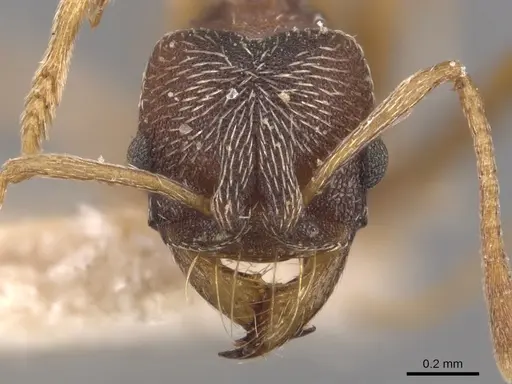
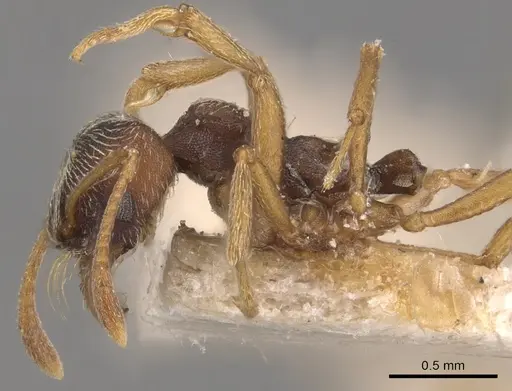
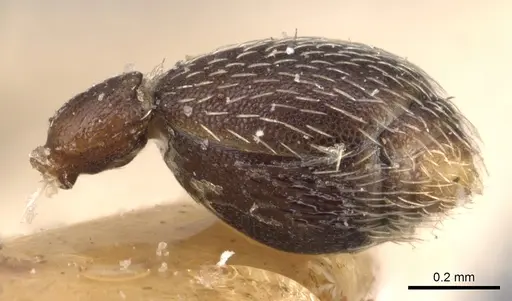
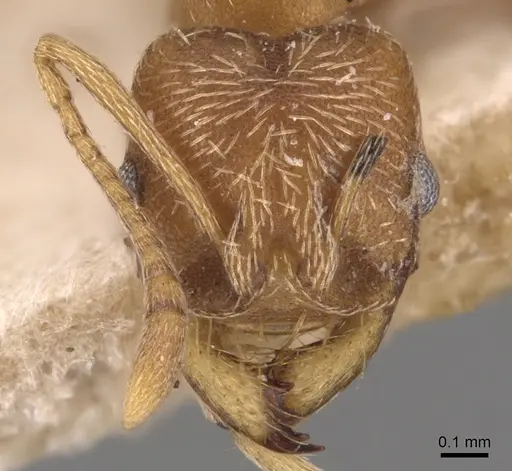
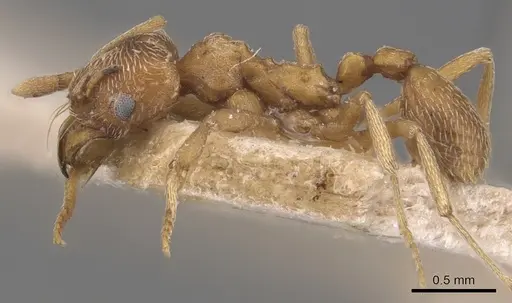
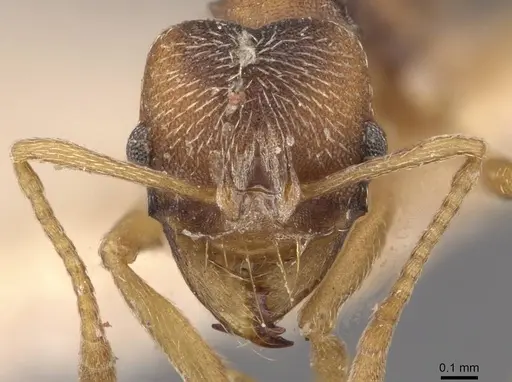
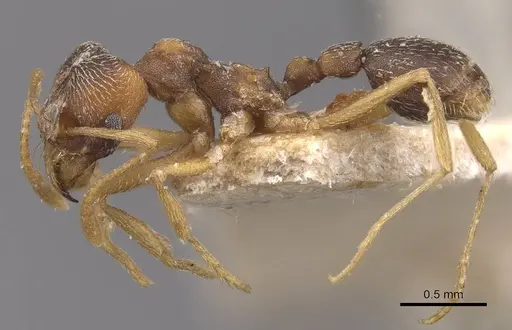
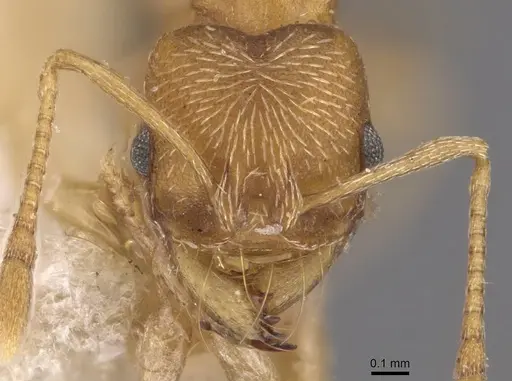
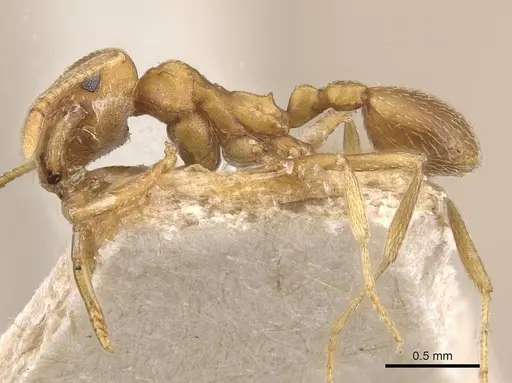
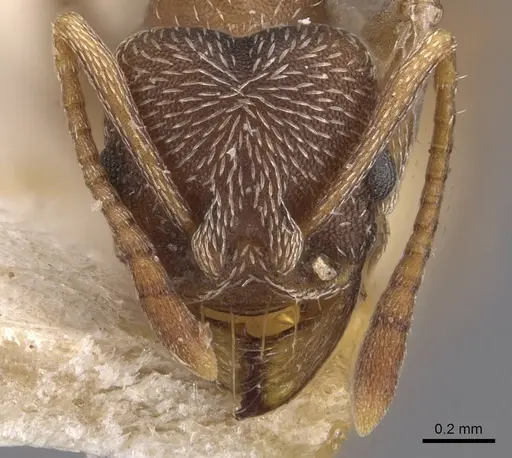
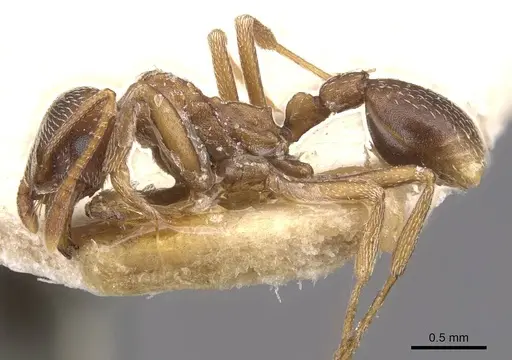
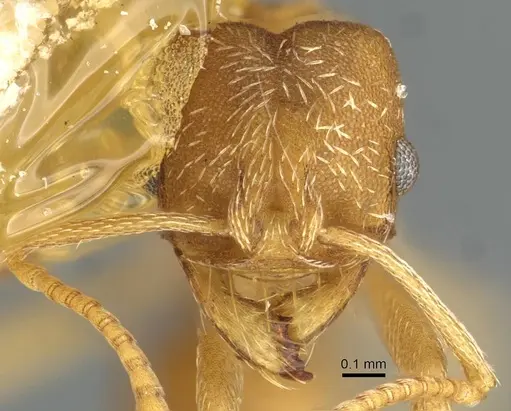
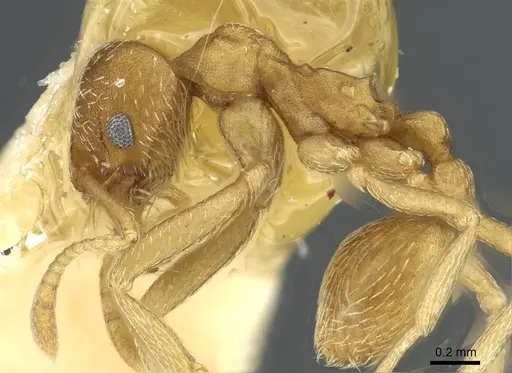
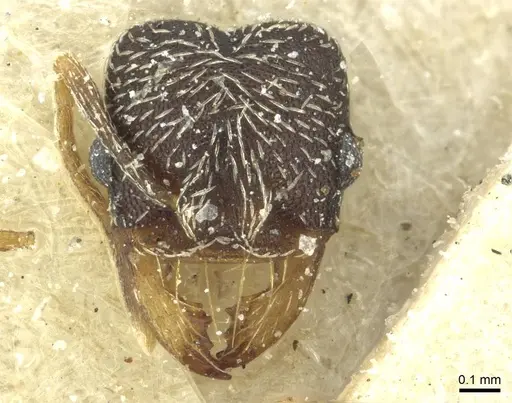
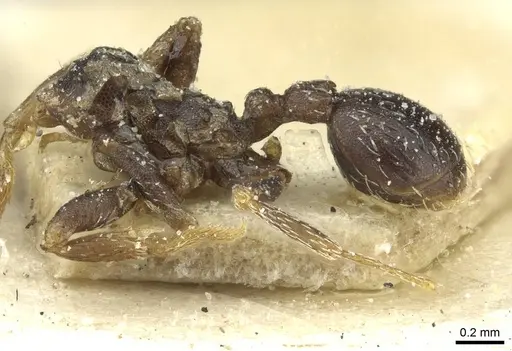
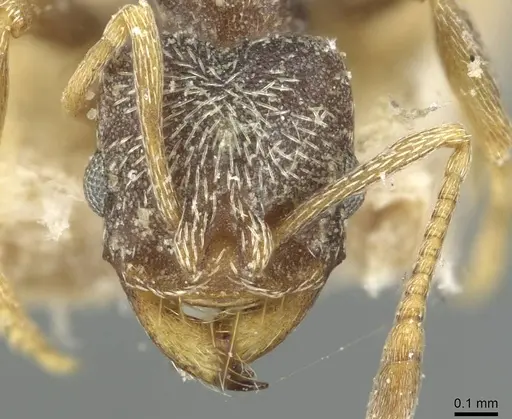
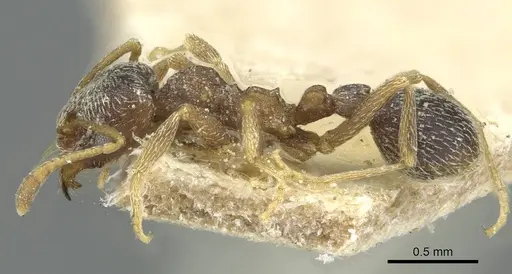
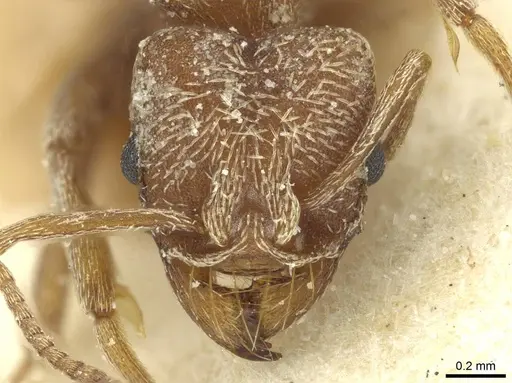
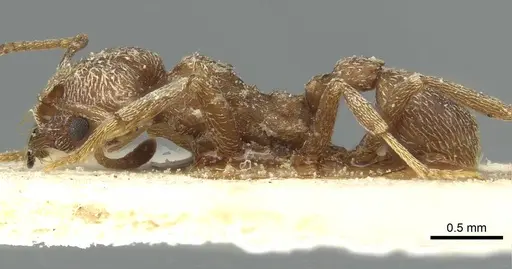
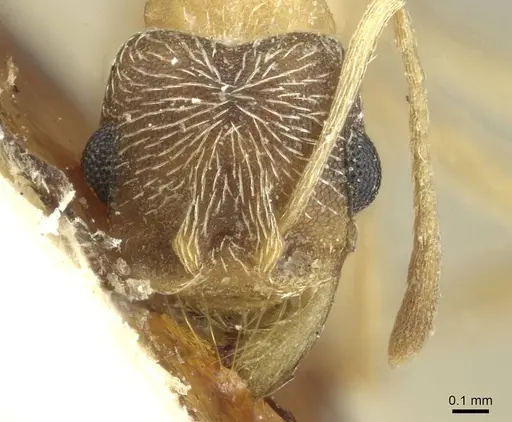
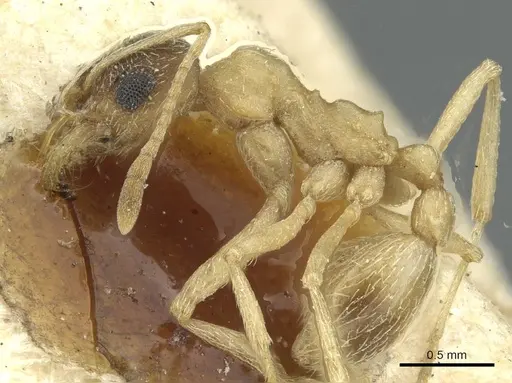
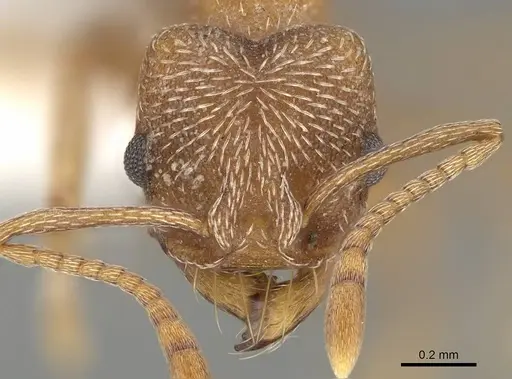
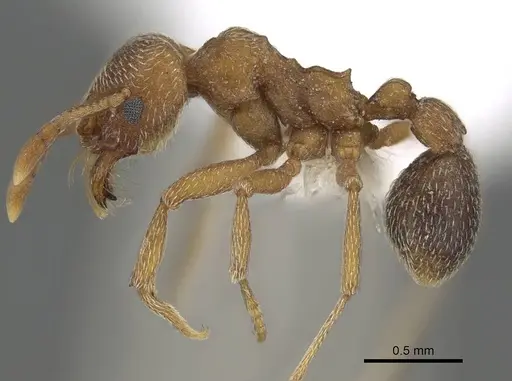
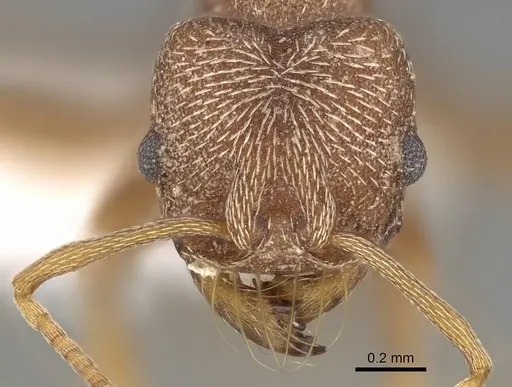
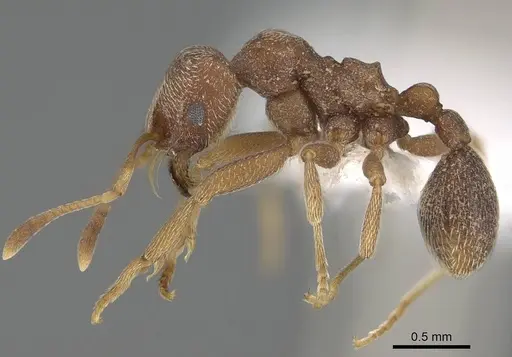
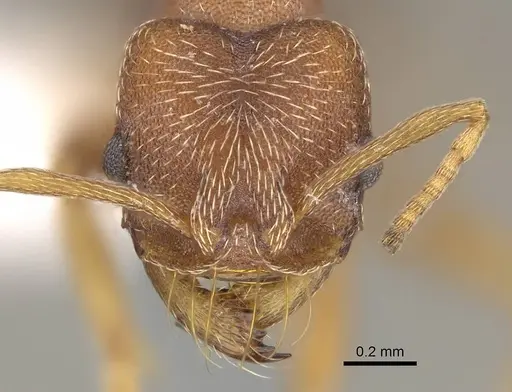
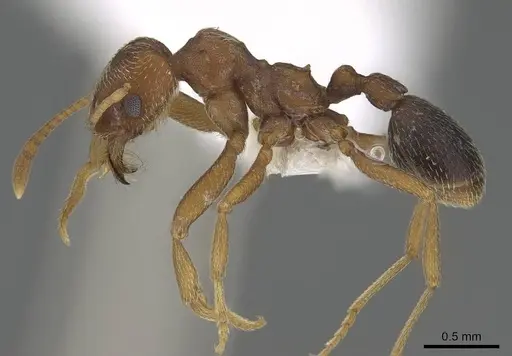
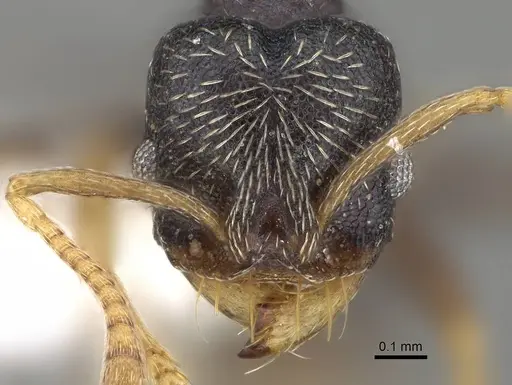
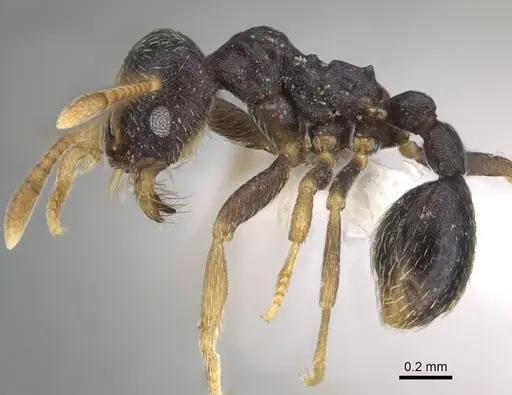
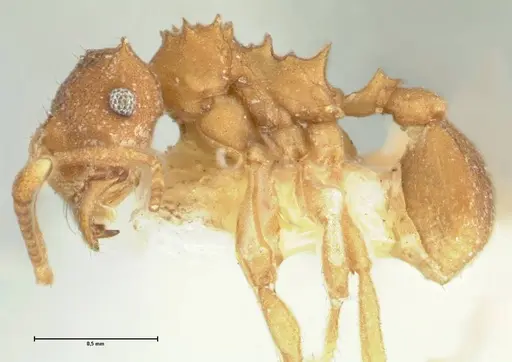
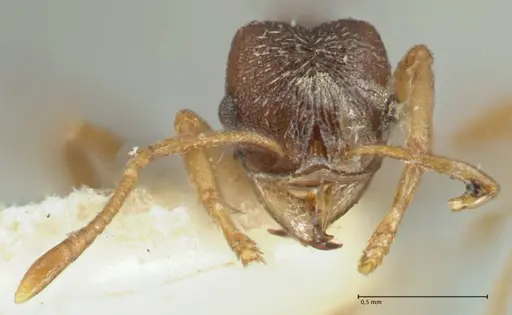
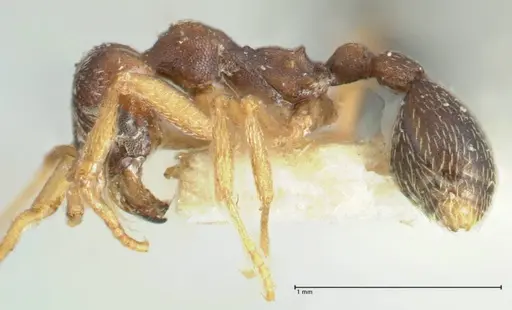
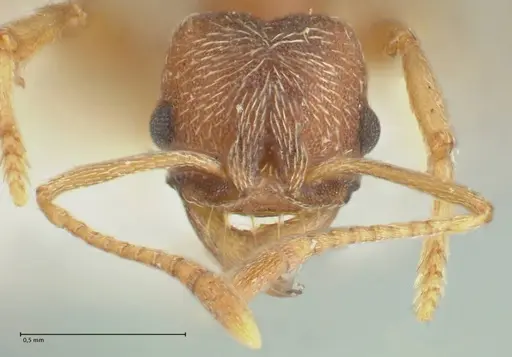
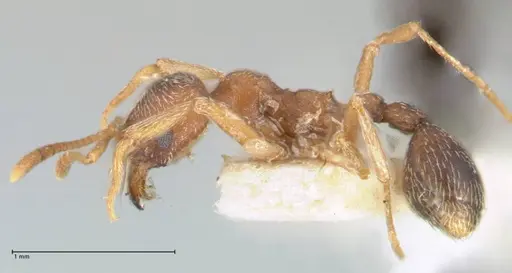
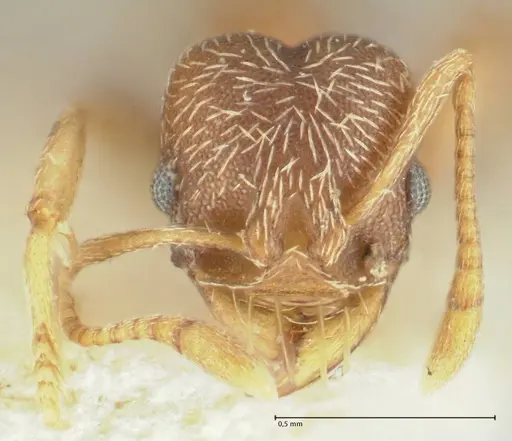
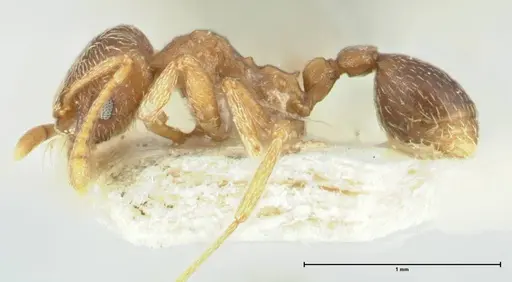
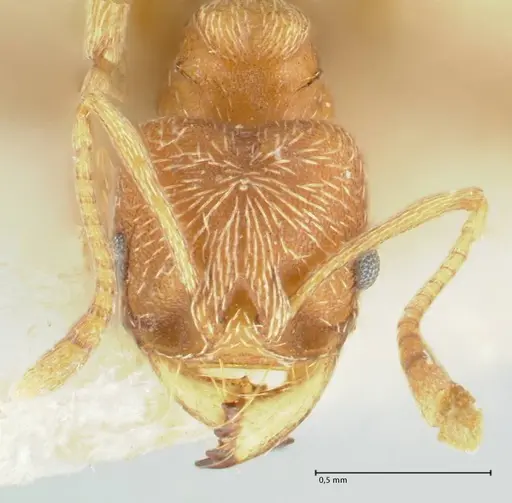
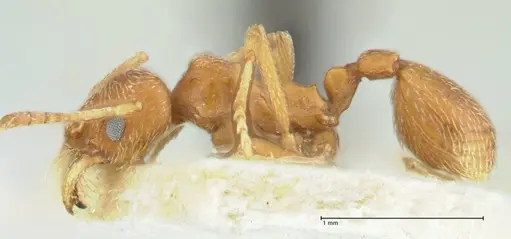
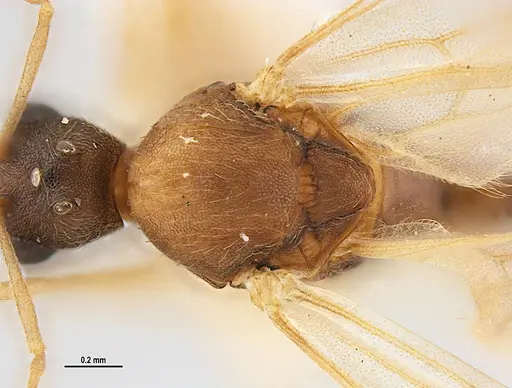
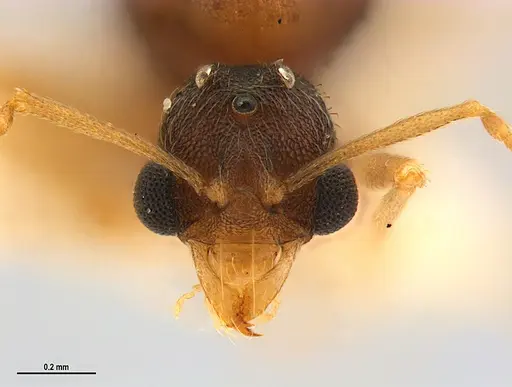
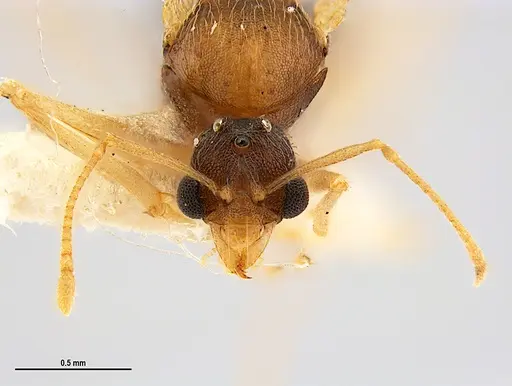
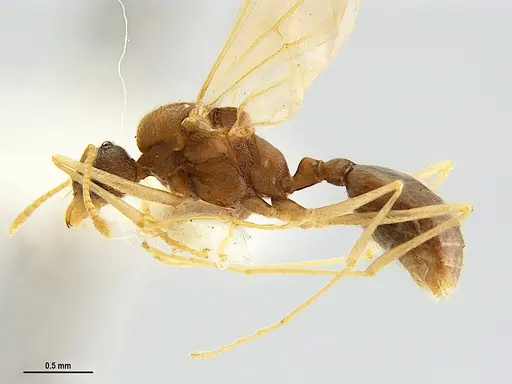
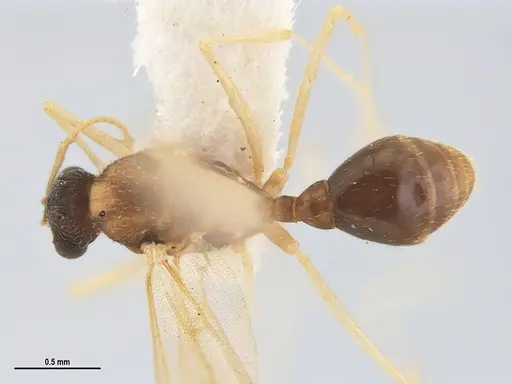
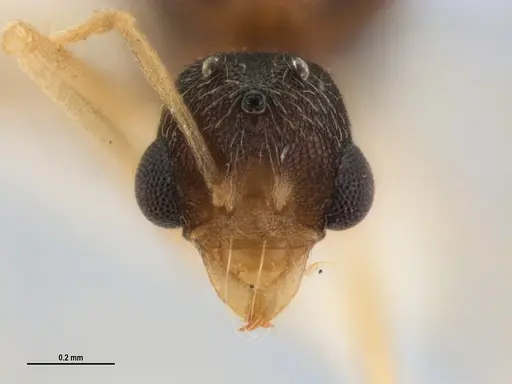
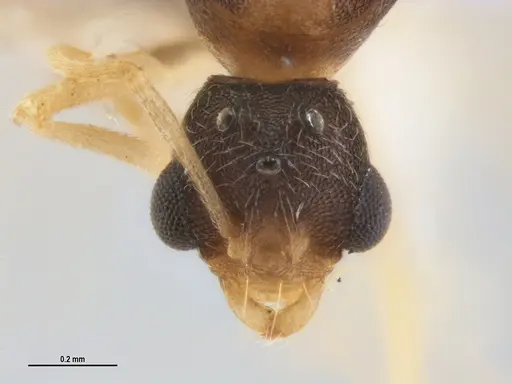
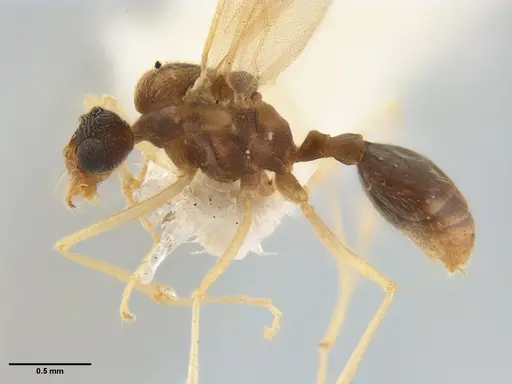
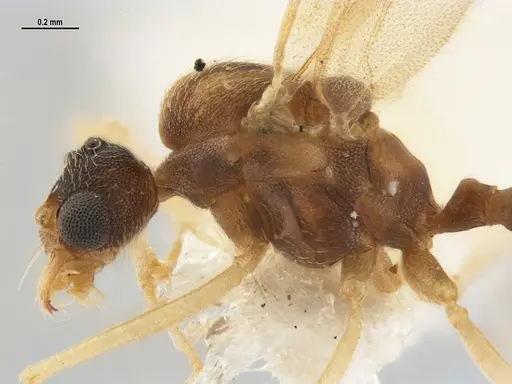
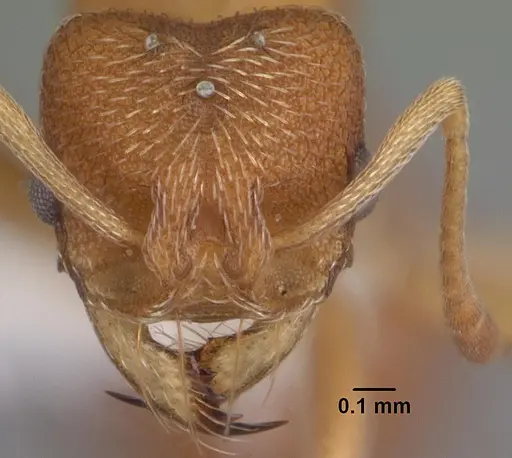
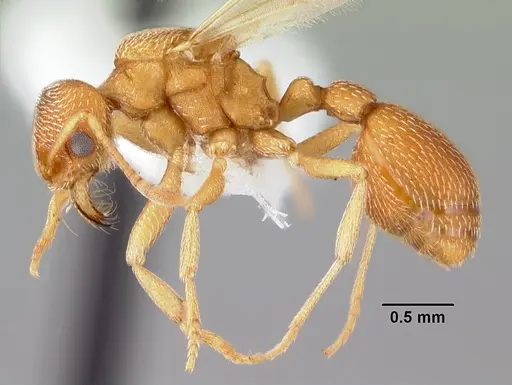
Kalathomyrmex emeryi is the only species in its genus, making it a one-of-a-kind fungus-farming ant. Workers are 2.4-4.0 mm long and range from yellowish to reddish-brown, with darker markings on the gaster, postpetiole, and head vertex . They have a square-shaped head, reduced frontal lobes, and a unique tuft of face hairs (psammophore) that helps them move sand . Unlike all other Attini ants, females lack the median clypeal seta - a trait found in no other ant genus . This species lives in open, sandy habitats across northern South America, from Colombia and Venezuela down to Argentina, including the seasonally dry Caatinga biome in Brazil and Amazon river beaches . Its most impressive trick: nests in the Amazon can be completely flooded for months, but once the water drops, the ants just reopen the entrance and get back to work .
Quick Summary
- Difficulty: Medium
- Origin & Habitat: Native to cis-Andean South America: Argentina, Bolivia, Brazil, Colombia, Guyana, Paraguay, Peru, and Venezuela. Lives in sandy soil in open, dry areas like river beaches, dry forest clearings, and grasslands. Nests are common on sandy river beaches and in spots with no plants [1][4].
- Colony Type: Monogyne (single-queen colonies). Queens mate with only one male (monandrous) [5]. Colonies stay small, typically around 100 workers [5].
- Size & Growth:
- Queen: 3.0-3.4 mm [1]
- Worker: 2.4-4.0 mm [1]
- Colony: Around 100 workers in studied colonies [5]
- Growth: Moderate, inferred from related fungus-farming ant patterns
- Development: 6-10 weeks, estimated based on typical Attini development at warm temperatures (Direct development data unavailable, estimates based on related lower agriculture fungus-farming ants)
- Antkeeping:
- Temperature: Keep at 24-28°C. This species comes from warm South American habitats and Amazon floodplains, so stable warmth supports colony growth and fungus cultivation [1]. A heating cable on one side of the nest creates a good gradient.
- Humidity: Moderate to high. Keep the nest substrate consistently moist but not waterlogged. The fungus chamber in particular should stay damp, in the wild these chambers sit 60-100 cm deep, which means stable, humid conditions underground. Let the surface of the substrate dry slightly between waterings.
- Diapause: Unknown, no specific research on hibernation requirements. Given its tropical/subtropical origin, a true diapause is probably not necessary, but a slight cooling period in winter (around 20-22°C) might be beneficial.
- Nesting: Y-tong (AAC) or plaster nests work well. Provide deep substrate (at least 10-15 cm) to match their natural deep nest architecture. Use sandy or loose substrate that holds moisture well. Include a dedicated fungus chamber area.
- Behavior: Workers forage mostly at night but are also active during the day, even in direct sun and high temperatures [1]. They are not aggressive and tend to flee when disturbed. As fungus farmers, they depend on a fungal cultivar, the queen brings a starter pellet when she founds the colony. Workers collect insect feces (mainly from butterflies and moths) to feed the fungus [1]. Escape risk is moderate: workers are small but not particularly fast. Standard test tube or formicarium barriers should keep them contained.
- Common Issues: Losing the fungal cultivar kills the colony, they cannot survive without their fungus., Flood tolerance is impressive, but overwatering the nest can still drown the colony or cause mold problems in the fungus chamber., Small colony size means slower population growth compared to faster-breeding species., Specialized diet, they need insect feces as fungus substrate, not typical ant foods like honey or protein., Temperature sensitivity, being from warm climates, they may struggle in rooms below 22°C.
Fungus Farming Requirements
Kalathomyrmex emeryi belongs to the lower agriculture system of fungus-farming ants and is one of the oldest lineages in the Attini tribe [6][7]. Like all attine ants, it's completely dependent on its fungal cultivar, the queen carries a fungal starter pellet when she founds a new colony, and that fungus must survive for the colony to live [8]. In the wild, workers collect feces from other insects, especially butterflies and moths (Lepidoptera), to feed their fungus [1]. This means you cannot feed them standard ant protein or sugar water. Instead, you need to provide the right substrate for fungus growth, typically a mix of insect droppings, decaying plant matter, or specialized fungus-farming ant food mixes available from ant supply stores. Wild fungus chambers sit 60-100 cm deep, suggesting they need stable, humid underground conditions [1]. In your setup, give them a dedicated chamber for fungus cultivation that stays consistently moist.
Flood Tolerance and Nest Architecture
One of the most amazing traits of K. emeryi is its incredible flood tolerance. In the Amazon, nests can be completely underwater for months during the rainy season. When the water recedes, the ants just reopen the entrance and go back to normal activity [1]. This adaptation is probably linked to their sandy soil nesting habits, loose substrate allows gas exchange even when waterlogged. Dr. M. Verhaagh observed a nest in Peru that stayed covered by high water for several days, and the ants came out as soon as the water level dropped [1]. For keepers, this means you don't need to panic if the nest floods temporarily, this species is built for it. But the fungus inside may be more sensitive, so avoid long-term waterlogging of the fungus chamber.
Feeding and Diet
As a fungus-farming ant, K. emeryi has very specific dietary needs. The ants don't eat the insects they collect directly, instead, they use insect feces and other organic matter as fertilizer for their fungal garden, which is the actual food for larvae and adults [1]. Workers forage mainly at night but are also active during the day [1]. In captivity, provide either commercial fungus-growing ant food mixes (sold for Attini species) or make your own substrate. Some keepers use a blend of insect droppings, oat flour, and other organic materials. Never feed sugar water or honey as a primary food, they don't need sugar sources like many other ants. Protein-rich foods should only be offered as fungus substrate, not as direct ant food. Watch whether the fungus accepts new material before adding large amounts.
Temperature and Seasonal Care
Given its range across tropical and subtropical South America, K. emeryi likes it warm. Keep temperatures between 24-28°C to mimic their Amazon and river beach habitats [1]. They've been seen active during both day and night, even in direct sunlight and high heat, so they have good heat tolerance [1]. A heating cable on one side of the nest creates a temperature gradient so the colony can choose. As for diapause, no specific research exists, but given their tropical origins, a true hibernation is probably not needed. Still, a slight temperature drop in winter (to around 20-22°C) might help simulate natural seasonal cycles without stressing the colony. Always keep the fungus chamber warm even if the ants show less activity.
Unique Morphology and Identification
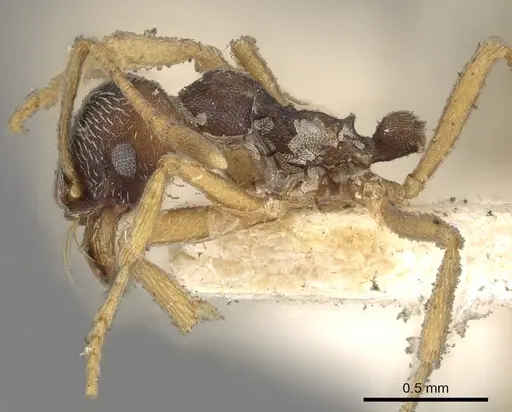
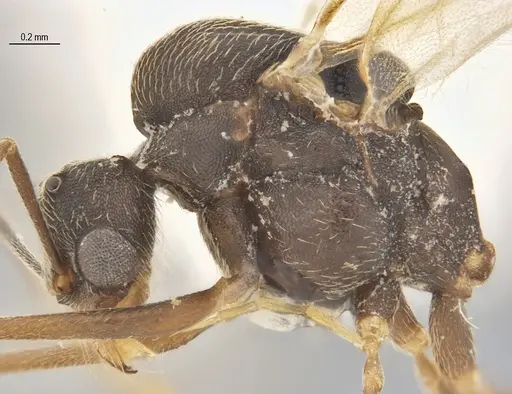
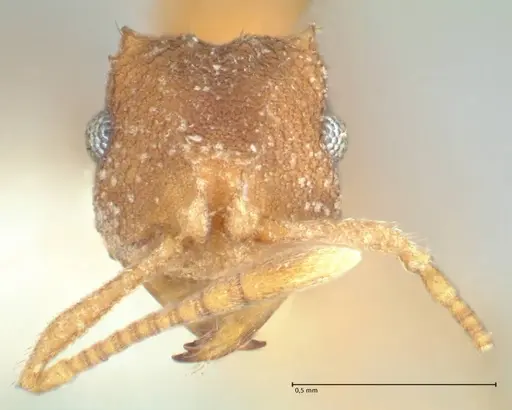
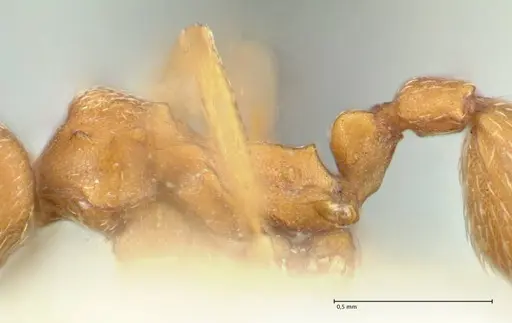
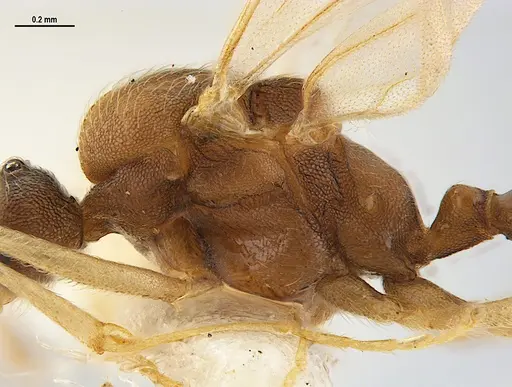
K. emeryi has several unique features that set it apart from other fungus-farming ants. The most obvious is the psammophore, a bundle of stiff bristles on the face that helps move sand particles [1][2]. This is different from the psammophore in related genera: it comes from the middle of the clypeus, not the front edge, making it a unique derived trait [2]. Workers also lack the median clypeal seta found in all other Attini, this is a defining trait of the genus [2]. Their square head shape and reduced frontal lobes are also distinctive. When identifying your ants, look for yellowish to reddish-brown color with darker markings on the gaster, a slender body, and a heart-shaped postpetiole with a deep rear impression [1]. These ants are small (under 4 mm) but stocky, not delicate.
Frequently Asked Questions
How long does it take for Kalathomyrmex emeryi to produce first workers?
Direct development data is not available for this species, but based on typical lower agriculture fungus-farming ants, expect 6-10 weeks from egg to first worker at optimal temperatures (24-28°C). Growth is moderate, do not expect rapid expansion.
Can I keep multiple Kalathomyrmex emeryi queens together?
Probably not. This species seems to have single-queen colonies (monogynous) based on queen mating patterns [5], so keeping multiple unrelated queens together would likely lead to fighting. Only keep one queen per colony.
What do Kalathomyrmex emeryi eat?
They are fungus farmers, not typical ant eaters. They cultivate fungal gardens using insect feces (especially from butterflies and moths) as substrate [1]. In captivity, use specialized fungus-growing ant food mixes designed for Attini species. Do not feed sugar water, honey, or standard ant protein foods.
Is Kalathomyrmex emeryi a good species for beginners?
This is a medium-difficulty species best suited for antkeepers with some experience. The specialized fungus-farming requirements and need for specific substrate make it more challenging than common species like Lasius or Camponotus. However, it is not as demanding as some higher agriculture attine species.
How big do Kalathomyrmex emeryi colonies get?
Colonies are relatively small compared to many ants. Wild colonies reach around 100 workers [5], though captive colonies may grow somewhat larger with optimal care.
Do Kalathomyrmex emeryi need hibernation?
Diapause requirements are unknown for this species. Given its tropical and subtropical distribution, a true hibernation is likely not necessary. However, a slight cooling period during winter months (reducing to around 20-22°C) may be beneficial.
What type of nest is best for Kalathomyrmex emeryi?
Use a Y-tong (AAC) or plaster nest with deep chambers. The nest should accommodate their natural tendency to build deep fungus chambers (60-100 cm in the wild). Provide a dedicated fungus chamber area that stays consistently moist. Sandy or loose substrate that holds moisture well works best.
Why are my Kalathomyrmex emeryi dying?
The most common causes are: 1) Fungal cultivar death, without their fungus, the colony cannot survive, 2) Temperature too cold, they need 24-28°C, 3) Incorrect substrate, they need specific fungus-growing materials, not standard ant foods, 4) Overwatering that drowns the fungus. Check these factors first.
Report an Issue
The current care sheet is based fully on literature. See inconsistencies, or something that's incorrect? Please , it will be resolved after review from an admin. Contributing to the blogs tab also helps providing information, to make us be able to further improve the caresheets. Thank you for your support!
References

This caresheet is licensed under CC BY-SA 4.0 .
Community Blogs
ANTWEB1053571
View on AntWeb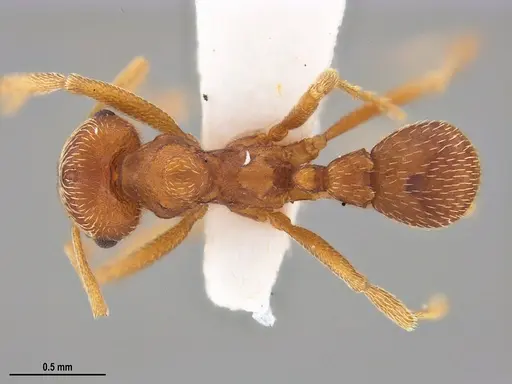
CASENT0010816
View on AntWeb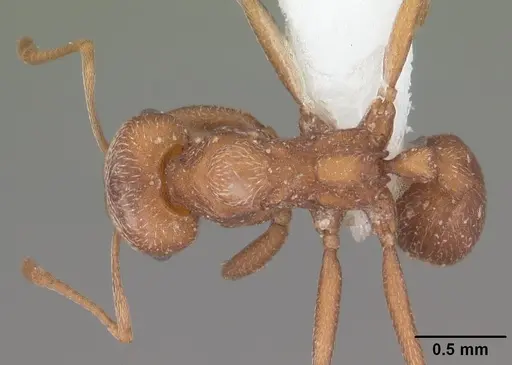
CASENT0178534
View on AntWeb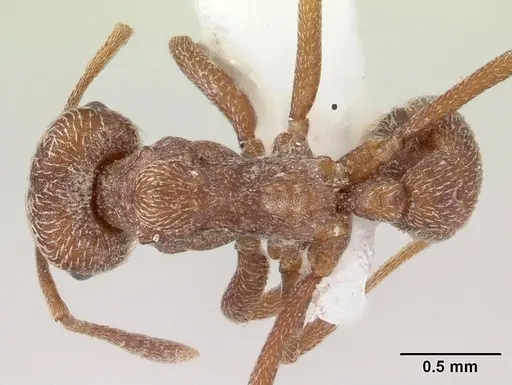
CASENT0178535
View on AntWeb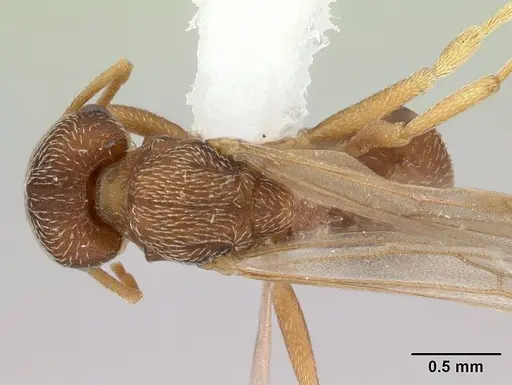
CASENT0178536
View on AntWeb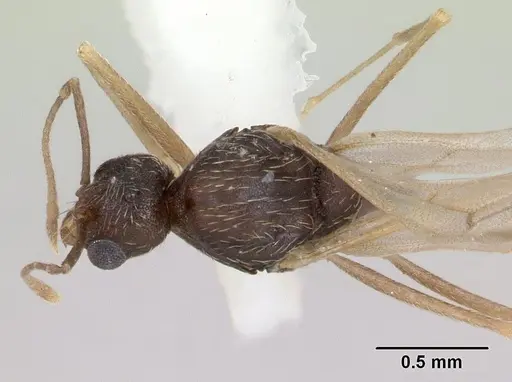
CASENT0179595
View on AntWeb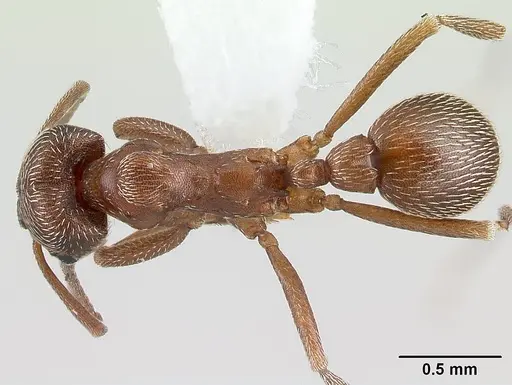
CASENT0901683
View on AntWeb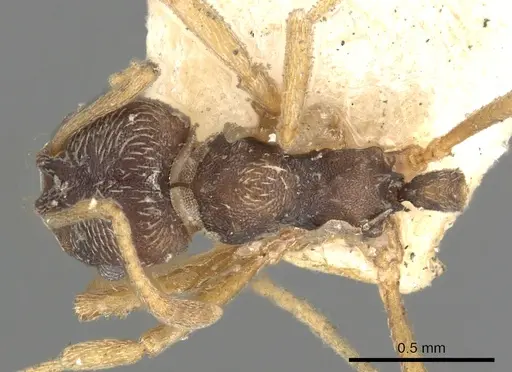
CASENT0904984
View on AntWeb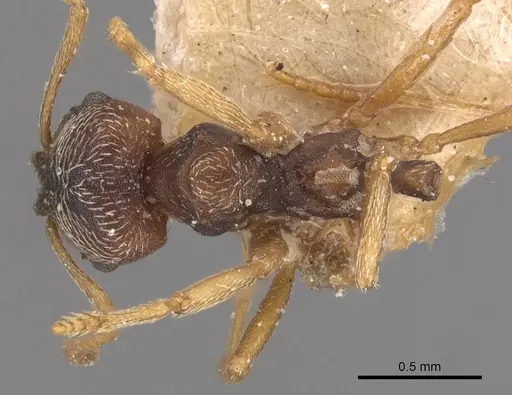
CASENT0904985
View on AntWeb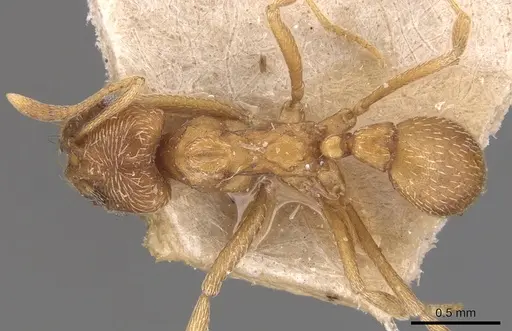
CASENT0909386
View on AntWeb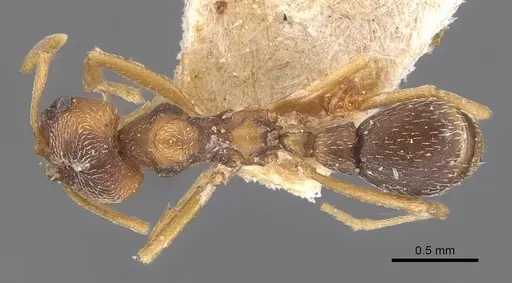
CASENT0909387
View on AntWeb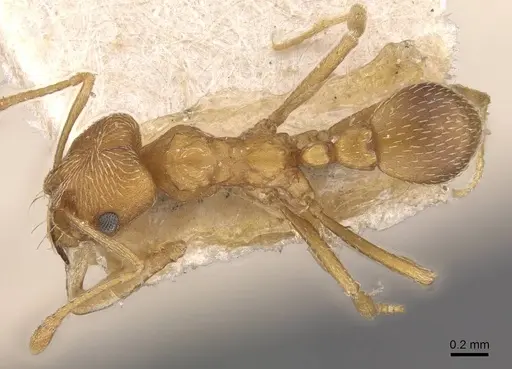
CASENT0909388
View on AntWeb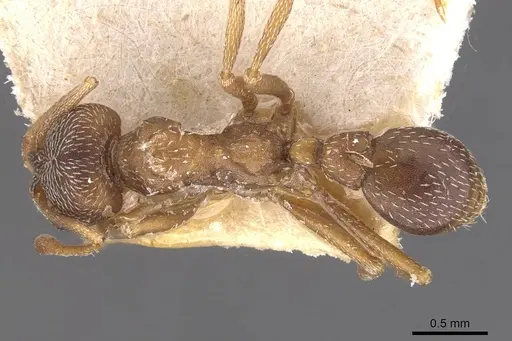
CASENT0911201
View on AntWeb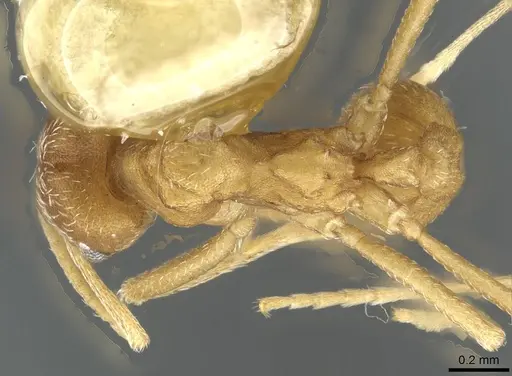
CASENT0912507
View on AntWeb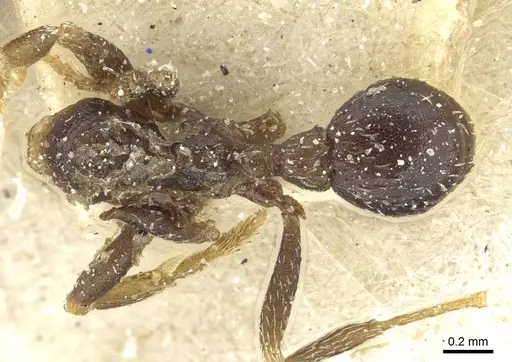
CASENT0912508
View on AntWeb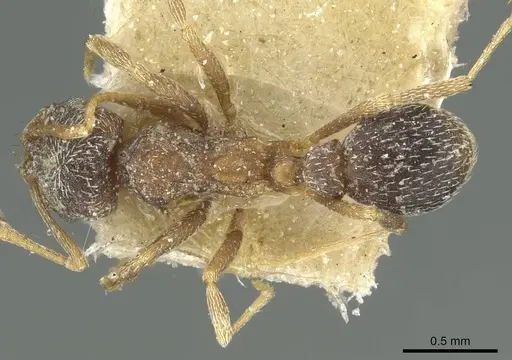
CASENT0912509
View on AntWeb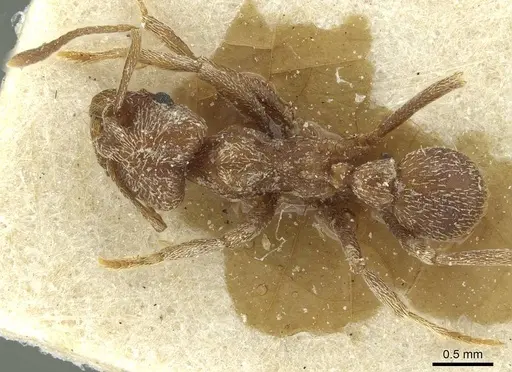
CASENT0912510
View on AntWeb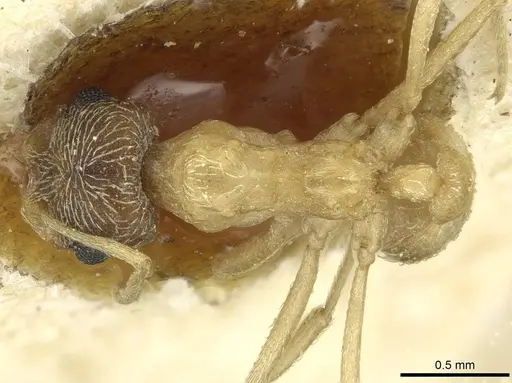
CASENT0922146
View on AntWeb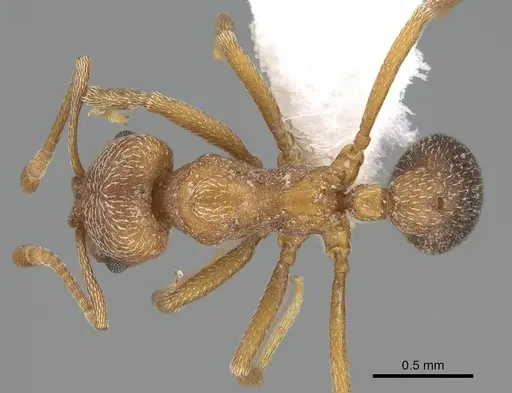
CASENT0922147
View on AntWeb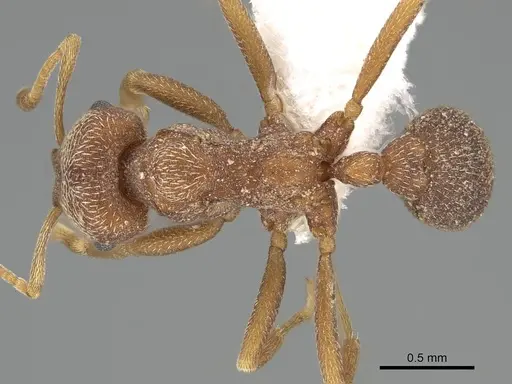
CASENT0922148
View on AntWeb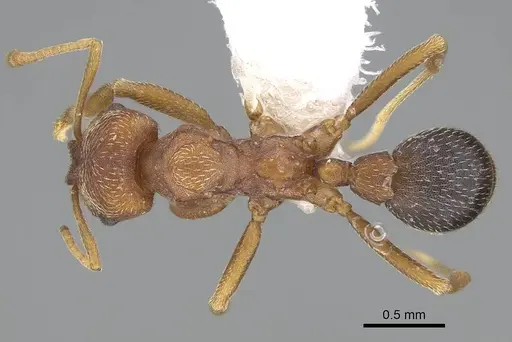
CASENT0922149
View on AntWeb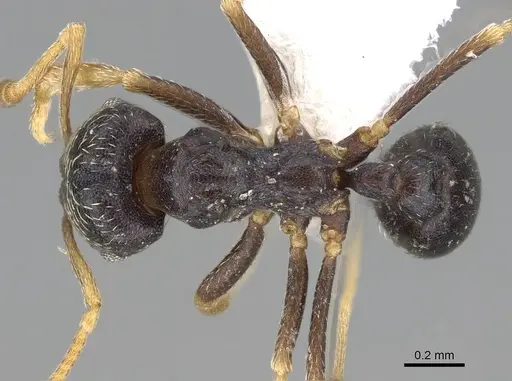
DZUP557320
View on AntWeb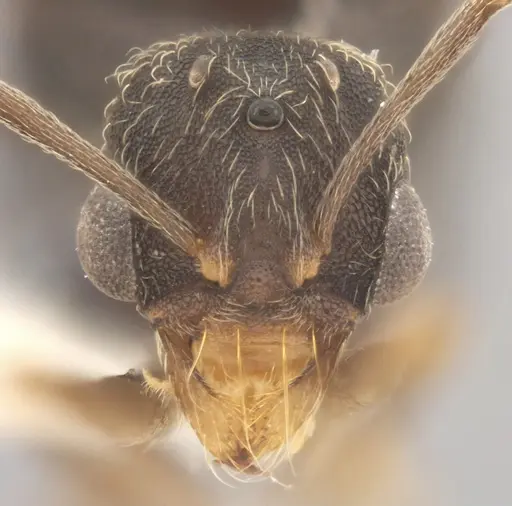
FOCOL1771
View on AntWeb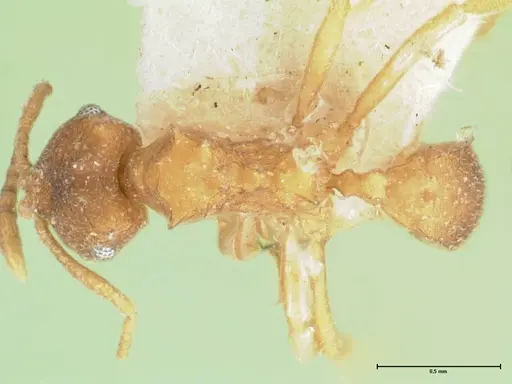
FOCOL1772
View on AntWeb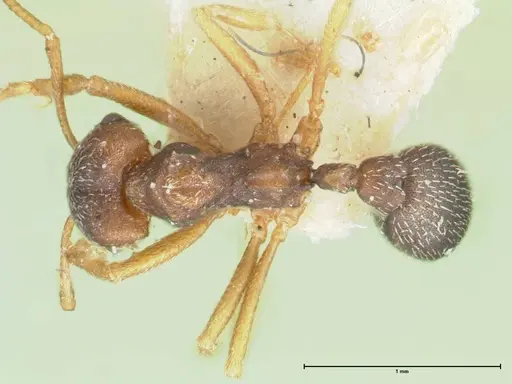
FOCOL1773
View on AntWeb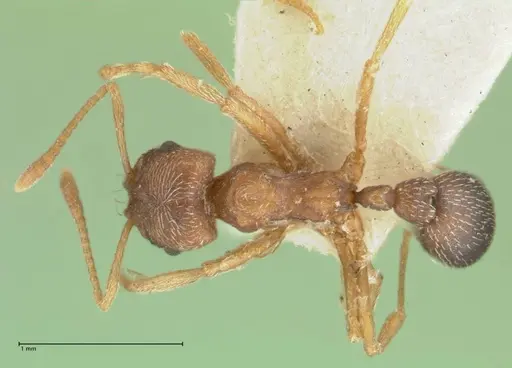
FOCOL1774
View on AntWeb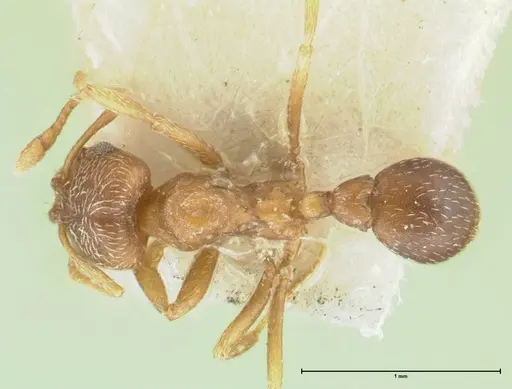
FOCOL1775
View on AntWeb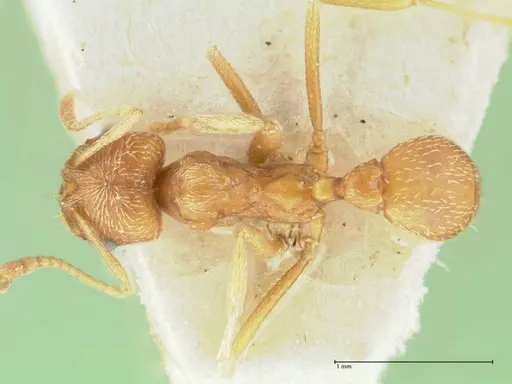
MZSPHYM0135890
View on AntWeb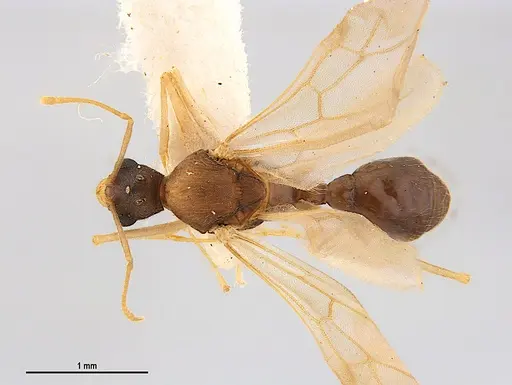
MZSPHYM0135891
View on AntWeb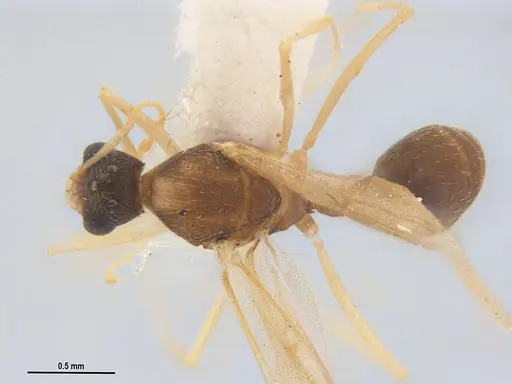
PSW12459-24
View on AntWeb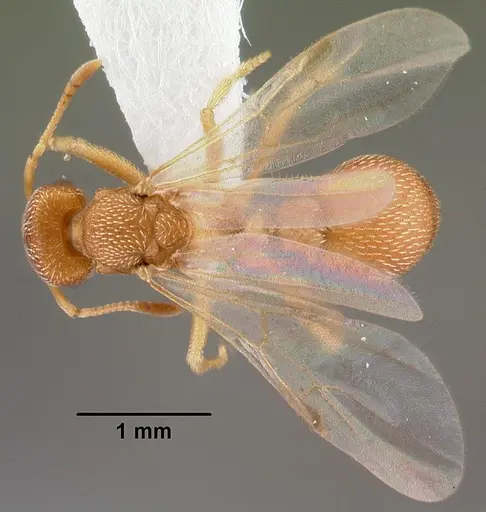
Literature
Loading distribution map...Loading products...