
Centralian Meat Ant
Iridomyrmex viridiaeneus
- Sci. Name
- Iridomyrmex viridiaeneus
- Tribe
- Leptomyrmecini
- Subfamily
- Dolichoderinae
- Author
- Viehmeyer, 1914
- Common Name
- Centralian Meat Ant
- Distribution
- Found in 1 countries
Introduction
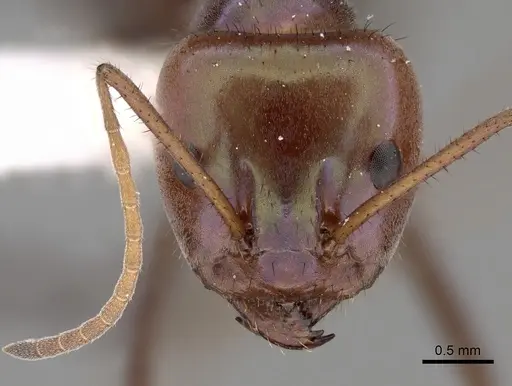
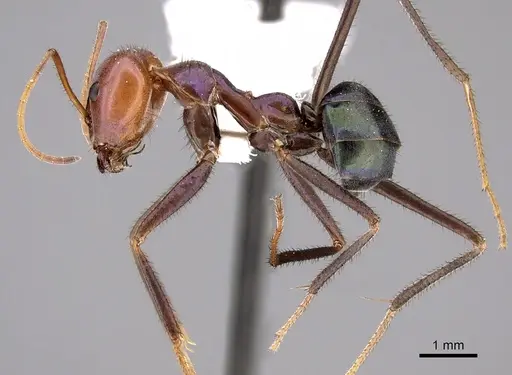
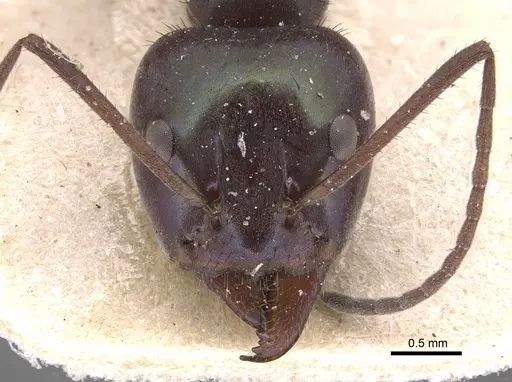
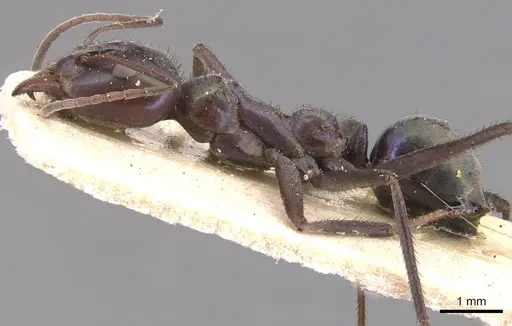
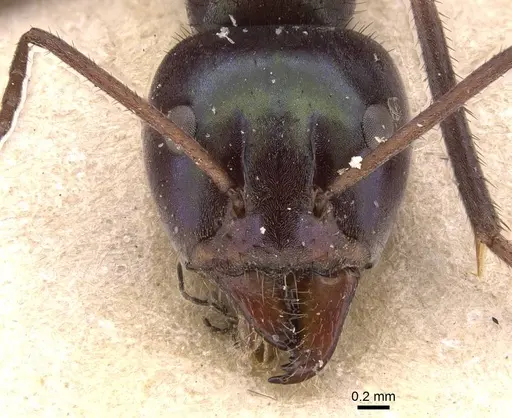
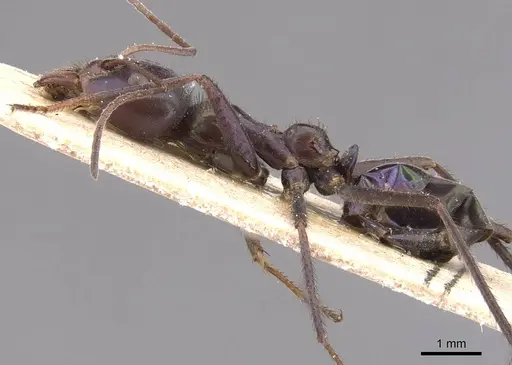
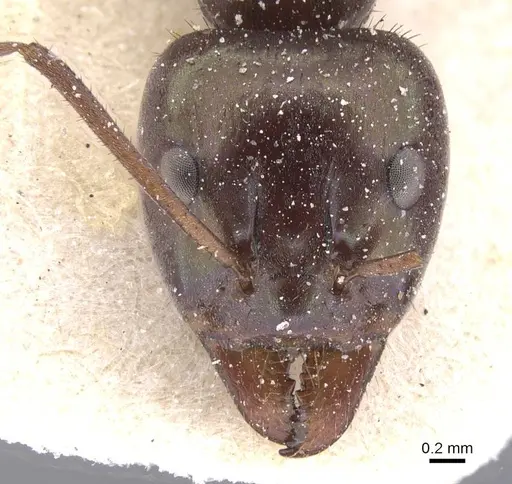
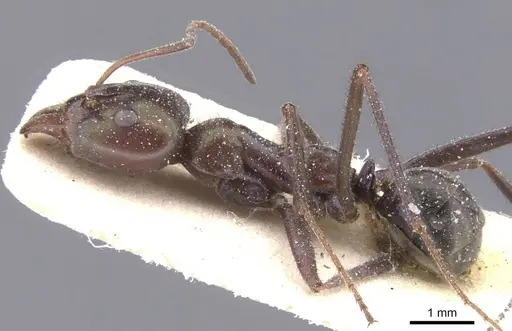
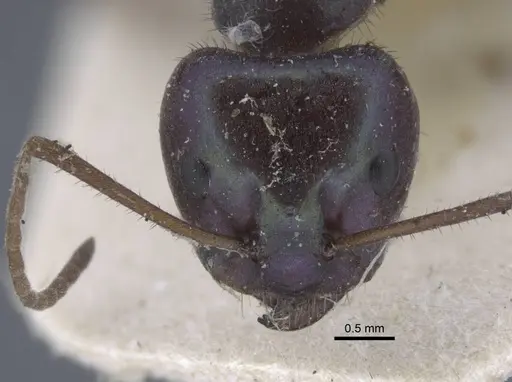
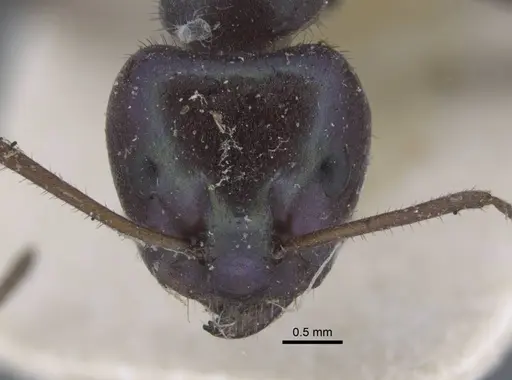
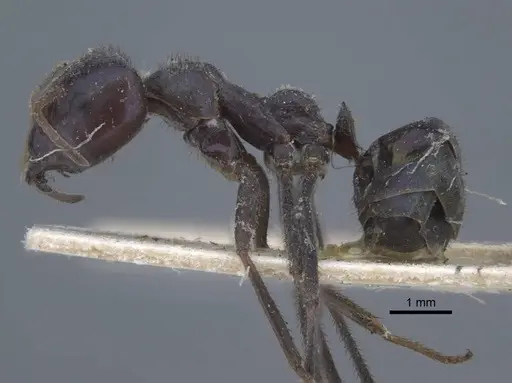
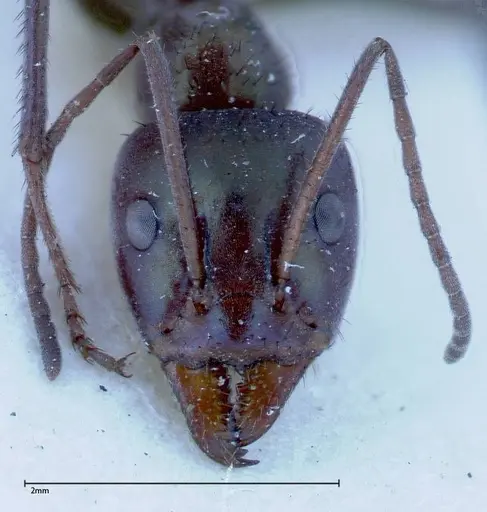
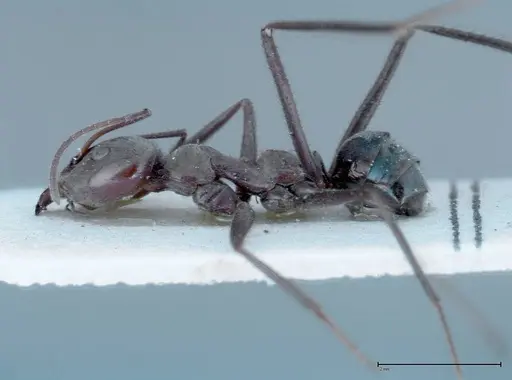
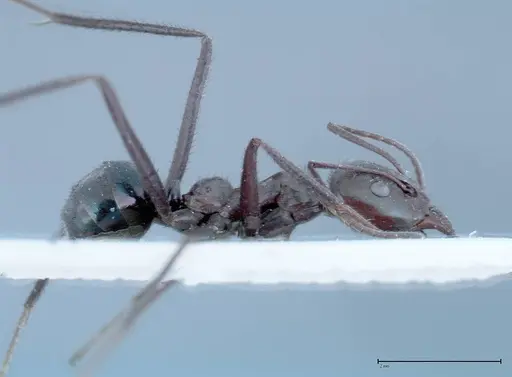
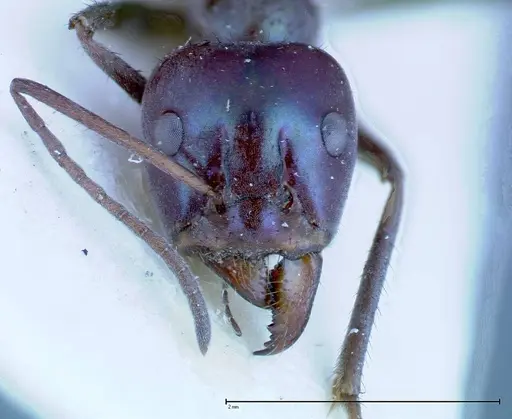
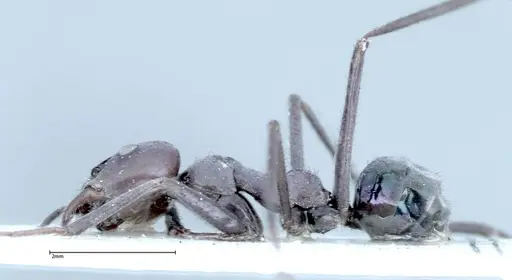
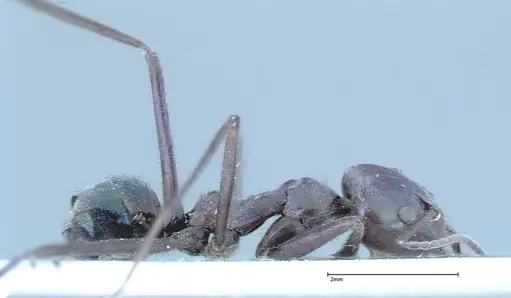
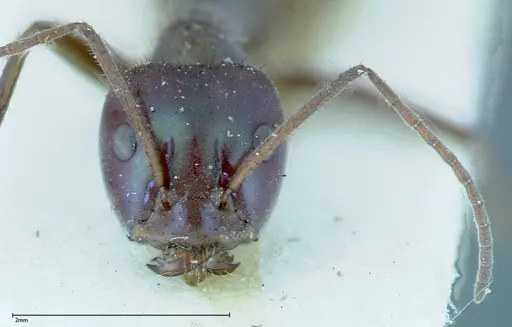
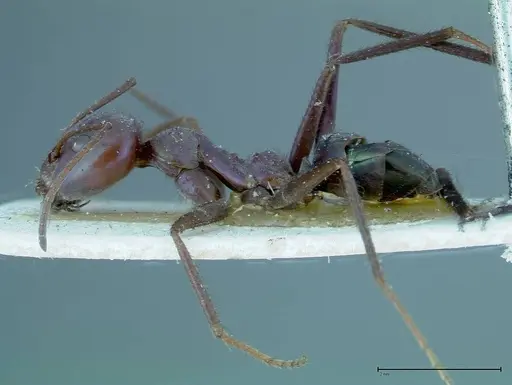
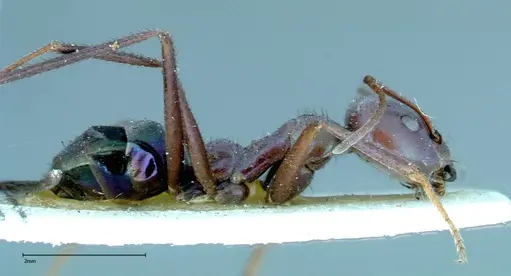
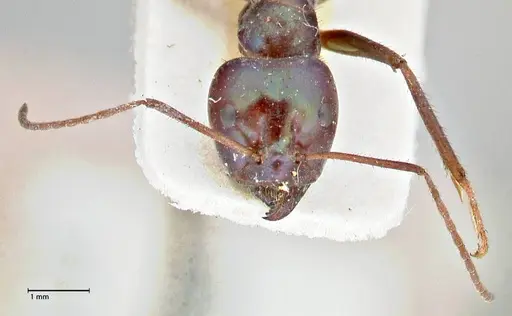
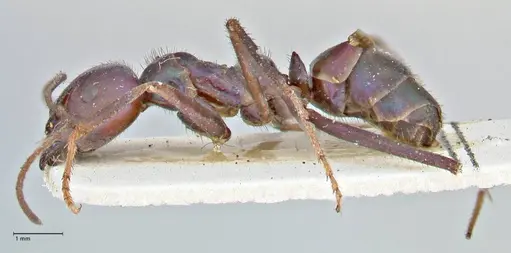
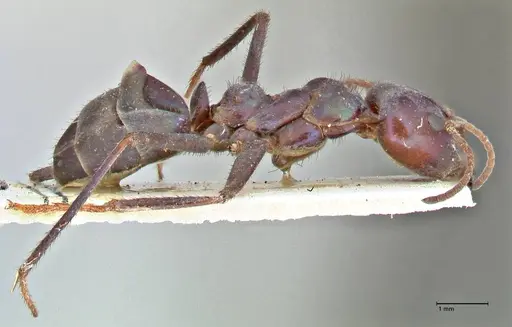
Iridomyrmex viridiaeneus, commonly known as the green meat ant, is one of Australia's most recognizable ants. Workers display a striking green iridescence across the head and mesosoma, often accompanied by purple or pink highlights on the gaster. This is the most widely distributed of all meat ant species, found throughout Australia in all states . They are aggressive foragers with well-developed trailing behavior and play an important ecological role as seed dispersers in arid Australian ecosystems, with seeds being removed over 180 meters .
Quick Summary
- Difficulty: Medium
- Origin & Habitat: Throughout Australia, the most widely distributed meat ant species, found in all Australian states. Absent from the moister southwest and south of Western Australia. Builds large mounds in open habitats, particularly in the eastern wheatbelt and surrounding pastoral country in WA [1].
- Colony Type: Large compound nests with multiple queens, colonies build characteristic large mounds and occur in high numbers, with one study finding them representing 23.9% of all larger ants sampled [5].
- Size & Growth:
- Queen: size data unavailable
- Worker: ~6-10mm, inferred from Iridomyrmex genus [2]
- Colony: Large colonies, one of the most abundant larger ant species in Australia
- Growth: Moderate
- Development: Unconfirmed, no specific development data available for this species (Development time has not been directly studied)
- Antkeeping:
- Temperature: Extremely heat tolerant, active between 14°C and 43.5°C in the wild [6]. Provide a warm gradient with a heated area reaching 30-35°C and cooler areas around 20-22°C.
- Humidity: Dry-adapted species from arid Australia. Keep nest substrate relatively dry with minimal moisture. Provide a shallow water dish in the outworld but avoid damp conditions in the nest.
- Diapause: No, these ants remain active year-round in their native Australian climate. They do not require hibernation [6].
- Nesting: Large mound-building ants. In captivity, they need spacious formicariums with substantial nesting chambers. Y-tong (AAC) nests work well. Provide deep substrate for colony expansion.
- Behavior: Highly active and aggressive foragers with strong trailing behavior. They forage primarily during daylight hours and are one of the most heat-tolerant ant species, remaining active in temperatures up to 43.5°C [6]. Workers lack a functional sting and instead use smear defense, secreting defensive chemicals from the tip of the abdomen. Escape prevention is important, standard barriers work well. They are territorial and will defend their nest vigorously.
- Common Issues: large colony size requires significant space as the colony matures, heat tolerance means they need warm conditions, cold temperatures will slow or stop activity, aggressive behavior and defensive chemicals make them unsuitable for handling, wild colonies may be difficult to establish in captivity due to stress from relocation, dry habitat requirements mean over-moisture is a common mistake
Housing and Nest Setup
Iridomyrmex viridiaeneus requires spacious housing due to its large colony size. A large Y-tong (AAC) nest works well, with multiple connected chambers to accommodate the colony's growth. These ants are mound-builders in the wild, so providing deep substrate (at least 5-10cm) allows them to excavate and create natural tunnel systems. The nest should be kept dry, these are arid-adapted ants that do not require high humidity. A water tube should be provided in the outworld, but avoid wetting the nest substrate. Ensure excellent escape prevention. [1][2]
Temperature Requirements
This species is exceptionally heat-tolerant, active in temperatures ranging from 14°C to 43.5°C in the wild [6]. In captivity, maintain a temperature gradient with the nest area at 25-32°C. A heating cable on one side of the nest creates the warm zone they prefer. They are diurnal foragers that trail along established paths, so the outworld should also be warm during daylight hours. Avoid cold conditions, these ants are adapted to Australian heat and will become sluggish below 20°C.
Feeding and Diet
Iridomyrmex viridiaeneus is an omnivorous forager. In the wild, they tend aphids for honeydew, collect seeds, and hunt insects. In captivity, offer a varied diet: sugar water or honey constantly, protein sources like mealworms, crickets, or other insects 2-3 times weekly. They are active hunters and will readily take small prey. Their role as seed dispersers in the wild suggests they may accept seeds, though this should be offered experimentally. Remove uneaten food within 24-48 hours to prevent mold. [3][4]
Colony Structure and Growth
This species builds characteristic large mounds in the wild, with compound nest structures. Colonies can reach thousands of workers in natural settings. The extreme size variation in workers suggests they produce major workers as the colony matures. Be prepared for rapid growth once the colony establishes its first workers. [5][1][2]
Behavior and Defense
These ants are aggressive defenders of their nest. Unlike many ants, they lack a functional sting and instead use smear defense, they secrete defensive chemical compounds from a slit-like opening at the tip of the abdomen. This chemical defense can irritate skin and eyes. They exhibit strong trailing behavior, forming established foraging paths to food sources. Activity is restricted to daylight hours in the wild, with trailing activity limited by air temperature and radiant heat load [6]. They are highly territorial and will engage in territorial disputes with neighboring colonies. Handle with caution and avoid disturbing the nest.
Frequently Asked Questions
How long does it take for Iridomyrmex viridiaeneus to produce first workers?
Specific development time has not been documented for this species. Expect several months at optimal temperature (around 25-30°C) based on typical ant development patterns.
What temperature do green meat ants need?
Keep them warm, they are active between 14°C and 43.5°C in the wild. Maintain a nest temperature of 25-32°C with a heating cable or heat mat. They are one of the most heat-tolerant ant species in Australia.
Can I keep multiple queens together in one colony?
Colony structure details are not well-documented. Large mound nests suggest multiple queens may be present, but specific polygyny confirmation is unavailable.
How big do Iridomyrmex viridiaeneus colonies get?
Very large. They are one of the most abundant larger ant species in Australia, with colonies potentially reaching thousands of workers. You will need a spacious formicarium as the colony matures.
Do they need hibernation or diapause?
No. These ants are adapted to the Australian climate and remain active year-round. They do not require a hibernation period.
What do Iridomyrmex viridiaeneus eat?
They are omnivores. Offer sugar water or honey constantly, plus protein like mealworms, crickets, or other insects 2-3 times weekly. They are active hunters and will readily take small prey.
Are green meat ants good for beginners?
Medium difficulty. They are heat-tolerant and relatively hardy, but their large colony size, aggressive behavior with chemical defense, and need for space make them better suited for intermediate antkeepers.
When should I move them to a formicarium?
Move from a test tube setup to a formicarium once the colony reaches 50-100 workers or shows signs of needing more space. Given their large colony size potential, prepare for a spacious setup early.
Why is my colony not growing?
Check temperature first, they need warmth (25-32°C). Also ensure they have constant sugar and adequate protein. Cold temperatures or poor nutrition are the most common causes of slow growth.
Report an Issue
The current care sheet is based fully on literature. See inconsistencies, or something that's incorrect? Please , it will be resolved after review from an admin. Contributing to the blogs tab also helps providing information, to make us be able to further improve the caresheets. Thank you for your support!
References

This caresheet is licensed under CC BY-SA 4.0 .
Community Blogs
CASENT0249728
View on AntWeb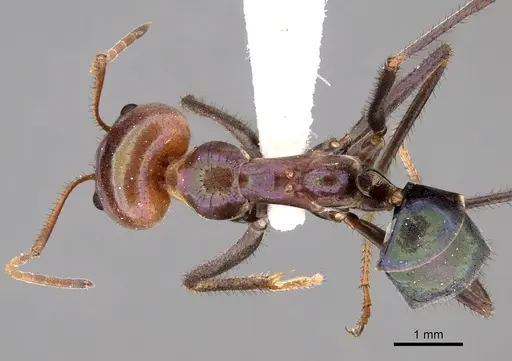
CASENT0905043
View on AntWeb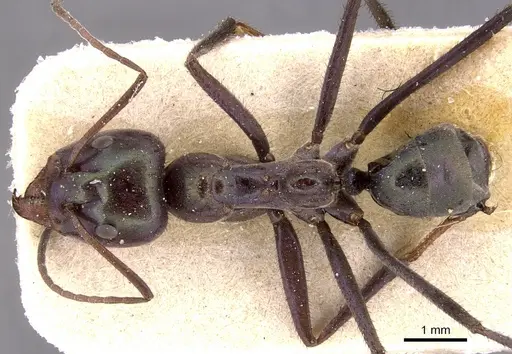
CASENT0905836
View on AntWeb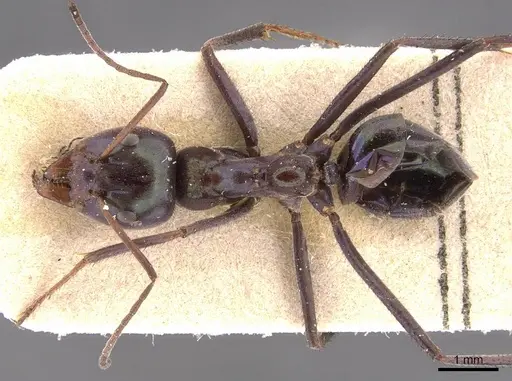
CASENT0911557
View on AntWeb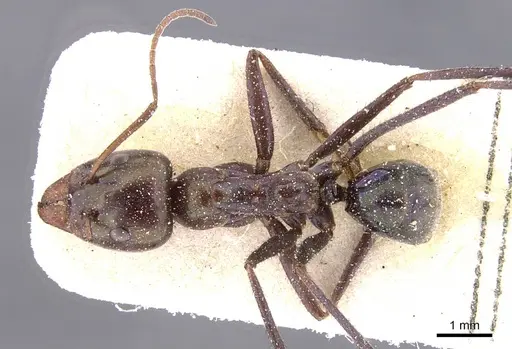
CASENT0917105
View on AntWeb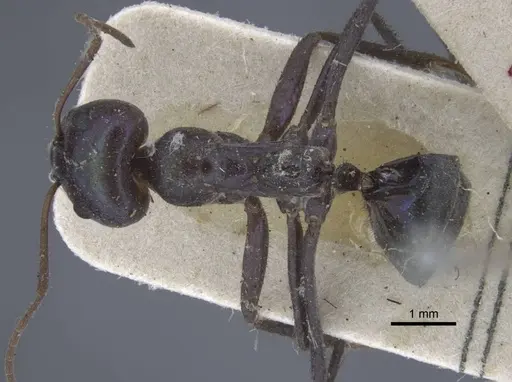
FOCOL0157
View on AntWeb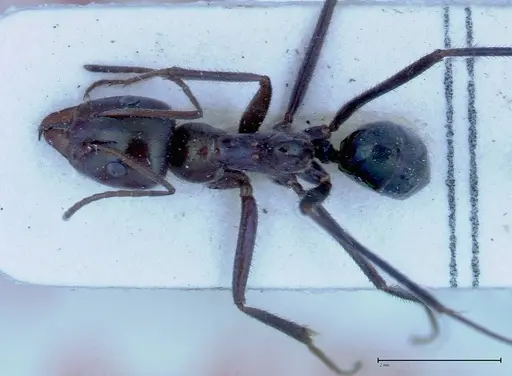
FOCOL0158
View on AntWeb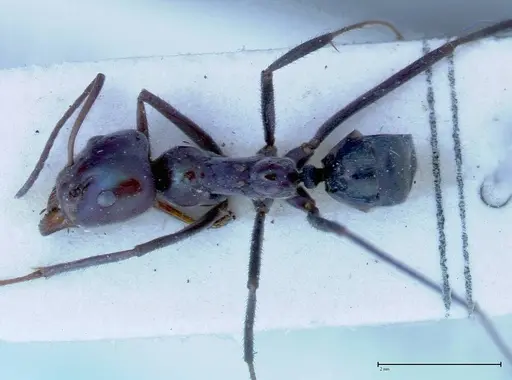
FOCOL0166
View on AntWeb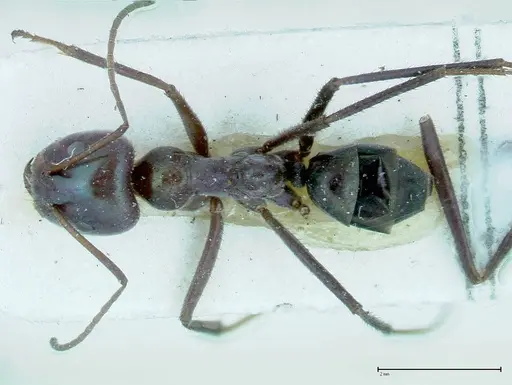
FOCOL2825
View on AntWeb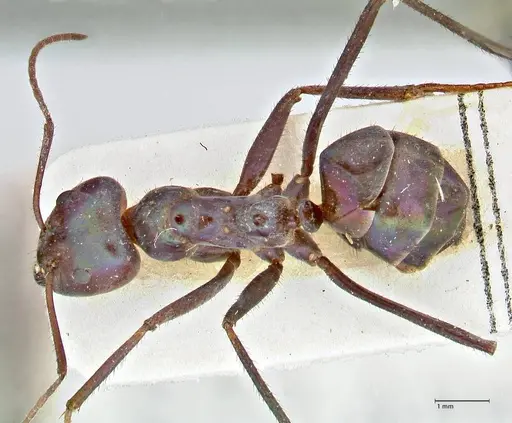
Literature
Loading distribution map...Loading products...