
Iridomyrmex obscurior
- Sci. Name
- Iridomyrmex obscurior
- Tribe
- Leptomyrmecini
- Subfamily
- Dolichoderinae
- Author
- Forel, 1902
- Distribution
- Found in 1 countries
Introduction
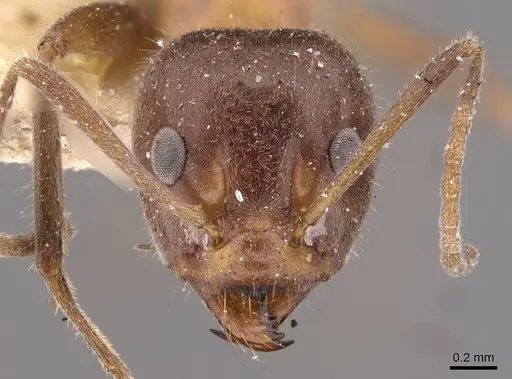
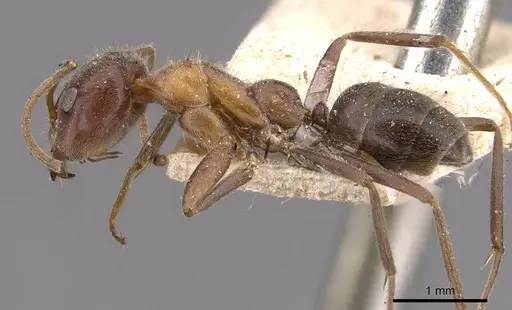
Iridomyrmex obscurior is an Australian ant species in the Dolichoderinae subfamily. Workers are medium-sized ants with a color ranging from medium to dark reddish-brown, and the gaster is often darker than the front parts. They lack the strong pale blue or purple iridescence seen in Iridomyrmex mayri and have shorter antennae . This species shares similar habitat preferences with Iridomyrmex mayri and attends caterpillars of Jalmenus evagoras . The range covers eastern Australia, not extending much north of Brisbane, with the type locality at Ballarat, Victoria .
Quick Summary
- Difficulty: Medium
- Origin & Habitat: Eastern Australia, including Victoria and southern New South Wales, in temperate woodland and forest habitats [1][2].
- Colony Type: Colony structure is unconfirmed in scientific literature. No specific data on queen number or social structure.
- Size & Growth:
- Queen: Size data unavailable, no total length measurements provided in research.
- Worker: Size data unavailable, no total length measurements provided in research.
- Colony: Unknown, no specific colony size data available.
- Growth: Moderate, inferred from genus patterns.
- Development: Estimated 6-10 weeks based on related Iridomyrmex species, but unconfirmed for this species. (Development time may vary with temperature, specific timeline is unconfirmed.)
- Antkeeping:
- Temperature: Keep at room temperature, roughly 22-26°C, based on genus patterns for Australian Iridomyrmex.
- Humidity: Keep nest substrate lightly moist but not waterlogged, provide a water source in the outworld.
- Diapause: Likely requires winter diapause given temperate distribution, reduce temperature to 10-15°C for 2-3 months during winter.
- Nesting: Y-tong (AAC) or plaster nests work well, connect to an outworld for foraging.
- Behavior: Workers are active foragers with typical dolichoderine behavior, not particularly aggressive but will defend their colony. They attend honeydew-producing insects in nature, indicating they accept sugar sources. Escape risk is moderate due to medium size, use standard barrier methods. Defense mechanism: lacks a functional sting and secretes defensive chemicals from the abdomen tip.
- Common Issues: colonies may fail if kept too cold, maintain warm temperatures during active season., sugar sources are important, these ants attend honeydew producers and accept sweet liquids., winter dormancy is likely needed, improper diapause can weaken colonies., wild-caught colonies may have parasites or diseases that cause problems in captivity., medium size means standard escape prevention is adequate but barriers should not be neglected.
Housing and Nest Setup
You can use Y-tong (acrylic alloy) nests for Iridomyrmex obscurior, as they provide appropriate chamber sizes. Plaster nests are also suitable. Connect the nest to an outworld for foraging. Use standard escape prevention, Fluon on test tube rims and fine mesh on ventilation openings. Always provide a water test tube with a cotton wick in the outworld.
Feeding and Diet
You should offer sugar sources like honey water or sugar water constantly, as this species attends honeydew-producing caterpillars in the wild [1]. Provide protein from small insects like fruit flies or mealworms 2-3 times per week. Remove uneaten prey after 24-48 hours to prevent mold.
Temperature and Seasonal Care
Keep temperatures around 22-26°C during active seasons. A temperature gradient is beneficial. During winter, reduce temperatures to 10-15°C for 2-3 months to simulate diapause. Do not feed heavily during dormancy.
Behavior and Colony Dynamics
Workers are active foragers and not aggressive toward humans. They defend their colony using smear defense, secreting chemicals from the abdomen tip. Colonies grow progressively with new workers emerging regularly. Queens are likely claustral founders, but this is unconfirmed.
Growth and Development
Specific development timelines are unconfirmed. Based on genus patterns, expect 6-10 weeks from egg to first worker at optimal temperatures. The first workers will be smaller but begin foraging shortly after eclosion. Colony growth is moderate with proper care.
Frequently Asked Questions
How long does it take for Iridomyrmex obscurior to produce first workers?
Specific timelines are unconfirmed, but based on related species, expect 6-10 weeks from egg to first worker at optimal temperatures.
What do Iridomyrmex obscurior ants eat?
They accept sugar sources like honey water and need protein from small insects. In the wild, they attend honeydew-producing caterpillars [1].
What temperature do Iridomyrmex obscurior ants need?
Keep them at room temperature, roughly 22-26°C, with a slight gradient.
Do Iridomyrmex obscurior ants need hibernation?
Yes, given their temperate distribution, a winter rest period is recommended. Reduce temperatures to 10-15°C for 2-3 months.
Are Iridomyrmex obscurior ants good for beginners?
They are considered medium difficulty due to active foraging and food requirements, but are manageable with proper care.
How big do Iridomyrmex obscurior colonies get?
Colony size is unknown, no specific data available.
Can I keep multiple Iridomyrmex obscurior queens together?
This is not recommended, as colony structure is unconfirmed and combining queens could lead to fighting.
When should I move Iridomyrmex obscurior to a formicarium?
Wait until the colony has outgrown the test tube setup, typically after several months. Ensure the formicarium has appropriately sized chambers.
Why is my Iridomyrmex obscurior colony declining?
Common causes include temperatures too low, insufficient sugar in diet, poor humidity control, or improper winter dormancy. Check these parameters first.
Report an Issue
The current care sheet is based fully on literature. See inconsistencies, or something that's incorrect? Please , it will be resolved after review from an admin. Contributing to the blogs tab also helps providing information, to make us be able to further improve the caresheets. Thank you for your support!
References

This caresheet is licensed under CC BY-SA 4.0 .
Community Blogs
CASENT0172046
View on AntWeb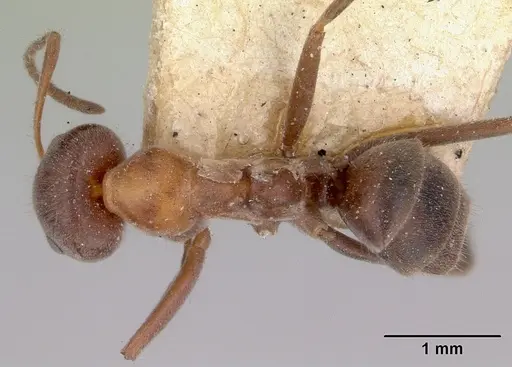
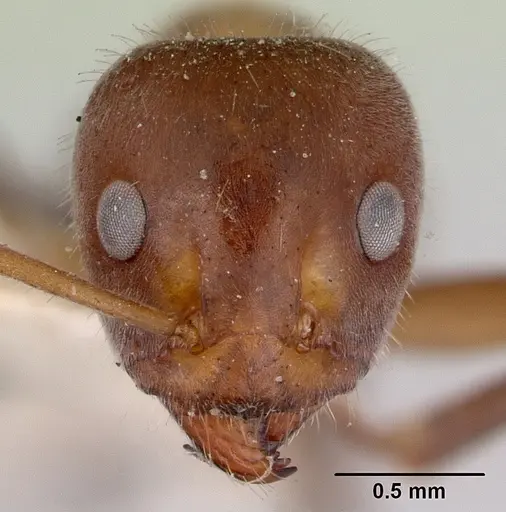
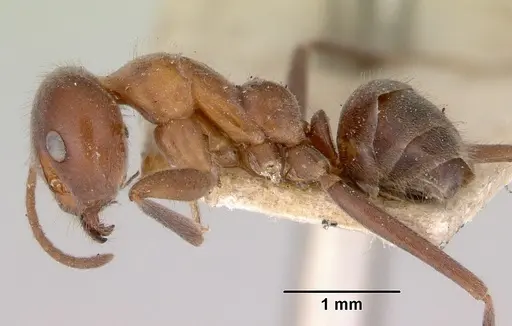
CASENT0909522
View on AntWeb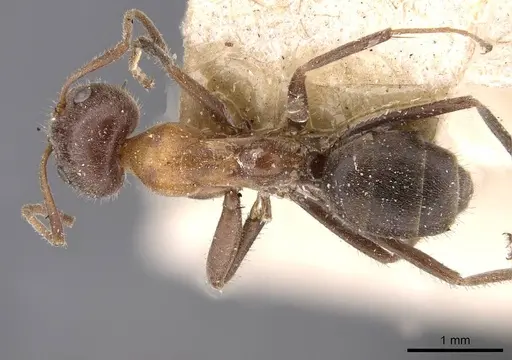
Literature
Loading distribution map...Loading products...