
Iridomyrmex discors
- Sci. Name
- Iridomyrmex discors
- Tribe
- Leptomyrmecini
- Subfamily
- Dolichoderinae
- Author
- Forel, 1902
- Distribution
- Found in 1 countries
Introduction
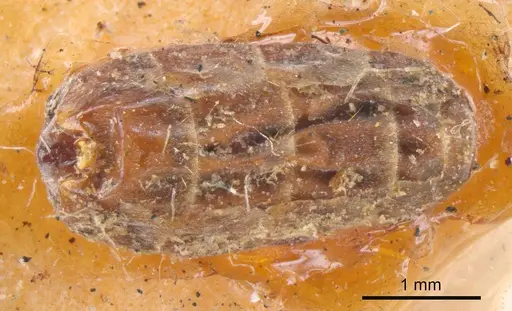
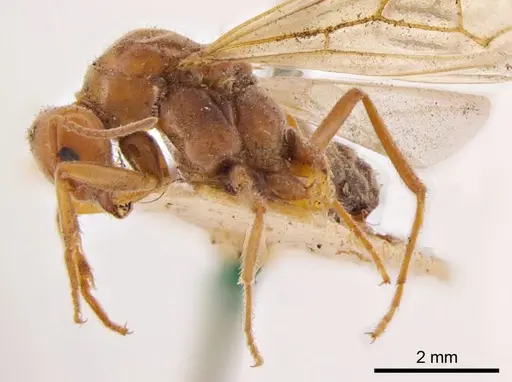
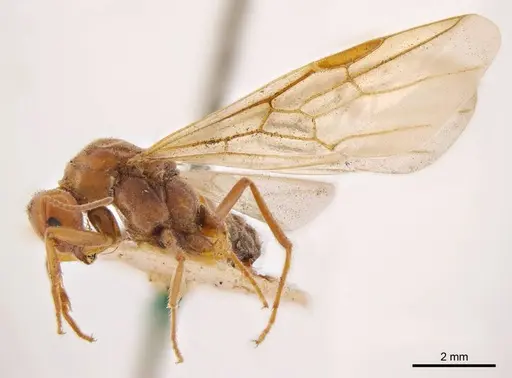
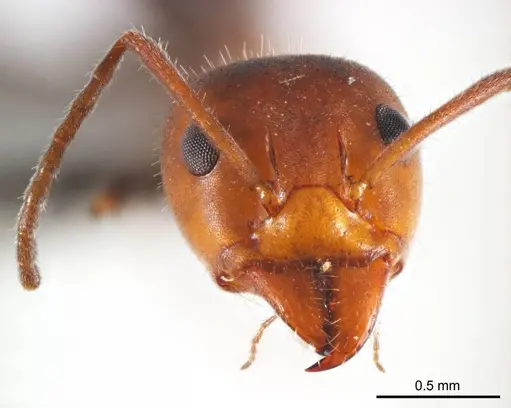
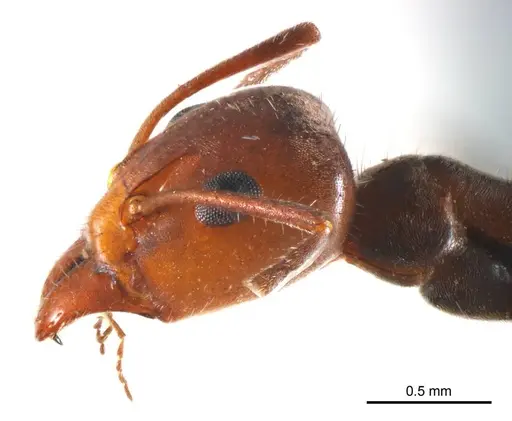
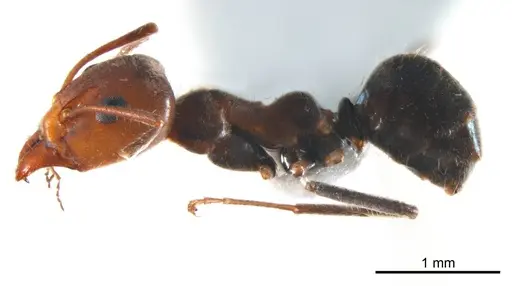
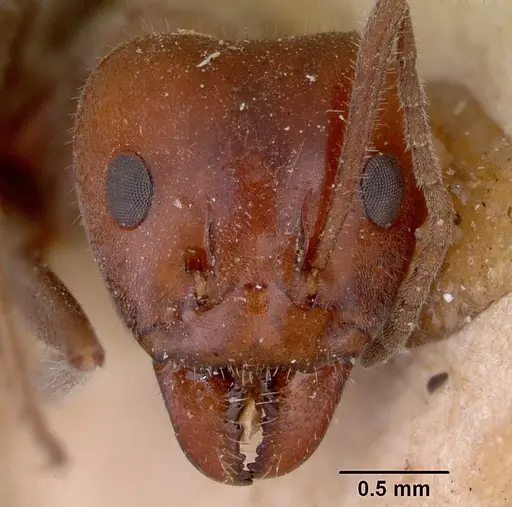
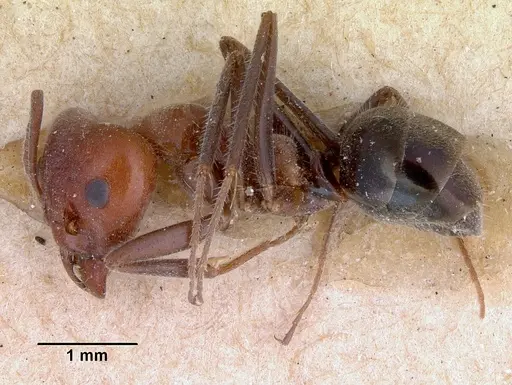
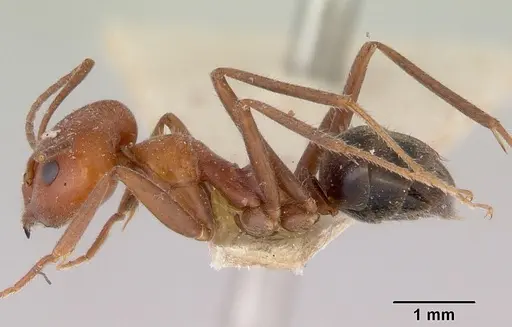
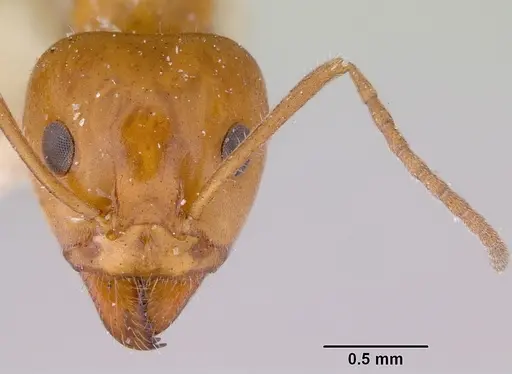
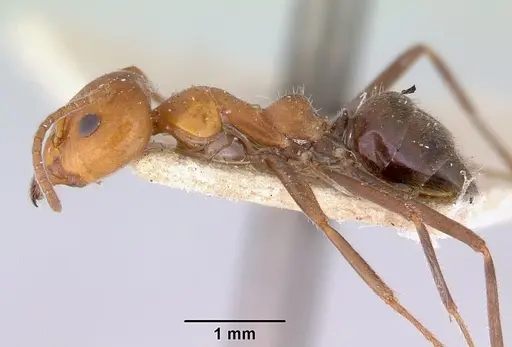
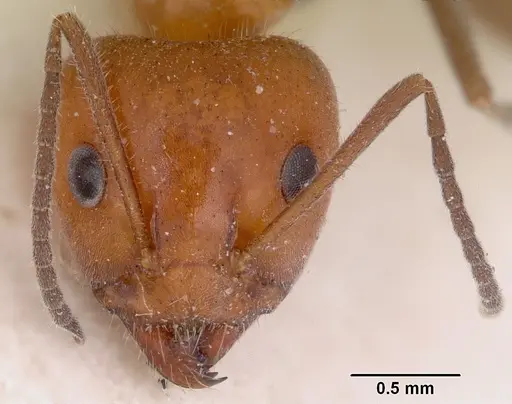
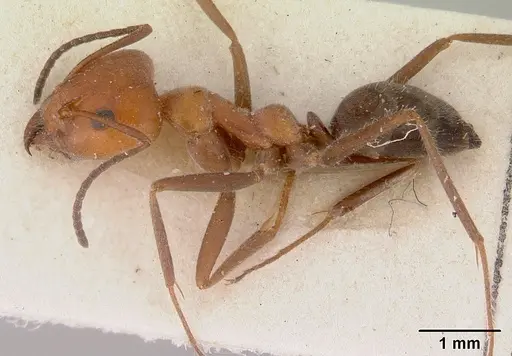
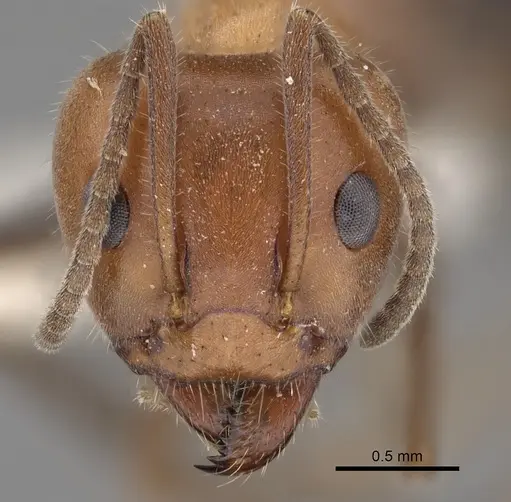
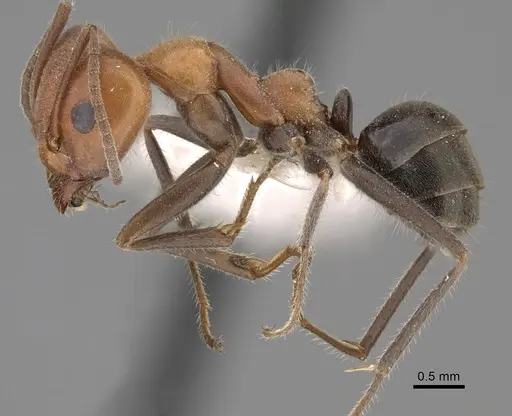
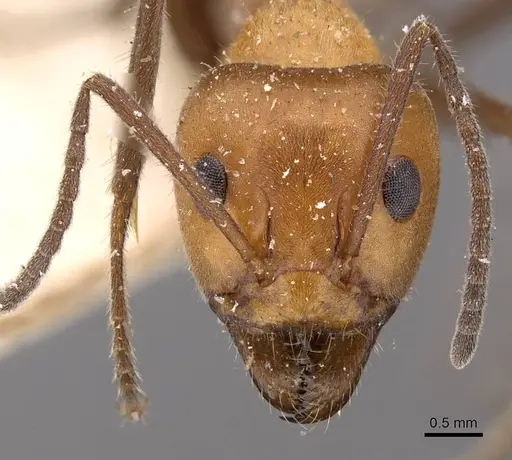
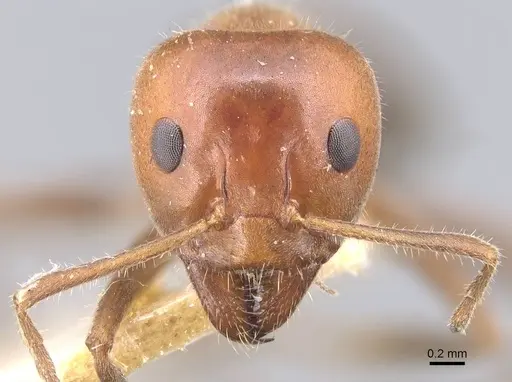
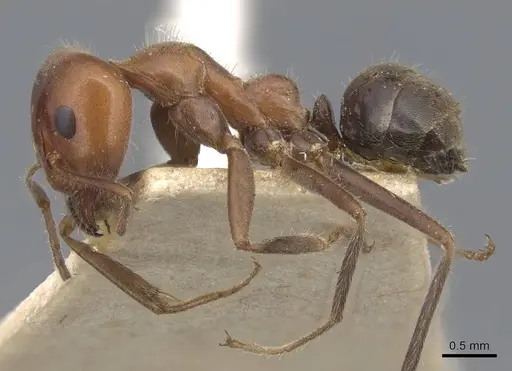
Iridomyrmex discors is a medium-sized Australian ant with an orange to reddish-brown head and thorax, a brown to black abdomen, and pale yellow erect hairs covering its body. Body size is estimated to be around 2-4 mm, inferred from Iridomyrmex genus patterns . It occurs throughout Australia except the far north and north-west, commonly in sandy soils as an early pioneer after disturbance . This species is pugnacious and will bite readily if threatened .
Quick Summary
- Difficulty: Easy
- Origin & Habitat: Native to Australia, found throughout the continent except far north and north-west. This species thrives in loose, sandy soils and is an early pioneer after soil disturbance, commonly appearing in rehabilitated mining sites, street verges, and between pavers in urban areas [2][1].
- Colony Type: Colony structure is unconfirmed, no specific data on queen number from research.
- Size & Growth:
- Queen: Size data unavailable
- Worker: Size data unavailable
- Colony: Unknown
- Growth: Moderate, inferred from genus patterns
- Development: Estimated 6-8 weeks based on typical ant development, but no species-specific data (Development time may vary with temperature.)
- Antkeeping:
- Temperature: Keep at 22-26°C. As an Australian species from temperate regions, they prefer warm conditions [2][1].
- Humidity: Keep nest substrate moderately dry with occasional misting. This species inhabits sandy, well-drained soils [2][1].
- Diapause: Full hibernation not typically required. Based on geographic range, a mild winter slowdown may occur.
- Nesting: Y-tong or plaster nests work well. Provide dry, well-drained conditions [2].
- Behavior: Workers are pugnacious and bite readily [1]. They are generalist predators and scavengers [2][1]. Escape prevention should be moderate due to their size.
- Common Issues: wild-caught queens may have low establishment success due to unconfirmed founding behavior., overly damp substrate can cause brood death, keep conditions dry [2]., aggressive workers require caution during nest maintenance [1]., import restrictions may apply for Australian species, check local laws.
Housing and Nest Setup
Iridomyrmex discors does well in Y-tong or plaster nests. In the wild, this species nests in loose, sandy soils and is frequently found under pavers and along street verges [2][1]. For captivity, provide a dry to moderately humid nest environment with well-drained conditions. A naturalistic terrarium with sandy substrate also works well. Because they are aggressive defenders, ensure secure escape prevention [1]. Keep the outworld simple with easy access to food and water.
Feeding and Diet
Iridomyrmex discors is a generalist predator and scavenger [2][1]. In the wild, they hunt insects and scavenge protein sources. As observed by Brian Heterick, workers readily accept dead grasshoppers, tearing them apart before carrying remains to the nest [3]. For captive colonies, offer protein sources like small insects 2-3 times per week, and sugar water or honey as energy. Remove uneaten prey after 24 hours.
Temperature and Seasonal Care
Maintain temperatures between 22-26°C for optimal activity [2][1]. A heating cable on one side of the nest creates a gradient. During cooler months, colonies may reduce activity, if so, provide a mild rest period at 15-18°C. Full hibernation is not typically required.
Behavior and Temperament
Workers are pugnacious and bite readily if the nest is threatened [1]. They are active foragers and may have multiple entrance holes in mature colonies [3]. Use moderate escape prevention and handle nest maintenance carefully due to their aggression.
Colony Establishment
Founding behavior is unconfirmed for Iridomyrmex discors. Based on typical ant patterns, queens may seal themselves in a chamber, but this requires confirmation. Expect a founding period of 4-8 weeks before first workers emerge. Keep queens undisturbed in a dark, quiet location during this time.
Frequently Asked Questions
How long does it take for Iridomyrmex discors to produce first workers?
Based on typical ant development, expect first workers approximately 6-8 weeks after queen lays eggs, assuming optimal temperatures around 24-26°C.
What do Iridomyrmex discors eat?
They are generalist predators and scavengers. Feed small insects like fruit flies or mealworms 2-3 times per week, and sugar water or honey [2][1].
Are Iridomyrmex discors good for beginners?
This species is rated Easy difficulty. They are hardy and adaptable, but their pugnacious temperament requires caution during nest maintenance [1].
Can I keep multiple queens together?
Colony structure is unconfirmed, no data on multiple queens. Combining unrelated queens is not recommended as there is no evidence this species accepts multiple foundresses.
What temperature do Iridomyrmex discors need?
Keep them at 22-26°C. As an Australian species, they prefer warm conditions [2][1].
Do Iridomyrmex discors need hibernation?
Full hibernation is not typically required. Based on geographic range, a mild winter slowdown may occur.
How big do Iridomyrmex discors colonies get?
Colony size is unknown from research. Based on related species, colonies may reach several hundred workers over time, but no specific data exists.
What type of nest is best for Iridomyrmex discors?
Y-tong or plaster nests work well. Provide dry, well-drained conditions similar to their natural sandy habitats [2].
Why are my Iridomyrmex discors dying?
Common causes include overly damp substrate (keep dry [2]), temperatures outside 22-26°C range, insufficient protein, or stress from excessive disturbance.
Report an Issue
The current care sheet is based fully on literature. See inconsistencies, or something that's incorrect? Please , it will be resolved after review from an admin. Contributing to the blogs tab also helps providing information, to make us be able to further improve the caresheets. Thank you for your support!
References

This caresheet is licensed under CC BY-SA 4.0 .
Community Blogs
ANTWEB1008191
View on AntWeb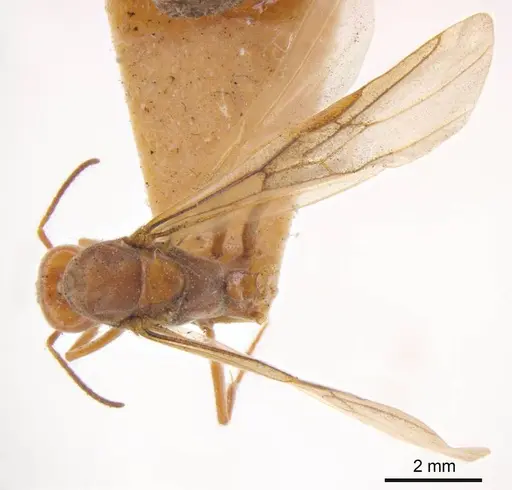
ANTWEB1008643
View on AntWeb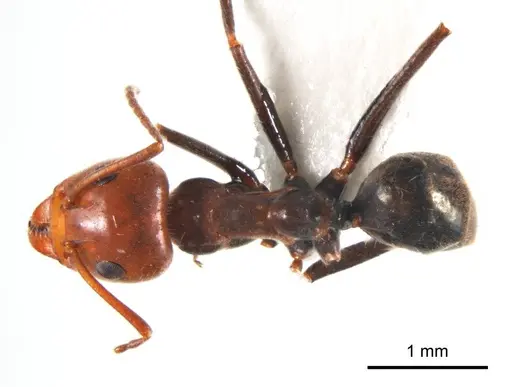
CASENT0172047
View on AntWeb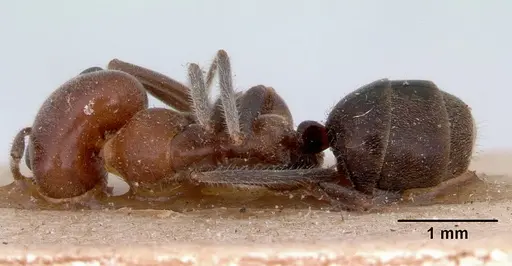
CASENT0172053
View on AntWeb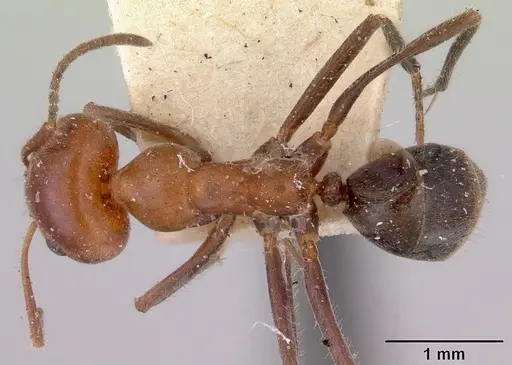
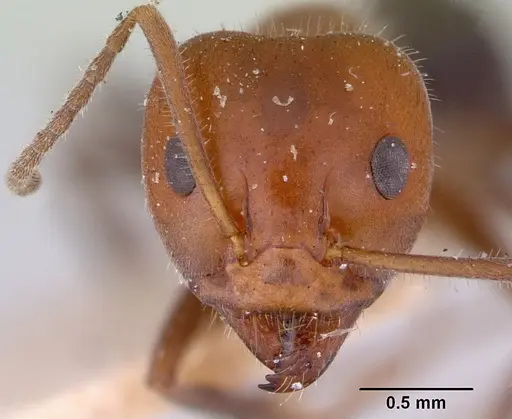
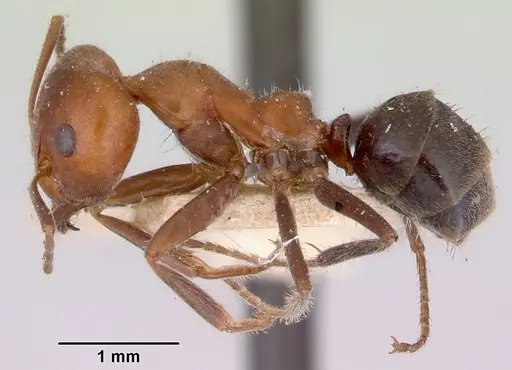
CASENT0172054
View on AntWeb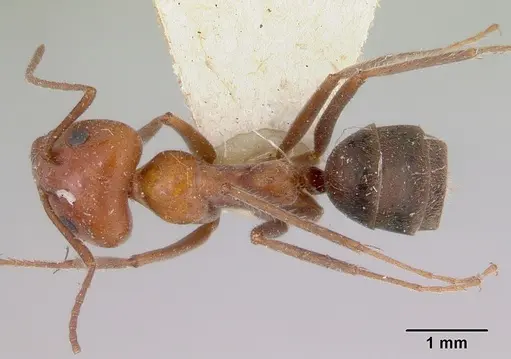
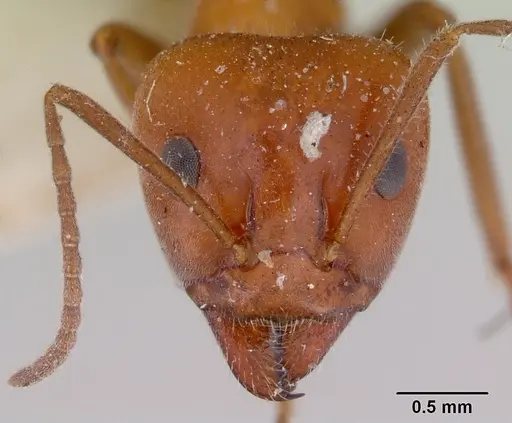
CASENT0172055
View on AntWeb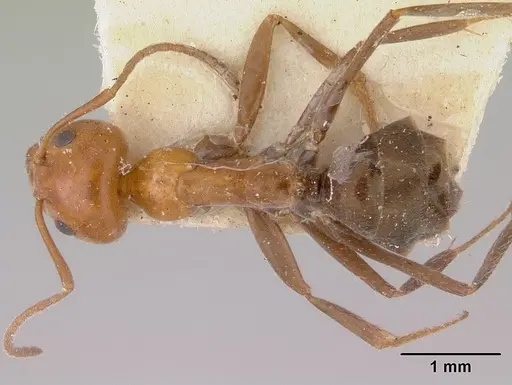
CASENT0172056
View on AntWeb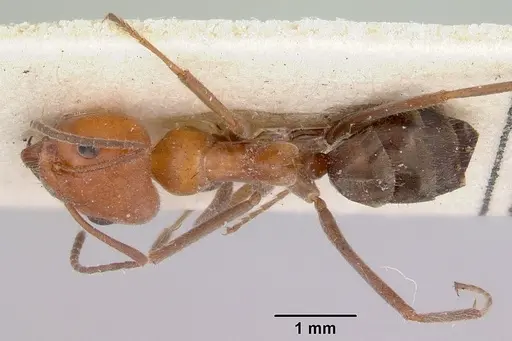
CASENT0249729
View on AntWeb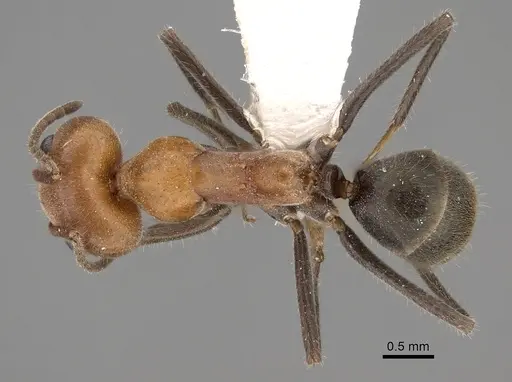
CASENT0909523
View on AntWeb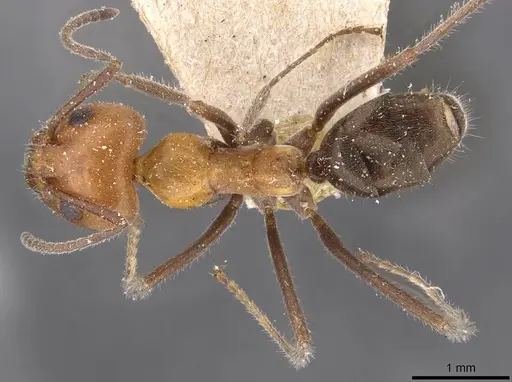
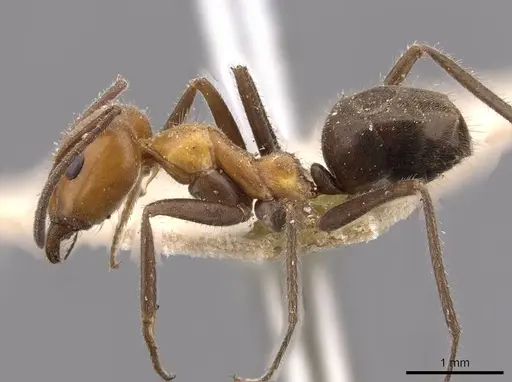
CASENT0909524
View on AntWeb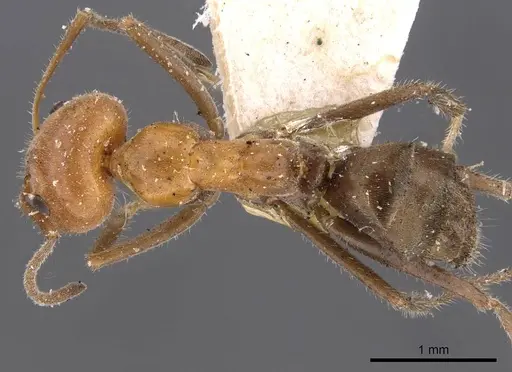
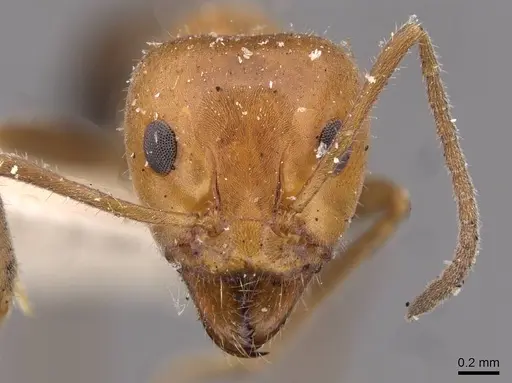
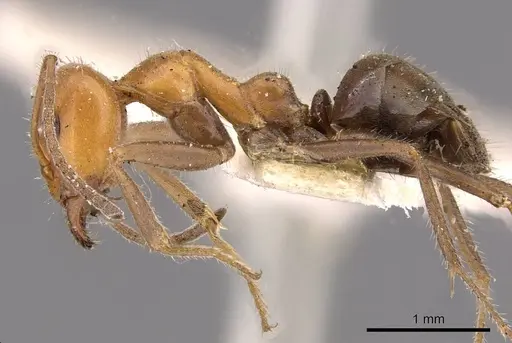
CASENT0915580
View on AntWeb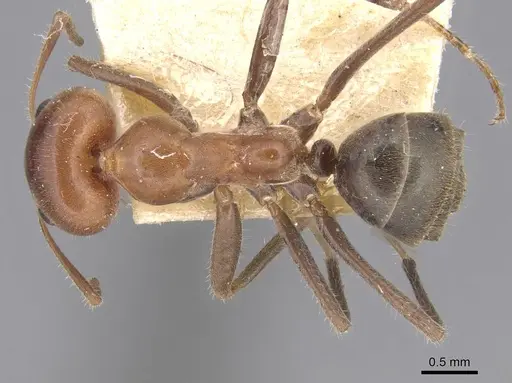
Literature
Loading distribution map...Loading products...