
Hypoponera aliena
- Sci. Name
- Hypoponera aliena
- Tribe
- Ponerini
- Subfamily
- Ponerinae
- Author
- Smith, 1858
- Distribution
- Found in 2 countries
Introduction
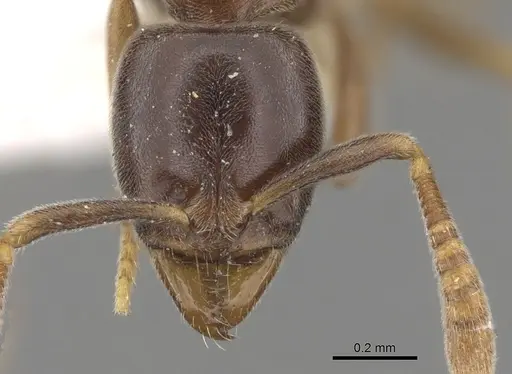
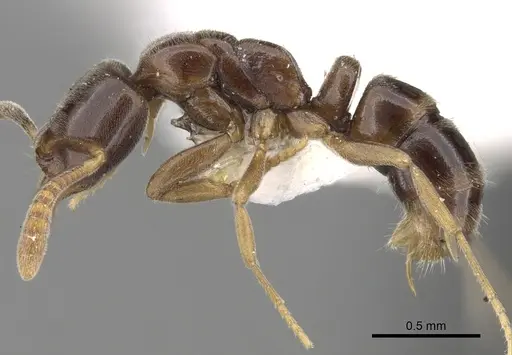
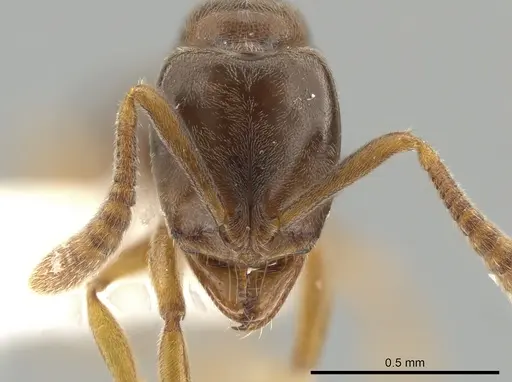
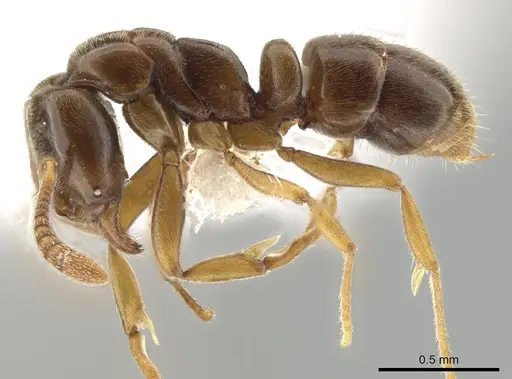
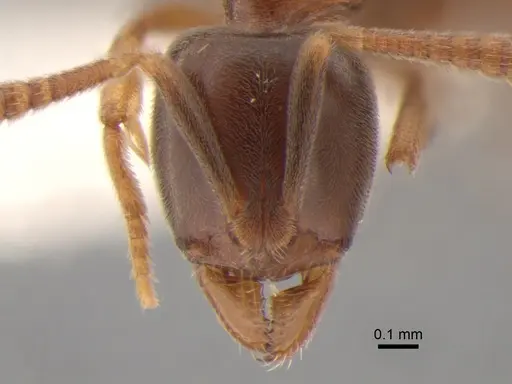
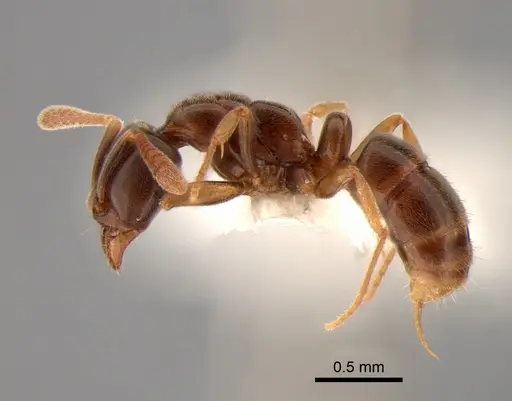
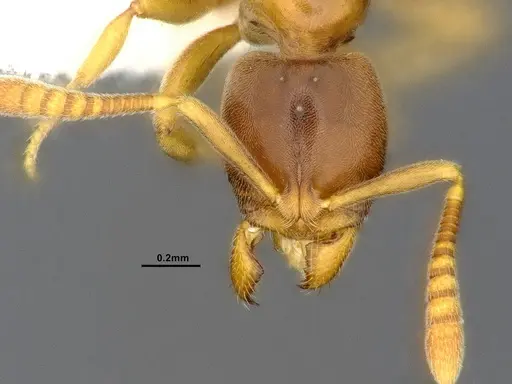
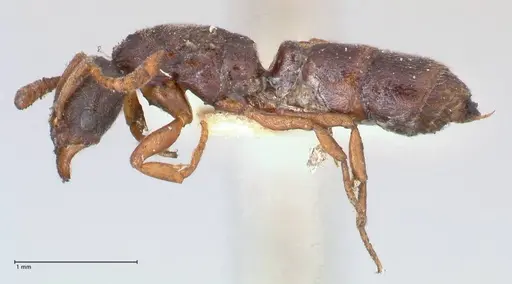
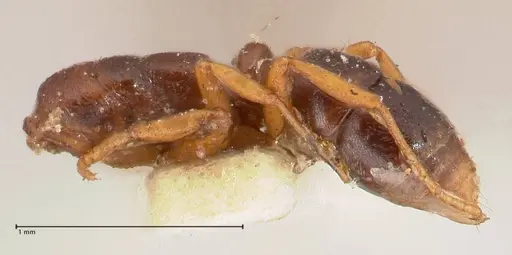
Hypoponera aliena is a tiny predatory ant native to the Neotropical region, found across Brazil, Costa Rica, Panama, Colombia (Meta and Putumayo), and Peru. Workers are very small, measuring approximately 0.72-1.0mm in Weber length (mesosoma length), with a distinctive yellowish coloration. They have a heart-shaped head caused by the rounded posterior lateral area being wider than the anterior region. Their scapes are relatively elongated, reaching or slightly surpassing the posterior margin of the head. The petiole is nodiform and rectangular with parallel faces. This species is similar to H. clavatula and H. parva, which are also yellowish ants with differentiated antennae clubs. As a Ponerinae ant, they are predatory hunters with a functional stinger.
Quick Summary
- Difficulty: Medium
- Origin & Habitat: Neotropical region, Brazil, Costa Rica, Panama, Colombia (Meta and Putumayo), and Peru. They inhabit tropical forest floor environments, typically nesting in rotting wood or under stones in humid, shaded areas [1][2][3].
- Colony Type: Colony structure is unconfirmed for this species. No specific data on queen number or colony social structure exists in the research literature.
- Size & Growth:
- Queen: Size data unavailable, no measurements exist for queens of this species
- Worker: Approximately 0.72-1.0mm in Weber length (mesosoma). Historical measurement suggests total length around 2-3mm [1][4]
- Colony: Unknown, no documented colony sizes exist in available literature
- Growth: Unknown
- Development: Unconfirmed, no species-specific development data exists (Development has not been studied for this species.)
- Antkeeping:
- Temperature: Aim for 24-28°C, these are tropical ants requiring warm conditions. A heating cable on one side of the nest creates a suitable gradient.
- Humidity: Keep substrate consistently moist but not waterlogged. These forest-floor ants need humid conditions, think damp leaf litter, not saturated soil. Provide a gradient with slightly drier areas for the ants to self-regulate.
- Diapause: Unlikely, as a tropical species, they probably do not require a true diapause. However, they may reduce activity during cooler periods.
- Nesting: In nature they nest in rotting wood or under stones in humid forest floor habitats. In captivity, a Y-tong (AAC) nest or plaster nest with moisture retention works well. Keep the nest dark and humid with minimal disturbance during founding.
- Behavior: Ponerinae ants are predatory by nature and possess a functional stinger. Workers are small but may sting if threatened. They are likely nocturnal or crepuscular foragers, hunting small invertebrates on the forest floor. Their very small size means escape prevention must be excellent, they can squeeze through tiny gaps.
- Common Issues: escape prevention is critical due to their very small size, use fine mesh barriers and tight-fitting lids, predatory diet means they require live prey, failure to provide suitable food leads to colony decline, high humidity requirements can lead to mold issues if ventilation is inadequate, slow colony growth may cause keepers to overfeed, leading to mold and mite problems, wild-caught colonies may have parasites that can decimate the colony in captivity
Housing and Nest Setup
Hypoponera aliena requires a humid, dark environment that mimics their natural forest floor habitat. A Y-tong (AAC) nest or plaster nest works well for these tiny ants, as both retain moisture effectively. The nest chambers should be appropriately scaled to their very small size, narrow passages and small chambers help them feel secure. Keep the nest area dark and minimize disturbances, especially during the founding stage. Connect the nest to an outworld using tubing that is appropriately sized for their tiny workers. The outworld can be simple with a small foraging area. Use excellent escape prevention, these ants are extremely small and can squeeze through gaps that would hold back larger species. Fine mesh on all ventilation holes and tight-fitting lids on any containers are essential. [1]
Feeding and Diet
As a Ponerinae ant, Hypoponera aliena is predatory and requires live small invertebrates as their primary food source. In captivity, offer small live prey such as springtails, fruit flies, small isopods, and other micro-arthropods. They are unlikely to accept sugar water or honeydew as a primary food source, though they may occasionally investigate sugary substances. Feed small prey items every 2-3 days, adjusting based on colony size and consumption. Remove any uneaten prey after 24-48 hours to prevent mold. A well-fed colony will have workers that appear more active and alert. The small size of workers means prey items should be appropriately sized, anything larger than their head is likely ignored.
Temperature and Humidity
These tropical ants require warm temperatures to thrive. Maintain the nest area at 24-28°C, with a slight gradient allowing workers to self-regulate their temperature preference. A heating cable placed on top of the nest (never underneath where it can dry out the substrate) can help maintain stable temperatures. For humidity, aim for consistently moist substrate, the nest material should feel damp to the touch but not be dripping wet. These forest-floor ants are adapted to humid conditions, but stagnant air can lead to mold problems. Ensure adequate ventilation while maintaining humidity. A water reservoir connected to the nest can help maintain moisture levels over time. [1][2]
Behavior and Temperament
Hypoponera aliena workers are small but possess a functional stinger. When threatened, they may sting, though the sting is mild due to their tiny size. They are likely nocturnal or crepuscular foragers in the wild, hunting small invertebrates on the forest floor. Colonies are probably relatively peaceful and not particularly aggressive toward intruders, but will defend their nest if provoked. Workers are active and will readily hunt live prey in the outworld. Their small size makes them excellent escape artists, always use fine mesh barriers and check for any gaps in your setup. Observe your colony's activity patterns to understand their preferred foraging times.
Frequently Asked Questions
How long does it take for Hypoponera aliena to produce first workers?
The exact development timeline has not been studied for this species. Based on typical Ponerinae development patterns, expect approximately 6-10 weeks from egg to first worker at optimal temperature (24-28°C). The queen will remain sealed in her chamber during founding, living off her stored fat reserves until the first workers emerge.
What do Hypoponera aliena ants eat?
They are predatory ants that require live small invertebrates. Offer springtails, fruit flies, small isopods, and other micro-arthropods. They are unlikely to rely on sugar sources. Feed appropriately sized prey every 2-3 days and remove uneaten items promptly.
Are Hypoponera aliena good for beginners?
They are considered medium difficulty. Their small size and specific humidity requirements can be challenging for complete beginners. They require live prey and excellent escape prevention. If you have experience with other small predatory ants like Strumigenys or basic Ponerinae, this species can be a rewarding challenge.
What temperature do Hypoponera aliena need?
Keep them at 24-28°C. These are tropical ants requiring warm conditions. A heating cable on top of the nest can help maintain stable temperatures, but ensure humidity is maintained as well.
How big do Hypoponera aliena colonies get?
Colony size is not well documented for this species. Based on their tiny worker size and typical Ponerinae patterns, colonies likely reach several dozen to a few hundred workers. They are not among the large colony species.
Can I keep multiple queens together?
This has not been documented for this species. Based on typical Hypoponera patterns, single-queen colonies are most likely. Do not attempt to combine unrelated foundress queens as this may result in fighting.
Do Hypoponera aliena need hibernation?
No, they are tropical ants and do not require a true diapause. They may reduce activity during cooler periods, but a full hibernation is not necessary or recommended.
Why are my Hypoponera aliena dying?
Common causes include: escape through tiny gaps (check all barriers), insufficient live prey (they need hunting opportunities), improper humidity (too dry or too wet leading to mold), temperature extremes outside their 24-28°C range, or stress from excessive disturbance. Wild-caught colonies may also carry parasites.
When should I move Hypoponera aliena to a formicarium?
Keep them in a founding setup (test tube or small container) until the colony reaches at least 20-30 workers. They prefer dark, humid environments, so any formicarium should have moisture-retaining nest material and minimal light exposure. A Y-tong or plaster nest works well.
Report an Issue
The current care sheet is based fully on literature. See inconsistencies, or something that's incorrect? Please , it will be resolved after review from an admin. Contributing to the blogs tab also helps providing information, to make us be able to further improve the caresheets. Thank you for your support!
References

This caresheet is licensed under CC BY-SA 4.0 .
Community Blogs
CASENT0281913
View on AntWeb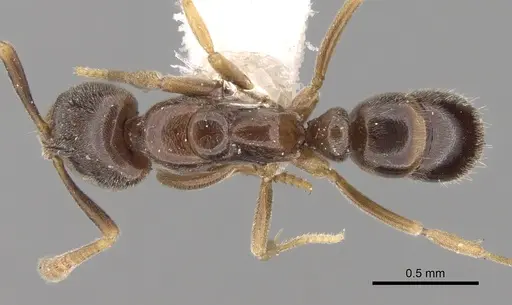
CASENT0650282
View on AntWeb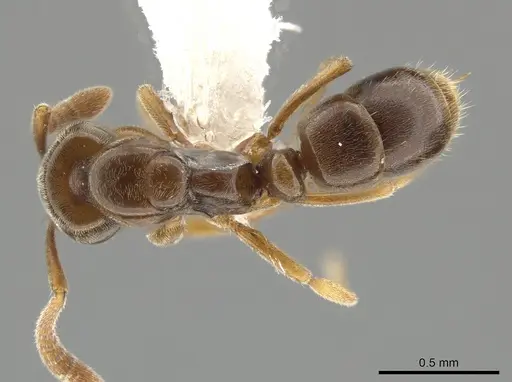
CASENT0886677
View on AntWeb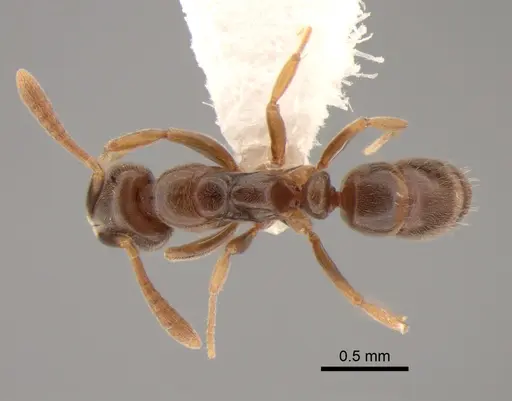
CASENT0923397
View on AntWeb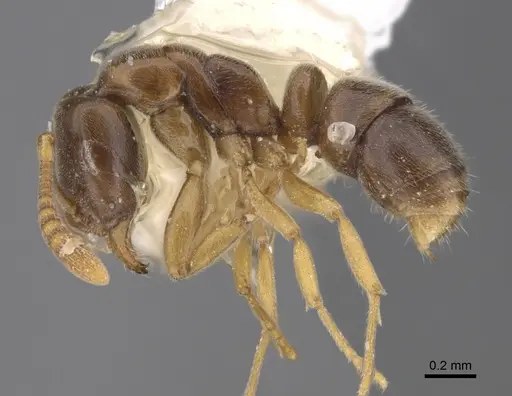
CASENT4032669
View on AntWeb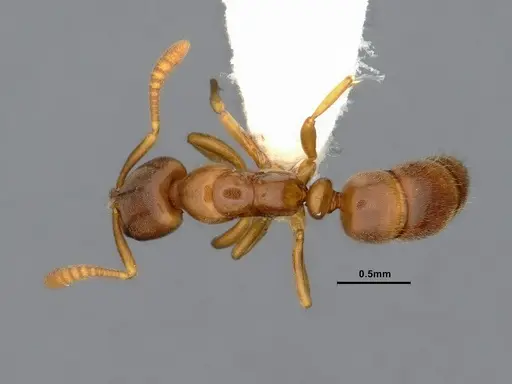
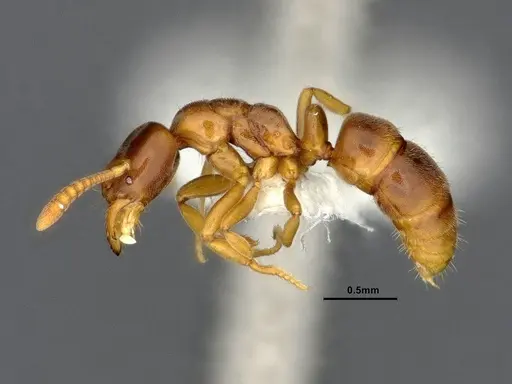
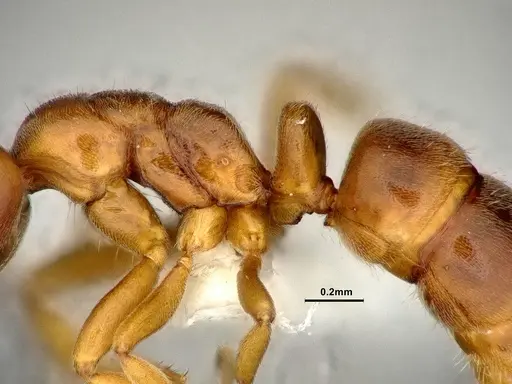
FOCOL0976
View on AntWeb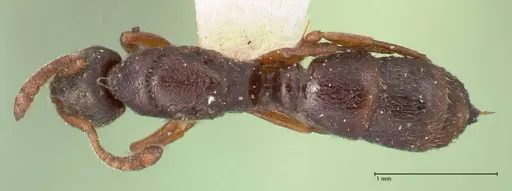
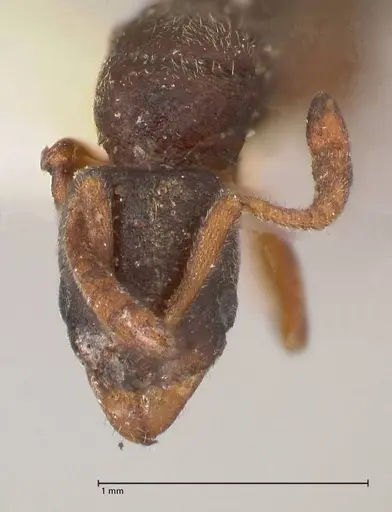
FOCOL0977
View on AntWeb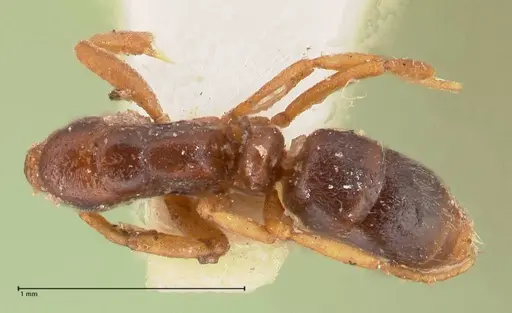
Literature
Loading distribution map...Loading products...