
Fulakora punctulata
- Sci. Name
- Fulakora punctulata
- Tribe
- Amblyoponini
- Subfamily
- Amblyoponinae
- Author
- Clark, 1934
- Distribution
- Found in 1 countries
Introduction
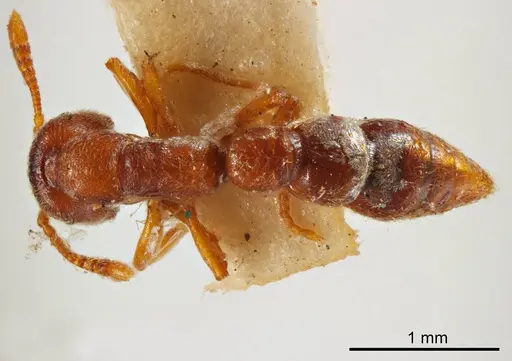
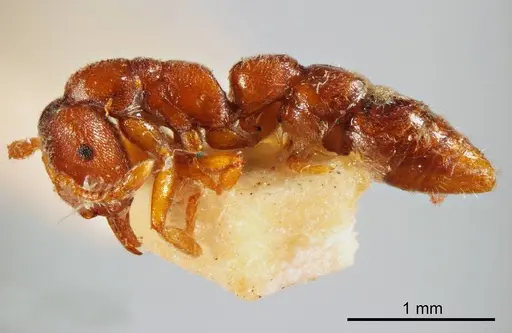
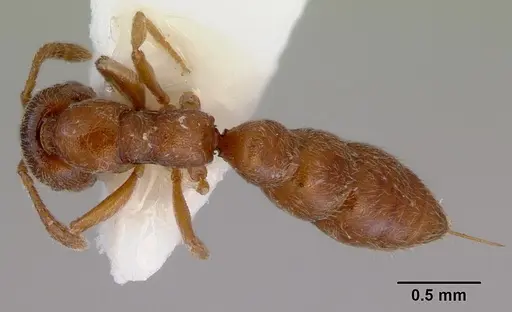
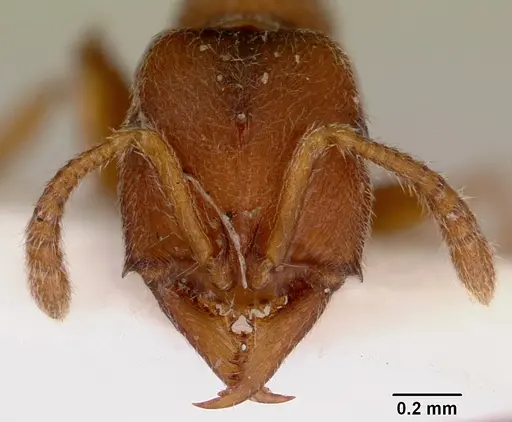
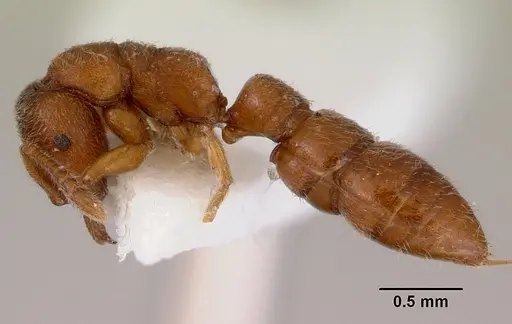
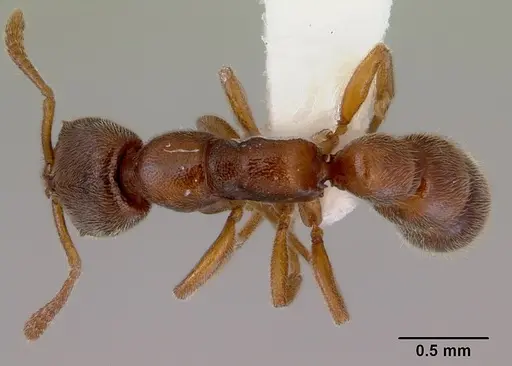
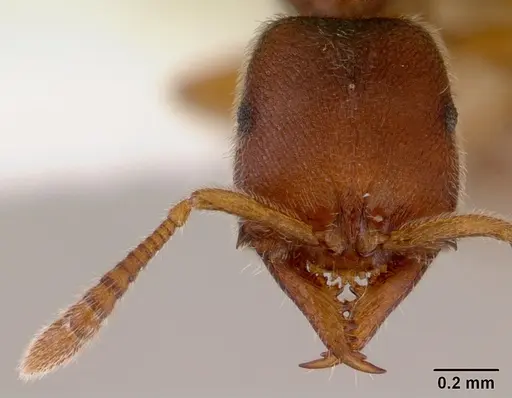
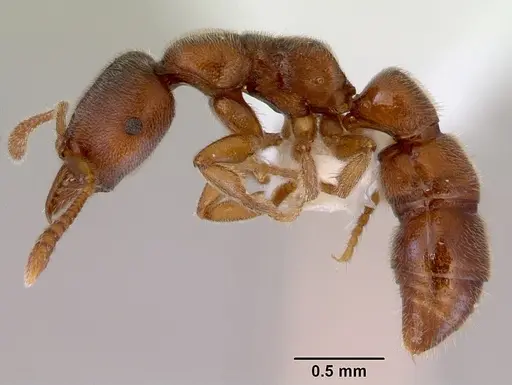
Fulakora punctulata is a small predatory ant native to Tasmania, Australia. It belongs to the Amblyoponinae subfamily, known as dracula ants for their behavior of drinking hemolymph from their own larvae. The species has undergone taxonomic revisions, moving from Amblyopone to Stigmatomma and now Fulakora . Queens are ergatoid (wingless) and similar in size to workers, but specific body size data is unavailable .
Quick Summary
- Difficulty: Medium
- Origin & Habitat: Tasmania, Australia, found in sclerophyll forest communities [3]. These ants live in damp forest floor environments, typically nesting in rotting wood or soil cavities.
- Colony Type: Ergatoid queen system, colonies have wingless queens that can serve as replacement reproductives. The colony structure is unconfirmed for queen number [2].
- Size & Growth:
- Antkeeping:
- Temperature: Keep cool, around 18-22°C, based on temperate Tasmanian climate [3]
- Humidity: Keep nest substrate consistently moist but not waterlogged, based on forest floor habitat [3]
- Diapause: Yes, based on temperate climate, reduce temperature for winter diapause
- Nesting: Prefers damp, dark cavities, inferred from habitat
- Behavior: Primarily nocturnal and predatory, inferred from subfamily patterns [2]. Workers are not aggressive toward humans and have moderate escape risk due to small size.
- Common Issues: high humidity requirements can lead to mold if ventilation is poor, slow colony growth may frustrate beginners, predatory diet requires live prey, which may be challenging to provide, ergatoid queens may have different founding needs than typical queens
Housing and Nest Setup
Use test tube setups with a water reservoir for founding colonies. Keep the setup in a dark location as these ants prefer dim conditions. For larger colonies, choose nests that maintain high humidity, such as plaster nests with moisture channels. The key is keeping the substrate moist without waterlogging [2].
Feeding and Diet
Offer live small invertebrates like fruit flies or pinhead crickets. They may also drink hemolymph from their own larvae, which is normal behavior. Sugar sources are not typically accepted as primary food [2].
Temperature and Seasonal Care
Maintain temperatures around 18-22°C, matching their Tasmanian habitat [3]. During winter, reduce temperature to 10-15°C for diapause, mimicking natural seasonal cycles.
Colony Establishment
Ergatoid queens may need to forage during founding. Keep them in a humid setup with access to small live prey. Be patient, as colony growth is slow [2].
Behavior and Defense
These ants are not aggressive and use their mandibles for hunting rather than defense. They are primarily nocturnal and may flee when threatened [2].
Frequently Asked Questions
How long does it take for Fulakora punctulata to produce first workers?
No specific data is available. Development time is temperature-dependent and likely slower than many ant species.
Do Fulakora punctulata ants sting?
Based on subfamily Amblyoponinae, they have a sting for defense, but they are not known to be aggressive toward humans [2].
What do Fulakora punctulata eat?
They are predatory and need live small invertebrates. They may also drink hemolymph from their own larvae [2].
Can I keep multiple Fulakora punctulata queens together?
The colony structure is unconfirmed, but combining unrelated queens is not recommended due to potential conflict.
Do Fulakora punctulata need hibernation?
Yes, based on their temperate habitat, a winter diapause is beneficial [3].
How big do Fulakora punctulata colonies get?
No specific data is available, colony size is unknown.
What humidity level do Fulakora punctulata need?
High humidity is essential, based on their forest floor habitat [3]. Keep the nest substrate moist but not waterlogged.
Are Fulakora punctulata good for beginners?
They are considered medium difficulty due to humidity needs and predatory diet, making them better for experienced keepers [2].
When should I move Fulakora punctulata to a formicarium?
Wait until the colony has outgrown the test tube setup, no specific worker count is recommended due to lack of data.
Why are my Fulakora punctulata dying?
Common causes include incorrect temperature, humidity, or lack of live prey. Check these parameters first.
Report an Issue
The current care sheet is based fully on literature. See inconsistencies, or something that's incorrect? Please , it will be resolved after review from an admin. Contributing to the blogs tab also helps providing information, to make us be able to further improve the caresheets. Thank you for your support!
References

This caresheet is licensed under CC BY-SA 4.0 .
Community Blogs
Literature
Loading distribution map...Loading products...