
Fulakora agostii
- Sci. Name
- Fulakora agostii
- Tribe
- Amblyoponini
- Subfamily
- Amblyoponinae
- Author
- Lacau & Delabie, 2002
- Distribution
- Found in 1 countries
Introduction
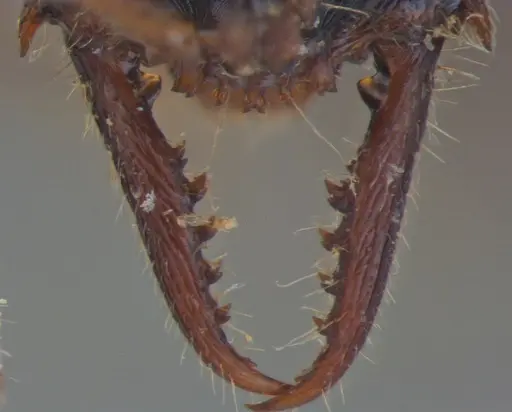
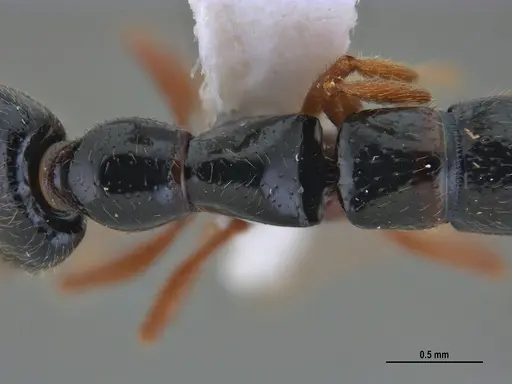
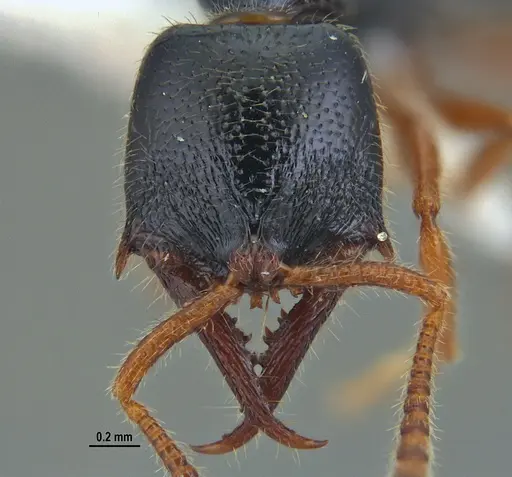
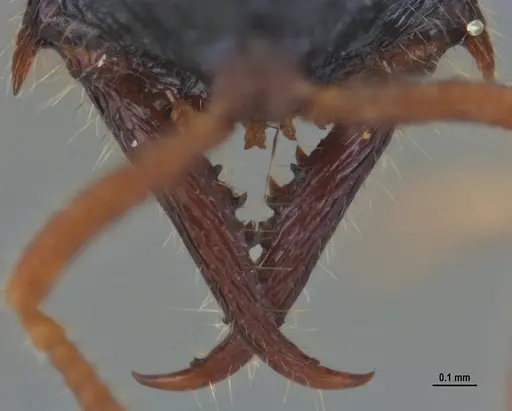
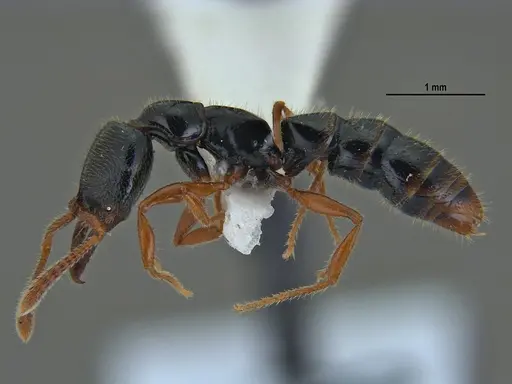
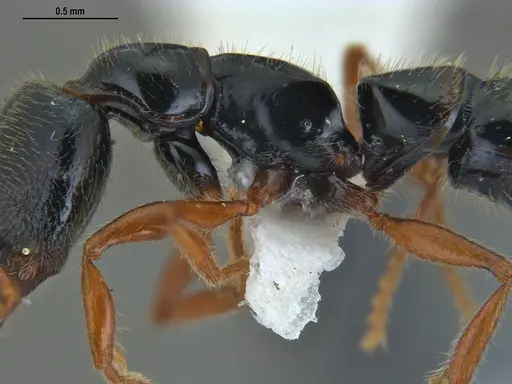
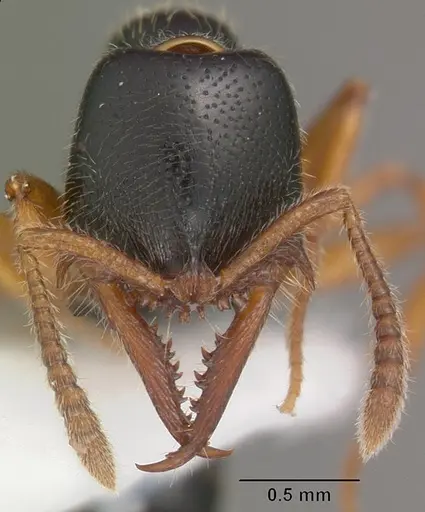
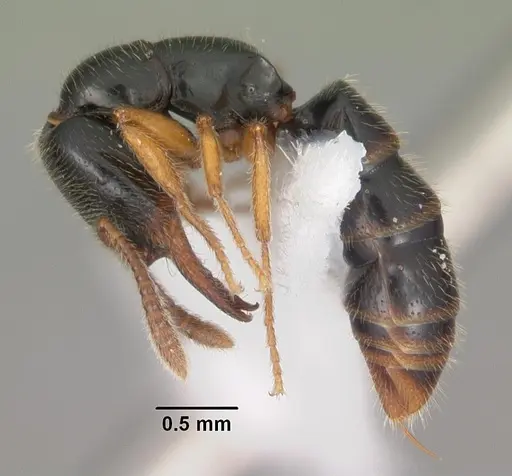
Fulakora agostii is a medium-sized ant belonging to the subfamily Amblyoponinae, commonly known as dracula ants. Workers measure 4.26–5.1 mm in total length, making them relatively large among Amblyoponinae species . They have distinctive genal teeth (tooth-like projections on the cheeks) with one side longer than the width of its base and the other exceeding the greatest diameter of the antennal scape. The head shows longitudinal striations on the anterior third while appearing mostly shiny overall . This species originates from the Neotropical region, originally described from Bahia, Brazil, and now documented across Brazil, Colombia, and Panama . Colombian populations have been found at elevations between 1523–1663 m in Andean coffee farm landscapes, collected using Winkler traps and squid bait .
Quick Summary
- Difficulty: Expert
- Origin & Habitat: Native to the Neotropical region (Brazil, Colombia, Panama). Found in humid forest environments at elevations up to 1663 m in Andean coffee farm landscapes in Colombia [3]. Type locality is Bahia, Brazil (Monte Pascoal) [5][4].
- Colony Type: Colony structure is unconfirmed – no data available on queen number or social organization.
- Size & Growth:
- Queen: Size data unavailable – queens have not been described in available literature.
- Worker: 4.26–5.1 mm total length [1][2]
- Colony: Unknown.
- Growth: Unknown – no documented captive colonies.
- Development: Unknown – no species-specific data. (Development timeline cannot be estimated without primary data.)
- Antkeeping:
- Temperature: No specific temperature requirements are known. Based on their Neotropical habitat and Andean elevation (1523–1663 m), maintain moderate temperatures around 20–25°C and provide a gradient so the ants can choose their preferred zone. Avoid extremes.
- Humidity: Maintain high humidity. Keep the nest substrate consistently moist but not waterlogged. A water source (test tube reservoir or hydration system) is essential.
- Diapause: Probably not required. Native range is tropical/subtropical, no evidence of true hibernation. Reduce feeding slightly during winter if the colony slows down.
- Nesting: Test tubes with a water reservoir work for founding colonies, but no confirmed captive care exists. Dark, humid chambers are likely preferred. Avoid dry formicariums.
- Behavior: Predatory, typical of Amblyoponinae. They likely hunt small arthropods individually and may use their sting (subfamily defense) to subdue prey. Probably not aggressive toward keepers, but may bite if handled. Their small size (under 5 mm) means they can escape through tiny gaps – use secure enclosures with fluon or fine mesh.
- Common Issues: lack of captive care data – most advice is speculative, so unexpected colony failures are likely., humidity fluctuations can kill the colony – maintain consistent high moisture., obligate predatory diet – sugar alone will not sustain them, live prey (small arthropods) is required., mold from overfeeding – remove uneaten prey within 24 hours., wild-caught colonies may carry parasites – quarantine new colonies.
Housing and Nest Setup
Due to the lack of documented captive care, any housing recommendations are speculative. Based on typical Amblyoponinae preferences, test tube setups with a water reservoir and cotton plug are a reasonable starting point for founding colonies. Provide a dark, humid environment. For larger colonies, Y-tong (AAC) or plaster nests with consistent moisture may work. Avoid dry or heated setups. Always ensure the nest is escape-proof – these ants are small (under 5 mm) and can squeeze through gaps.
Feeding and Diet
Fulakora agostii is presumed to be a specialist predator like other Amblyoponinae. Offer small live prey such as fruit flies, springtails, or small cricket nymphs. Sugar water or honey is not a sufficient diet. Feed protein prey 2–3 times per week and remove uneaten food after 24 hours to prevent mold. They may also exhibit the dracula ant behavior of puncturing their own brood to feed on hemolymph, but this has not been confirmed for this species.
Temperature and Seasonal Care
No species-specific temperature data exists. Their collection at 1523–1663 m elevation in Colombia [3] suggests they tolerate moderate temperatures. Keep at 20–25°C with a gradient. Avoid overheating or drying out the nest. Seasonal slowdown is unknown, if the colony stops growing in winter, reduce feeding slightly but maintain humidity. True hibernation is not expected.
Colony Development
There is no documented colony development for Fulakora agostii. All information on colony size, growth rate, and development timeline is speculative and based on related Amblyoponinae species. Expect slow growth and small colony sizes (few dozen workers) if any progress is made. Patience is essential – do not overfeed or disturb the colony frequently.
Behavior and Temperament
Workers are likely solitary foragers, hunting small arthropods on the forest floor. They may use a sting (common to Amblyoponinae) to immobilize prey. They are not known to be aggressive toward humans, but may attempt to sting or bite if handled. Their small size (under 5 mm) means they are excellent escape artists – use fluon barriers or tight-sealing lids. No specific behavioral studies exist for this species. [1][2]
Frequently Asked Questions
How long does it take for Fulakora agostii to produce first workers?
Unknown. There is no documented captive colony development for this species to provide an estimate.
What do Fulakora agostii ants eat?
They are likely obligate predators requiring live prey such as fruit flies, springtails, or small crickets. Sugar water alone will not sustain them. Offer small arthropods 2–3 times per week.
Can I keep Fulakora agostii in a test tube setup?
Yes, a test tube with a water reservoir is a standard starting point, but no successful captive colonies have been reported. Ensure high humidity and darkness.
Do Fulakora agostii ants sting?
As a member of the subfamily Amblyoponinae, they possess a sting and likely use it to subdue prey. They are not known to be aggressive toward keepers, but handling is not recommended.
What temperature do Fulakora agostii need?
No specific temperature data. Based on their Andean elevation habitat (1523–1663 m), keep at moderate temperatures around 20–25°C with a gradient. Avoid heat extremes.
Do Fulakora agostii need hibernation?
Probably not. Their native range is tropical/subtropical. If the colony slows down in winter, reduce feeding slightly but maintain humidity. True hibernation is unlikely to be required.
How big do Fulakora agostii colonies get?
Unknown. Colony size has not been documented for this species. Based on other Amblyoponinae, they likely remain small (tens of workers), but this is speculative.
Is Fulakora agostii good for beginners?
No. This species is rated Expert because almost nothing is known about its captive care. It is not recommended for any keeper without experience in keeping obscure, rarely-kept species.
When should I move Fulakora agostii to a formicarium?
No reliable guidance exists. In general, move to a larger nest when the test tube becomes crowded (e.g., when the water reservoir is depleted or the colony outgrows the space). Use a humid nest type.
Why is my Fulakora agostii colony dying?
Common causes for unknown species include: insufficient humidity, improper diet (lack of live protein), mold from overfeeding, temperature stress, or pests from wild-caught colonies. Without documented care, trial and error is the only approach.
Report an Issue
The current care sheet is based fully on literature. See inconsistencies, or something that's incorrect? Please , it will be resolved after review from an admin. Contributing to the blogs tab also helps providing information, to make us be able to further improve the caresheets. Thank you for your support!
References

This caresheet is licensed under CC BY-SA 4.0 .
Community Blogs
ANTWEB1047717
View on AntWeb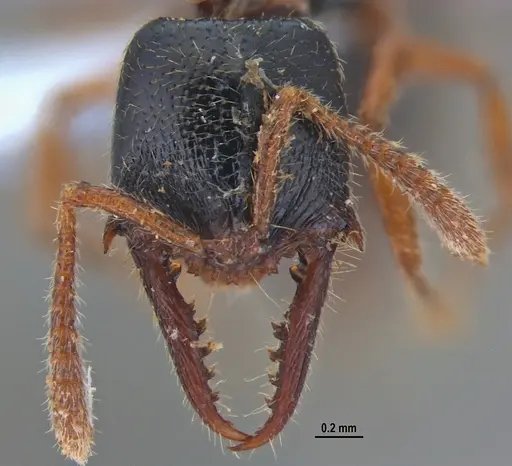
ANTWEB1047718
View on AntWeb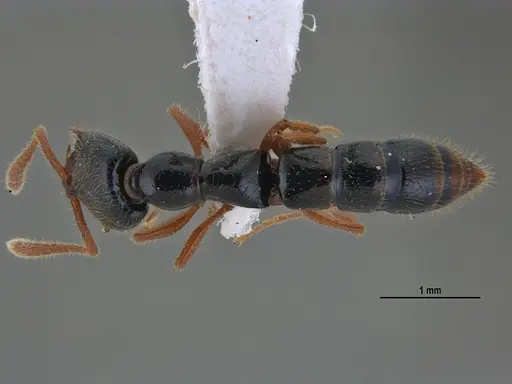
CASENT0101451
View on AntWeb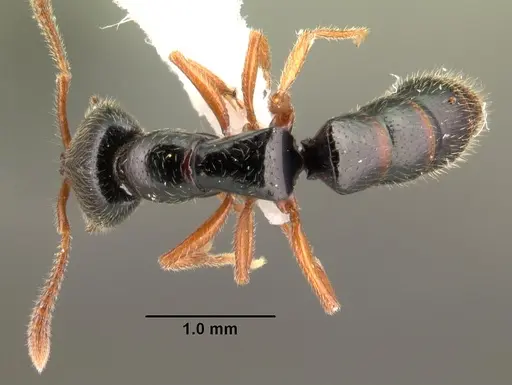
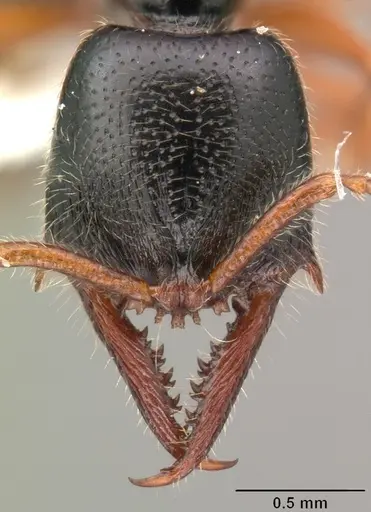
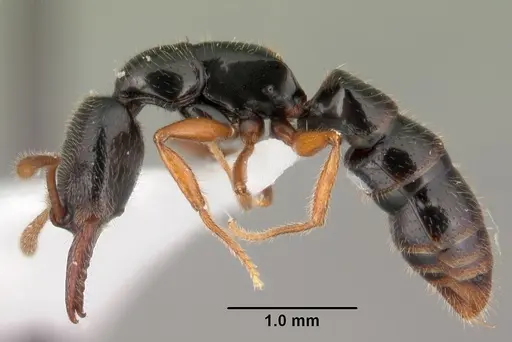
CASENT0102201
View on AntWeb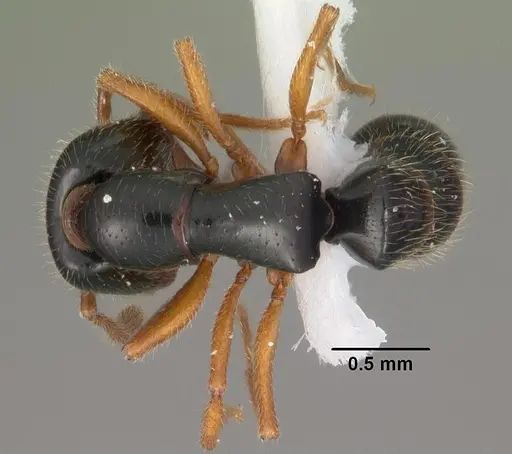
Literature
Loading distribution map...Loading products...