
Common Froglet Ant
Froggattella kirbii
- Sci. Name
- Froggattella kirbii
- Tribe
- Leptomyrmecini
- Subfamily
- Dolichoderinae
- Author
- Lowne, 1865
- Common Name
- Common Froglet Ant
- Distribution
- Found in 1 countries
Introduction
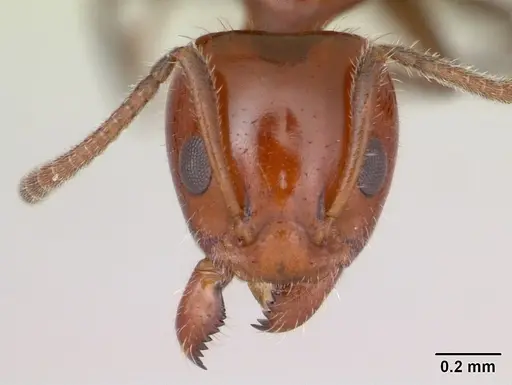
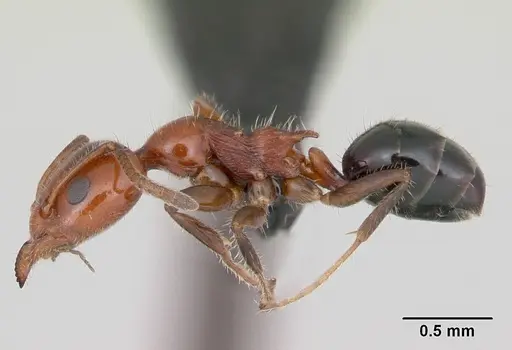
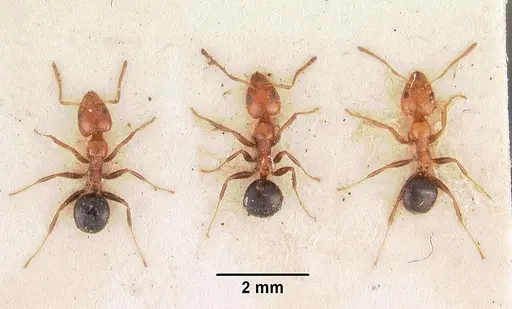
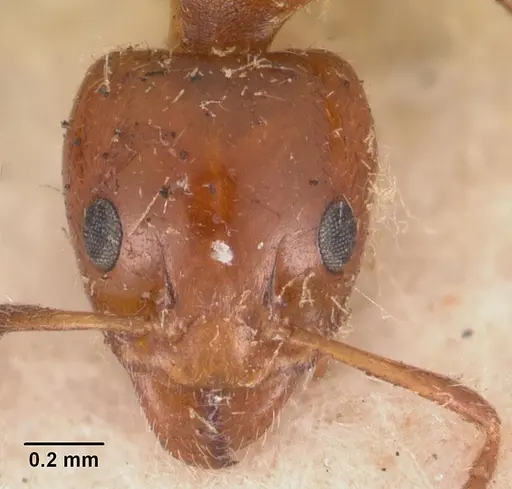
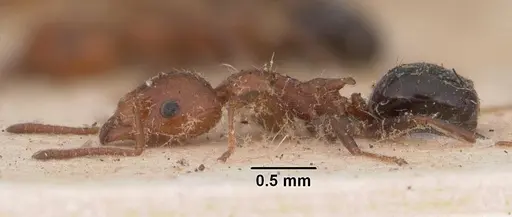
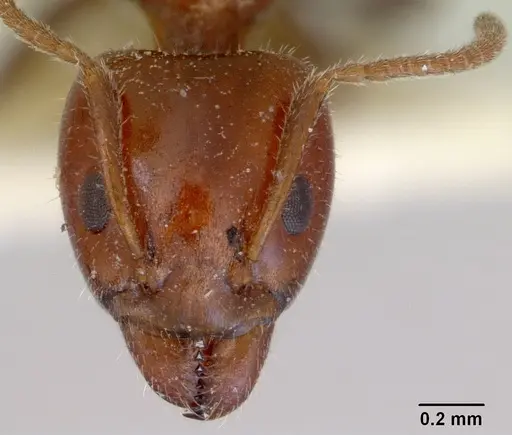
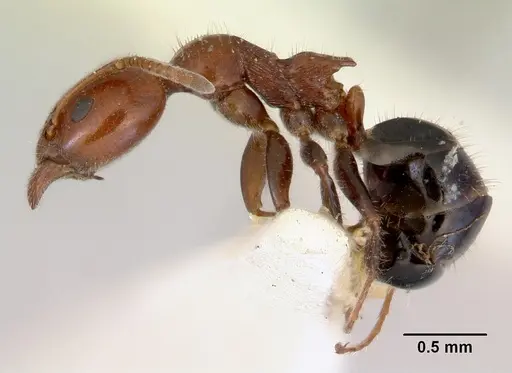
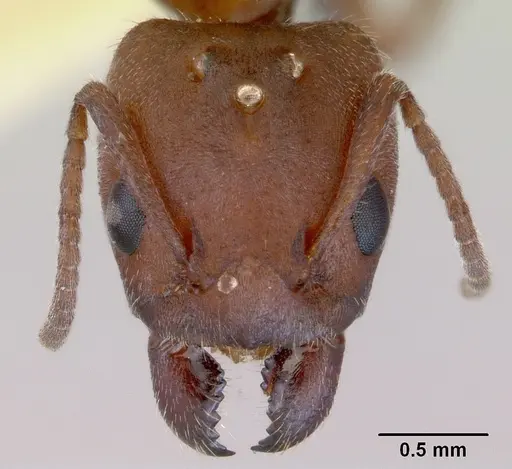
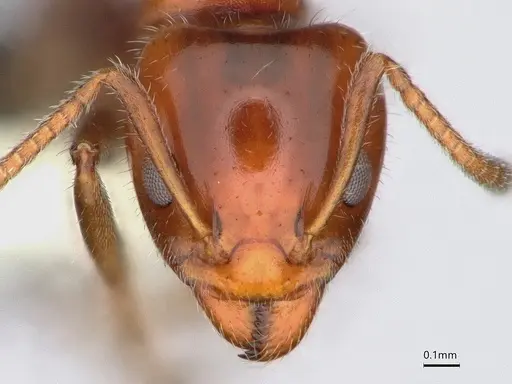
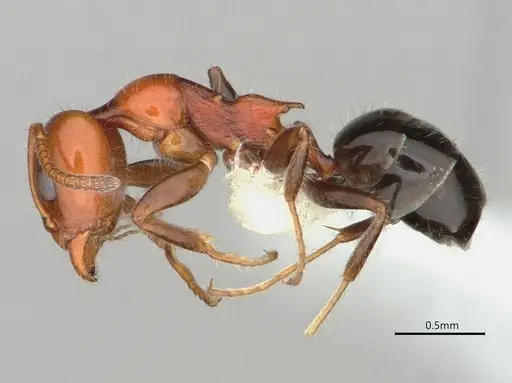
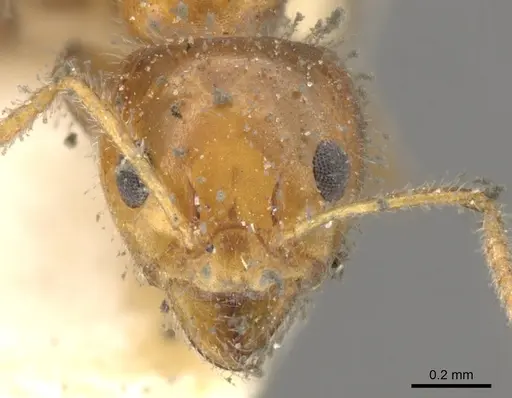
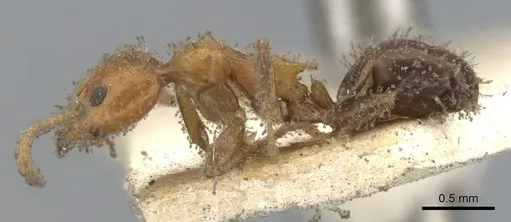
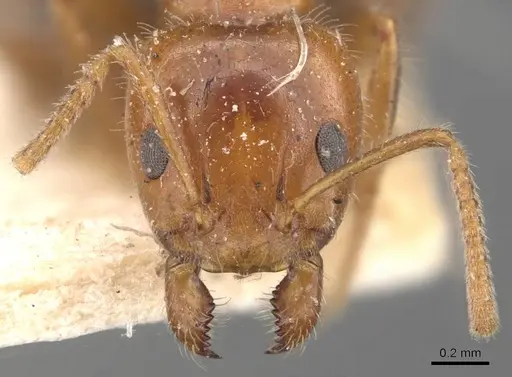
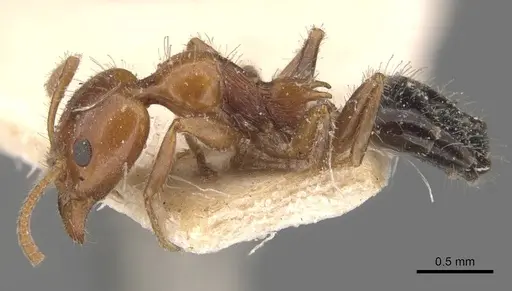
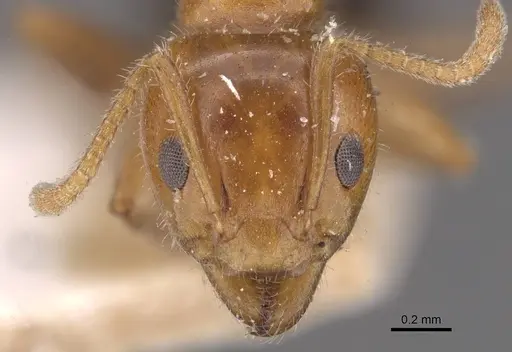
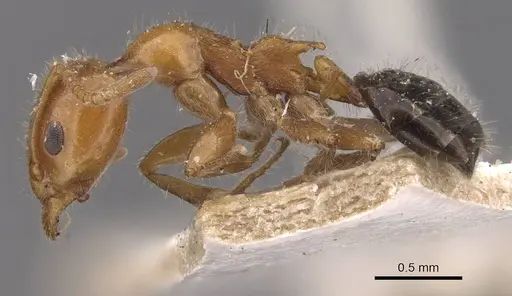
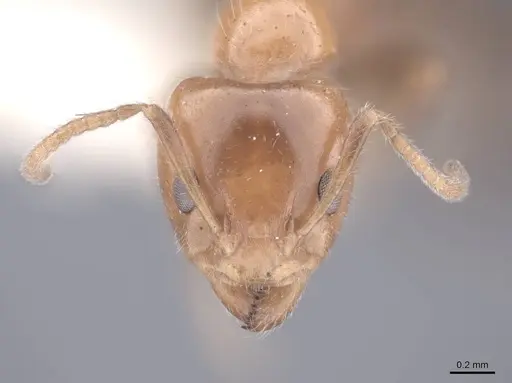
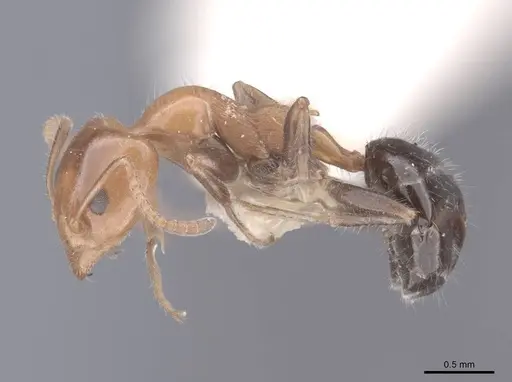
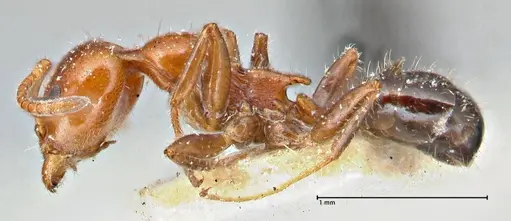
Froggattella kirbii is an Australian ant with workers that have a bright red or yellowish-red body and a black gaster showing blue reflections. Workers are about 3.5-3.7 mm long, while queens are larger at 7-8.5 mm . This species belongs to the Dolichoderinae subfamily and is the most common and widely distributed of the two Froggattella species . It uses a smear defense mechanism, secreting chemicals from the abdomen tip, as typical for its subfamily and tribe Leptomyrmecini.
Quick Summary
- Difficulty: Medium
- Origin & Habitat: Froggattella kirbii is endemic to Australia, found in disjunct regions: south-eastern Australia, south-western Western Australia, coastal northern Queensland, and the Darwin/Kimberley areas [1]. It inhabits drier sclerophyll woodlands, including mallee, and avoids wet sclerophyll woodlands and rainforests [1][3].
- Colony Type: Colony structure is unconfirmed. Workers are commonly observed foraging on tree trunks, low vegetation, and the ground [3].
- Size & Growth:
- Antkeeping:
- Temperature: Keep warm and stable, roughly low-to-mid 20s°C, based on Australian tropical/subtropical origin [4]. A temperature gradient allows workers to regulate preference.
- Humidity: Keep nest substrate consistently moist but not waterlogged, as this species inhabits drier woodlands [1][3].
- Diapause: Unknown, no information on diapause requirements for this species.
- Nesting: In nature, they nest in rotten wood above ground, such as stumps or dead branches [1]. In captivity, use wooden nests like Y-tong (AAC), plaster, or soil-based nests, with chambers scaled to worker size. Avoid acrylic nests.
- Behavior: Workers are day-active foragers that trail on tree trunks, low vegetation, and the ground [3]. They evade capture by hiding under bark [3] and are attracted to protein sources like minced meat baits [5]. They are quick-moving but not particularly aggressive, escape prevention is important due to their small size.
- Common Issues: escape prevention is critical due to small size, use fine mesh and tight barriers, dry habitat requirements may conflict with species needing higher humidity, wild colonies are hard to locate as they nest in elevated rotten wood, fast movement makes handling challenging during transfers
Natural History and Distribution
Froggattella kirbii is endemic to Australia with a disjunct distribution across four regions: south-eastern Australia, south-western Western Australia, coastal northern Queensland, and the Darwin/Kimberley areas [1]. Gaps between these regions, like the Nullarbor Plain, have unsuitable climates and vegetation [1]. It is a member of the tribe Leptomyrmecini and part of an Australian Dolichoderine radiation [6][7]. In southwestern Australia, it avoids wetter areas but is common in wheatbelt and mallee [3].
Nest Preferences and Housing
In the wild, this species nests exclusively in rotten wood above ground, such as stumps or dead branches on living trees [1]. For captivity, use wooden nests like Y-tong (AAC), plaster, or soil-based formicaria, with chambers scaled to worker size (3.5-3.7 mm). They prefer elevated wooden sites, not ground-level soil nests. Avoid acrylic nests.
Feeding and Diet
Field studies show attraction to protein and fat sources, indicating a predator/scavenger diet [5]. Workers are day-active foragers [3]. In captivity, offer protein like small insects (fruit flies, mealworms) 2-3 times per week and sugar sources like honey or sugar water. Remove uneaten prey after 24-48 hours to prevent mold.
Temperature and Seasonal Care
Keep temperatures warm and stable, roughly low-to-mid 20s°C, based on Australian origin [4]. Create a gradient with heating on one side. Diapause is unknown, no cooling period is confirmed needed.
Behavior and Handling
Workers are quick-moving and evade capture by hiding under bark [3]. They trail on trees and ground while foraging. Use fine mesh for ventilation and ensure tight barriers to prevent escapes due to their small size. Queens are larger (7-8.5 mm) and require careful handling.
Field Collection and Acquisition
Find colonies in rotten wood above ground in drier woodlands [1]. Workers forage on tree trunks and ground during daylight [3]. Collecting queens may require locating nest sites or nuptial flights, but specific timing is unknown.
Frequently Asked Questions
How long does it take for Froggattella kirbii to produce first workers?
Development time is unconfirmed for this species. No direct studies provide an egg-to-worker timeline.
What do Froggattella kirbii ants eat?
They are attracted to protein and fat sources. Feed small insects like fruit flies or mealworms 2-3 times per week, and provide sugar water or honey [5].
Can I keep Froggattella kirbii in a test tube setup?
While possible, they naturally nest in rotten wood. A wooden nest better mimics their habitat. If using test tubes, add wood elements for enrichment.
Do Froggattella kirbii ants need hibernation?
Diapause requirements are unknown for this species. No information confirms a need for hibernation.
Are Froggattella kirbii good for beginners?
They are rated medium difficulty due to specific habitat needs and small size, requiring some antkeeping experience.
How big do Froggattella kirbii colonies get?
Colony size is unknown, no data is available on maximum size.
Do Froggattella kirbii ants escape easily?
Yes, their small size (3.5-3.7 mm workers) means they can escape through tiny gaps. Use fine mesh and tight barriers [3].
What temperature should I keep Froggattella kirbii at?
Keep temperatures warm and stable, roughly low-to-mid 20s°C, with a gradient for self-regulation [4].
Where does Froggattella kirbii live in the wild?
They are endemic to Australia, found in disjunct regions like south-eastern Australia and south-western Western Australia, inhabiting drier woodlands [1].
Report an Issue
The current care sheet is based fully on literature. See inconsistencies, or something that's incorrect? Please , it will be resolved after review from an admin. Contributing to the blogs tab also helps providing information, to make us be able to further improve the caresheets. Thank you for your support!
References

This caresheet is licensed under CC BY-SA 4.0 .
Community Blogs
CASENT0006107
View on AntWeb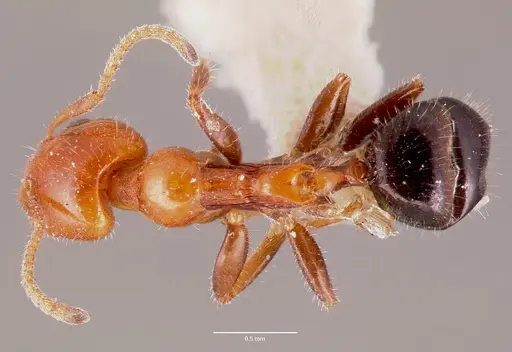
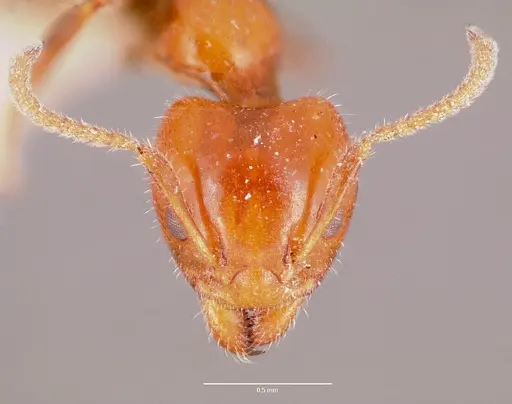
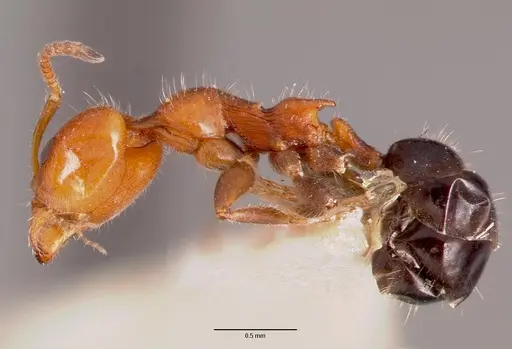
CASENT0009944
View on AntWeb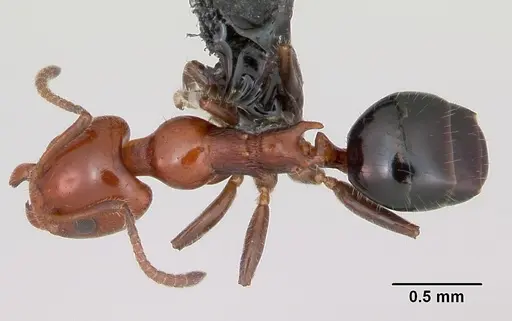
CASENT0009946
View on AntWeb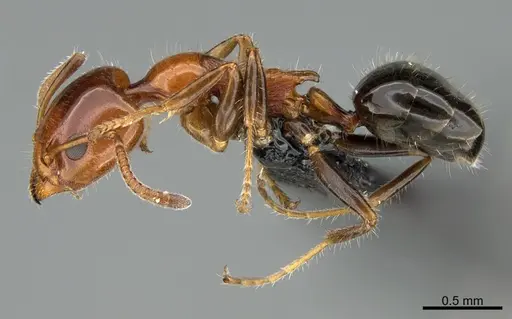
CASENT0102372
View on AntWeb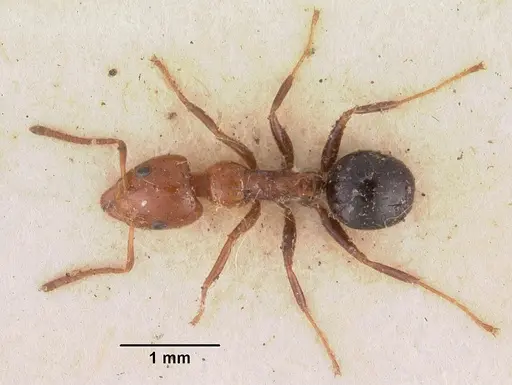
CASENT0172289
View on AntWeb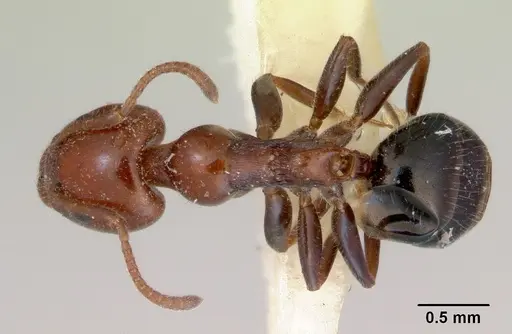
CASENT0172290
View on AntWeb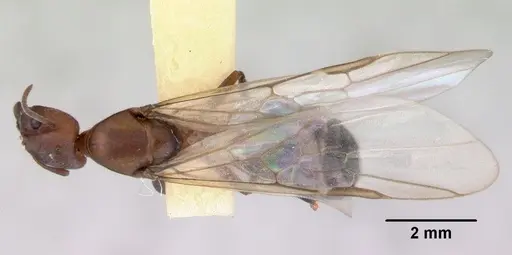
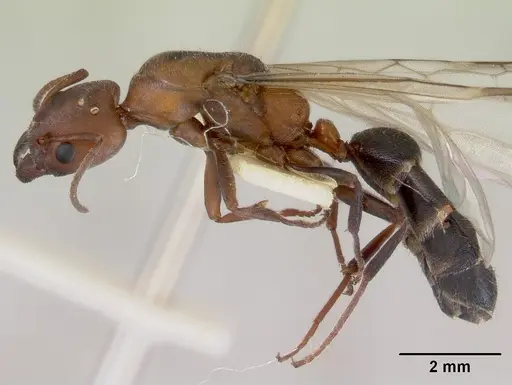
CASENT0249701
View on AntWeb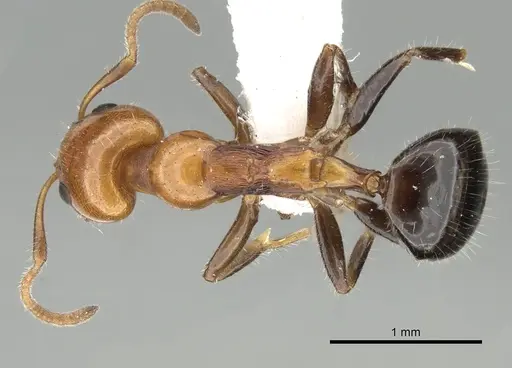
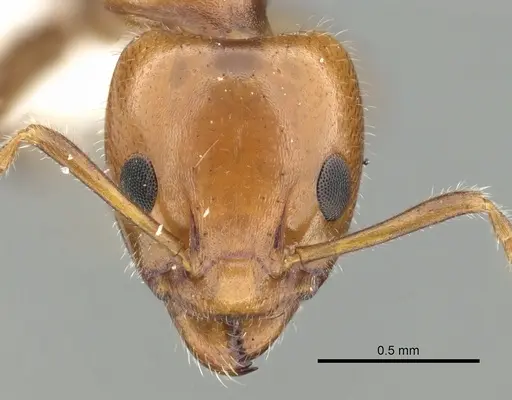
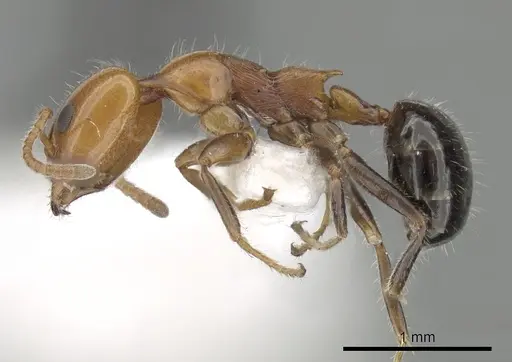
CASENT0886007
View on AntWeb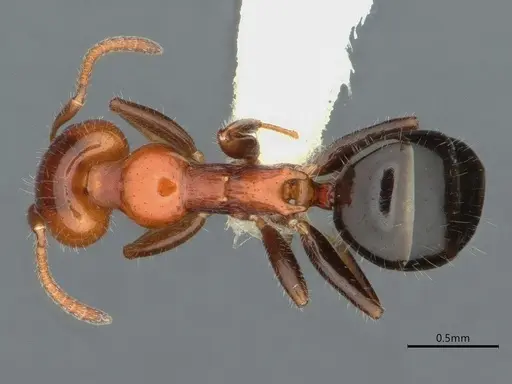
CASENT0902929
View on AntWeb
CASENT0907611
View on AntWeb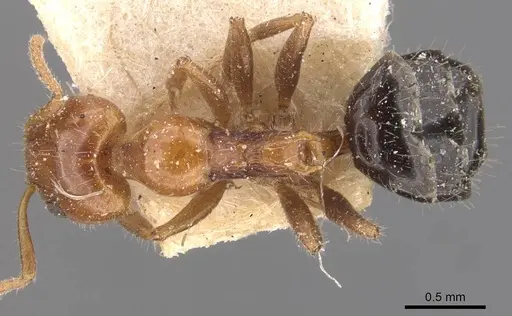
CASENT0909496
View on AntWeb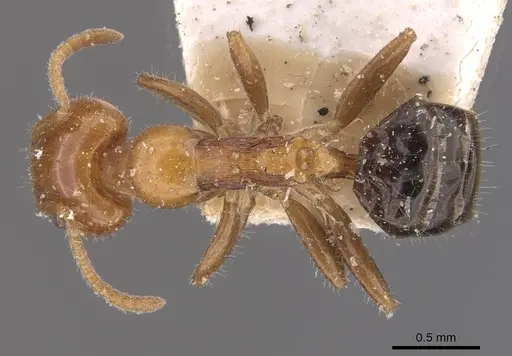
FMNHINS0000045176
View on AntWeb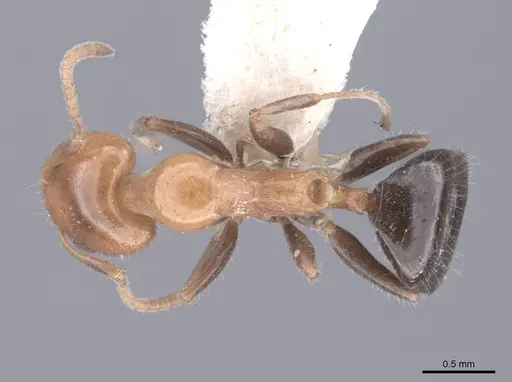
FOCOL0712
View on AntWeb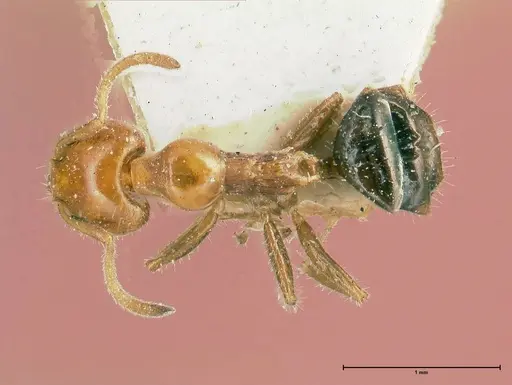
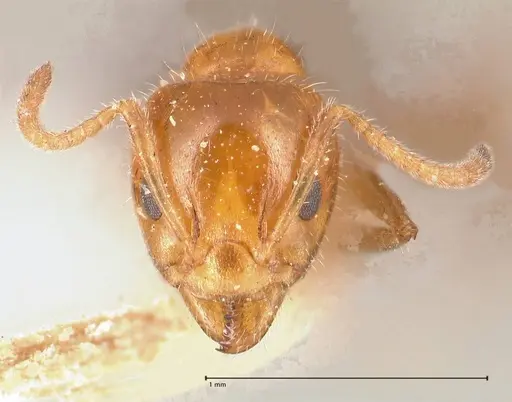
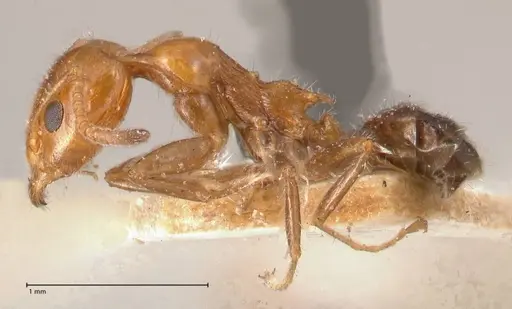
FOCOL2791
View on AntWeb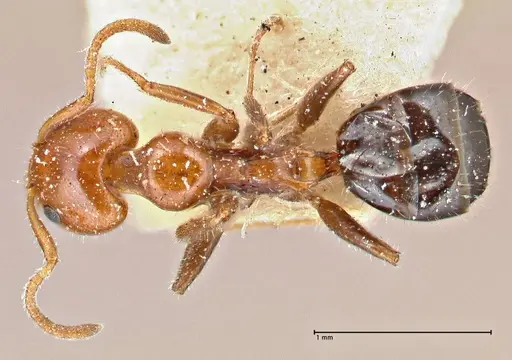
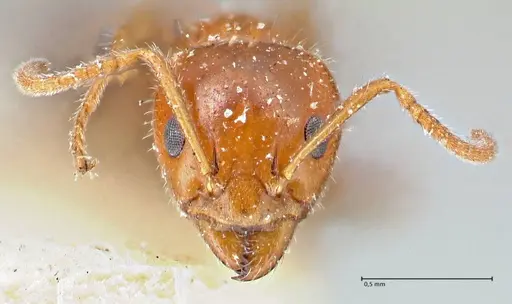
Literature
Loading distribution map...Loading products...