
Provancher's Guest Ant
Formicoxenus provancheri
- Sci. Name
- Formicoxenus provancheri
- Tribe
- Crematogastrini
- Subfamily
- Myrmicinae
- Author
- Emery, 1895
- Common Name
- Provancher's Guest Ant
- Distribution
- Found in 2 countries
Introduction
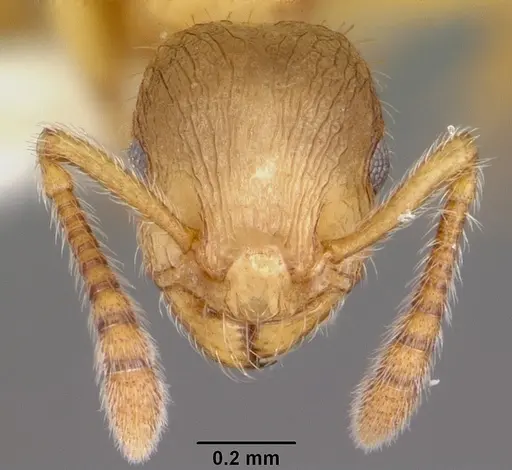
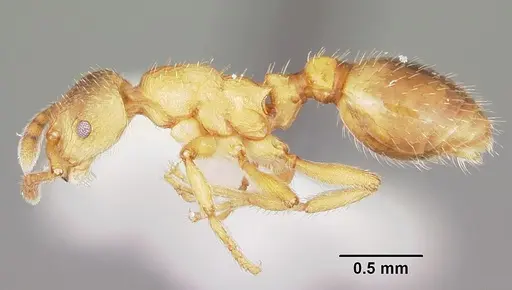
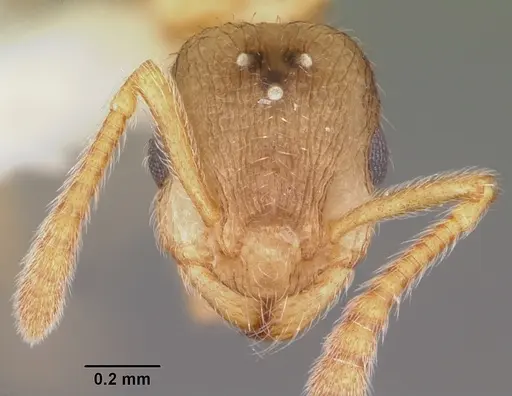
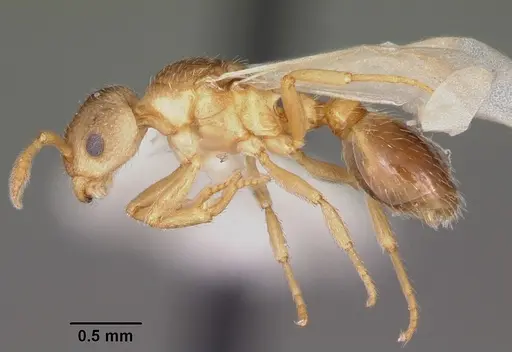
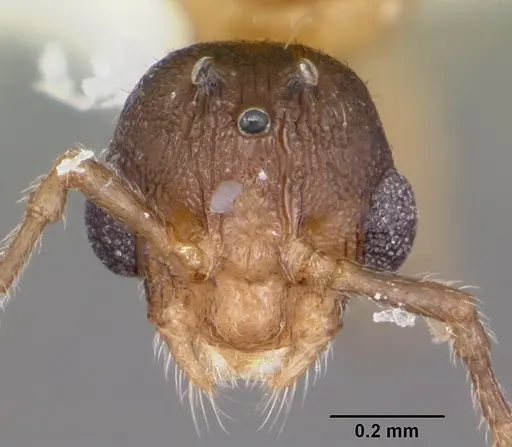
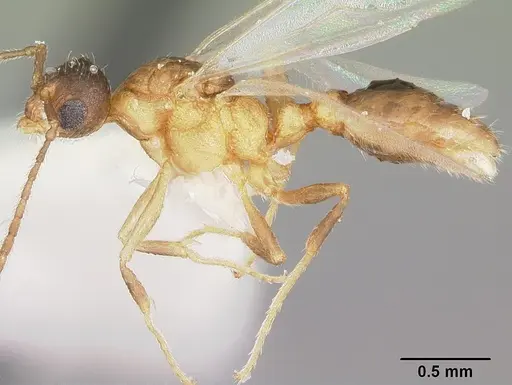
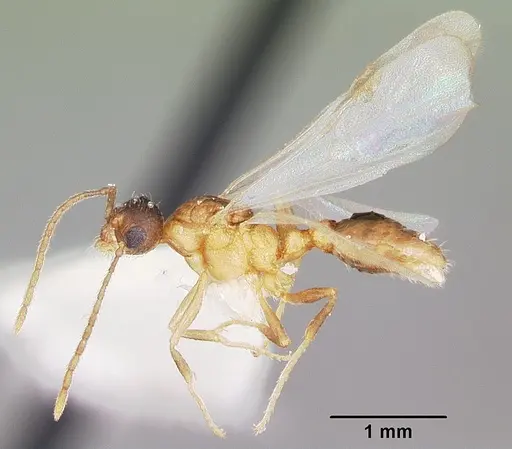
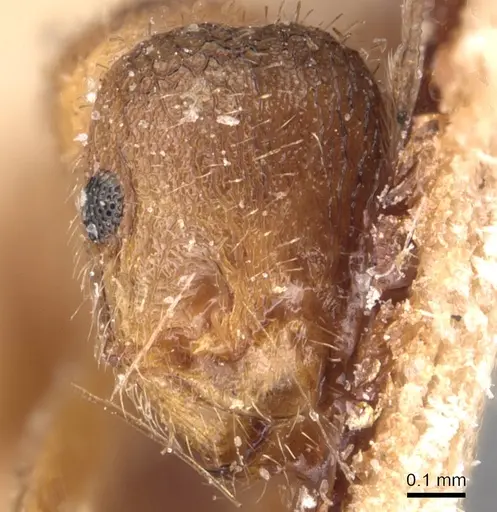
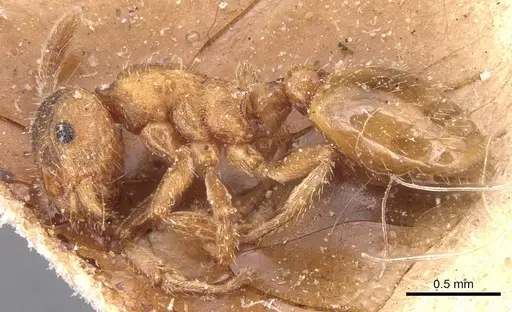
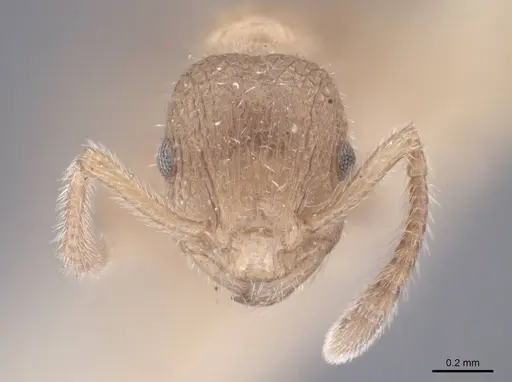
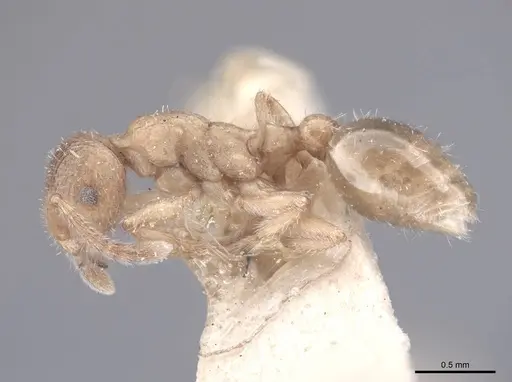
Formicoxenus provancheri is a tiny guest ant native to eastern North America, ranging from southern Canada through the northeastern United States and west to Alberta and New Mexico . Workers are small with a distinctive dark reddish-brown head and gaster, lighter yellowish-red thorax, and a notably shiny gaster . This species is in an early stage of social parasitism - it can live independently under stones in some parts of its range (like the mountains of New Mexico), but in most areas it requires nesting within colonies of Myrmica ants, particularly Myrmica incompleta and Myrmica fracticornis . The ants acquire chemical mimicry by intensively grooming their hosts, earning them the nickname 'shampoo ant' from early researchers . Colonies are small, typically reaching only about 100 workers .
Quick Summary
- Difficulty: Expert
- Origin & Habitat: Eastern North America, southern Canada (Quebec to Alberta) and northern US states. Found in cool, damp habitats including moss-covered hilltops, bogs, and under stones near Myrmica host colonies [1][2]. This species is listed as Vulnerable (VU) on the IUCN Red List.
- Colony Type: Functional monogyny, colonies have one fertile queen, though ergatoid (worker-like) replacement reproductives are present [5][6]. Small colonies of up to 100 workers [3].
- Size & Growth:
- Antkeeping:
- Temperature: Keep cool, this species is adapted to northern climates and appears limited by high summer temperatures. Aim for 15-20°C, avoiding temperatures above 25°C [1]. A room-temperature setup around 18-20°C is ideal.
- Humidity: Moderate to high, they prefer damp habitats similar to their Myrmica hosts. Keep nest substrate moist but not waterlogged.
- Diapause: Yes, requires a winter rest period similar to their Myrmica hosts. Provide hibernation at 5-10°C for 3-4 months during winter.
- Nesting: This species REQUIRES a host Myrmica colony to survive in captivity. You must keep both species together. The guest ants build small separate chambers within the host nest material, away from the host brood chambers [3]. A naturalistic setup with a Myrmica colony (such as Myrmica rubra or Myrmica incompleta as hosts) is necessary.
- Behavior: These are timid, non-aggressive ants that live entirely within their host colony. Workers spend about 75% of their time foraging inside the host nest [4]. They do not defend the colony or raid for slaves, they simply coexist with their hosts through chemical mimicry. The guest ants groom their hosts intensively (called 'shampooing') to acquire host scent, which allows them to move freely within the host colony without being attacked [4]. Workers have no sting and pose no danger. Escape risk is low since they remain near their host colony, but the tiny size means standard escape prevention should still be used.
- Common Issues: this species cannot be kept without a host Myrmica colony, attempting to keep F. provancheri alone will result in colony death [1]., finding a suitable host species may be difficult, Myrmica incompleta and M. fracticornis are not common in the antkeeping hobby., temperature sensitivity, high temperatures appear to prevent proper development, keep the colony cool [1]., extremely rare in the hobby and difficult to obtain, this is not a species for beginners.
The Guest Ant Lifestyle
Formicoxenus provancheri is what scientists call a 'xenobiotic' ant, a social parasite that lives within colonies of another ant species without being attacked. Unlike slave-making ants that raid other colonies for brood, or temporary social parasites that take over host colonies, F. provancheri simply lives peacefully alongside its Myrmica hosts [3]. The key to this peaceful coexistence is chemical mimicry, the guest ants acquire the exact chemical signature (cuticular hydrocarbons) of their host colony by grooming them intensively. This 'shampooing' behavior is so pronounced that early researchers gave them the nickname 'shampoo ant' [4]. Newborn workers have almost no chemical signature of their own, but quickly acquire the host's odor during their first days of adult life, allowing them to move freely through the host nest without triggering aggression [4]. Workers spend about 45% of their foraging time grooming host workers, with 40% directed specifically toward the host's head [4]. In the wild, you can find these tiny ants building their own small chambers at the edge of Myrmica nests, completely integrated but maintaining their own separate colony structure.
Housing and Host Requirements
This is the most critical aspect of keeping Formicoxenus provancheri: you MUST keep a host Myrmica colony alongside them. Research shows that while the ants can occasionally be found nesting alone in the field, they cannot survive in laboratory conditions without a host colony [1]. The most practical hosts are Myrmica rubra or Myrmica incompleta, which are more commonly available in the hobby. The setup should be a naturalistic ant farm or formicarium containing the Myrmica colony, with additional space where the guest ants can establish their own small nests at the periphery. Both species prefer similar conditions, damp substrate, cool temperatures, and hidden nesting sites under stones or in moss. The guest ants will naturally position themselves at the edges of the host colony, building tiny separate chambers connected to the host galleries [3]. Expect to maintain both colonies long-term.
Temperature and Seasonal Care
Formicoxenus provancheri is adapted to cool northern climates, and temperature management is crucial for success. Research from Michigan suggests that summer temperatures that are too high or last too long may prevent proper colony development, this may explain why the species is absent from some areas within its potential range [1]. Keep the colony in a cool location, ideally between 15-20°C. Room temperature is often too warm in summer, so you may need to keep them in a cooler part of your home or use a small thermoelectric cooler. During winter, provide a hibernation period similar to what their Myrmica hosts require, roughly 3-4 months at 5-10°C. This mimics the natural cycle and supports healthy colony development. The preference for cool conditions matches their northern distribution from Quebec to Alberta.
Feeding the Mixed Colony
Both the guest ants and their Myrmica hosts have similar dietary needs, they are omnivores that accept sugar sources and protein. The Myrmica workers will typically take most of the food you provide, but F. provancheri workers will also feed, particularly at sugar sources. Offer sugar water or honey water in small dishes, and provide protein sources like small insects (fruit flies, small crickets, mealworm pieces). The guest ants spend about 75% of their foraging time inside the host nest [4], so they may access food that the hosts have brought into their chambers. Remove uneaten food after 24-48 hours to prevent mold. Do not expect the guest ants to actively hunt large prey, they are much smaller than their hosts and rely largely on shared food resources.
Colony Structure and Reproduction
Colonies are small but have a complex social structure. They exhibit functional monogyny, one queen per colony is fertile, though ergatoid (worker-like) queens are present and can serve as replacement reproductives if the primary queen dies [5][6]. The colony also contains intermorphic queens, individuals that are intermediate between worker and queen forms, making up about 36% of the adult population [5]. Fully developed gynomorphic queens are rare, comprising only about 2.6-4.1% of natural samples [5]. This queen polymorphism is characteristic of guest ants in the genus Formicoxenus. Sexual brood (alates) is produced in July and August according to field observations [7]. Males are winged and have a normal leptothoraciform morphology [5]. Because colonies are small (around 100 workers maximum) and the species is difficult to maintain, breeding this ant in captivity is extremely challenging and not recommended for hobbyists.
Frequently Asked Questions
Can I keep Formicoxenus provancheri without a host colony?
No. This species cannot survive without a Myrmica host colony in captivity. Research shows they die without hosts even in laboratory conditions. You must keep both the guest ant and a Myrmica colony (such as Myrmica rubra or Myrmica incompleta) together.
What is the best host ant for Formicoxenus provancheri?
Myrmica incompleta and Myrmica fracticornis are the natural hosts, but Myrmica rubra is the most practical option for hobbyists as it is commonly available. The guest ants will integrate with any Myrmica species they can chemically mimic.
Are Formicoxenus provancheri good for beginners?
No. This is an expert-level species that requires maintaining two colonies (host and guest), precise temperature control (cool conditions), and specialized knowledge. The difficulty is compounded by the species being extremely rare in the antkeeping hobby.
Do Formicoxenus provancheri ants sting?
No. These tiny ants are completely harmless. They have no sting and pose no danger to humans. Their defense is chemical mimicry and hiding within the host colony, not aggression.
How big do Formicoxenus provancheri colonies get?
Colonies are small, typically reaching only about 100 workers at maximum [3]. This is much smaller than most common ant species kept in captivity.
What temperature do they need?
Keep them cool, between 15-20°C. This species is adapted to northern climates and high temperatures appear to prevent proper development. Avoid temperatures above 25°C.
Do they need hibernation?
Yes, they require a winter rest period similar to their Myrmica hosts. Provide 3-4 months of hibernation at 5-10°C during winter months.
Where can I find this species in the wild?
They are found across eastern North America from Quebec to Alberta, south to Colorado and northern New Mexico. Look for them at the edges of Myrmica nests in cool, damp habitats like bogs and mossy hilltops. They are rare and easily overlooked due to their tiny size.
Why are they called the shampoo ant?
Early researchers noticed these ants intensively groom (lick and clean) their Myrmica hosts, spending about 45% of their foraging time doing this. This 'shampooing' behavior helps them acquire the host's chemical signature for mimicry. The behavior is so pronounced that scientists nicknamed them the 'shampoo ant'.
Report an Issue
The current care sheet is based fully on literature. See inconsistencies, or something that's incorrect? Please , it will be resolved after review from an admin. Contributing to the blogs tab also helps providing information, to make us be able to further improve the caresheets. Thank you for your support!
References

This caresheet is licensed under CC BY-SA 4.0 .
Community Blogs
CASENT0104825
View on AntWeb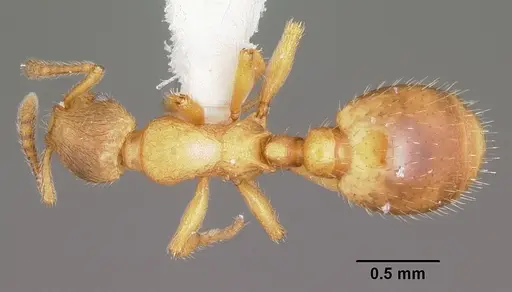
CASENT0104826
View on AntWeb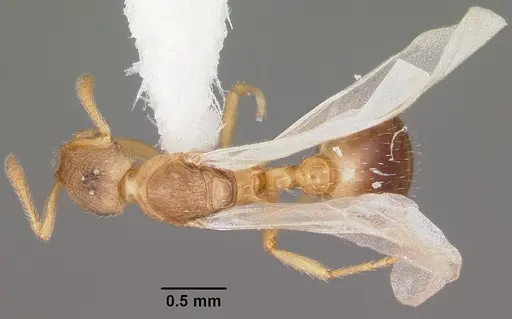
CASENT0104827
View on AntWeb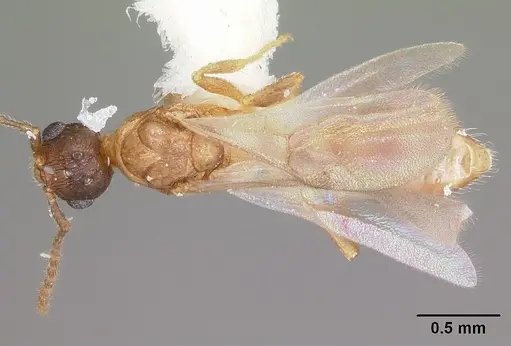
CASENT0904771
View on AntWeb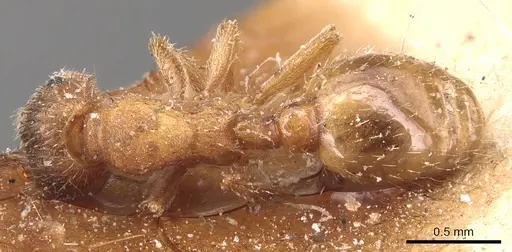
FMNHINS0000047957
View on AntWeb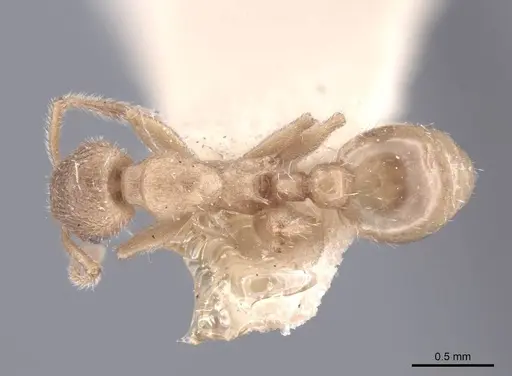
Literature
Loading distribution map...Loading products...