Formica subsericea exhibits a clear seasonal flight window. Peak flight activity is concentrated in July, with the overall period spanning July to August.
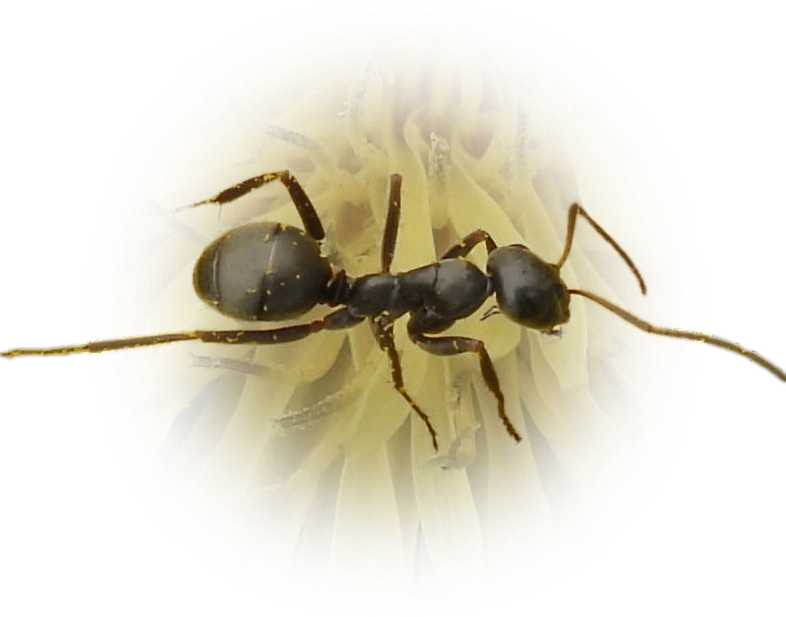
Silky Field Ant
Formica subsericea
- Sci. Name
- Formica subsericea
- Tribe
- Formicini
- Subfamily
- Formicinae
- Author
- Say, 1836
- Common Name
- Silky Field Ant
- Distribution
- Found in 2 countries
- Nuptial Flight
- From June to August
- Peak flight Time
- 13:00
AI Identifiable
try →
Introduction
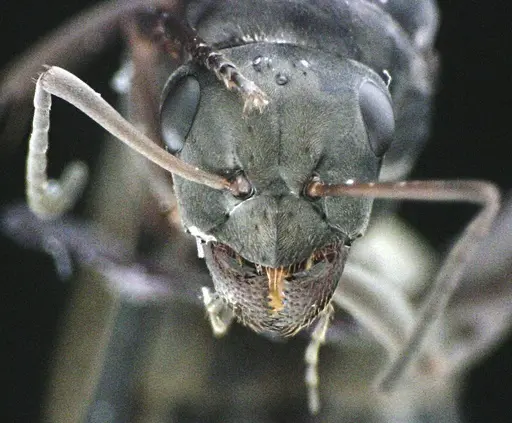
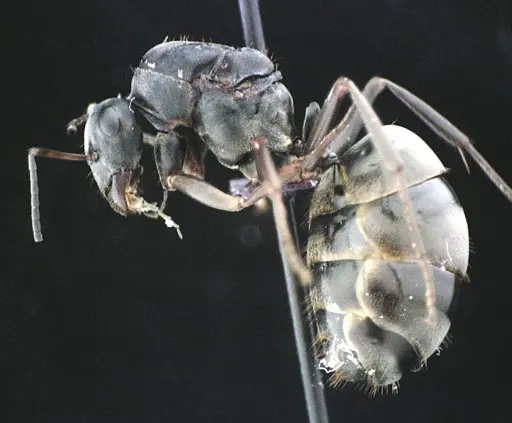
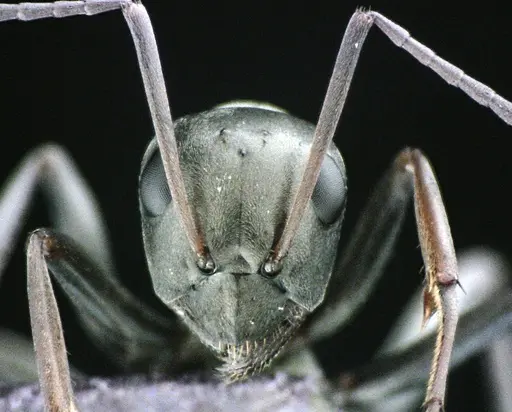
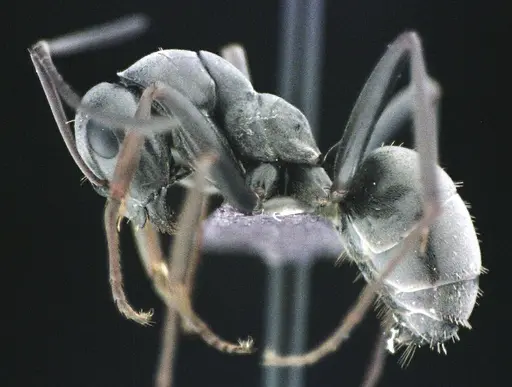
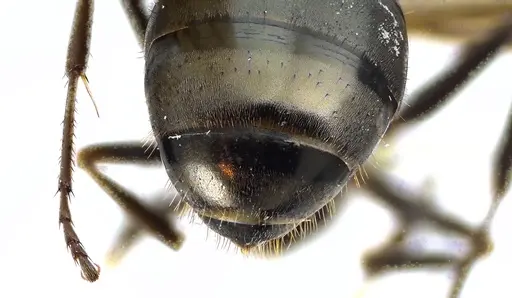
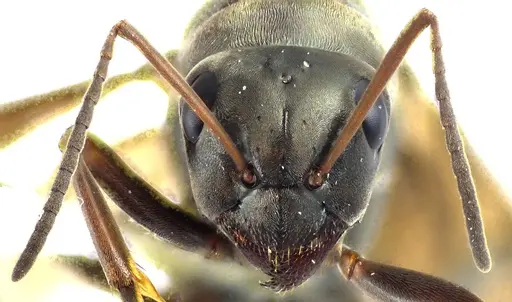
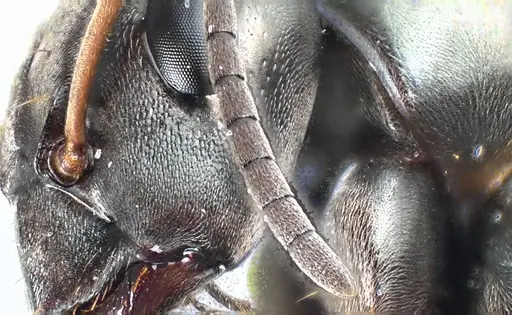
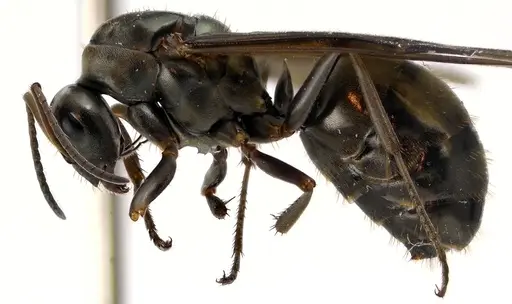
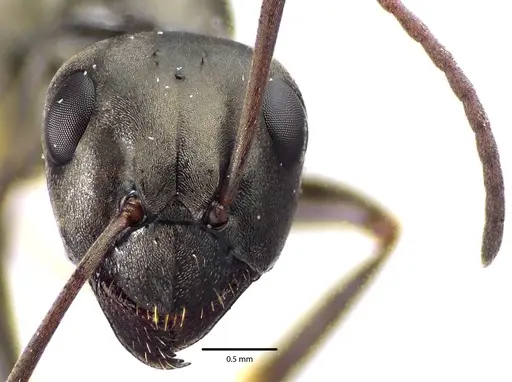
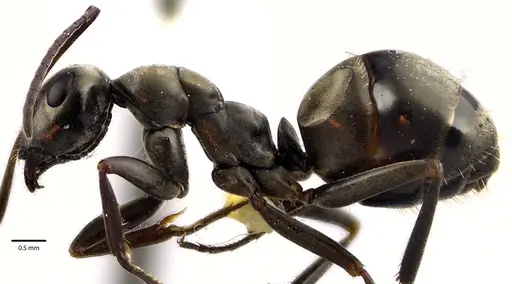
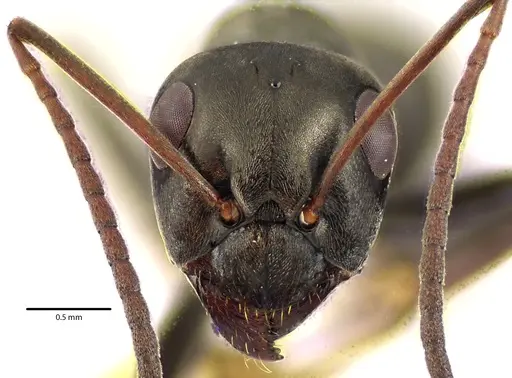
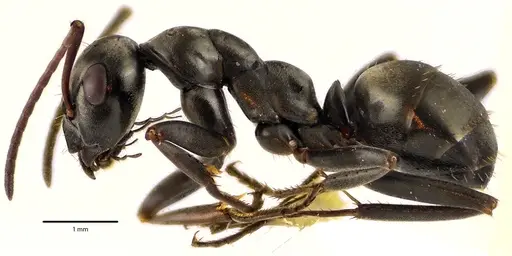
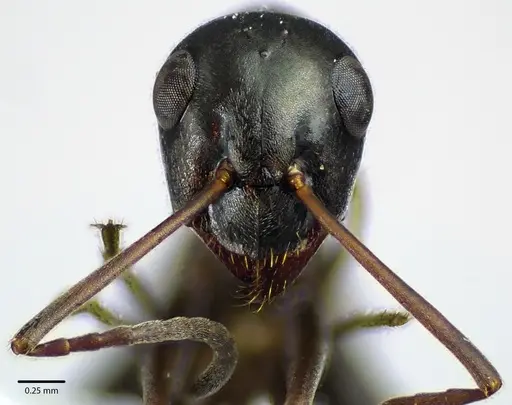
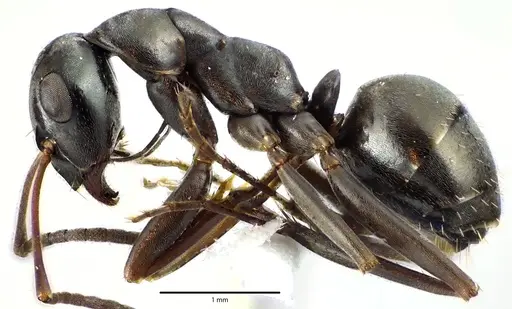
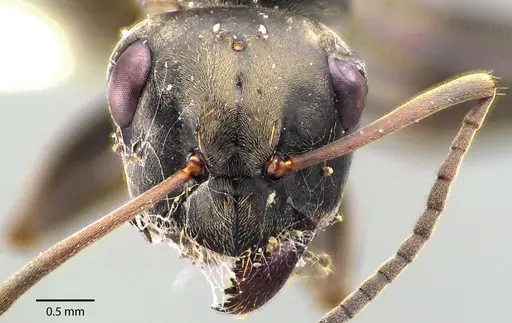
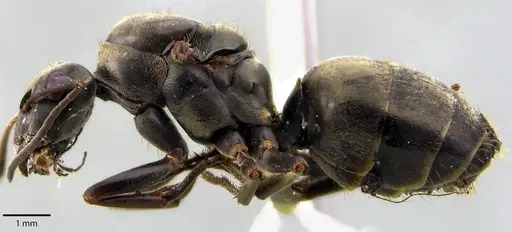
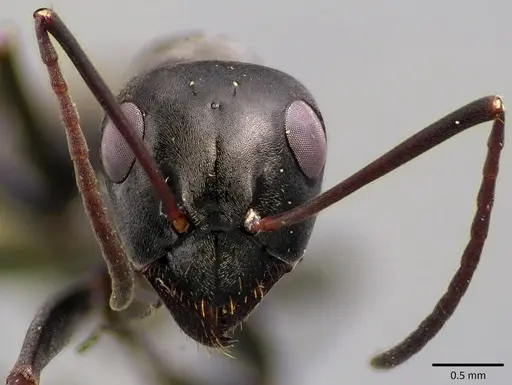
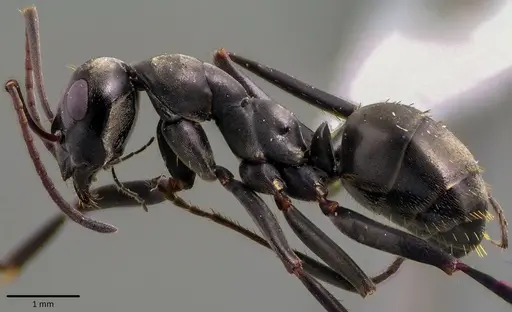
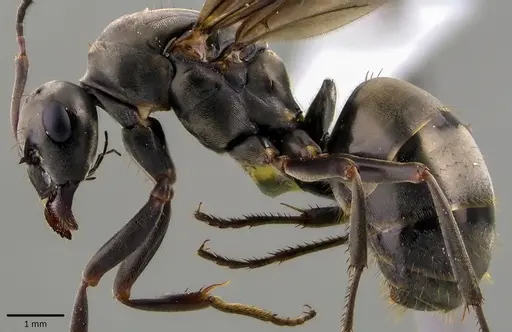
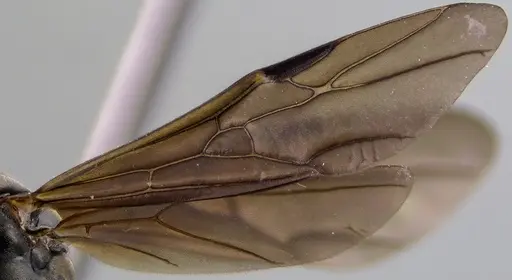
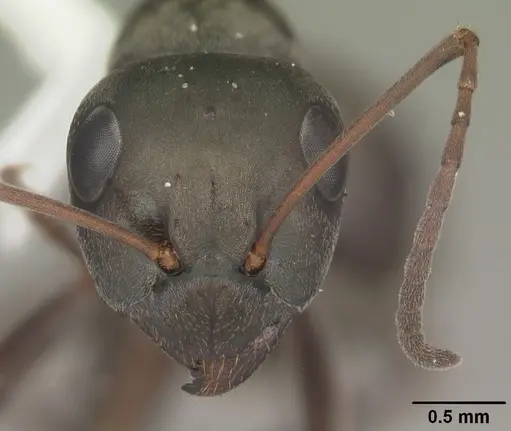
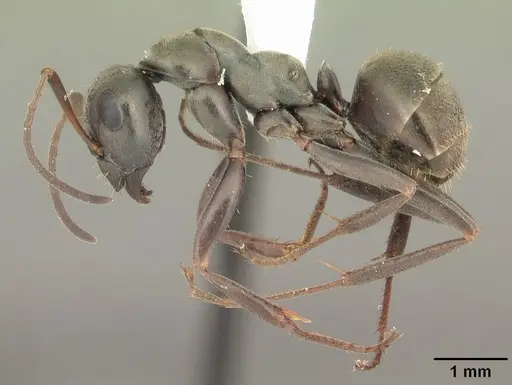
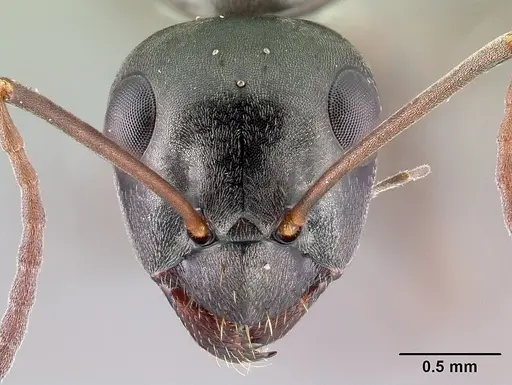
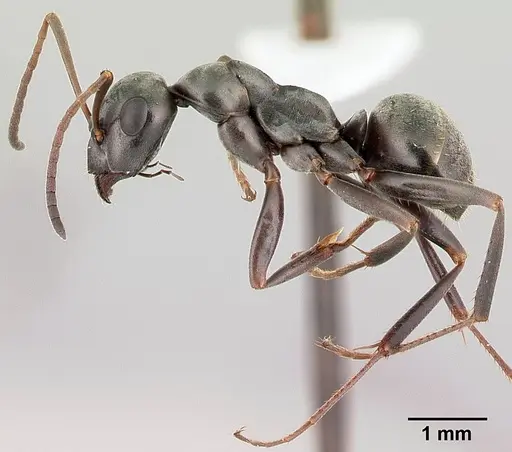
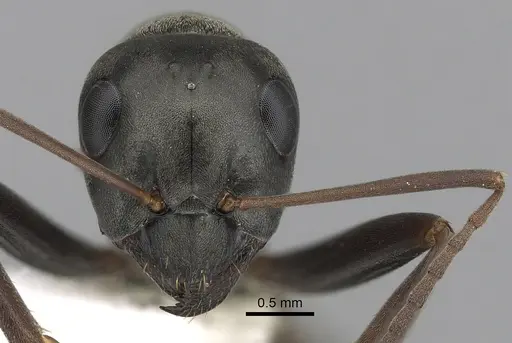
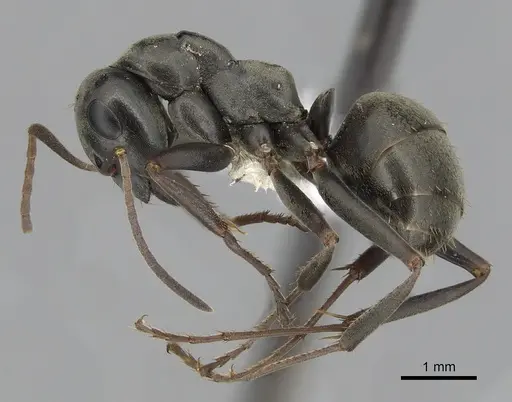
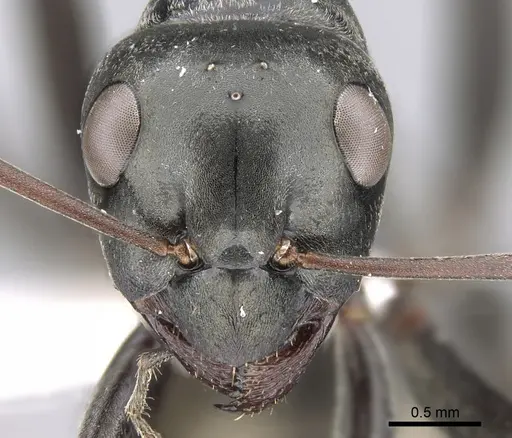
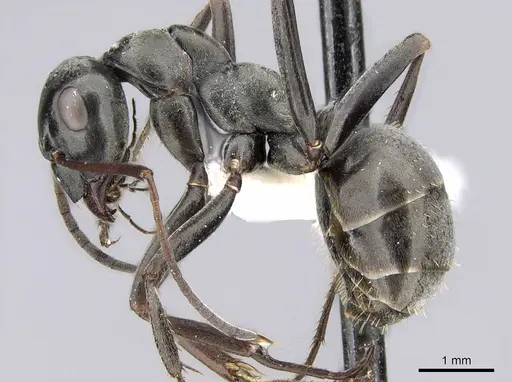
Formica subsericea is a large ant native to eastern North America. Workers measure 4.2-6.2mm in total length and are dark brownish-black to black, covered with dense silvery appressed pubescence that gives them a silky sheen on the head, mesosoma, and first three gastral segments . This species is highly adaptable and found in diverse habitats including woods, forest edges, fields, pastures, and lawns. They construct low mound nests up to 1 meter in diameter, though they also nest under stones, logs, and leaf litter . What makes F. subsericea particularly interesting is its role as a host species for multiple slave-making ants including Formica subintegra and Polyergus lucidus, and its ability to dominate food resources in its territory .
Quick Summary
- Difficulty: Easy
- Origin & Habitat: Eastern North America, found from Nova Scotia south to Georgia, west to Manitoba, Michigan, Wisconsin, Iowa, Missouri, Oklahoma, Texas, New Mexico, and Arizona [1]. Inhabits woods, forest edges, semi-open areas, fields, pastures, and lawns [1][4].
- Colony Type: Polygynous (multiple queens) colonies. The polygynous nature allows colonies to persist for decades after queen death, as the death of one queen does not precipitate colony death [5][6].
- Size & Growth:
- Queen: Larger than workers, queens are chunky with substantial fat reserves for founding [1]. Size data unavailable.
- Worker: 4.2-6.2mm total length [1].
- Colony: Up to 10,000 workers [1][7].
- Growth: Moderate, first workers (nanitics) are smaller and weaker than subsequent brood [5].
- Development: 6-8 weeks estimated based on typical Formica development patterns. (First batch of workers are smaller and weaker, focusing on feeding the queen before expanding the nest [5].)
- Antkeeping:
- Temperature: Keep nest area at 20-24°C. Maximum thermal tolerance is 40°C [7]. They tolerate a range from cool forest conditions up to warm temperatures. A heating cable on one side creates a gradient for them to regulate their temperature.
- Humidity: Moderate humidity, they nest in soil and prefer areas with some moisture. Keep substrate consistently moist but not waterlogged. They do well in naturalistic setups with damp soil [1][2].
- Diapause: Yes, as a temperate species they require a winter rest period. In their northern range, colonies experience cold winters and are adapted to seasonal temperature changes [1].
- Nesting: Large, naturalistic setups work best. They build extensive nests with deep tunnels (0.7m+ in the wild) and prefer soil-based formicaria or Y-tong nests with room for colony expansion. They construct low mound nests in nature but will also use logs and stumps [1][5].
- Behavior: Workers are fast-moving and most active during midday [1]. They are generalist foragers that hunt insects, collect honeydew from aphids, and gather seeds. They can be aggressive when defending their nest and use formic acid spray as a defense mechanism [8]. They are strictly diurnal, foraging during daylight hours [9]. Escape prevention is straightforward, they are large ants that cannot squeeze through standard barrier gaps. They are known to dominate food resources and can displace smaller ant species at baits [10].
- Common Issues: colonies may fail if kept too dry, they need moist substrate for brood development, large colony size means they need significant space as they grow, plan for expansion, they can be targets of parasitic ants if kept near other Formica species, overheating can be fatal despite their high thermal tolerance, provide temperature gradient, wild-caught colonies may have parasites that need treatment
Nuptial Flight Activity Analysis 234 observations
Flight Activity by Hour 234 observations
Formica subsericea nuptial flight activity peaks around 13:00 during the late morning to early afternoon. Activity is spread across a 10-hour window (09:00–18:00). Times may be influenced by human observation patterns.
Housing and Nest Setup
Formica subsericea needs space. In the wild, their nests can extend 0.7m to over 1m deep with extensive tunnel networks [5]. For captive colonies, use a large naturalistic formicarium or Y-tong setup with deep soil chambers. They prefer soil-based substrates where they can dig and construct galleries. A test tube setup works for founding colonies, but be prepared to move them to a larger setup once the colony reaches 20-30 workers. They construct distinctive v- or y-shaped chambers at nest entrances and expand tunnels downward and outward as the colony grows [5]. Provide a water tube and keep the substrate consistently moist but not soggy.
Feeding and Diet
These ants are generalist feeders. In nature, they forage for insects, collect honeydew from aphids, and gather seeds [1]. They are known to tend at least 10 aphid species including Aphis coreopsidis, Aulacorthum solani, Cinara atlantica, and Rhopalosiphum nymphaeae [11]. In captivity, offer protein sources like mealworms, crickets, or other small insects 2-3 times per week. Provide sugar water, honey, or diluted maple syrup as a constant carbohydrate source. They will also accept myrmecochorous seeds (seeds with elaiosomes) which they transport an average of 12 meters in the wild [12]. Fresh killed insects are preferred over freeze-dried options.
Temperature and Seasonal Care
Keep the nest area at 20-24°C with a temperature gradient. These ants have a maximum thermal tolerance of 40°C [7], which is quite high, but they prefer moderate temperatures matching their forest-edge habitat. A heating cable on one side of the nest allows workers to regulate their temperature by moving between warmer and cooler areas. During winter, they require a diapause period. Reduce temperature to 5-10°C for 2-3 months, mimicking winter conditions in their native range. This rest period is essential for colony health and triggering reproductive development the following spring. Males and females develop from July to late August, with nuptial flights occurring mid-July through early September [1].
Behavior and Defense
Workers are fast runners and strictly diurnal, they forage during daylight hours and rest at night [9][1]. When threatened, they use formic acid spray as their primary defense [8]. They are aggressive defenders of their territory and can dominate other ant species at food sources. In direct encounters, they often outcompete smaller ants like Aphaenogaster species [13]. However, they are known to flee from slave-making ants like Formica sanguinea rather than fight, demonstrating what Forel described as 'cowardice', an instinctive response where they abandon their nest to escape capture [3]. This is an interesting behavioral trait to observe if you keep multiple Formica species.
Colony Growth and Development
New colonies start with a single claustral queen who seals herself in a chamber and raises the first brood alone on stored fat reserves [5]. The first workers (nanitics) are smaller and weaker than subsequent workers, and their primary task is feeding the queen before expanding the nest. As the colony grows, workers dig more tunnels and chambers, with gallery networks becoming more extensive and interconnected [5]. Colonies can live for decades in the wild due to their polygynous capability, multiple queens allow the colony to survive if one dies [5]. Maximum colony size is around 10,000 workers, which typically takes several years to reach under good care.
Common Ant Associates
In the ant world, F. subsericea plays an interesting role as both host and competitor. Several parasitic ant species target them: Formica subintegra, Polyergus lucidus, Formica dakotensis, F. difficilis, F. aserva, F. pergandei, and F. rubicunda all use F. subsericea as hosts [1]. Slave-making ants raid their colonies and steal pupae to raise as workers. They also host the parasitic fly Microdon megalogaster, whose larvae and pupae develop in their nests [14]. Despite these parasitic relationships, F. subsericea remains common and widespread, likely due to their large colony size and adaptability.
Frequently Asked Questions
Can I keep Formica subsericea in a test tube?
Yes, test tubes work for founding colonies. However, be prepared to move them to a larger setup once the colony reaches 20-30 workers, as they need space for their extensive tunnel systems [5].
How long until first workers appear?
Expect first workers (nanitics) in about 6-8 weeks after the queen lays eggs, depending on temperature. The first batch will be smaller than subsequent workers [5].
Are Formica subsericea good for beginners?
Yes, they are considered easy to keep. They are adaptable, tolerate a range of conditions, and are not aggressive toward keepers. Their main requirements are space for growing colonies and proper winter diapause [1].
What do Formica subsericea eat?
They are generalist feeders. Offer small insects (mealworms, crickets) for protein, and sugar water, honey, or maple syrup for carbohydrates. They also collect honeydew and will take seeds [1].
Do they need hibernation?
Yes, as a temperate species they require a winter rest period. Reduce temperatures to 5-10°C for 2-3 months during winter to keep the colony healthy [1].
How big do colonies get?
Colonies can reach up to 10,000 workers. This takes several years under good care conditions [1][7].
Can I keep multiple queens together?
While polygynous (multi-queen) colonies exist in the wild, starting with a single queen is recommended for captive colonies. Multiple unrelated foundress queens will likely fight [1].
When should I move them to a formicarium?
Move them when the test tube becomes crowded or when the colony reaches 20-30 workers. They need soil depth for tunnel construction, at least 5-10cm of substrate [5].
Why are my ants dying?
Common causes include: too dry substrate (they need moisture), overheating without a gradient, lack of protein in diet, or failure to provide winter diapause. Check these conditions first. Also ensure they are not being attacked by parasitic ants if kept near other Formica species.
Are they invasive?
No, Formica subsericea is native to eastern North America and is not considered invasive. They are actually a native species that can be outcompeted by invasive ants like Brachyponera chinensis in some areas [15].
What temperature range is best?
Keep nest area at 20-24°C with a gradient. They can tolerate temperatures up to 40°C but prefer moderate conditions matching their forest-edge habitat [7].
When is the nuptial flight of Formica subsericea?
The nuptial flight of Formica subsericea typically occurs From June to August.
What time of day does Formica subsericea fly?
The nuptial flight of Formica subsericea peaks around 13:00 during the late morning to early afternoon, with most activity between 09:00 and 18:00. Times may be influenced by human observation patterns.
Report an Issue
The current care sheet is based fully on literature. See inconsistencies, or something that's incorrect? Please , it will be resolved after review from an admin. Contributing to the blogs tab also helps providing information, to make us be able to further improve the caresheets. Thank you for your support!
References

This caresheet is licensed under CC BY-SA 4.0 .
Community Blogs
ANTWEB1041504
View on AntWeb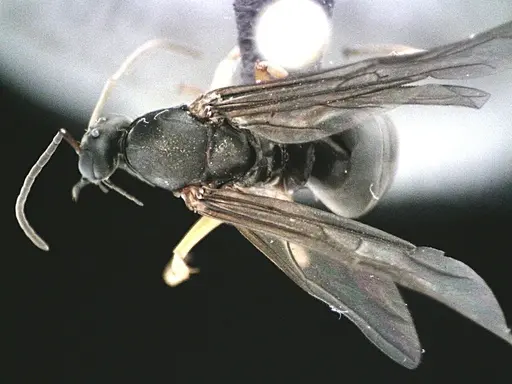
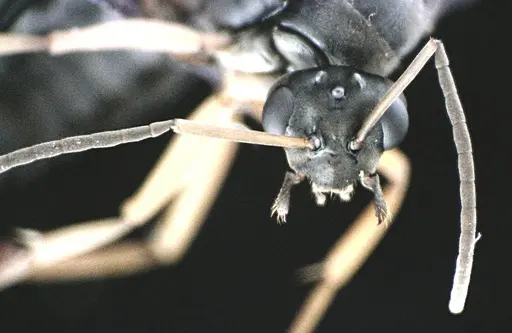
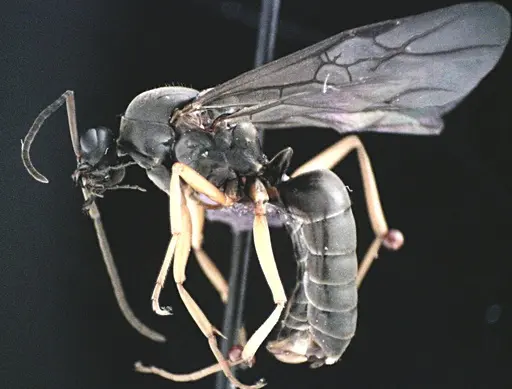
ANTWEB1041505
View on AntWeb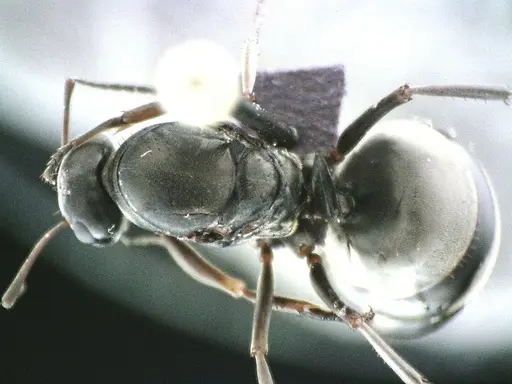
ANTWEB1041506
View on AntWeb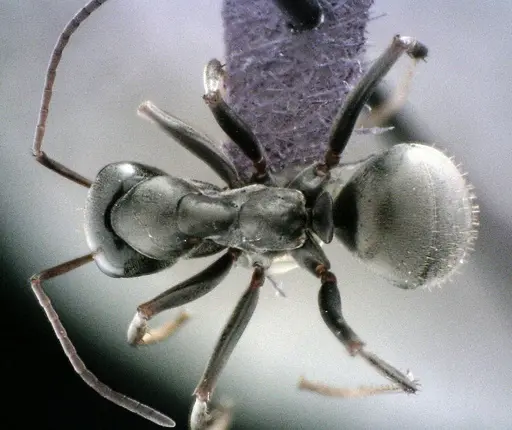
ANTWEB1041594
View on AntWeb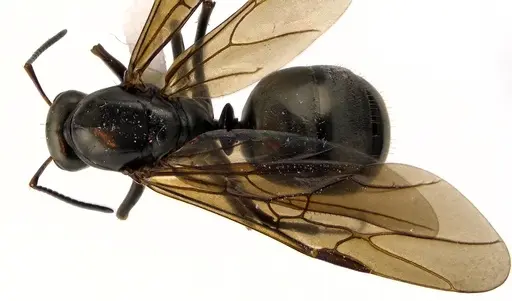
ANTWEB1041633
View on AntWeb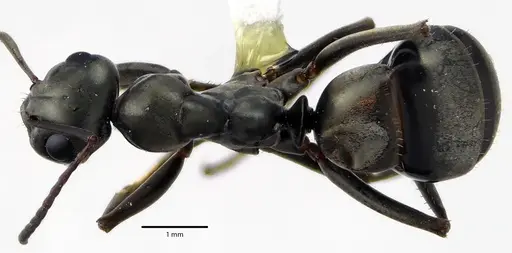
ANTWEB1041634
View on AntWeb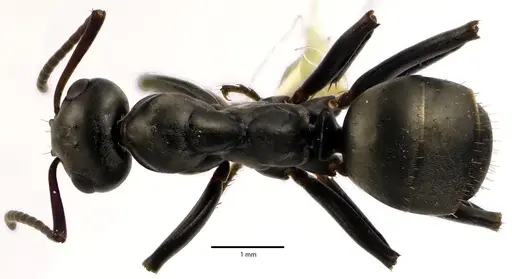
ANTWEB1041646
View on AntWeb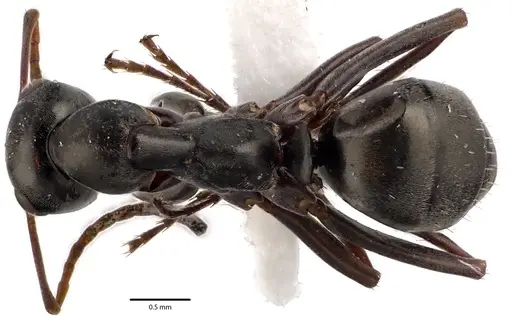
ANTWEB1041723
View on AntWeb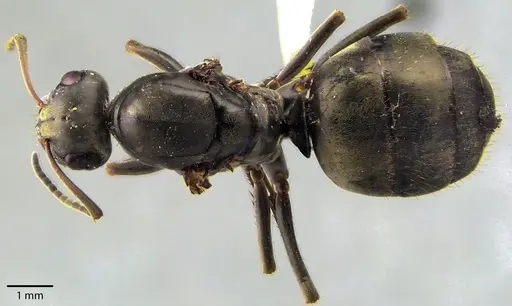
ANTWEB1041758
View on AntWeb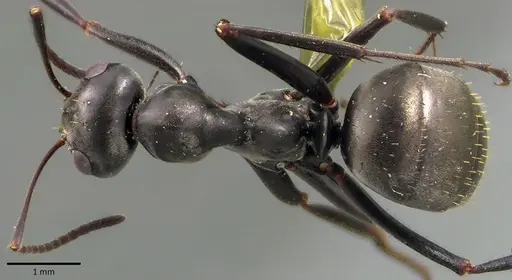
ANTWEB1041779
View on AntWeb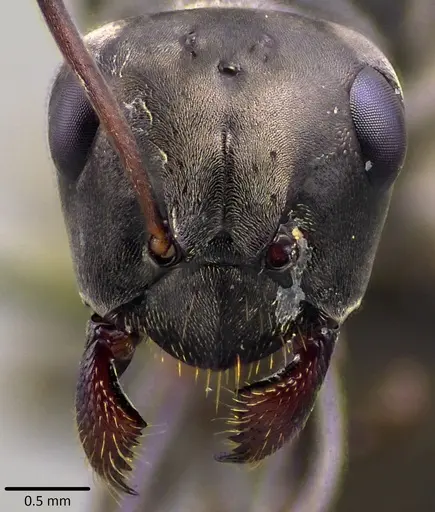
CASENT0103942
View on AntWeb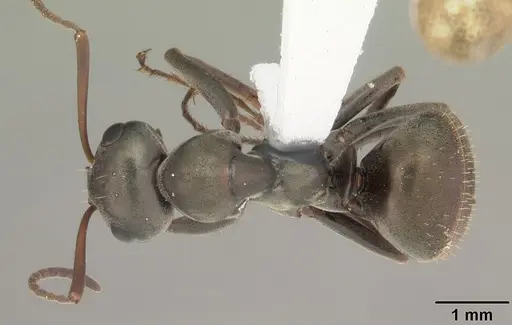
CASENT0179853
View on AntWeb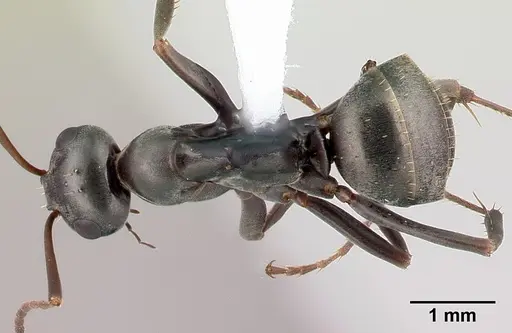
CASENT0280362
View on AntWeb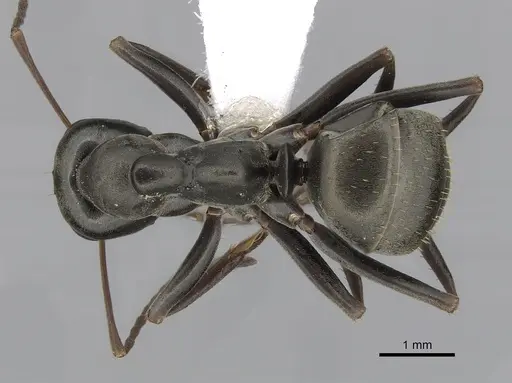
CASENT0281180
View on AntWeb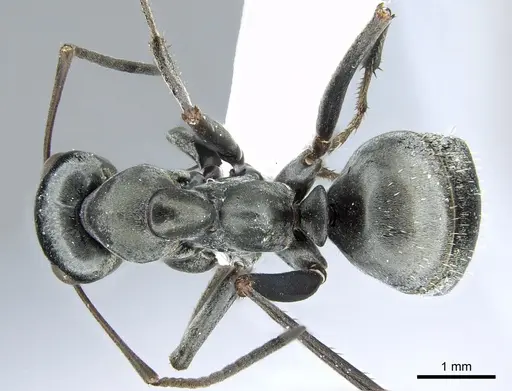
Literature
Loading distribution map...Loading products...