
Formica propinqua
- Sci. Name
- Formica propinqua
- Tribe
- Formicini
- Subfamily
- Formicinae
- Author
- Creighton, 1940
- Distribution
- Found in 1 countries
Introduction
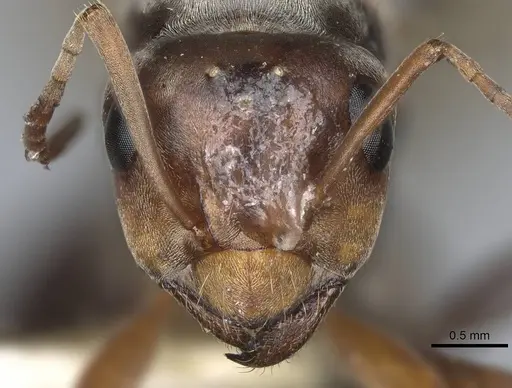
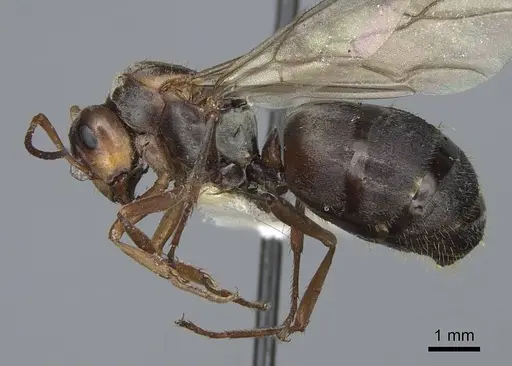
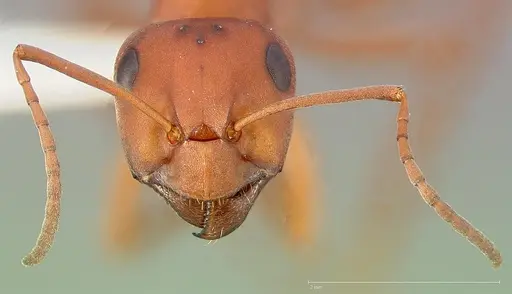
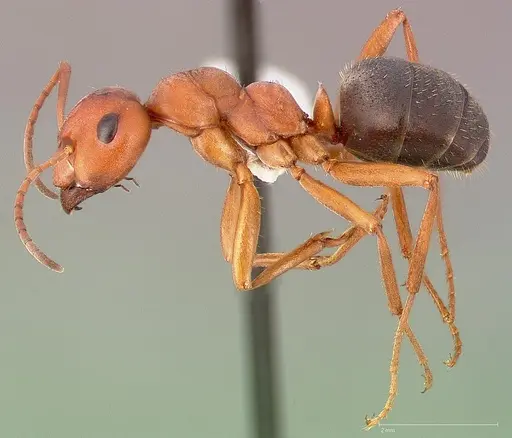
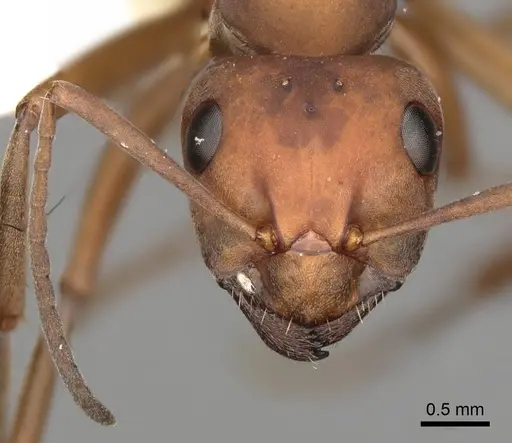
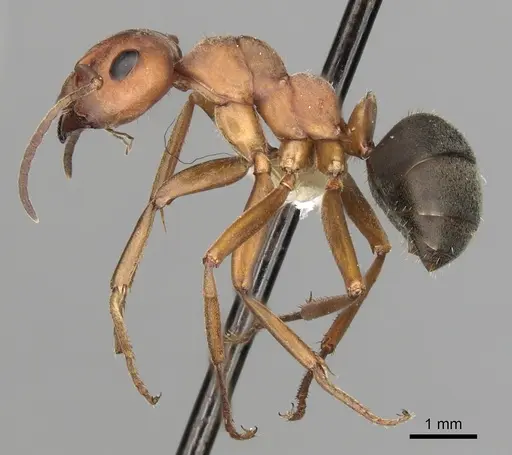
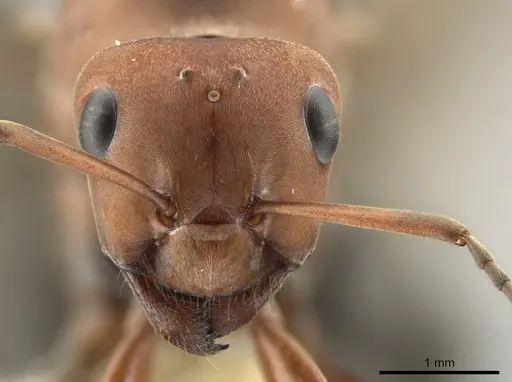
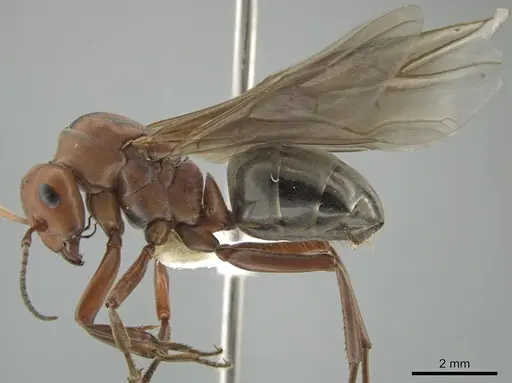
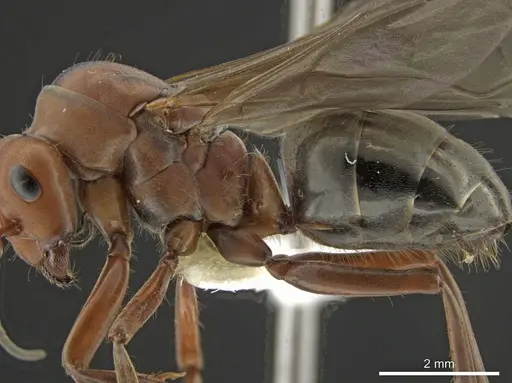
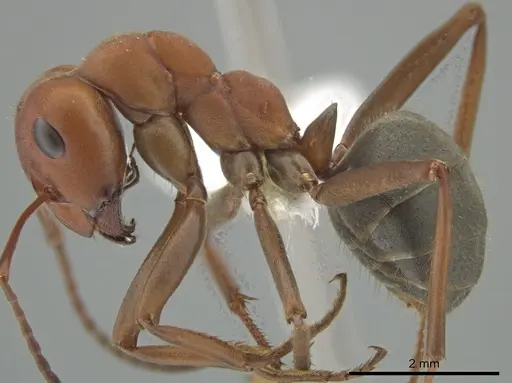
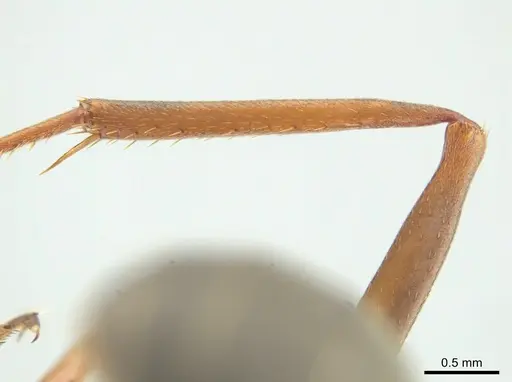
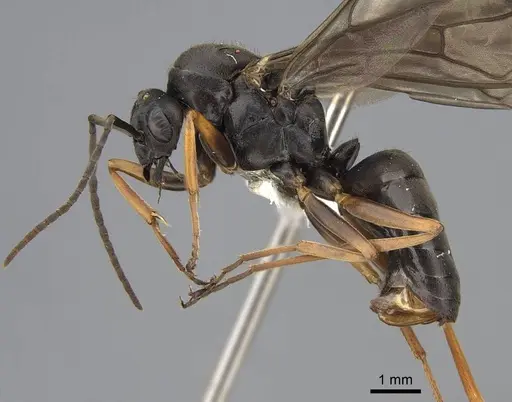
Formica propinqua is a medium-sized wood ant native to the western United States. Workers are estimated at 4-7mm (typical of the Formica rufa group) and have a distinctive hair pattern: erect hairs on the head and mesosoma, but none on the scapes or posterior lateral corners . They build thatched nests made of grass, twigs, and debris, typically against dead stumps or logs in forested areas . This species is behaviorally dominant and forms strong mutualistic relationships with aphids, especially Chaitophorus populicola on poplar trees . Workers are numerous, active, and quick to spray formic acid when the nest is disturbed . A notable feature is polycaly, many wild colonies occupy multiple connected nest chambers .
Quick Summary
- Difficulty: Medium
- Origin & Habitat: Western United States, centered around Lake Tahoe and scattered across the Rocky Mountain region. Found in forests at 3,900-7,800 ft elevation, including Cool Desert, Pinyon-Juniper, and Coniferous Forest biomes [1].
- Colony Type: Polycaly (multiple nest chambers) is common, and the species is likely polygyne (multiple queens cohabiting) based on this observation [1].
- Size & Growth:
- Queen: Size not explicitly recorded, estimated 7-9mm based on related Formica species
- Worker: Estimated 4-7mm based on typical Formica rufa group size
- Colony: Large colonies, possibly hundreds to thousands of workers, typical for behaviorally dominant wood ants
- Growth: Moderate
- Development: Estimated 6-8 weeks at optimal temperatures (not confirmed for this species) (Development time inferred from related Formica, actual time may vary with temperature)
- Antkeeping:
- Temperature: Keep at room temperature (20-24°C) with a slight gradient. As a mountain species from high elevations, they tolerate cooler conditions than many ants. A heating cable on one side can help if your room runs cold.
- Humidity: Moderate humidity. Provide a moisture gradient in the nest, keep the substrate slightly moist but not waterlogged. They naturally nest in areas with moderate to heavy cover, so avoid extremes.
- Diapause: Yes, required. Overwinter at 5-10°C for 3-4 months (typically November to February). Skipping hibernation can weaken or kill the colony.
- Nesting: Use naturalistic setups where they can build thatched nests. Provide materials like small twigs, grass, and cork pieces. They prefer to nest against or under objects (e.g., cork bark, driftwood). Y-tong, plaster, or soil-based formicaria work well. Avoid acrylic nests.
- Behavior: Active, aggressive defenders of their territory. Workers bite and spray formic acid when disturbed. They are behaviorally dominant ants that actively forage on foliage, especially for aphid honeydew [4]. Escape risk is moderate due to their size, standard barriers (fluon/PTFE) are sufficient.
- Common Issues: aggressive defense, formic acid spray can irritate skin and eyes, use ventilation when opening the nest, requires proper winter hibernation, improper diapause can weaken or kill the colony, large colonies need ample space and resources as they grow, aphid-tending is important, ensure a consistent sugar source to mimic natural honeydew (they may prefer it over sugar water), polycaly may require a large, multi-chambered nest to allow natural expansion
Nest Preferences and Housing
Formica propinqua naturally builds thatched nests against dead stumps, logs, and fallen trunks. The nest material consists of grass, twigs, and debris piled around the nesting site [1]. In captivity, replicate this by providing a formicarium with digging medium (e.g., soil-clay mix) connected to an outworld, and supply thatching materials (small twigs, grass, cork pieces). They prefer to nest against or under objects. Polycaly is common, so give them room to expand into multiple chambers or connected nest units. Standard barriers (fluon/PTFE) on the outworld rim are sufficient for containment.
Feeding and Diet
Like many Formica species, F. propinqua relies heavily on honeydew from aphids. In captivity, provide a varied diet: a constant sugar source (honey water, sugar water) and protein (insects like mealworms, crickets, fruit flies) 2-3 times per week. They are known to tend Chaitophorus populicola aphids on poplar trees [2][3], you can offer potted aphid-infested plants if available. Studies show that aphid removal reduces their foraging activity [4], highlighting the importance of consistent sugar. They are behaviorally dominant and will actively forage for aphids on foliage when given access to plants.
Temperature and Seasonal Care
Maintain colonies at room temperature (20-24°C) with a slight gradient. As a montane species from elevations up to 7,800 ft, they handle cooler conditions well. A heating cable on one side can create a warm spot if your room is cold. During winter, they must undergo diapause: reduce temperature to 5-10°C for 3-4 months. Skipping hibernation weakens the colony and may prevent future reproduction. After diapause, gradually warm them back up over 1-2 weeks. [1]
Behavior and Defense
Workers are numerous, active, and quick to defend. They bite and spray formic acid into the air, their primary chemical defense (subfamily Formicinae, tribe Formicini). When disturbed, they can release enough acid to irritate eyes and skin, so use ventilation when opening the nest. They are behaviorally dominant ants [4] and actively forage on foliage, especially for aphid honeydew. A 2008 study found that removing aphids from trees drastically reduced the ants' foliar foraging and allowed other ant species to rebound [4]. This demonstrates how crucial aphid mutualisms are to their success.
Colony Structure
Formica propinqua is polycalous, a single colony often occupies multiple interconnected nest chambers [1]. This is associated with polygyny (multiple queens), though not all polycalous colonies are polygyne. In captivity, provide a nest system with multiple chambers or connected areas to allow natural expansion. Established colonies can grow large, so be prepared to upgrade as the colony expands. The polycalous structure helps the colony exploit patchy resources in their environment.
Frequently Asked Questions
Is Formica propinqua good for beginners?
Formica propinqua is rated as medium difficulty. They are not the hardest species, but their aggressive nature (biting and formic acid spraying) and need for proper hibernation make them less suitable for absolute beginners. Their polycalous/polygynous nature helps colonies grow quickly, which can be rewarding for keepers with some experience.
How long does it take for Formica propinqua to produce first workers?
Based on typical Formica development, expect first workers (nanitics) around 6-8 weeks after the queen lays eggs, assuming temperatures of 22-25°C. This is an estimate, actual time may vary.
Can I keep multiple Formica propinqua queens together?
Yes, this species is likely polygynous (multiple queens coexist). Wild observations of polycaly indicate that multiple queens often share nests. You can keep a colony with several queens together and they will coexist peacefully.
Do Formica propinqua need hibernation?
Yes, hibernation is required. As a temperate, high-elevation species, they need a winter rest period of 3-4 months at cool temperatures (5-10°C). Skipping hibernation can weaken the colony and prevent proper reproduction.
What do Formica propinqua eat?
They feed on honeydew from aphids, sugar water or honey, and insects (mealworms, crickets, fruit flies). They are known to tend Chaitophorus populicola aphids on poplar trees [2][3]. Provide a constant sugar source and protein 2-3 times per week.
How big do Formica propinqua colonies get?
Colonies can become large, likely hundreds to thousands of workers. As behaviorally dominant ants with multiple queens, they have strong growth potential given proper care and space.
When should I move Formica propinqua to a formicarium?
Move them when the test tube becomes crowded or when workers actively try to expand the nest. Since they build thatched nests in nature, a naturalistic setup with digging medium works well. Avoid acrylic nests, use ytong, plaster, or soil-based formicaria.
Why is my Formica propinqua colony declining?
Common causes: improper hibernation (too warm or too short), insufficient protein or sugar, low humidity, or frequent disturbance. Ensure they have a proper winter rest, a varied diet, and a stable, undisturbed nest environment.
Are Formica propinqua invasive in North America?
No, they are native to the western United States. Never release ant colonies outside their natural range.
Report an Issue
The current care sheet is based fully on literature. See inconsistencies, or something that's incorrect? Please , it will be resolved after review from an admin. Contributing to the blogs tab also helps providing information, to make us be able to further improve the caresheets. Thank you for your support!
References

This caresheet is licensed under CC BY-SA 4.0 .
Community Blogs
CASENT0005283
View on AntWeb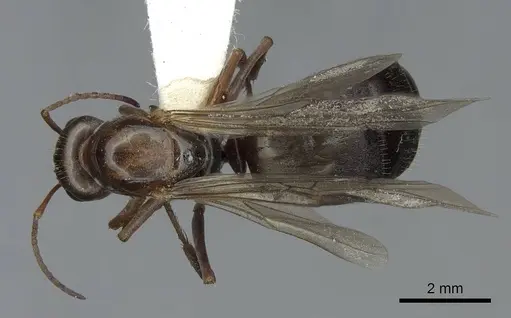
CASENT0005286
View on AntWeb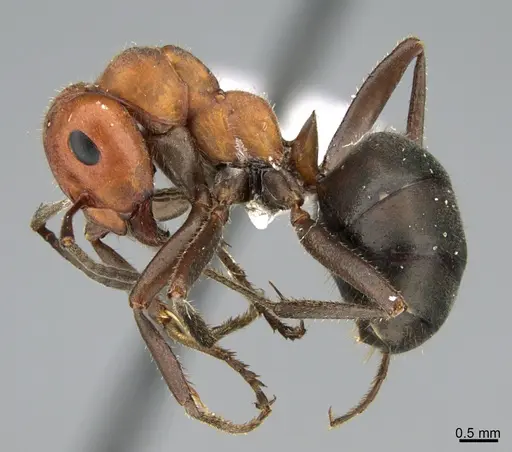
CASENT0005391
View on AntWeb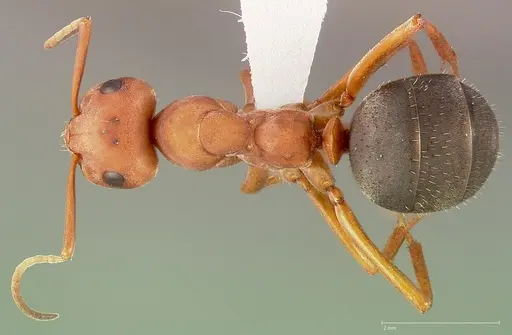
CASENT0280404
View on AntWeb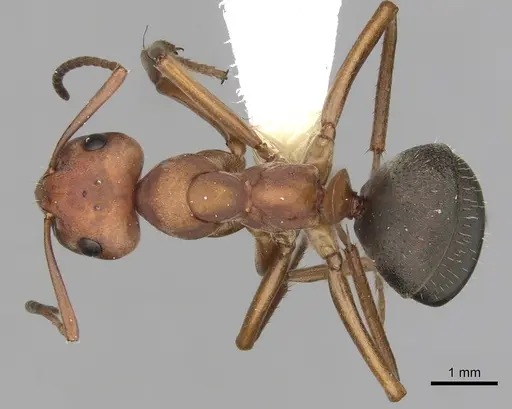
CASENT0648022
View on AntWeb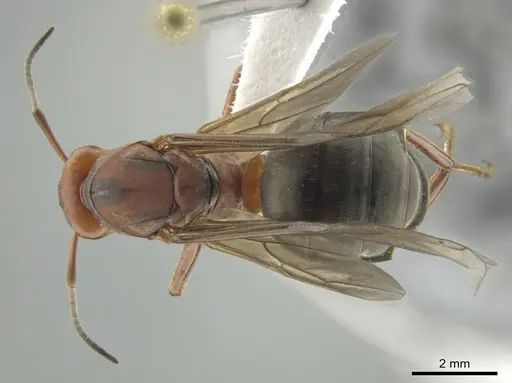
CASENT0649739
View on AntWeb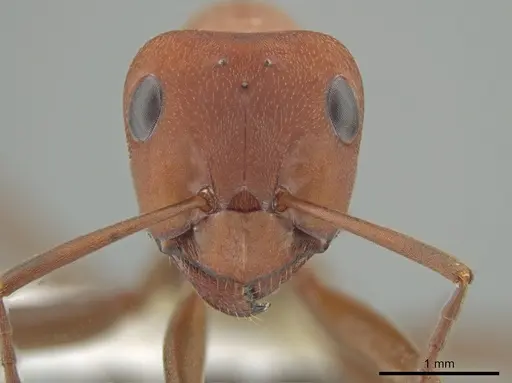
CASENT0843934
View on AntWeb
Literature
Loading distribution map...Loading products...