
Wickerwork Mound Ant
Formica gynocrates
- Sci. Name
- Formica gynocrates
- Tribe
- Formicini
- Subfamily
- Formicinae
- Author
- Snelling & Buren, 1985
- Common Name
- Wickerwork Mound Ant
- Distribution
- Found in 2 countries
Introduction
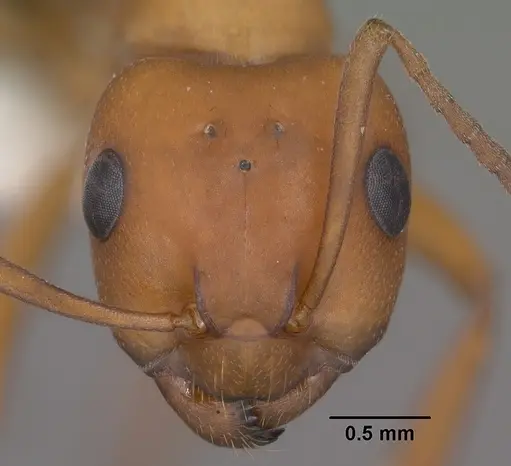
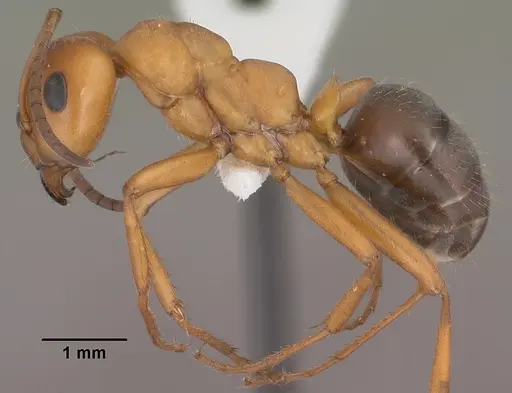
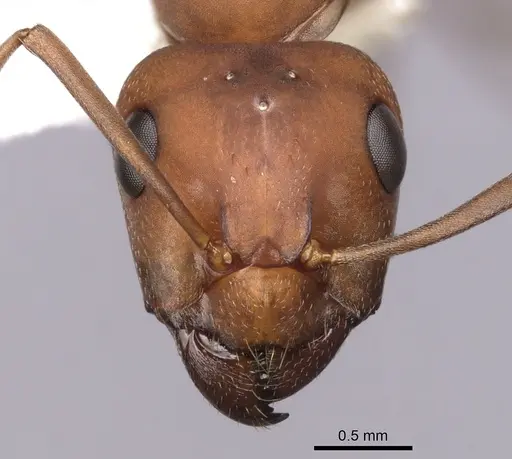
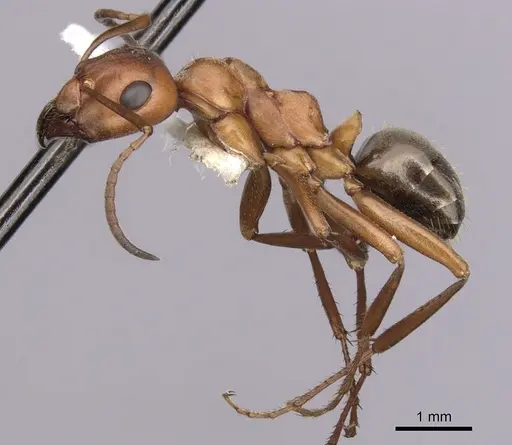
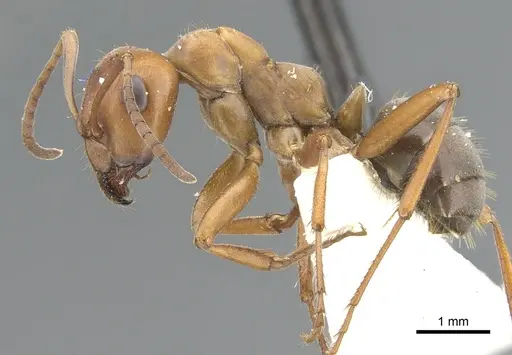
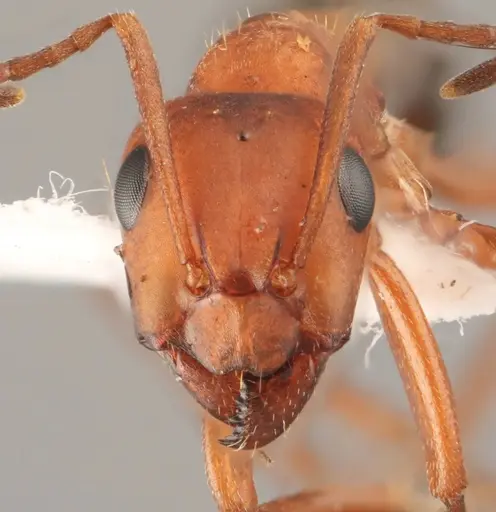
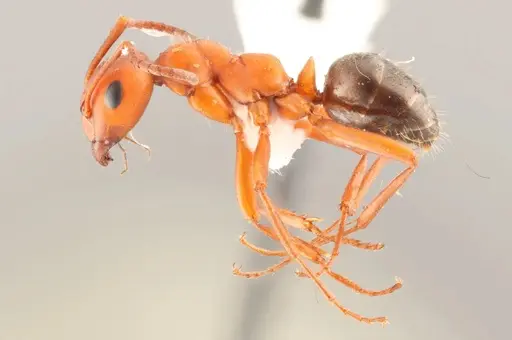
Formica gynocrates is a medium-sized ant in the Formica sanguinea group, known as a facultative slave-maker (dulotic). Workers are reddish-brown with darker abdomens. This species is native to the United States, found across much of the central and eastern regions including Indiana, Ohio, Michigan, Texas, Arizona, and Wyoming. Unlike obligate slave-makers, F. gynocrates can function without enslaving other ants but will raid colonies of F. vinculans to capture brood and integrate workers into their colony. They inhabit dry upland fields with sparse vegetation where they conduct raids even in high temperatures .
Quick Summary
- Difficulty: Medium
- Origin & Habitat: Native to the United States, found in dry upland fields across central and eastern regions. Prefers areas with sparse vegetation, patches of lichen, moss, and grass where host colonies (F. vinculans) are present [1].
- Colony Type: Facultatively dulotic, single queen colonies that may raid other ant colonies to enslave workers, but can survive without slaves
- Size & Growth:
- Queen: ~8-10mm, inferred from Formica genus
- Worker: ~5-7mm, inferred from Formica genus
- Colony: Colonies can grow substantially with both native and enslaved workers
- Growth: Moderate
- Development: ~6-8 weeks at optimal temperature, inferred from related Formica species (Development time is typical for temperate Formica species)
- Antkeeping:
- Temperature: Keep at 20-24°C. They are adapted to high temperatures and can tolerate warm conditions, raids occur when ground temperatures reach 35°C (95°F) [1]
- Humidity: Moderate humidity. Keep nest substrate slightly moist but not waterlogged.
- Diapause: Yes, requires winter hibernation period. Nuptial flights occur July-August, suggesting a seasonal cycle requiring winter rest [1].
- Nesting: Y-tong or plaster nests work well. Provide access to an outworld for raiding behavior. They need space to establish foraging trails.
- Behavior: Active foragers that conduct raids on host colonies (F. vinculans) between June and September. Workers are aggressive during raids but generally non-aggressive toward keepers. They can tolerate high ground temperatures (up to 35°C/95°F) during raids. Colonies frequently relocate, often moving to captured host nests. Escape risk is moderate, standard formicarium barriers are sufficient.
- Common Issues: colonies may fail if host species are not available, they are facultative so may struggle without appropriate hosts, frequent colony relocation can be disruptive, provide multiple connected spaces, hibernation is required for colony health, ensure proper winter cooling period, raiding behavior may stress colonies if hosts are unavailable or poorly managed, small colony fragments without queens will not establish
Understanding Slave-Making Behavior
Formica gynocrates is a facultative slave-making ant, meaning it can either raid other ant colonies to capture brood (which then emerge as enslaved workers) or function independently without slaves. This is different from obligate slave-makers that absolutely require enslaved workers to survive. In the wild, they primarily target F. vinculans colonies as their host species. During raids (which occur from mid-June through September), groups of F. gynocrates workers will leave the nest, search for host colonies using both visual exploration and scent trails, and when they find a nest, they may fight the defending workers before capturing pupae and larvae. These captured brood are carried back to the host nest and emerge as enslaved workers that integrate into the colony and perform normal tasks like foraging and nest maintenance. For antkeepers, this means you can keep F. gynocrates without providing hosts, but they may display more natural raiding behavior if host colonies are available [1].
Housing and Nest Setup
A Y-tong (AAC) nest or plaster formicarium works well for this species. Provide a spacious outworld area since they are active foragers and need room for trail formation. Because they are facultative slave-makers, you do not need to maintain separate host colonies, but some keepers report more active raiding behavior when F. vinculans or similar Formica species are available in adjacent setups. Use standard escape prevention, they are medium-sized ants and standard barriers like fluon are effective. Ensure the nest has a moisture chamber to maintain slight humidity. These ants tolerate higher temperatures well, so room temperature or slight warming is appropriate [1].
Feeding and Diet
Like other Formica species, F. gynocrates is omnivorous. They readily accept sugar sources (honey water, sugar water) and protein foods (insects, mealworms, crickets). Workers are active foragers and will collect both small and larger pieces of food, they are known to bring back larger insect pieces compared to their host species F. vinculans. Feed protein 2-3 times per week and provide constant access to sugar water. In captivity without host colonies to raid, ensure protein offerings are regular to support colony growth [1].
Seasonal Care and Hibernation
F. gynocrates follows a distinct seasonal pattern. Alates (reproductives) are produced in summer, with alate pupae present from early June and adult alates appearing from late June through mid-August. Nuptial flights occur from early July through mid-August, typically beginning when temperatures reach 23-24°C (74-75°F). Flights are sparse and typically last around 30 minutes. After flights, colonies require a winter hibernation period. Keep colonies cool (around 5-10°C) from late fall through early spring, roughly November through March depending on your location. Reduce feeding during hibernation and ensure the nest does not dry out completely [1].
Colony Dynamics and Relocation
One notable behavior of F. gynocrates is frequent colony relocation. Colonies may move to captured host nests, sometimes traveling considerable distances. One study documented a move 92 feet (28 meters) to a F. vinculans nest. Some colonies have been found in the same location for up to 10 years, but relocation is common. In captivity, this may manifest as workers exploring extensively or attempting to escape to new areas. Provide multiple connected spaces and ensure escape prevention is solid, especially during active summer months when raiding behavior peaks [1].
Report an Issue
The current care sheet is based fully on literature. See inconsistencies, or something that's incorrect? Please , it will be resolved after review from an admin. Contributing to the blogs tab also helps providing information, to make us be able to further improve the caresheets. Thank you for your support!
References

This caresheet is licensed under CC BY-SA 4.0 .
Community Blogs
CASENT0102796
View on AntWeb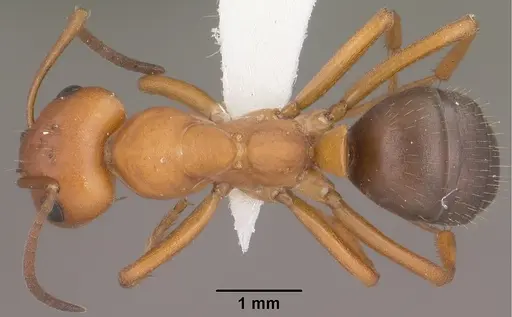
CASENT0280422
View on AntWeb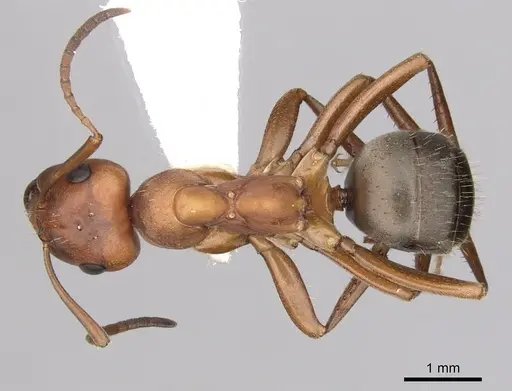
CASENT0903281
View on AntWeb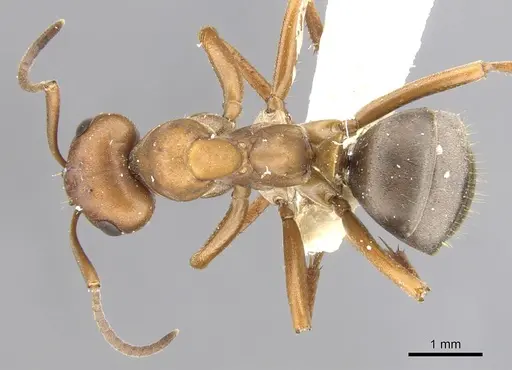
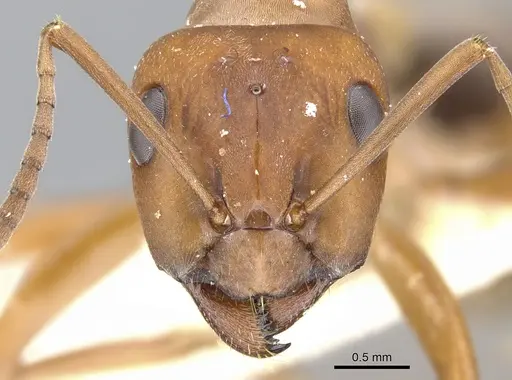
WRME532249
View on AntWeb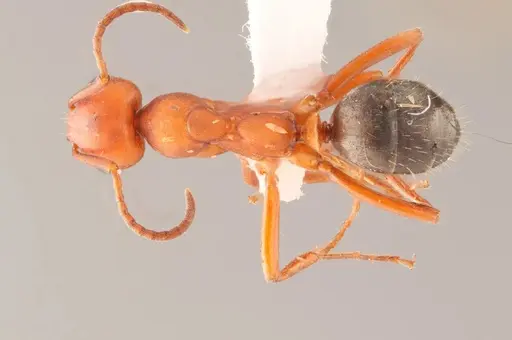
Literature
Loading distribution map...Loading products...