
Formica georgica
- Sci. Name
- Formica georgica
- Tribe
- Formicini
- Subfamily
- Formicinae
- Author
- Seifert, 2002
- Distribution
- Found in 4 countries
Introduction
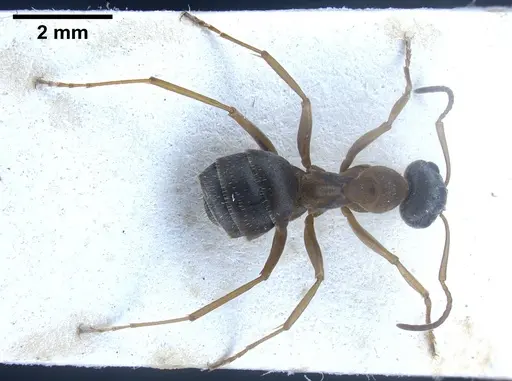
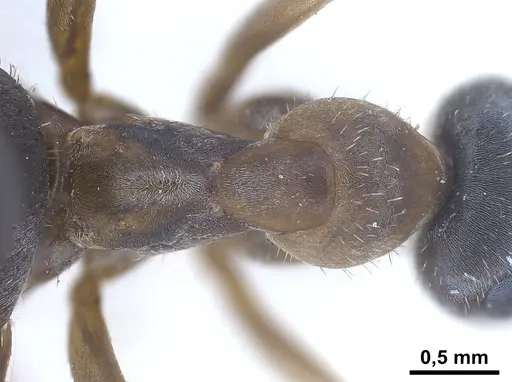
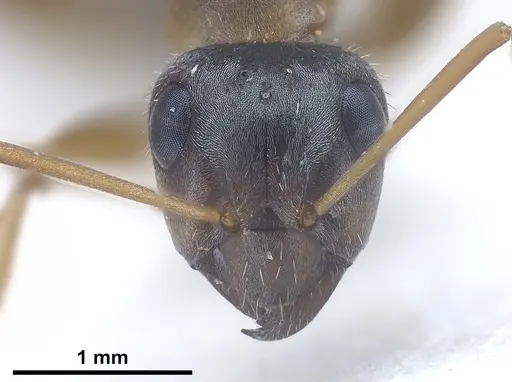
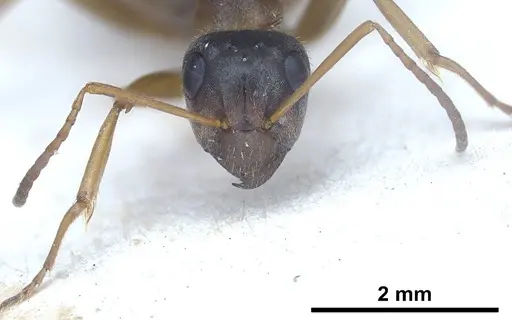
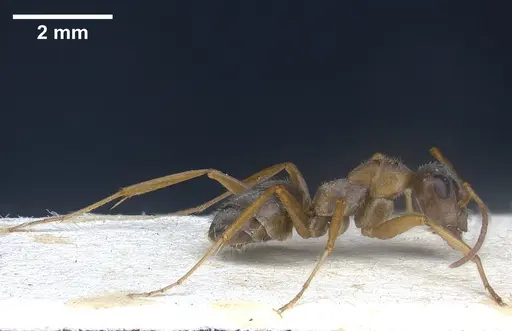
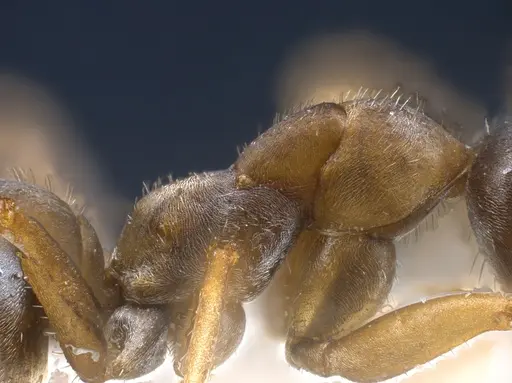
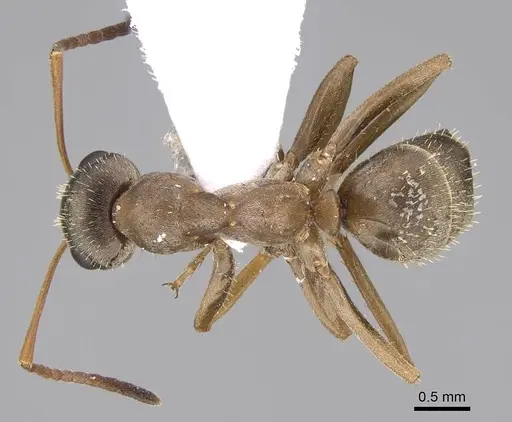
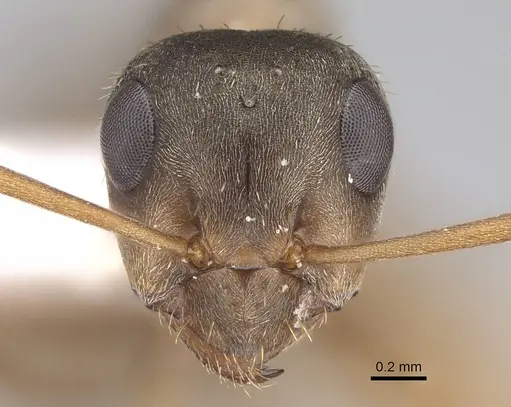
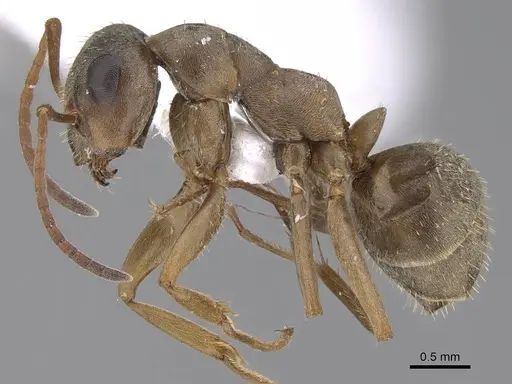
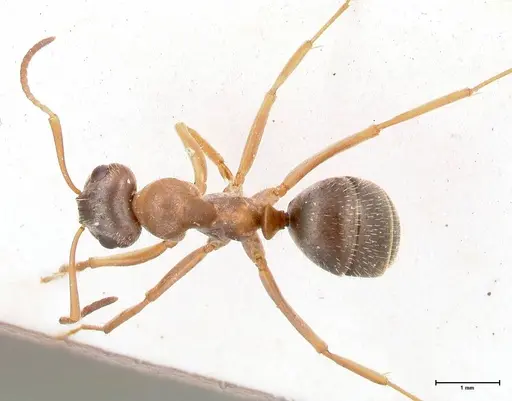
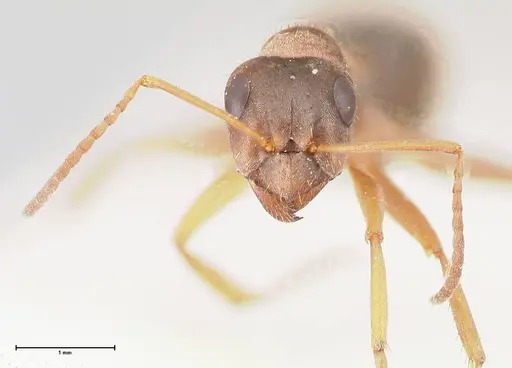
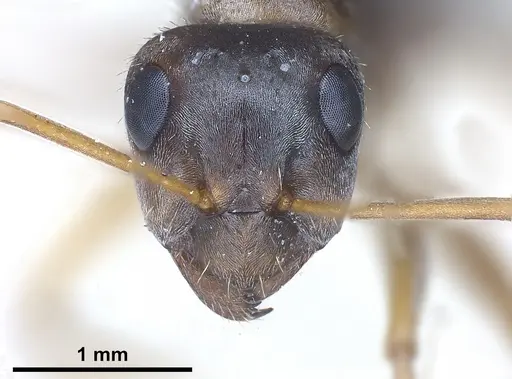
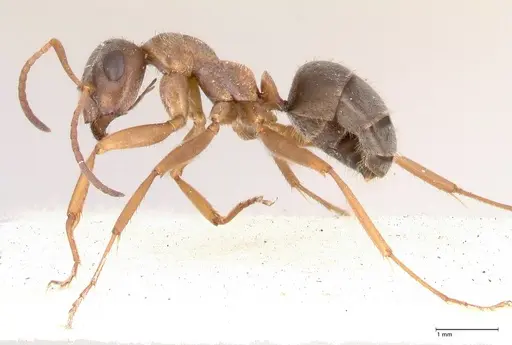
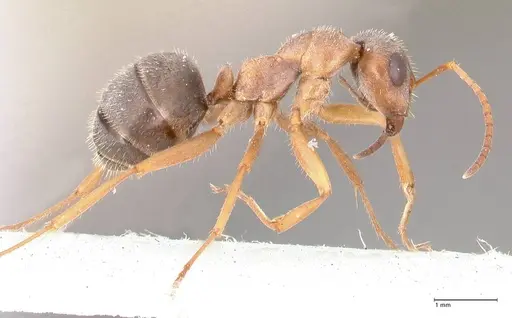
Formica georgica is a medium-sized ant belonging to the Formica cinerea group, native to the Caucasus region. Workers are among the largest in the cinerea group with a hairy body covered in silvery pubescence. They show significant color variation - some specimens are light reddish-brown while others are nearly black. This species inhabits river banks, meadows, and roadsides across Georgia, Azerbaijan, and Turkey, typically at elevations from near sea level to over 2000 meters. They prefer open habitats with sandy or gravel substrates near water sources, though they also penetrate mesophilic meadows where they compete with other Formica species. The species was formally described by Seifert in 2002 and is distinguished from the closely related Formica cinerea by having more setae on various body parts.
Quick Summary
- Difficulty: Medium
- Origin & Habitat: Caucasus region (Georgia, Azerbaijan, Turkey), found along river banks, meadows, and roadsides at elevations from near sea level to over 2000m [1][2][3][4][5]
- Colony Type: Colony structure has not been specifically documented for this species
- Size & Growth:
- Queen: ~9-12mm, inferred from Formica genus patterns
- Worker: ~5-7mm, inferred from Formica genus patterns
- Colony: Colony size data unavailable for this species
- Growth: Moderate, typical for temperate Formica species
- Development: Development time is unconfirmed for this species (Specific development data for F. georgica is unavailable)
- Antkeeping:
- Temperature: Keep at room temperature (18-24°C) with a slight gradient. They naturally occur in temperate mountain regions, so they tolerate cooler conditions than tropical ants.
- Humidity: Moderate humidity. They inhabit river banks and meadows, so they prefer some moisture but not wet conditions. Provide a water tube and keep nesting area moderately humid.
- Diapause: Yes, required winter hibernation. Given their native range in the Caucasus with cold winters, colonies need a winter rest period at 5-10°C for 3-4 months.
- Nesting: Y-tong (AAC) or plaster nests work well. They naturally nest in soil and under stones in open areas. Provide sand or soil substrate in a portion of the nest for digging opportunities.
- Behavior: Generally calm and non-aggressive compared to some Formica species. Workers are active foragers that search for honeydew, insects, and sweet liquids. They are not particularly aggressive defenders but will spray formic acid when threatened. Escape risk is moderate, use standard barrier methods but they are not known escape artists. Workers are moderately large and visible, making them easy to observe.
- Common Issues: colonies may fail if not given proper hibernation, they need cold winter rest, wild-caught colonies may have parasites that kill them in captivity, queen loss during founding is common, provide quiet, dark conditions, overheating is a risk, avoid temperatures above 28°C, specific colony data is limited, monitor your colony closely for problems
Housing and Nest Setup
Formica georgica adapts well to various captive setups. Y-tong (acrylic ant castle) nests work excellently, the smooth walls prevent escape and allow good visibility. Plaster nests with water reservoirs maintain appropriate humidity. You can also use naturalistic setups with a soil chamber where they can dig. Provide a connected outworld (foraging area) where you offer food. Use a deep water tube as a humidity source, they will drink from it directly. For substrate, add some sand or soil mix in part of the nest so they can modify their chambers if they choose to. These ants do not require elaborate escape prevention like tiny species, but standard barriers (Fluon on rim edges) still help. [5]
Feeding and Diet
Like most Formica species, F. georgica is omnivorous with a preference for protein foods. Offer small insects (fruit flies, small crickets, mealworms) as a primary protein source 2-3 times per week. They also readily accept sugar water, honey, or diluted maple syrup, place a drop on a small platform in the outworld. In nature, they forage for honeydew from aphids and tend aphids on plants, so providing plant-based sugar sources mimics their natural diet. Fresh fruit pieces (especially melon or grapes) are also accepted. Remove uneaten protein foods within 24 hours to prevent mold. A constant sugar source is recommended once workers are established.
Temperature and Seasonal Care
Keep your colony at room temperature (18-24°C) with a gentle gradient if possible. They naturally occur in temperate climates at moderate to high elevations, so they handle cooler temperatures better than tropical species. A small area heated slightly (around 24-26°C) allows the colony to choose its preferred temperature. Critical: these ants require hibernation. In autumn, as temperatures drop naturally, reduce heating and move the colony to a cold location (5-10°C) for 3-4 months. A garage, basement, or refrigerator (if no food is present) works for winter storage. During hibernation, keep them dark and undisturbed. Do not feed during hibernation. Resume normal temperatures in spring when you see increased activity. [5]
Behavior and Colony Dynamics
Formica georgica workers are active foragers that readily explore their environment. They establish clear foraging routes and can be observed carrying prey back to the nest. Unlike some aggressive Formica species, they are relatively calm and focus on foraging rather than territorial defense. Colonies grow moderately, expect the first workers to emerge several weeks after the queen lays eggs, though this timeline varies with temperature. Once established, colonies can grow over several years. Queens are long-lived and can produce eggs for many seasons. Workers live several months, with new workers continuously replacing those that die. The colony becomes more active and visible as it grows, with workers readily emerging to forage when food is introduced.
Frequently Asked Questions
How long does it take for Formica georgica to raise first workers?
Specific development time is unconfirmed for this species. For related Formica species, expect first workers to emerge in 6-10 weeks at temperatures around 20-24°C. The exact timing depends on temperature, warmer conditions slightly accelerate development, while cooler temperatures slow it down.
Do Formica georgica ants need hibernation?
Yes, they require a winter hibernation period. These ants are native to the Caucasus region with cold winters, so they need 3-4 months at 5-10°C each year. Without proper hibernation, colonies will weaken and may not survive long-term. Reduce temperatures gradually in autumn and resume normal care in spring.
What do Formica georgica ants eat?
They are omnivorous. Offer small insects (fruit flies, small crickets, mealworms) as protein 2-3 times weekly. They also accept sugar water, honey, or maple syrup as an energy source. Place sugar directly in the outworld on a small platform. Remove uneaten protein within 24 hours.
Are Formica georgica good for beginners?
They are moderate difficulty, easier than some exotic tropical species but requiring attention to hibernation. They are larger and more visible than tiny ants, making them easier to observe. The main challenges are providing proper winter hibernation and ensuring the queen has quiet, dark conditions during founding.
How big do Formica georgica colonies get?
Specific colony size data is unavailable for this species. Related Formica species in the cinerea group typically reach several thousand workers over 3-5 years. Growth rate is moderate, not as fast as some tropical species, but steady once established.
When should I move my Formica georgica colony to a formicarium?
Keep newly caught or young colonies in a test tube setup for the first few months. Move to a larger nest (Y-tong, plaster, or naturalistic) once the colony reaches 20-30 workers or when the test tube becomes crowded. Make sure the new nest has appropriate humidity and a connection to an outworld.
Can I keep multiple Formica georgica queens together?
This has not been documented for this specific species. Most Formica in the cinerea group are believed to be single-queen species. It is not recommended to combine unrelated queens, as they are likely to fight. If you catch a founding queen, house her alone in a quiet, dark location until workers emerge.
What temperature range is best for Formica georgica?
Keep them at 18-24°C room temperature. They can tolerate slightly cooler conditions (down to 15°C) and will avoid areas that are too warm. Avoid temperatures above 28°C, as this can stress or kill the colony. A slight temperature gradient allows workers to choose their preferred spot.
Why is my Formica georgica colony dying?
Common causes include: lack of proper hibernation (they need cold winter rest), queen death during founding (provide quiet, dark conditions), parasites from wild-caught colonies, overheating, or mold from overwatering. Check that temperatures are appropriate, humidity is moderate, and hibernation was provided in autumn/winter.
Report an Issue
The current care sheet is based fully on literature. See inconsistencies, or something that's incorrect? Please , it will be resolved after review from an admin. Contributing to the blogs tab also helps providing information, to make us be able to further improve the caresheets. Thank you for your support!
References

This caresheet is licensed under CC BY-SA 4.0 .
Community Blogs
Literature
Loading distribution map...Loading products...