
Formica foreli
- Sci. Name
- Formica foreli
- Tribe
- Formicini
- Subfamily
- Formicinae
- Author
- Bondroit, 1918
- Distribution
- Found in 10 countries
Introduction
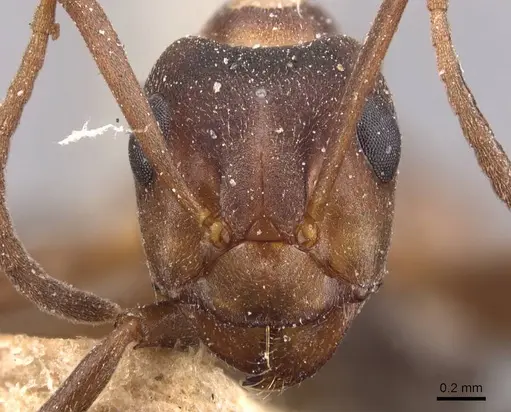
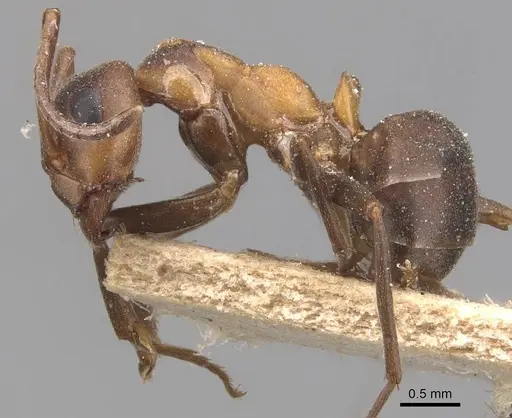
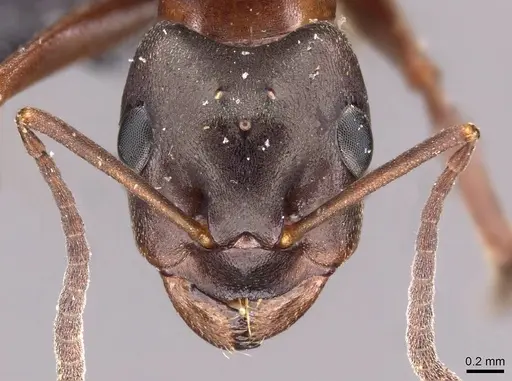
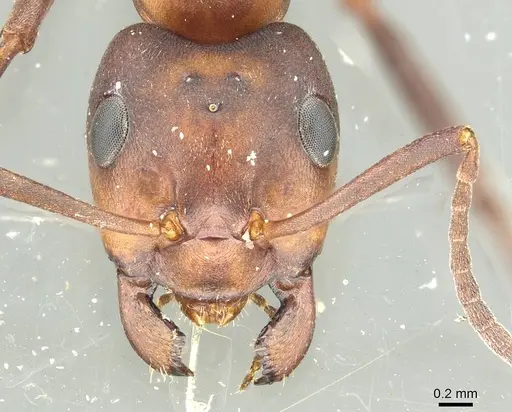
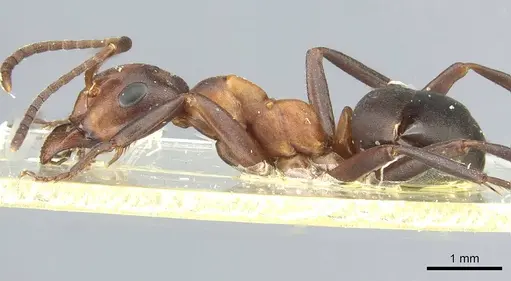
Formica foreli is a small to medium-sized ant from the Coptoformica subgenus, known for building distinctive dome-shaped nests from grass fragments and plant debris. Workers are 4.5-7mm long with a bicolored body – the posterior head and abdomen are brown, while the rest is brownish-red with a dark spot on the thorax . This is one of the most endangered ant species in Europe, with highly fragmented populations from northern Spain to the Caucasus, including isolated relict populations in northern Germany, Denmark, and southern Sweden . They live in open, warm, dry grasslands on sandy or limestone soils, usually between 550-2200m elevation . What makes F. foreli stand out is its polygynous, polycalic colony structure – supercolonies can contain hundreds of interconnected nests, with the largest known reaching over 2500 nests across 6.24 hectares .
Quick Summary
- Difficulty: Expert
- Origin & Habitat: Western Palaearctic (northern Spain, Italy, Anatolia, Caucasus, Alps, Central Europe). Found in open oligotrophic and xerothermous grasslands on sandy or limestone soils [2][4].
- Colony Type: Polygynous (multiple queens) and polycalic (multiple interconnected nests). Colonies can have dozens to hundreds of nests, documented supercolonies exceed 2500 nests. Founding is through temporary social parasitism using host species like Formica fusca, F. cunicularia, or F. rufibarbis [7][4].
- Size & Growth:
- Queen: Size data unavailable, queens are significantly larger than workers [2].
- Worker: 4.5-7mm [1]
- Colony: Extremely large – supercolonies can have 100-2500+ nests. The largest known colony at Altwarp (Germany) comprises 2550 nests across 6.24 ha [5].
- Growth: Moderate
- Development: 6-10 weeks (estimated based on typical Formica development at optimal temperature) (Direct development data unavailable, estimated from genus-level patterns. Queens invade host colonies, not independent founding.)
- Antkeeping:
- Temperature: Maintain 20-24°C with a warm, dry
Report an Issue
The current care sheet is based fully on literature. See inconsistencies, or something that's incorrect? Please , it will be resolved after review from an admin. Contributing to the blogs tab also helps providing information, to make us be able to further improve the caresheets. Thank you for your support!
References

This caresheet is licensed under CC BY-SA 4.0 .
Community Blogs
CASENT0173871
View on AntWeb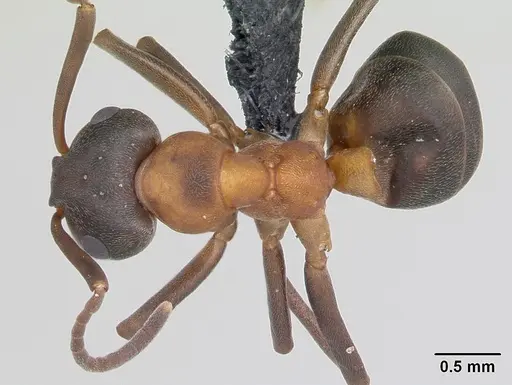
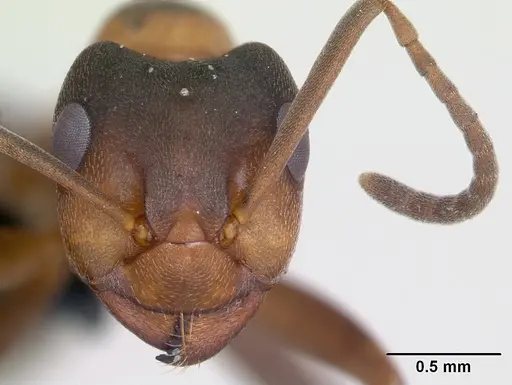
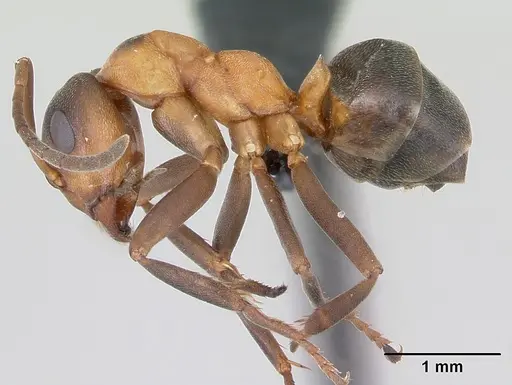
CASENT0905704
View on AntWeb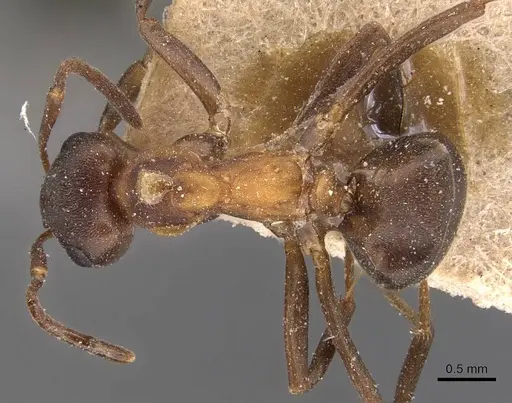
CASENT0907580
View on AntWeb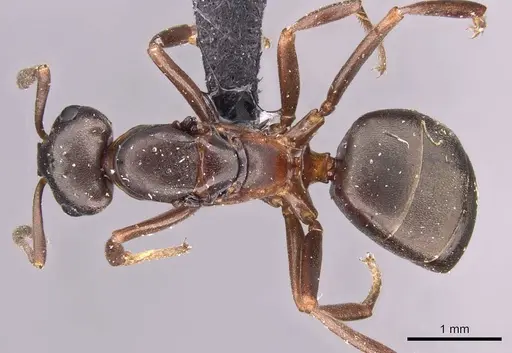
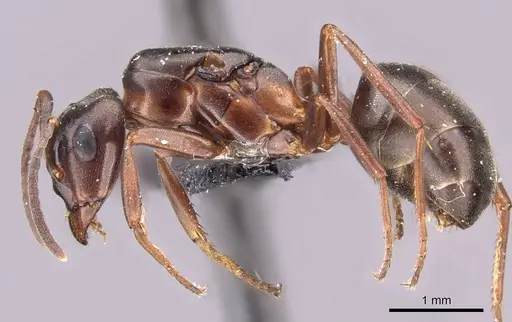
CASENT0912244
View on AntWeb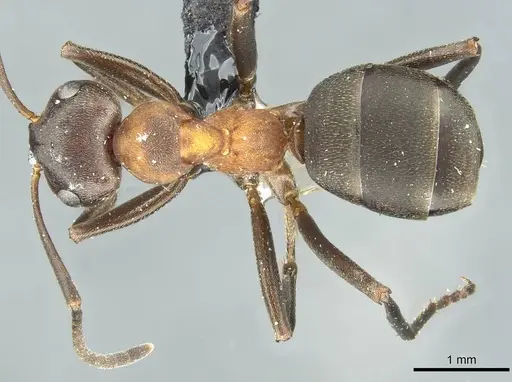
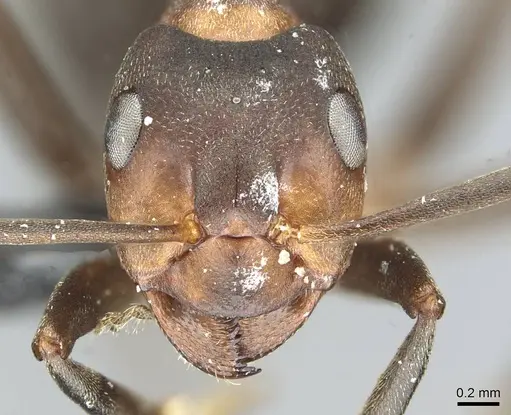
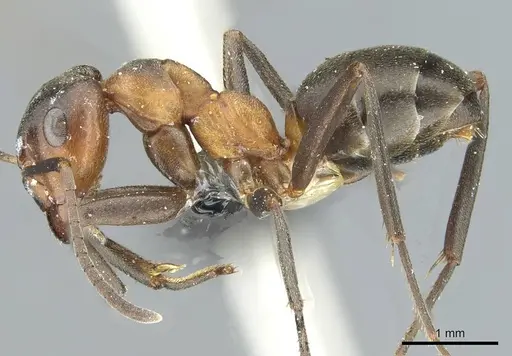
CASENT0912245
View on AntWeb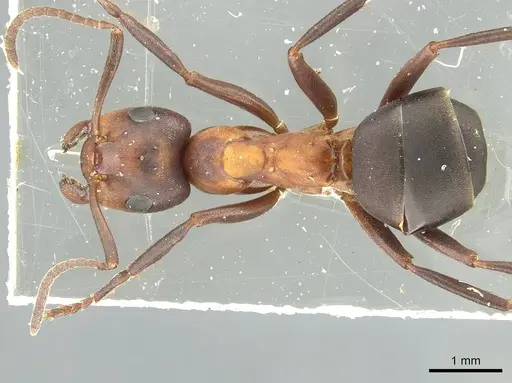
Literature
Loading distribution map...Loading products...