
Hairy Mound Ant
Formica ciliata
- Sci. Name
- Formica ciliata
- Tribe
- Formicini
- Subfamily
- Formicinae
- Author
- Mayr, 1886
- Common Name
- Hairy Mound Ant
- Distribution
- Found in 1 countries
Introduction
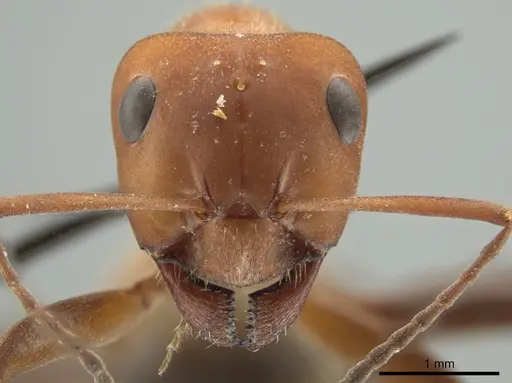
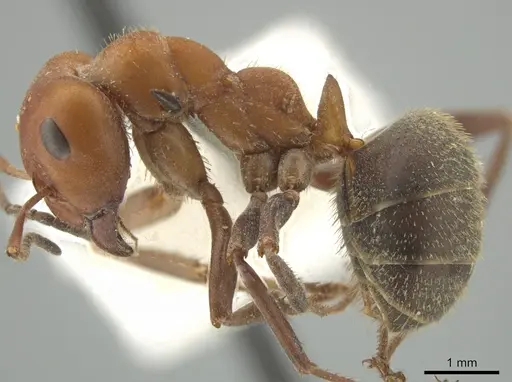
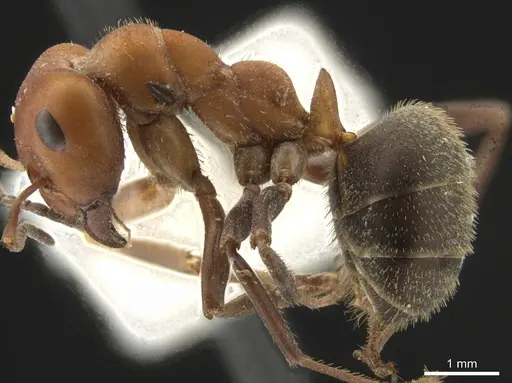
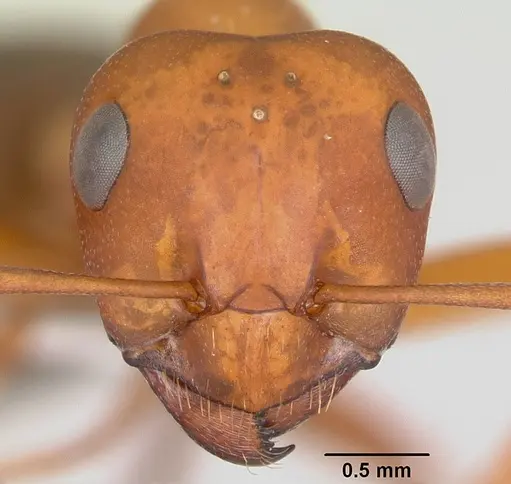
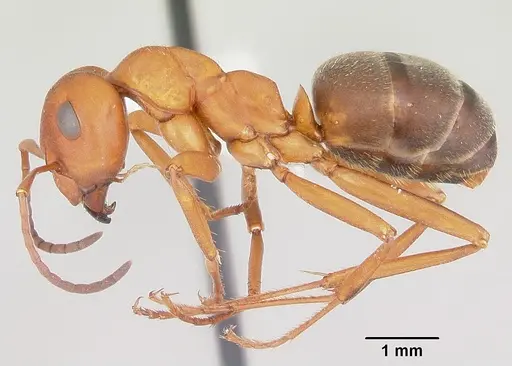
Formica ciliata is a medium-sized ant native to western North America, ranging from Montana east to Minnesota and south to Arizona, Nevada, Utah, and New Mexico. Workers have relatively few erect hairs concentrated on the head, middle body, and abdomen, giving them a sleeker look than many related Formica species. The most striking feature is the queen, who is covered in long, curled yellow hairs - a characteristic that marks this species as a temporary social parasite. In the wild, these ants build small mounds thatched with pinyon pine needles and juniper needles, though some nests lack thatching entirely and are simply covered with pebbles. Colonies are polydomous, maintaining multiple nest sites spaced 4-5 meters apart. This species is a temporary social parasite of Formica cinerea lepida - the queen invades a host colony, kills the host queen, and uses the host workers to raise her first brood before her own workers take over [AntWiki].
Quick Summary
- Difficulty: Medium
- Origin & Habitat: Western North America, found from Montana east to Minnesota, south to Arizona, Nevada, Utah, and New Mexico. They inhabit sagebrush, grasslands, pinyon-juniper woodland, and deciduous forests up to ponderosa pine elevation. Nests are typically on south-facing slopes in areas with well-drained soil [3].
- Colony Type: Temporary social parasite, queens invade host colonies of Formica lepida, kill the host queen, and use host workers to raise the first brood. Colonies are polydomous with multiple nest sites spaced 4-5 meters apart [1][3].
- Size & Growth:
- Queen: size data unavailable
- Worker: ~5-7mm, inferred from related Formica species
- Colony: Unknown maximum, polydomous colonies can be substantial
- Growth: Moderate
- Development: Unknown, development occurs during summer months with brood found in nests in August (Reproductives occur in nests in July and August)
- Antkeeping:
- Temperature: Keep at room temperature around 20-24°C. They naturally occur in temperate climates with warm summers, so a gentle heat gradient in the nest area is beneficial.
- Humidity: Moderate humidity around 50-60%. These ants prefer drier conditions than many Formica species, their natural habitats include sagebrush and pinyon-juniper woodland which are relatively dry. Provide a water tube but avoid overly damp nests.
- Diapause: Yes, these ants require a winter hibernation period. In their native range, temperatures drop significantly in winter. Reduce temperature to 5-10°C for 3-4 months during winter, mimicking natural seasonal cycles.
- Nesting: Naturalistic setups work well, they build thatched mounds in the wild using pinyon pine needles, juniper needles, or pebbles. A setup with soil, small stones, and plant material mimics their natural nests. Y-tong or soil nests are also suitable. They prefer well-drained nesting areas. Nests are typically on south-facing slopes.
- Behavior: Workers are moderately active and form well-defined foraging trails. They are not particularly aggressive but will defend the nest if threatened. As a temporary social parasite, the founding queen must be introduced to a host colony, this is the most challenging aspect of keeping this species. Escape risk is moderate due to their medium size, standard barrier methods work well. Workers can spray formic acid as a defense.
- Common Issues: finding a host colony, Formica lepida is required for colony founding, and establishing this host-parasite relationship is challenging, queen rejection, the parasitic queen may be rejected by host colonies if not introduced properly, polydomous nature means they may try to establish secondary nests outside the main enclosure, winter mortality if hibernation conditions are not properly provided, slow initial growth during the parasitic founding phase while the host colony raises the first brood
Understanding the Parasitic Lifestyle
Formica ciliata is a temporary social parasite, meaning its queens cannot found colonies alone like most ants. Instead, a newly mated queen must find and invade a colony of her host species, Formica lepida. Upon entering the host nest, she kills the host queen, and the host workers are forced to care for her eggs and larvae because they are now queenless. Once the first workers of the parasitic species emerge, they gradually replace the host workers, and the colony becomes self-sustaining. This parasitic relationship makes F. ciliata more difficult to keep than typical ants, you either need to obtain an already-established colony or successfully introduce a queen to a host colony. The distinctive long, curled yellow hairs on the queen are a morphological adaptation that helps her mimic the host colony's chemical signature and gain acceptance [1][2].
Housing and Nest Setup
These ants do well in naturalistic formicariums that mimic their natural mound-building behavior. A setup with a soil base, small pebbles, and organic material like pine needles allows them to construct their characteristic thatched mounds. The nesting area should be well-drained, these ants prefer drier conditions than many Formica species. You can also use Y-tong nests with soil chambers, which provide good humidity control while allowing the ants to dig and arrange their nest as they would in the wild. Because they are polydomous (maintaining multiple connected nests), consider providing multiple potential nest sites within the enclosure. A test tube setup can work for founding colonies, but they will need to be moved to a larger setup as the colony grows. Escape prevention is straightforward, these are medium-sized ants that cannot squeeze through standard barriers. Nests are typically found on south-facing slopes in the wild [3].
Feeding and Diet
Like other Formica species, F. ciliata is omnivorous and will accept a variety of foods. Their diet in the wild includes honeydew from aphids, small insects, and nectar. In captivity, offer sugar water or honey as a constant energy source, and protein sources like small crickets, mealworms, or other insects 2-3 times per week. They are not specialized predators, so any appropriately-sized prey items work well. During the parasitic founding phase, the host colony provides all nutrition, once established, your colony will forage actively and maintain clear trails to food sources. Remove uneaten prey after 24-48 hours to prevent mold issues. Fresh water should always be available. [3]
Seasonal Care and Hibernation
As a temperate species from northern latitudes, Formica ciliata requires a proper winter hibernation period. In the wild, colonies slow down significantly during cold months and resume activity in spring. To keep your colony healthy, reduce temperatures to 5-10°C for 3-4 months during winter, this can be done in a garage, basement, or refrigerator designed for ant hibernation. Reduce feeding during this period and ensure the nest remains slightly moist but not wet. Do not feed during deep hibernation. Bring the colony back to room temperature gradually in spring. Colonies that do not receive proper hibernation may have weakened individuals and reduced longevity. The reproductive cycle aligns with this, alates are produced in summer, with reproductives found in nests from July to August and dealate females collected in August [3].
Colony Dynamics and Polydomy
One of the most interesting aspects of Formica ciliata is their polydomous colony structure. In the wild, individual colonies maintain multiple nest sites spaced 4-5 meters apart, with the nests connected by foraging trails. This means a single colony can occupy a larger area than most ant species. In captivity, this behavior may manifest as the colony establishing secondary nests or satellite chambers within their enclosure. You may notice workers moving brood between different nest areas, this is normal. Some colonies may have adjacent nests that appear to compete, as one study documented two adjacent nests fighting. Understanding this behavior helps you provide adequate space and multiple suitable nesting areas as the colony grows [3].
Frequently Asked Questions
How do I start a Formica ciliata colony?
Starting a colony is challenging because F. ciliata is a temporary social parasite. You cannot simply keep a founding queen in a test tube, she needs a host colony of Formica lepida. The best approach is to obtain an already-established colony that has survived the parasitic transition. If you find a dealate queen in the wild, you would need to introduce her to a host colony and hope for acceptance, which is difficult and often unsuccessful. Most keepers obtain established colonies from reputable suppliers.
What do Formica ciliata ants eat?
They are omnivorous like most Formica ants. Offer sugar water or honey as a constant energy source, and protein like small crickets, mealworms, or other insects 2-3 times per week. They will also collect honeydew from aphids if available. Remove uneaten prey after a day or two to prevent mold.
What temperature do Formica ciliata ants need?
Keep them at room temperature around 20-24°C. They are a temperate species that naturally experiences warm summers. A gentle heat gradient in the nest area is beneficial, but avoid overheating. Room temperature is usually adequate for established colonies.
Do Formica ciliata ants need hibernation?
Yes, they require a winter hibernation period. Reduce temperatures to 5-10°C for 3-4 months during winter. This mimics their natural seasonal cycle in western North America and is essential for colony health and longevity. Do not feed during deep hibernation.
How big do Formica ciliata colonies get?
Colony size is not precisely documented. As a polydomous species with multiple nest sites, mature colonies can become substantial but exact maximum size is unknown.
Are Formica ciliata good for beginners?
No, this species is not recommended for beginners. The requirement for a host colony (Formica lepida) to establish a new colony makes them significantly more difficult than typical ants. The parasitic founding process is challenging to replicate in captivity. If you're interested in Formica ants, start with easier species like Formica rufa or Formica polyctena.
What is the host species for Formica ciliata?
Formica ciliata is a temporary social parasite of Formica lepida. The queen must invade a colony of this host species, kill the host queen, and use the host workers to raise her first brood. This specific host requirement is why keeping F. ciliata is more difficult than most ant species.
When do Formica ciliata alates appear?
Reproductives are produced in summer. Brood has been found in nests in August, and reproductives occur in nests in July and August. Dealate females have been collected in August, suggesting nuptial flights occur during this period.
How do I set up a hibernation setup for Formica ciliata?
For winter hibernation, reduce the temperature to 5-10°C for 3-4 months. This can be done in a cold garage, basement, or by placing the colony in a refrigerator designed for ant hibernation. Keep the nest slightly moist but not wet. Do not feed during hibernation. Gradually warm the colony back to room temperature in spring.
Report an Issue
The current care sheet is based fully on literature. See inconsistencies, or something that's incorrect? Please , it will be resolved after review from an admin. Contributing to the blogs tab also helps providing information, to make us be able to further improve the caresheets. Thank you for your support!
References

This caresheet is licensed under CC BY-SA 4.0 .
Community Blogs
BYUC089258
View on AntWeb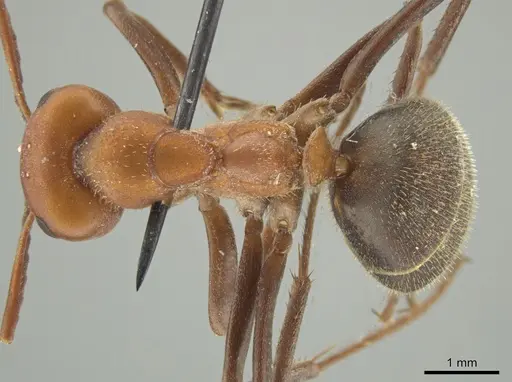
CASENT0104876
View on AntWeb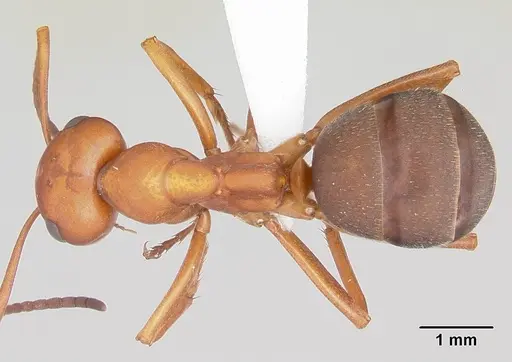
Literature
Loading distribution map...Loading products...