
Euponera sjostedti
- Sci. Name
- Euponera sjostedti
- Tribe
- Ponerini
- Subfamily
- Ponerinae
- Author
- Mayr, 1896
- Distribution
- Found in 2 countries
Introduction
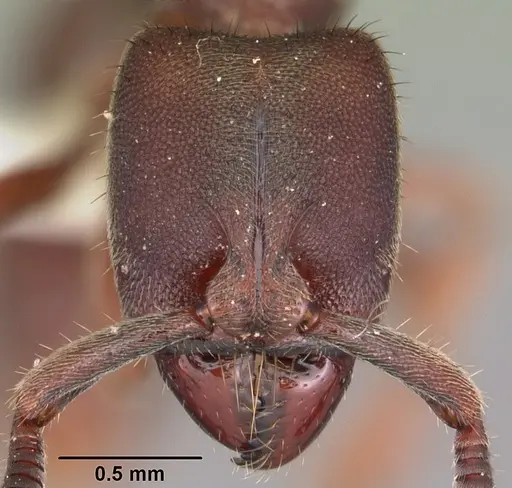
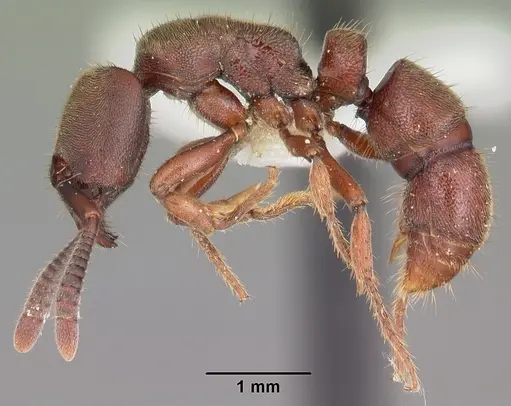
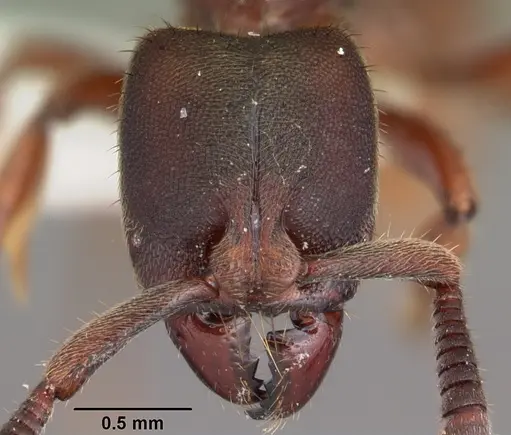
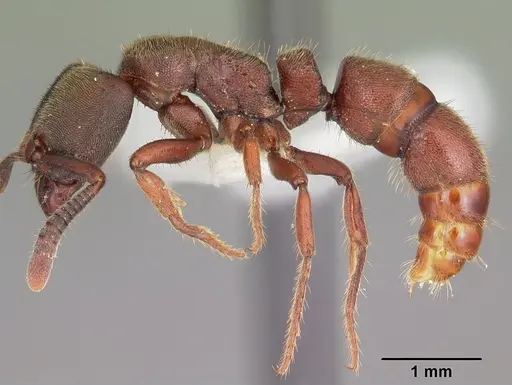
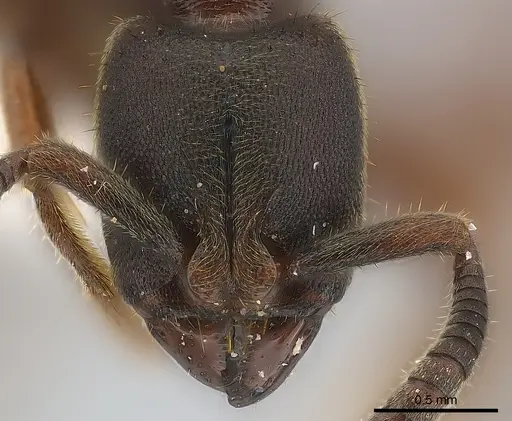
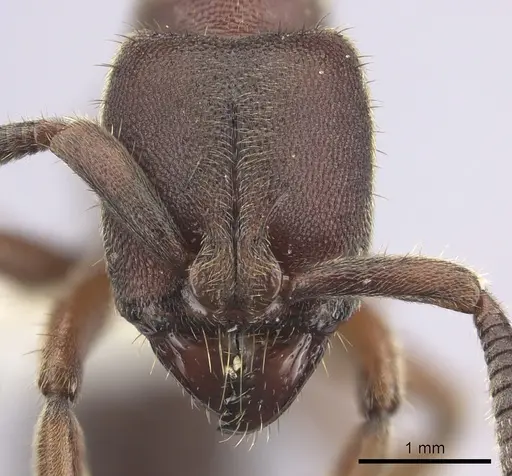
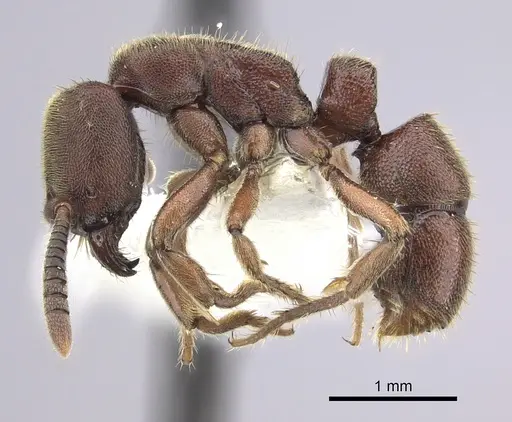
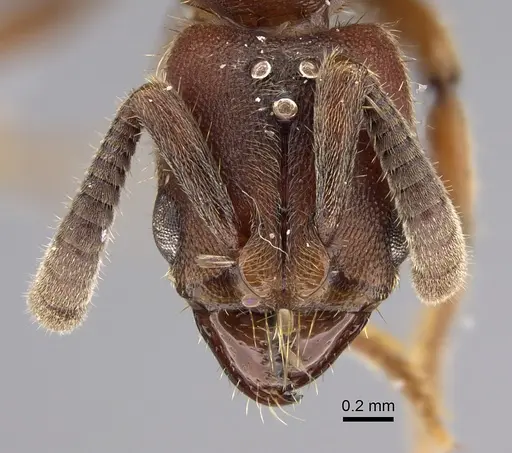
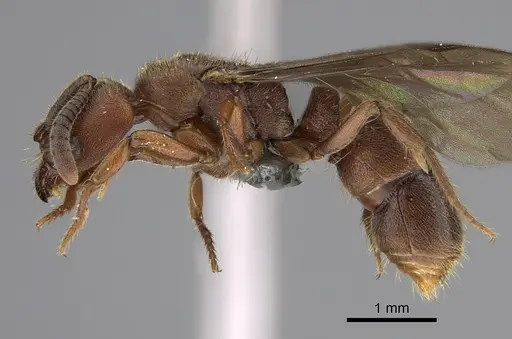
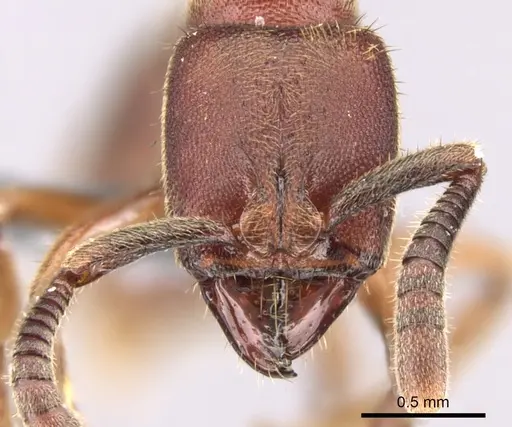
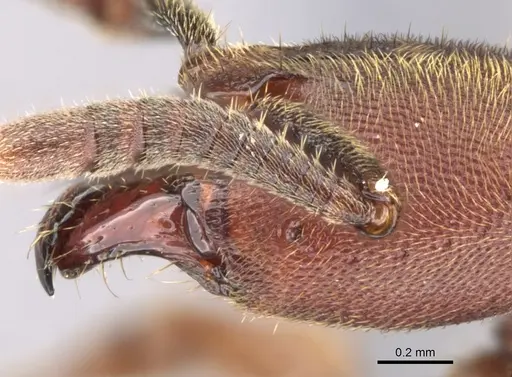
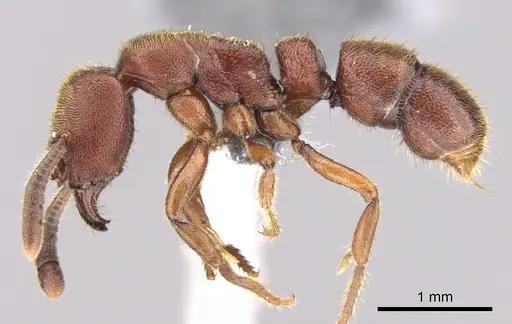
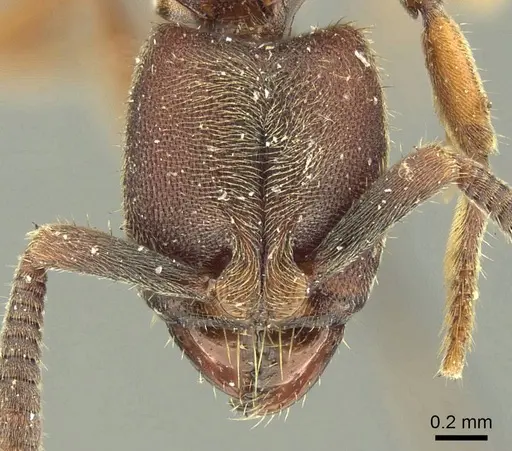
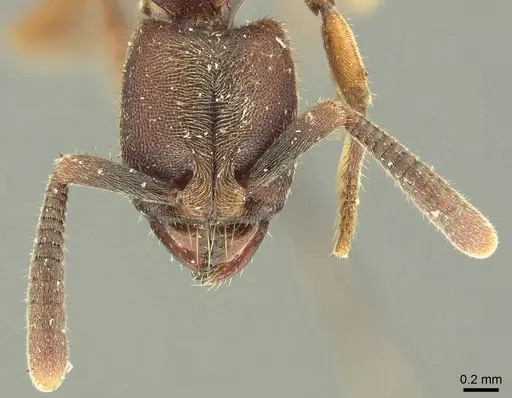
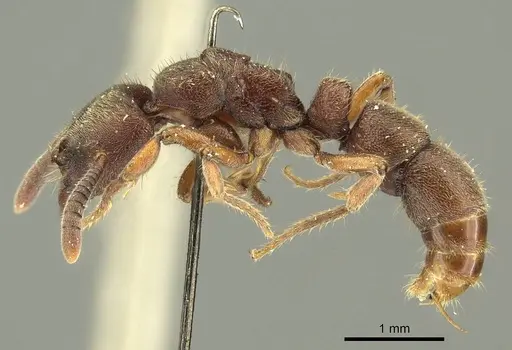
Euponera sjostedti is a predatory ant native to the Afrotropical region. It is found across central and east Africa, including Cameroon, Democratic Republic of Congo, Kenya, Nigeria, Uganda, and Tanzania . Workers are robust with dark coloration. This species has vestigial eyes, which suggests a cryptic, leaf-litter lifestyle, and a reduced palp formula of 2,2 (a key trait that places it in the genus Euponera) . As a member of the subfamily Ponerinae, they have a potent sting used to paralyze prey. They were originally described from Cameroon in 1896 and have been moved between genera several times, most recently into Euponera .
Quick Summary
- Difficulty: Medium
- Origin & Habitat: Afrotropical region, found in Cameroon, Democratic Republic of Congo, Kenya, Nigeria, Uganda, and Tanzania. In Gabon, they have been collected at elevations from 110m to 640m in forested areas, suggesting they prefer humid forest floor habitats with leaf litter [4][1].
- Colony Type: Colony structure is unknown. Based on typical Ponerinae patterns, they are likely monogyne (single queen), but this has not been confirmed.
- Size & Growth:
- Queen: Size data unavailable. No published measurements for queens.
- Worker: No published measurements. Workers are described as robust, but specific sizes are not given in the literature.
- Colony: Up to 500 workers estimated from typical Ponerinae colony sizes, but direct data is lacking.
- Growth: Moderate
- Development: Estimated 6-10 weeks based on similar Ponerinae species (direct data unavailable). (Development is temperature-dependent, warmer conditions accelerate growth.)
- Antkeeping:
- Temperature: 24-28°C based on their tropical origin. Provide a gentle gradient with a heating cable on one side of the nest.
- Humidity: Keep the nest substrate consistently moist but not waterlogged. These ants come from humid forest floor habitats, so aim for a damp, aerated substrate.
- Diapause: Minimal or no true diapause due to tropical origin. A slight temperature reduction to 20-22°C during the cool season may be natural but is not required. Avoid prolonged exposure below 20°C.
- Nesting: In nature, they likely nest in leaf litter, soil, or rotting wood [4]. In captivity, use a soil or Ytong nest with moist substrate. Provide leaf litter and hiding spots like flat stones or bark.
- Behavior: Euponera sjostedti are predatory ants that hunt small invertebrates. They have a potent sting and will defend the nest if provoked. They are not aggressive toward humans but should be handled with caution. Because they have vestigial eyes, they rely heavily on their antennae and vibration detection, they are not strong climbers. Escape prevention should focus on small gaps (workers are moderately sized, roughly 5-7mm based on keeper observations).
- Common Issues: limited specific care data means keepers must observe and adjust based on general Ponerinae guidelines., high humidity needs can lead to mold if ventilation is poor, balance moisture with airflow., consistent live prey is essential, a lack of protein will stunt colony growth and cause decline., development is slower than common species like Lasius, which may try the patience of beginners., wild-caught colonies may carry mites or other parasites that can harm the colony.
Housing and Nest Setup
Mimic their forest floor habitat. Use a naturalistic setup with a soil-sand mixture as substrate, kept consistently moist. Provide leaf litter, flat stones, and pieces of bark for cover. A Ytong or plaster nest with moist chambers works well. Because they have vestigial eyes [2], they do not require complete darkness, but avoid bright, direct light. The outworld should include a damp soil area for foraging. Ensure ventilation to prevent mold while maintaining high moisture.
Feeding and Diet
As a ponerine, they are primarily predatory. Offer live prey like fruit flies, small crickets, and mealworms. Prey should be roughly the same size as the ants or smaller. Feed protein 2-3 times per week, adjusting as the colony grows. They may accept sugar sources occasionally, but protein is essential. Remove uneaten prey after a day to prevent mold. Provide a shallow water dish.
Temperature and Seasonal Care
Maintain a stable 24-28°C, consistent with their tropical origin [4]. Use a heating cable on one side to create a thermal gradient so workers can regulate. Avoid drops below 20°C. During winter, a slight reduction to 20-22°C is acceptable but not necessary. High humidity is critical, monitor substrate moisture and rehydrate when needed. Avoid placing the setup near HVAC vents that could dry it out.
Handling and Safety
Euponera sjostedti has a potent sting, typical of Ponerinae. While not among the most dangerous, it can be painful. Work gently to avoid provoking defensive behavior. Transfer colonies using test tubes or containers instead of direct handling. Keep escape barriers in place when opening the setup. If stung, wash with soap and water and apply a cold compress. Seek medical attention if an allergic reaction occurs.
Colony Establishment and Growth
Starting from a wild-caught queen is the most reliable method. Since founding type is unconfirmed, provide a quiet, dark test tube setup with moist cotton. Do not disturb the queen during founding. First workers (nanitics) are expected within 6-10 weeks based on similar species. Growth is moderate, expect colonies to reach several dozen workers in the first year. Patience is key, they reward consistent care with a long-lived colony.
Frequently Asked Questions
How long does it take for Euponera sjostedti to produce first workers?
Based on similar Ponerinae, first workers appear in roughly 6-10 weeks under optimal conditions (24-28°C, high humidity). Specific data for this species is not available.
What do Euponera sjostedti eat?
They are predators that need live protein prey. Offer small insects like fruit flies, small crickets, and mealworms. Feed 2-3 times per week. Sugar is occasionally accepted but not required.
Are Euponera sjostedti good for beginners?
They are rated medium difficulty. Their need for high humidity, warm temperatures, and live prey makes them less forgiving than beginner-friendly species like Lasius niger. Some experience with antkeeping is recommended.
What temperature do Euponera sjostedti need?
Keep them at 24-28°C. Their tropical origin means they need consistent warmth. A heating cable on one side of the nest creates a useful thermal gradient. Avoid temperatures below 20°C for extended periods.
How big do Euponera sjostedti colonies get?
Direct data is lacking, but most Ponerinae colonies reach up to a few hundred workers. An estimate of up to 500 workers seems reasonable, though they may stay smaller in captivity.
Do Euponera sjostedti need hibernation?
No true hibernation is required because they come from the tropics. A slight drop to 20-22°C during winter is fine but not necessary. Prolonged cold below 18°C should be avoided.
Can I keep multiple Euponera sjostedti queens together?
Colony structure is unconfirmed. Ponerinae are usually monogyne (single queen), so combining unrelated queens is not recommended unless pleometrosis is documented for this species. Without evidence, assume they should be kept separately.
What humidity level do Euponera sjostedti require?
They need high humidity. Keep the nest substrate consistently damp but not waterlogged. Their natural forest floor habitat is humid, so aim for a moist, well-aerated environment rather than a specific percentage.
Where is Euponera sjostedti found in the wild?
They are found in Cameroon, Democratic Republic of Congo, Kenya, Nigeria, Uganda, and Tanzania [1]. They live in humid forests at elevations from 110m to 640m, typically in leaf litter microhabitats [4].
Report an Issue
The current care sheet is based fully on literature. See inconsistencies, or something that's incorrect? Please , it will be resolved after review from an admin. Contributing to the blogs tab also helps providing information, to make us be able to further improve the caresheets. Thank you for your support!
References

This caresheet is licensed under CC BY-SA 4.0 .
Community Blogs
CASENT0102999
View on AntWeb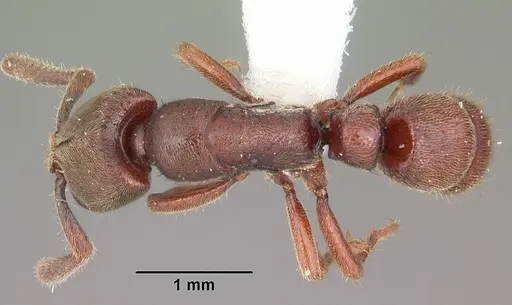
CASENT0104155
View on AntWeb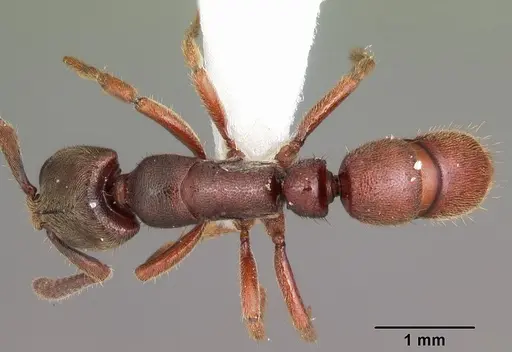
CASENT0217142
View on AntWeb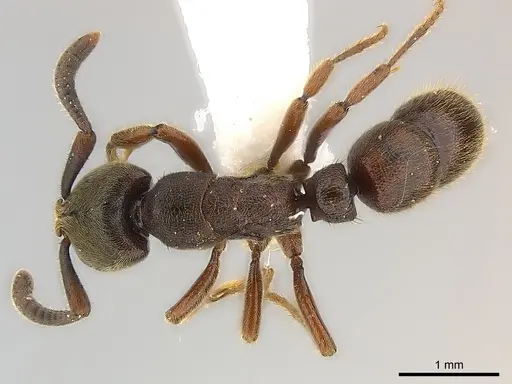
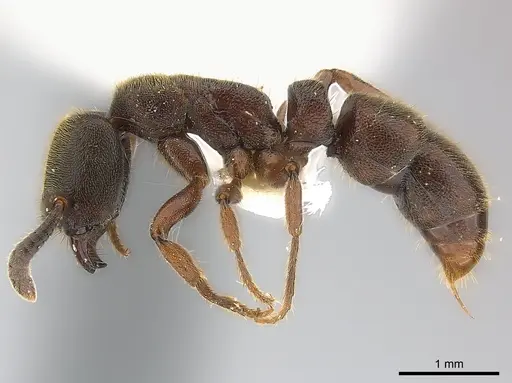
CASENT0235601
View on AntWeb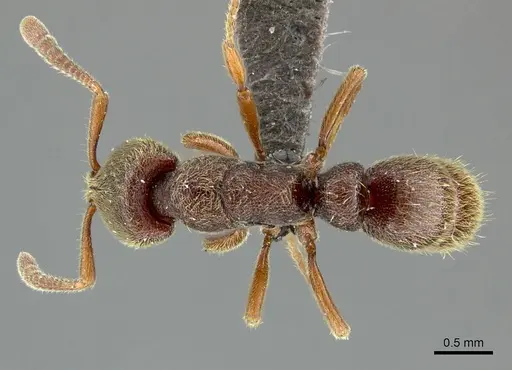
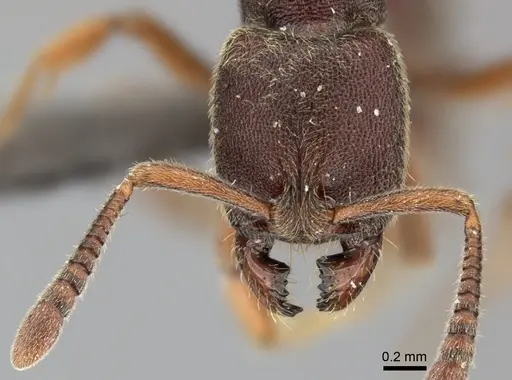
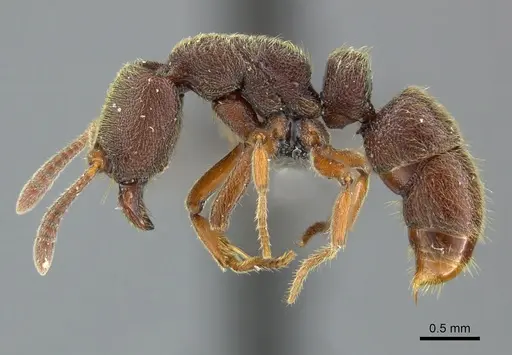
CASENT0249206
View on AntWeb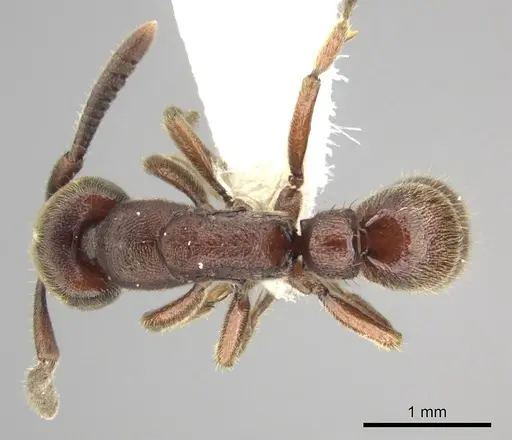
CASENT0286677
View on AntWeb
CASENT0296396
View on AntWeb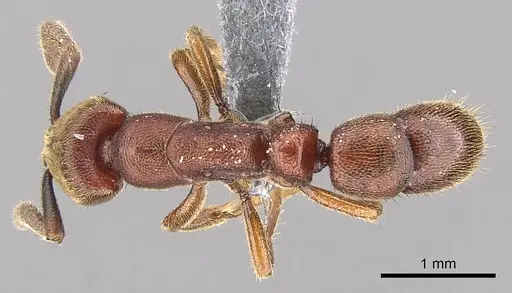
CASENT0872801
View on AntWeb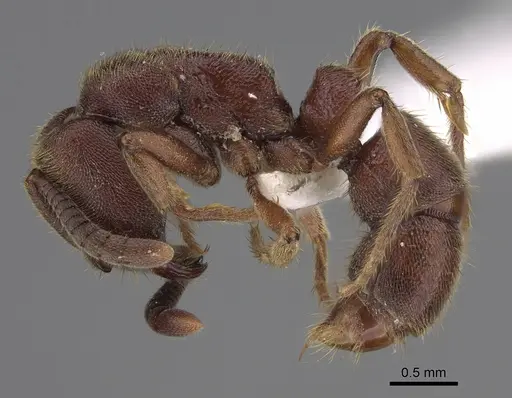
CASENT0882091
View on AntWeb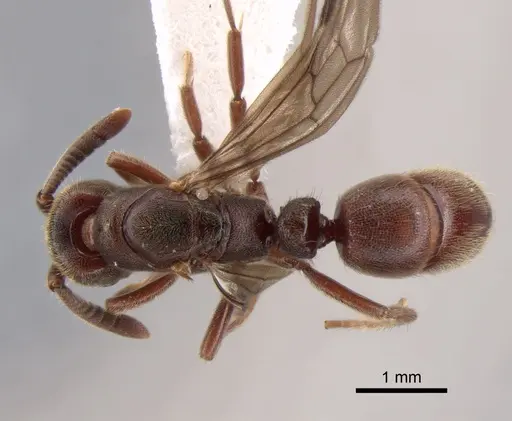
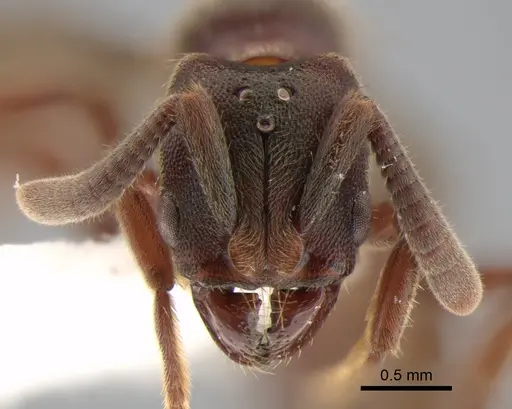
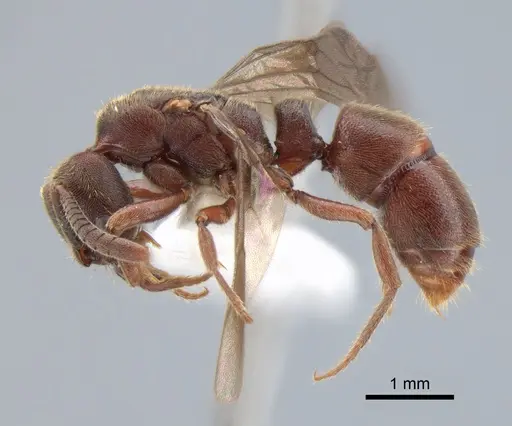
CASENT0915670
View on AntWeb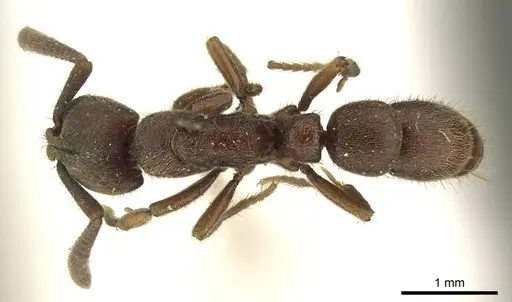
Literature
Loading distribution map...Loading products...