
Ectatomma vizottoi
- Sci. Name
- Ectatomma vizottoi
- Tribe
- Ectatommini
- Subfamily
- Ectatomminae
- Author
- Almeida Filho, 1987
- Distribution
- Found in 1 countries
Introduction
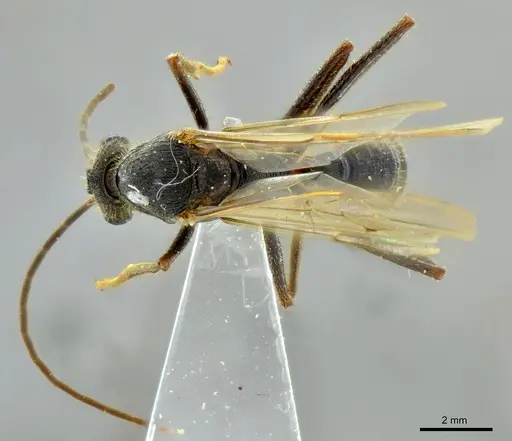
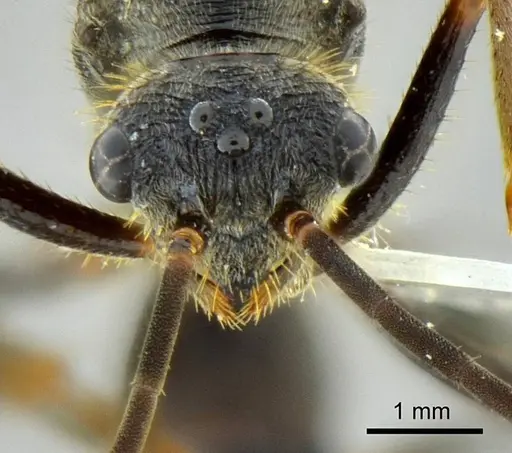
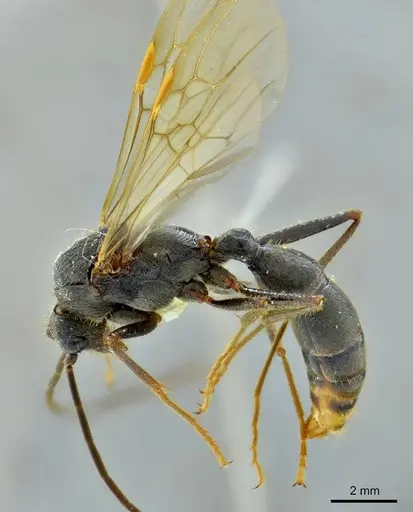
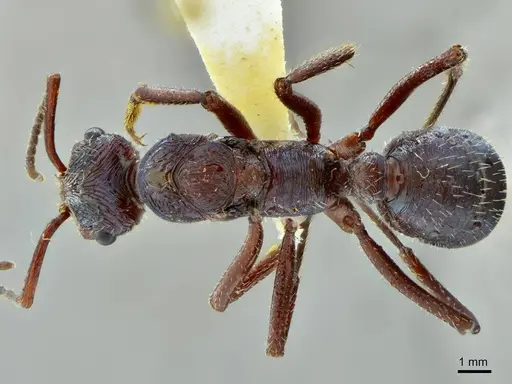
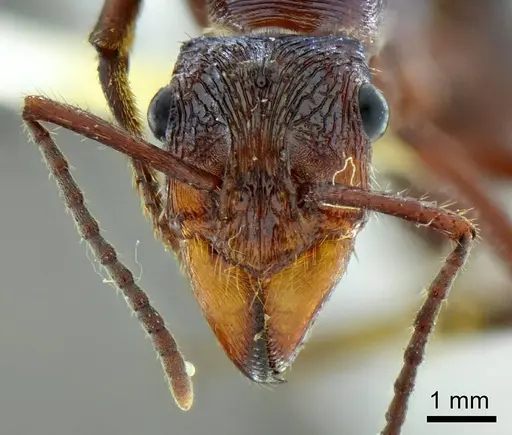
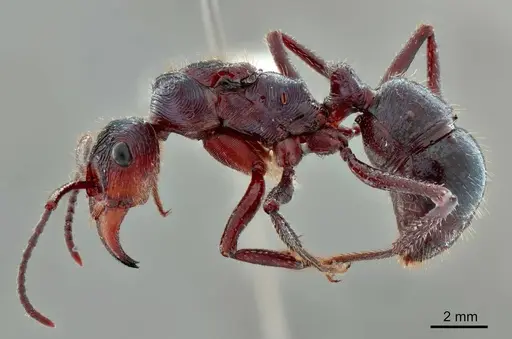
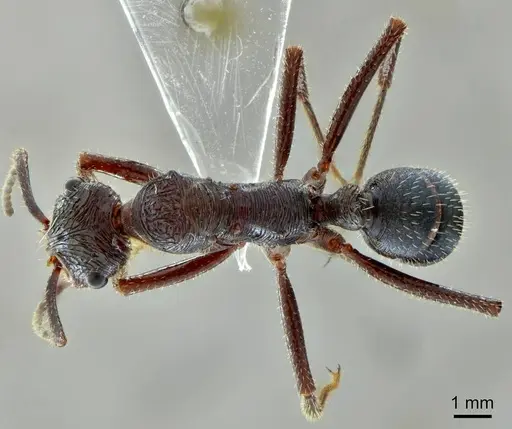
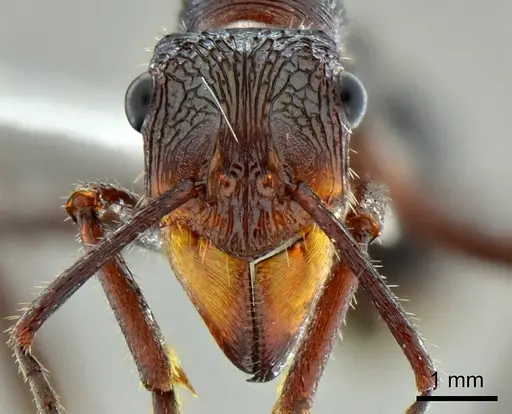
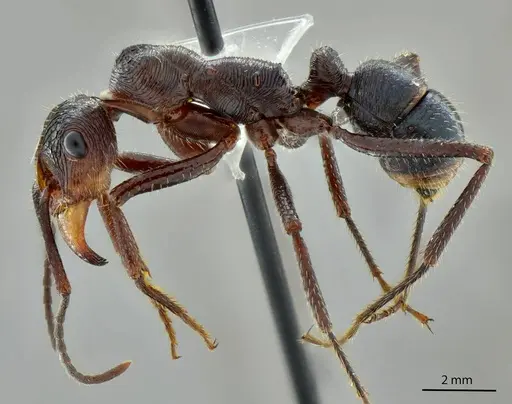
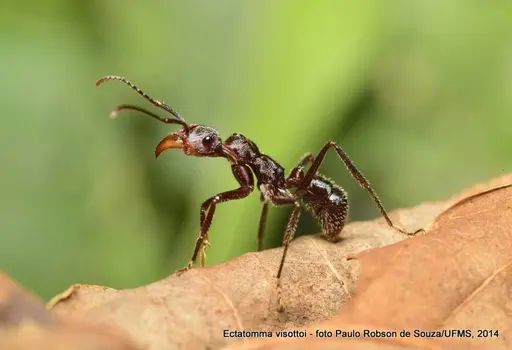
Ectatomma vizottoi is a Neotropical ant species native to Brazil, specifically found in the Mato Grosso do Sul region. Workers and queens have a distinctive yellow-brown body with a rust-colored gaster (abdomen). This species builds remarkably deep underground nests reaching 62-360 cm below the surface, with 3-10 chambers connected by vertical tunnels . Colonies are polygynous, meaning they have multiple queens - studies found 1 to 10 queens per colony . What makes E. vizottoi fascinating is its specialized predatory lifestyle - over 64% of its diet consists of other ant species, particularly Camponotus and Pheidole . Workers forage individually rather than in groups, hunting primarily during cooler parts of the day (early morning and late afternoon) .
Quick Summary
- Difficulty: Medium
- Origin & Habitat: Native to Brazil, specifically the Mato Grosso do Sul region including Dourados (22°13′16″S, 54°48′20″W) and Serra da Bodoquena. Found in both native forest and eucalyptus plantation areas, with more occurrences in native forest (43) than plantations (8) [3][4]. This is a ground-nesting species that builds deep subterranean nests.
- Colony Type: Polygynous colonies with 1-10 queens documented per colony [1]. Mean colony size is approximately 95 workers, though colonies with 60-90 workers are also reported [1][5]. This means multiple queens can coexist in a single nest.
- Size & Growth:
- Queen: size data unavailable, the research provides mesosome length (7.08 mm) and head length (3.09 mm) but not total body length [6]
- Worker: size data unavailable, the research provides mesosome length (5.17 mm) and head length (2.20 mm) but not total body length [6]
- Colony: Colonies reach around 60-95 workers on average [1][5]
- Growth: Moderate, development from egg to adult has been studied with three larval instars documented [6]
- Development: Workers begin foraging outside the nest at approximately 95 days old [5]. Total development time is not explicitly measured in the literature. (Eggs are elongated and dark brown (1.36 mm), larvae go through three instars with distinct growth rates, pupae develop in silk cocoons [6]. Workers begin foraging outside the nest at around 95 days old [5].)
- Antkeeping:
- Temperature: Keep between 24-28°C. Foraging stops below 14°C, and they are most active below 32°C [2]. Avoid temperatures above 32°C as foraging efficiency drops significantly.
- Humidity: Moderate to high, they prefer humid conditions. Their native habitat in Mato Grosso do Sul experiences tropical climate with distinct wet and dry seasons. Keep nest substrate consistently moist but not waterlogged.
- Diapause: No, this is a tropical species from Brazil with no diapause requirement. Keep them at warm temperatures (24-28°C) year-round [2].
- Nesting: This species requires deep nesting space. In the wild, nests reach 62-360 cm deep with 3-10 chambers [1]. For captivity, provide a deep soil-based setup or custom deep formicarium. They do not build chimney-like structures at entrances [1].
- Behavior: Ectatomma vizottoi is a specialized predator that hunts other ants. Workers forage alone rather than recruiting nestmates [2]. They are most active during early morning (07:00-09:30) and late afternoon (15:00-18:30), with increased activity at nightfall [2]. This species shows temporal polyethism, young workers tend brood while older workers focus on colony defense and maintenance [5]. Workers have a relatively long lifespan averaging 212 days, with high mortality (46.6%) occurring in the first 53 days [5]. Escape risk is moderate, they are medium-sized ants but active foragers.
- Common Issues: deep nesting requirement, insufficient nest depth can stress colonies, specialized diet, they primarily hunt other ants, requiring live ant prey or equivalent protein sources, temperature sensitivity, foraging stops below 14°C and decreases above 32°C, high early mortality, nearly half of workers die in first 53 days, which is normal but can be alarming, polygynous structure, multiple queens may cause initial tension when establishing colonies
Housing and Nest Setup
Ectatomma vizottoi requires deep nesting space unlike many common ant species. In the wild, their nests reach 62-360 cm deep with 3-10 chambers [1]. For captivity, provide a deep soil-based formicarium or construct a custom deep setup of at least 30-40 cm depth. The nest should have multiple chambers connected by tunnels, as they naturally build antechambers and brood chambers at different depths [1]. Chamber shapes in the wild are rectangular, hexagonal with two lobes, or irregular, you can replicate this with multiple connected chambers. Unlike some Ectatomma species, they do not build chimney-like structures at the entrance [1]. The nest tunnels have compacted soil with a waterproofing secretion from salivary glands [1]. The outworld should include hiding spots and a water source. Use escape prevention appropriate for medium-sized ants.
Feeding and Diet
This is a specialized predatory ant with a strong preference for other ant species. In the wild, 64.5% of their diet consists of other ants, primarily Camponotus (45.65%) and Pheidole (12.32%) [2]. They also hunt other arthropods including flies, bugs, termites, moths, beetles, and spiders [2]. For captive colonies, you should primarily offer live ant prey (like small Camponotus or Pheidole workers) or equivalent live protein sources. They forage individually and do not recruit nestmates [2], so place prey where foragers can find it. Their foraging efficiency is higher in the rainy season (11.36%) compared to dry season (7.02%) [2], which may indicate better acceptance of food during humid conditions. Unlike some ants, they do not heavily rely on sugar sources, their diet is predominantly predatory.
Temperature and Environmental Control
Temperature is the most critical environmental factor for this species. Foraging activity completely stops below 14°C, and the number of active foragers drops significantly above 32°C [2]. Keep the nest at 24-28°C for optimal activity. They show negative correlation with temperature (R = -0.7527) and positive correlation with humidity (R = 0.6888) [2]. This means they prefer warm but not hot conditions with good moisture. Since they are most active during early morning and late afternoon, you might simulate natural light cycles. As a tropical species from Brazil, they do not require hibernation or diapause. However, expect reduced activity during any cool periods.
Colony Structure and Social Organization
Ectatomma vizottoi is polygynous, meaning colonies naturally have multiple queens. Studies found 1-10 queens per colony [1]. This is different from many ant species that have single queens. The average colony contains around 60-95 workers [1][5], which is relatively small compared to many common ant species. Colonies show temporal polyethism, young workers (first 95 days) primarily tend brood and groom, while older workers focus on colony defense and maintenance [5]. Worker lifespan averages 212 days, with maximum around 423 days [5]. Be aware that nearly half of all workers die in their first 53 days, this high early mortality is normal for this species [5].
Growth and Development
The development of E. vizottoi has been carefully studied. Eggs are elongated and dark brown to nearly black, measuring about 1.36 mm in length [6]. Larvae go through three distinct instars: first instar cephalic capsule ~0.20mm, second ~0.28mm, third ~0.38mm [6]. Growth rate between instars averages 1.387 mm [6]. Pupae develop inside light-brown silk cocoons, measuring about 9.45 mm in length [6]. Workers begin performing outside-nest activities at approximately 95 days old [5]. The colony growth rate is moderate, expect gradual expansion rather than rapid explosion.
Foraging Behavior
Workers forage individually rather than in groups, with no recruitment behavior observed [2]. They are diurnal with peak activity in early morning (07:00-09:30) and late afternoon (15:00-18:30), increasing again at nightfall [2]. This crepuscular pattern means you are most likely to see foragers during these times. They are efficient predators, prey items are always found intact even when larger than the forager [2]. Since they hunt alone, ensure prey is available and accessible in the outworld. The foraging efficiency varies seasonally, being higher in rainy conditions [2].
Frequently Asked Questions
How long does it take for Ectatomma vizottoi to produce first workers?
Workers begin foraging outside the nest at approximately 95 days old [5]. Total development time from egg to worker is not explicitly measured in the literature, but you can expect first foragers around 3-4 months under optimal conditions.
Can I keep multiple Ectatomma vizottoi queens together?
Yes, this species is naturally polygynous and colonies commonly have multiple queens (1-10 documented) [1]. Unlike many ant species, they tolerate multiple egg-laying queens in the same nest.
What do Ectatomma vizottoi ants eat?
They are specialized predators that primarily hunt other ant species. About 65% of their diet is other ants, especially Camponotus and Pheidole [2]. Feed live ant prey, small insects, or equivalent protein sources. They are not heavy sugar feeders.
Do Ectatomma vizottoi ants need hibernation?
No, this is a tropical Brazilian species with no diapause requirement. Keep them at warm temperatures (24-28°C) year-round. Activity may reduce during cool periods but they do not need a winter rest period.
How deep should the nest be for Ectatomma vizottoi?
Very deep, in the wild, nests reach 62-360 cm [1]. For captivity, provide at least 30-40 cm of depth with multiple chambers. This is one of the most important housing requirements for this species.
Are Ectatomma vizottoi good for beginners?
This is a medium-difficulty species. They require deep nesting space, a specialized predatory diet (live ant prey), and precise temperature control (no foraging below 14°C, reduced above 32°C) [2]. Not recommended as a first ant but manageable for intermediate antkeepers.
Why are my Ectatomma vizottoi workers dying young?
High early mortality is normal for this species, 46.6% of workers die in their first 53 days [5]. This is a documented part of their life cycle, not necessarily a problem. Ensure proper temperature (24-28°C), humidity, and adequate prey.
What temperature range does Ectatomma vizottoi need?
Keep between 24-28°C. Foraging stops completely below 14°C and decreases significantly above 32°C [2]. Temperature is the most limiting factor for their activity, they are most efficient foragers in the 14-32°C range.
How big do Ectatomma vizottoi colonies get?
Colonies are relatively small, typically reaching 60-95 workers [1][5]. This is modest compared to many common ant species. They are polygynous so multiple queens contribute to colony population.
When are Ectatomma vizottoi most active?
They are crepuscular, with peak foraging in early morning (07:00-09:30) and late afternoon (15:00-18:30), increasing again at nightfall [2]. You are most likely to see foraging activity during these times.
Report an Issue
The current care sheet is based fully on literature. See inconsistencies, or something that's incorrect? Please , it will be resolved after review from an admin. Contributing to the blogs tab also helps providing information, to make us be able to further improve the caresheets. Thank you for your support!
References

This caresheet is licensed under CC BY-SA 4.0 .
Community Blogs
Literature
Loading distribution map...Loading products...