
Ectatomma goninion
- Sci. Name
- Ectatomma goninion
- Tribe
- Ectatommini
- Subfamily
- Ectatomminae
- Author
- Kugler & Brown, 1982
- Distribution
- Found in 2 countries
Introduction
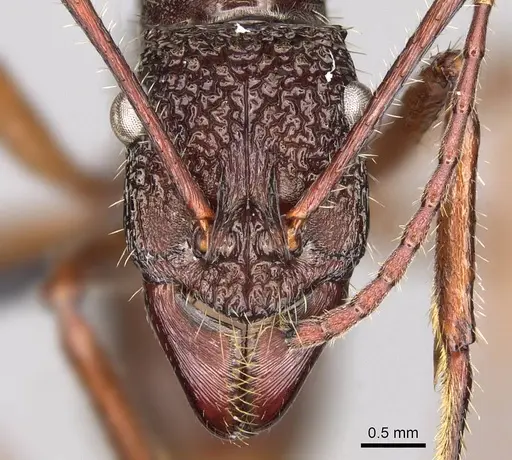
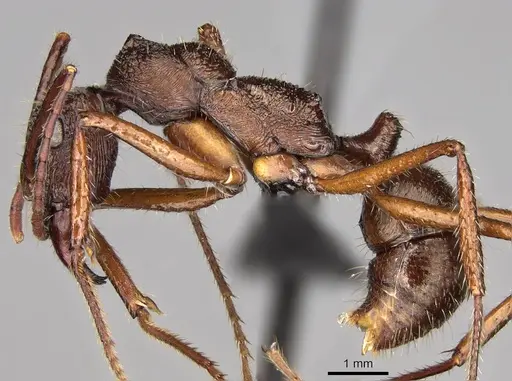
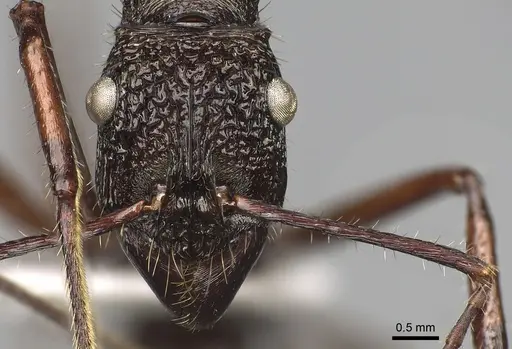
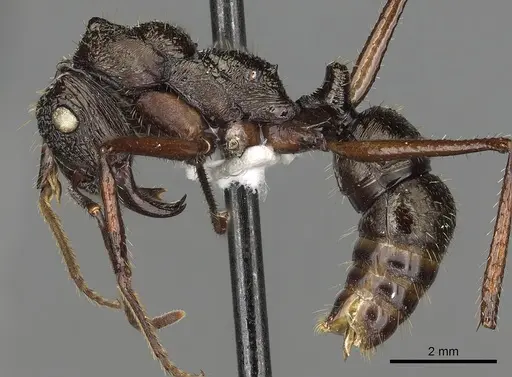
Ectatomma goninion is a large predatory ant native to Colombia and Ecuador . Workers are easy to recognize - they have a big, square head with sharp rear corners and a thick petiolar node (the segment joining thorax and abdomen) . They live in lowland forests from 5 to 520 meters above sea level, hunting small bugs in the leaf litter . This species was first described in 1982 by Kugler and Brown from specimens collected in Chocó, Colombia .
Quick Summary
- Difficulty: Medium to Hard
- Origin & Habitat: Tropical lowland forests of Colombia (departments of Chocó, Cauca, and Risaralda) and Ecuador, at elevations of 5–520 m. They forage in leaf litter on the forest floor [1][2][3].
- Colony Type: Colony structure is unconfirmed. Based on typical Ectatomma patterns, they likely have single-queen (monogyne) colonies, but this needs verification.
- Size & Growth:
- Queen: Size data unavailable, inferred from Ectatomma genus (~10–14 mm)
- Worker: Large, inferred from Ectatomma genus (~8–12 mm). The research notes their 'large size' [4][1] but gives no exact measurements.
- Colony: Unknown for this species. Likely hundreds of workers based on typical Ectatomma colonies.
- Growth: Moderate (inferred from poneromorph development patterns)
- Development: Estimated 6–10 weeks based on related Ectatomma species at 24–28°C (Development is slower than in many advanced ant genera. Warmer tropical temperatures speed things up.)
- Antkeeping:
- Temperature: 24–28°C year‑round. These are lowland tropical ants, so keep them warm. A heating cable on one side creates a gentle temperature gradient [1].
- Humidity: High, keep nest substrate consistently moist but not waterlogged. Provide a water tube. Mimics their damp forest floor habitat.
- Diapause: No, as a tropical lowland species, they do not hibernate. Maintain warm conditions all year.
- Nesting: Naturalistic setups with deep substrate (5–10 cm of soil/sand mix) and leaf litter on top work well. You can also use Y‑tong or plaster nests with large chambers. Avoid open foraging areas, they prefer to hunt through substrate.
- Behavior: Active predators that hunt through leaf litter. Not aggressive toward keepers, but they have a functional sting (subfamily Ectatomminae). Workers are large and move deliberately. Standard escape barriers (fluon/oil) are enough since they aren't tiny.
- Common Issues: limited specific care info makes troubleshooting hard, low humidity can kill a colony quickly, need constant moisture, require live prey, won't do well on processed ant food alone, slow colony growth, don't expect a big colony fast, queen founding may be tricky, little data on successful methods
Natural History and Distribution
Ectatomma goninion is found only in the tropical lowlands of western Colombia and Ecuador. In Colombia, it occurs in Chocó, Cauca (including Gorgona Island), and Risaralda, at elevations of 5–520 m [2][3]. The type locality is Chocó, a region of very biodiverse rainforest [6][5]. These ants are ground‑dwelling predators that hunt small invertebrates in the leaf litter [1][4]. Their big size and square head with sharp rear corners make them easy to pick out among litter ants [4][1]. They build nests in the soil, often under logs, stones, or directly in the forest floor.
Housing and Nest Setup
A naturalistic setup works best for Ectatomma goninion. Use a deep enclosure (5–10 cm of substrate, a mix of soil, sand, or coconut fiber) with leaf litter on top. The substrate should stay moist but never waterlogged. You can also use a Y‑tong (AAC) or plaster nest with chambers big enough for their large workers. Provide a water tube secured with cotton. Add hiding spots like cork bark or fake plants where they can stalk prey. Secure the lid tightly, they can climb.
Feeding and Diet
These ants are predators and need live prey. Offer fruit flies, small crickets, mealworms, waxworms, or other appropriately sized insects. Put the prey on the substrate surface so they can hunt naturally, foragers search through leaf litter [1][4]. Feed two to three times a week and remove leftovers after 24–48 hours to prevent mold. They may also accept some protein‑based commercial ant foods, but live prey should be the main diet. Sugar sources like honey or sugar water are not necessary but may be taken.
Temperature and Humidity Requirements
Ectatomma goninion needs warm, tropical conditions all year. Keep the temperature at 24–28°C (75–82°F). A slight temperature gradient helps, use a heating cable on one side. Humidity must be high: aim for 70–85% relative humidity. Keep the substrate consistently moist and use an enclosure that holds moisture well. Mist occasionally but avoid standing water. These conditions mimic their native forest floor, where it's warm and damp [1].
Colony Development and Growth
Like other poneromorph ants, Ectatomma goninion develops more slowly than common pet species. The queen (estimated 10–14 mm, no published data) is probably claustral, sealing herself in a chamber to raise the first batch of workers. Development from egg to worker likely takes 6–10 weeks at 24–28°C (based on related Ectatomma). The first workers (nanitics) will be smaller but still large. Colonies probably max out in the hundreds of workers, and growth is slow, patience is key. If the queen dies, the colony will likely fail because there are no ergatoid (wingless) replacement queens known for this species.
Behavior and Temperament
Workers are active hunters that roam through leaf litter and substrate looking for prey [1][4]. They are not aggressive toward people, but they have a sting and will use it if the colony is seriously disturbed. Their large size makes them easy to see, and they move calmly, not frantically. They are diurnal and likely set up foraging routes. They are not supercolonial and probably defend their territory. Keep different colonies separate to avoid fights.
Frequently Asked Questions
How long does it take for Ectatomma goninion to raise the first workers?
Based on related Ectatomma species, expect 6–10 weeks from egg to first worker at 24–28°C. This is slower than many common ants, so be patient during the founding stage.
What do Ectatomma goninion ants eat?
They need live prey, fruit flies, small crickets, mealworms, etc. They hunt in leaf litter [1][4]. They may take some commercial protein foods, but live prey is essential for healthy colonies.
Do Ectatomma goninion ants sting?
Yes, they have a functional sting (subfamily Ectatomminae). They are not aggressive and only sting when very threatened. The sting is not dangerous to most people, but it can hurt.
What temperature do Ectatomma goninion ants need?
Keep them at 24–28°C (75–82°F) year‑round. They are tropical lowland ants and need constant warmth. A heating cable on one side of the nest is helpful [1].
Are Ectatomma goninion ants good for beginners?
No. There is very little specific care information, they require high humidity and warmth, need live prey, and grow slowly. Start with a better‑documented species first.
How big do Ectatomma goninion colonies get?
Colony size is not documented, but typical Ectatomma colonies have a few hundred workers. Growth is moderate to slow.
Do Ectatomma goninion ants need hibernation?
No. They are tropical lowland ants and need warm conditions all year. Keep temperatures at 24–28°C year‑round.
What humidity level do Ectatomma goninion ants need?
High humidity, aim for 70–85%. Keep the substrate moist but not waterlogged. This mimics their tropical forest floor habitat.
Can I keep multiple Ectatomma goninion queens together?
This is not recommended. There is no evidence of polygyny in this species. Based on typical Ectatomma, they are likely monogyne (single queen). Unrelated queens have not been tested.
What type of nest is best for Ectatomma goninion?
A naturalistic setup with deep substrate (5–10 cm) and leaf litter on top works well. You can also use Y‑tong or plaster nests with large chambers. Make sure humidity is retained.
Report an Issue
The current care sheet is based fully on literature. See inconsistencies, or something that's incorrect? Please , it will be resolved after review from an admin. Contributing to the blogs tab also helps providing information, to make us be able to further improve the caresheets. Thank you for your support!
References

This caresheet is licensed under CC BY-SA 4.0 .
Community Blogs
CASENT0281504
View on AntWeb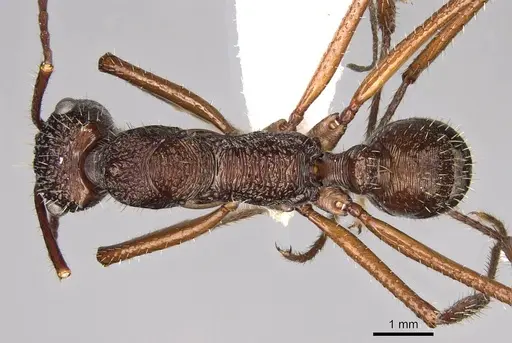
CASENT0281815
View on AntWeb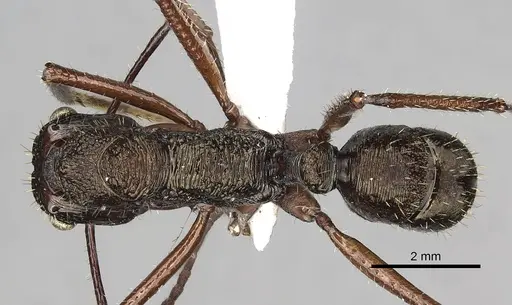
Literature
Loading distribution map...Loading products...