
Echinopla lineata
- Sci. Name
- Echinopla lineata
- Tribe
- Camponotini
- Subfamily
- Formicinae
- Author
- Mayr, 1862
- Distribution
- Found in 2 countries
Introduction
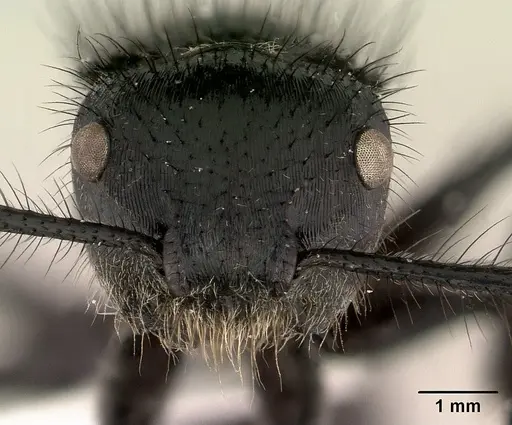
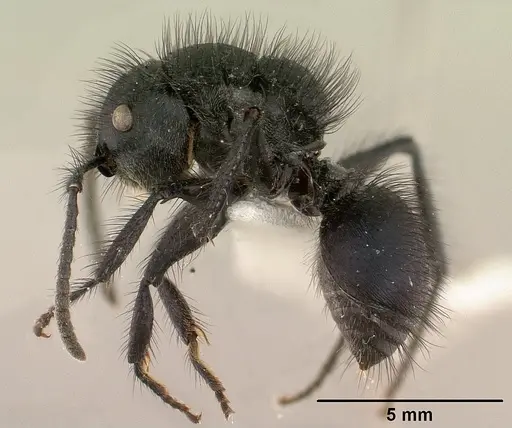
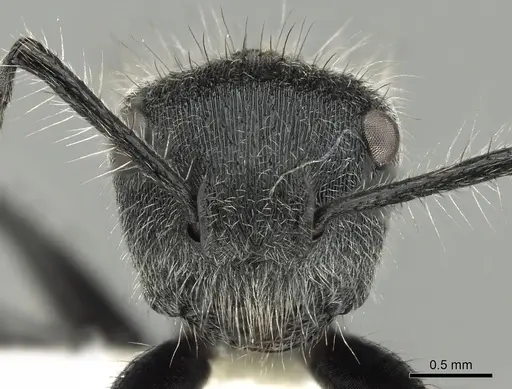
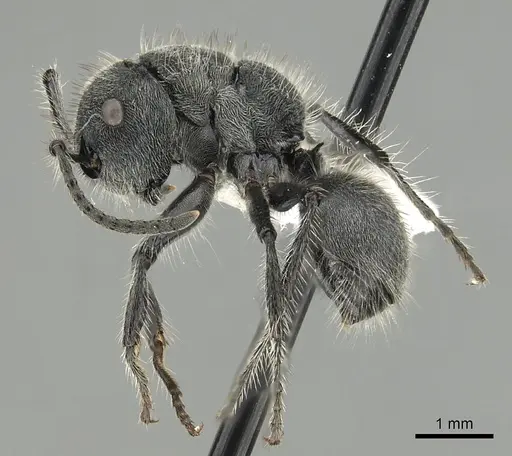
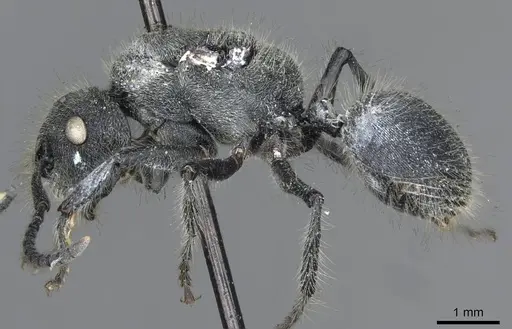
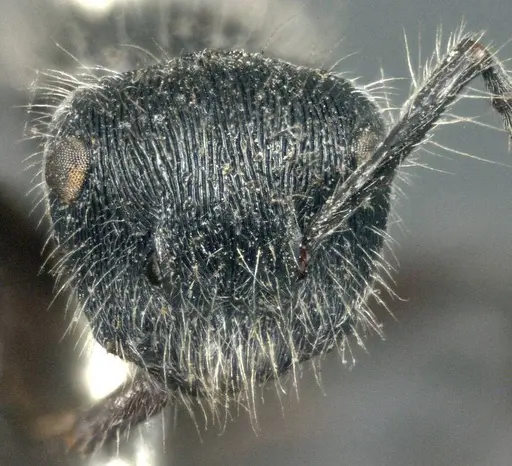
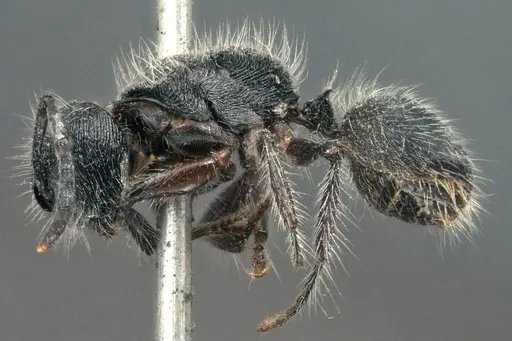
Echinopla lineata is a medium-sized ant native to Southeast Asia and the Indo-Malayan region. Workers measure approximately 6.3mm in total length and have a distinctive black appearance without metallic sheen. The head and mesosoma feature coarse longitudinal striations, while the gaster has finer striations. Long white setae and dense short appressed hairs give them a dull, textured appearance. The petiole bears prominent spines on each side. This species belongs to the striata species group and was originally described from Java in 1862, with Echinopla sucki from Borneo later synonymized with it . These ants are found across a wide geographic range including Borneo, Java, Sumatra, Singapore, the Krakatau Islands, and the Andaman and Nicobar Islands. They inhabit tropical rainforests and are also present in agricultural areas like cacao agroforestry, though they prefer forested habitats.
Quick Summary
- Difficulty: Medium
- Origin & Habitat: Tropical Southeast Asia, found in Borneo, Java, Sumatra, Singapore, Krakatau Islands, and the Andaman and Nicobar Islands. Inhabits rainforests and tropical botanical gardens, with specimens collected from areas like the Bogor and Purwodadi Botanical Gardens in Java, and Mulu and Danum Valley in Borneo [1][2].
- Colony Type: Colony structure is not documented in scientific literature. Based on typical Formicinae patterns, likely forms single-queen colonies, though this requires confirmation.
- Size & Growth:
- Queen: Size data unavailable for this species, queen measurements have not been published [1].
- Worker: Approximately 6.3mm total length (lectotype worker) [1].
- Colony: Colony size data unavailable, typical Formicinae patterns suggest colonies reach several hundred workers.
- Growth: Growth rate is unknown for this species.
- Development: Development time is unconfirmed for this species. (Specific development data for this species is unavailable.)
- Antkeeping:
- Temperature: Keep at 24-28°C, reflecting their tropical origin. A slight temperature gradient allows workers to self-regulate. Avoid temperatures below 22°C.
- Humidity: Require moderate to high humidity (60-80%). Keep the nest substrate consistently moist but not waterlogged. Their natural habitat in tropical rainforests and botanical gardens indicates preference for damp conditions.
- Diapause: No diapause required, as a tropical species, they do not experience cold winters. Maintain consistent warm conditions year-round.
- Nesting: In nature, they likely nest in rotting wood, under bark, or in soil cavities in forested areas. In captivity, a Y-tong (AAC) nest or plaster formicarium with moisture retention works well. Provide a naturalistic setup with damp substrate if using a soil-based formicarium.
- Behavior: Temperament is moderate, they are not particularly aggressive but will defend their nest if threatened. Workers are active foragers, typical of Formicinae. They likely forage for honeydew and small insects. Escape risk is moderate due to their medium size, standard barrier methods are usually sufficient.
- Common Issues: tropical species is sensitive to temperature drops, keep warm year-round, limited biological data means care is based on genus inference rather than species-specific research, humidity must be maintained, dry conditions will cause colony decline, wild-caught colonies may carry parasites or pathogens that can cause captive failures, slow colony growth compared to temperate species may frustrate beginners
Housing and Nest Setup
Echinopla lineata is a medium-sized ant that requires appropriate housing scaled to its dimensions. A Y-tong (acrylic and cotton) nest works well for this species, providing the darkness and humidity retention these ants prefer. Alternatively, a plaster formicarium with built-in water channels maintains the moisture levels they need. If using a naturalistic setup, provide damp soil or sand as substrate with hiding structures like cork bark or small stones. The nest should have chambers sized appropriately for workers that are roughly 6mm in length. An outworld (foraging area) should be connected to the nest, allowing workers to venture out for food while maintaining escape barriers. [1]
Feeding and Diet
Like other Formicinae, Echinopla lineata is likely omnivorous with a preference for sugary substances and protein. In captivity, offer sugar water or honey as a constant energy source. For protein, provide small insects like fruit flies, small crickets, or mealworms. Based on their presence in cacao agroforestry and rainforest habitats, they likely forage for honeydew from aphids or scale insects in the wild, making sugar sources particularly important. Feed protein prey 2-3 times per week, and ensure sugar water is always available. Remove uneaten prey after 24 hours to prevent mold issues.
Temperature and Seasonal Care
As a tropical species from Southeast Asia, Echinopla lineata requires warm conditions year-round. Maintain temperatures between 24-28°C in the nest area. A heating cable or mat placed on one side of the nest creates a gentle temperature gradient, allowing ants to regulate their own exposure to warmth. Room temperature may be sufficient if your home stays in the low-to-mid 20s°C range, but monitor with a thermometer. Unlike temperate ants, they do not require hibernation or diapause periods. Avoid placing the colony near air conditioning units or drafty windows. Consistent warmth is essential for brood development and colony activity. Cold stress is one of the most common causes of colony failure with this species. [1]
Humidity Management
Echinopla lineata originates from tropical rainforests and botanical gardens, indicating a need for moderate to high humidity. Keep the nest substrate consistently moist but avoid waterlogging. The substrate should feel damp to the touch but not have standing water. A water tube attached to the nest provides drinking access and helps maintain humidity through evaporation. Check moisture levels every few days, rehydrating when the surface begins drying. In acrylic nests, watch for condensation buildup, some ventilation is good, but excessive airflow causes rapid drying. Mold can become an issue in overly wet conditions, so balance humidity with adequate air circulation. [2]
Colony Establishment
If acquiring a queen (either through catching a mated queen during nuptial flights or purchasing from a supplier), the founding process follows typical Formicinae patterns. The queen will seal herself into a small chamber and lay eggs, surviving on her stored fat reserves while raising the first brood. This is called claustral founding. The first workers (nanitics) will be smaller than mature workers but will begin foraging once they emerge. Colony growth is typically moderate, do not expect rapid expansion. From a single queen, expect the first nanitics within several weeks under optimal conditions, followed by gradual colony growth over several months to years. Patience is key with this species.
Behavior and Observation
Echinopla lineata workers are active foragers, patrolling their territory in search of food and resources. They are not particularly aggressive toward humans and rarely sting, making them suitable for observation. Their distinctive striated appearance and spined petiole make them visually interesting in captivity. Workers communicate through chemical trails, and you may observe them establishing foraging paths to food sources. The long white setae on their body are sensory structures. They are primarily diurnal, being most active during daylight hours typical of tropical forest floor activity. Their medium size makes them easy to observe without the escape concerns of very small ants. [1]
Frequently Asked Questions
How long does it take for Echinopla lineata to produce first workers?
Specific development time is unconfirmed for this species. Based on typical Formicinae patterns, expect first workers to emerge in several weeks to a few months, provided temperatures are maintained at 24-28°C.
Can I keep Echinopla lineata in a test tube setup?
Test tubes can work for founding colonies, but due to their medium size and humidity needs, a Y-tong or plaster nest is more practical for long-term housing. Test tubes dry out quickly and may not provide enough space as the colony grows.
What temperature range is best for Echinopla lineata?
Keep them at 24-28°C. This tropical species is sensitive to cold and will struggle below 22°C. A temperature gradient allows workers to self-regulate.
Is Echinopla lineata good for beginners?
This species is rated as Medium difficulty. While not as challenging as some exotic species, the lack of species-specific biological data and their tropical temperature requirements make them better suited for keepers who have kept other Formicinae like Camponotus before.
How big do Echinopla lineata colonies get?
Colony size data is unavailable for this species. Based on typical Formicinae patterns, colonies likely reach several hundred workers over time. Growth is moderate rather than rapid.
Do Echinopla lineata need hibernation?
No, they do not require hibernation. As a tropical species from Southeast Asia, they need consistent warm temperatures year-round. Do not expose them to cold temperatures or attempt to cool them for winter dormancy.
What do Echinopla lineata eat?
They are omnivorous. Offer sugar water or honey constantly for energy, and protein sources like small insects (fruit flies, small crickets, mealworms) 2-3 times per week. They likely also collect honeydew in the wild, making sugar sources particularly important.
Why is my Echinopla lineata colony declining?
The most common causes are temperature drops below 22°C, insufficient humidity, or poor nutrition. Check that the nest is warm enough and the substrate remains damp. Ensure sugar water is available and protein is offered regularly. Wild-caught colonies may also carry parasites that cause decline in captivity.
Report an Issue
The current care sheet is based fully on literature. See inconsistencies, or something that's incorrect? Please , it will be resolved after review from an admin. Contributing to the blogs tab also helps providing information, to make us be able to further improve the caresheets. Thank you for your support!
References

This caresheet is licensed under CC BY-SA 4.0 .
Community Blogs
CASENT0179006
View on AntWeb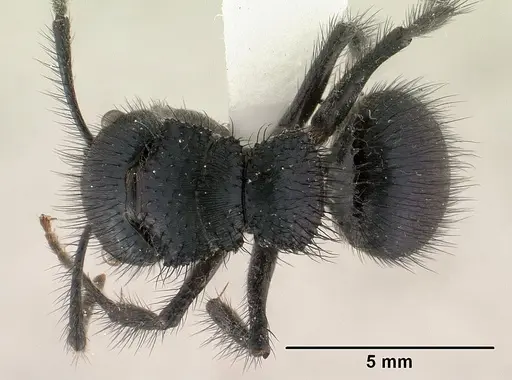
CASENT0280335
View on AntWeb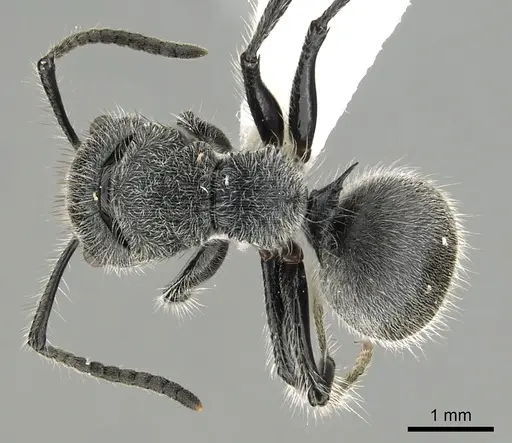
CASENT0910967
View on AntWeb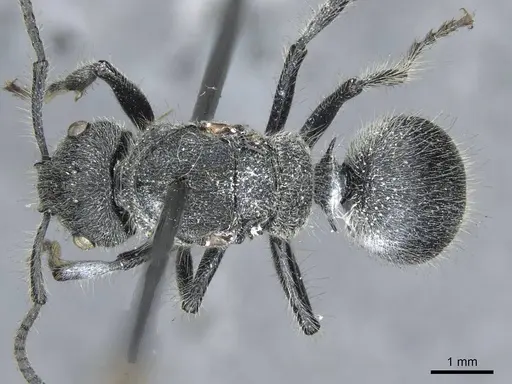
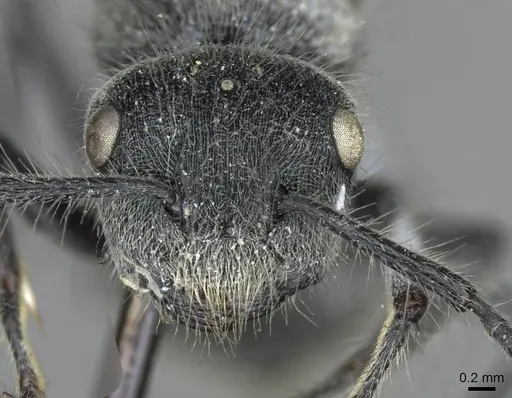
CASENT0914947
View on AntWeb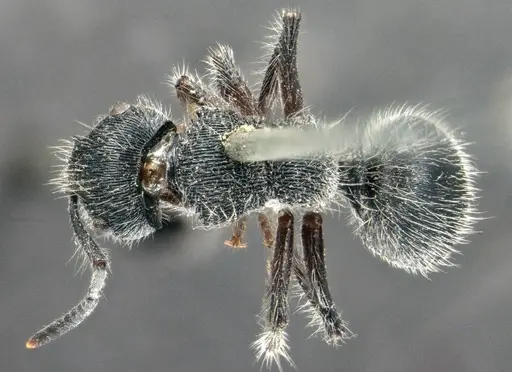
Literature
Loading distribution map...Loading products...