
Eburopone wroughtoni
- Sci. Name
- Eburopone wroughtoni
- Subfamily
- Dorylinae
- Author
- Forel, 1910
- Distribution
- Found in 3 countries
Introduction
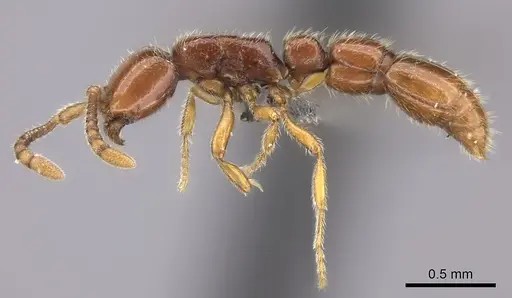
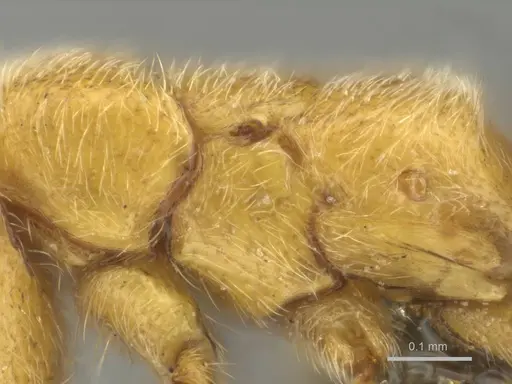
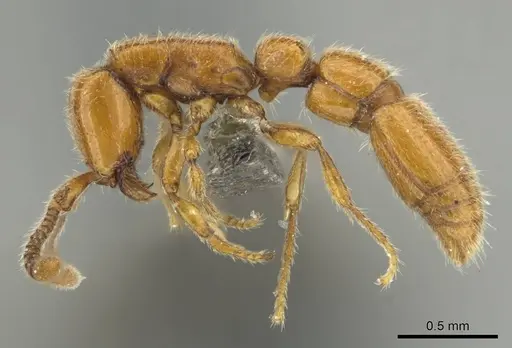
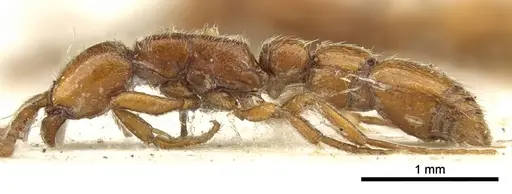
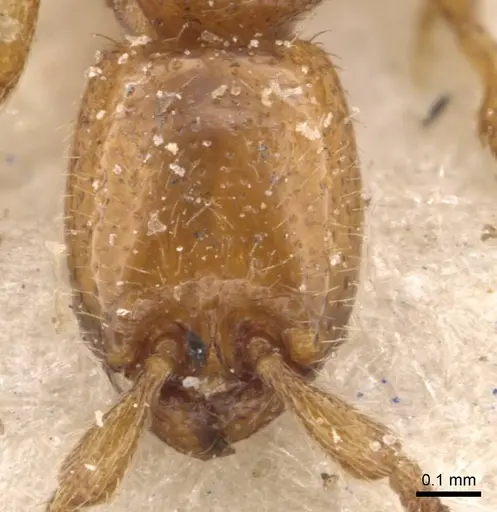
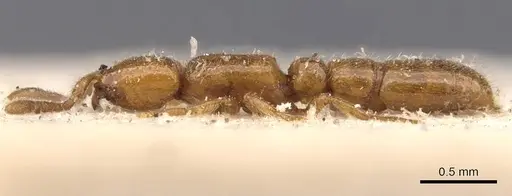
Eburopone wroughtoni is a tiny, cryptic ant species originally described as Cerapachys wroughtoni in 1910 from South Africa. Workers have a distinctive whitish glandular patch near the rear of their abdomen - a unique feature among doryline ants that sets them apart from other army ant relatives. This species belongs to the Dorylinae subfamily but lives in small, secretive colonies hidden in leaf litter and soil, unlike typical raiding army ants. The species has been found across southern Africa (South Africa, Zimbabwe, Mozambique, Eswatini, Tanzania, Democratic Republic of Congo) with an unusual record from the United Arab Emirates. Taxonomic history includes two junior synonyms (E. w. rhodesiana from Zimbabwe and E. roberti from South Africa) that were synonymized in 1975. This remains one of the most obscure ant species in the hobby with virtually no captive breeding records.
Quick Summary
- Difficulty: Expert
- Origin & Habitat: Southern Africa (South Africa, Zimbabwe, Mozambique, Eswatini, Tanzania, Democratic Republic of Congo) and United Arab Emirates. Found in leaf litter in subtropical and arid habitats, from middleveld elevations around 1000-1500m. Originally described from the Natal mountains of South Africa [1][2][3].
- Colony Type: Unconfirmed colony structure. Dorylinae typically have single-queen colonies, but founding behavior and colony size for this species are unknown.
- Size & Growth:
- Queen: Size data unavailable, queen has not been described in available literature [1]
- Worker: Size data unavailable, no worker measurements exist in literature. Based on related doryline ants, workers are likely tiny (around 2-4mm) but this is inferred [1]
- Colony: Likely small colonies based on cryptic leaf-litter lifestyle, exact size unknown
- Growth: Unknown
- Development: Unknown, no development data available for this species (No captive breeding records exist for this species. All development timelines are speculative.)
- Antkeeping:
- Temperature: Unconfirmed. Based on southern African distribution, likely tolerates 20-28°C. Start around 24°C and observe colony activity.
- Humidity: Likely requires moderate to high humidity given leaf-litter habitat. Keep substrate consistently moist but not waterlogged.
- Diapause: Unknown, no data on overwintering requirements. Southern African populations may experience mild seasonal slowdown.
- Nesting: Natural habitat is leaf litter and upper soil layers. In captivity, a small test tube setup or Y-tong nest with fine chambers works well. Provide moist substrate like sand/soil mix. Keep escape prevention excellent due to tiny size.
- Behavior: Secretive and cryptic. Unlike typical army ants, this species does not form large raiding columns. Workers forage individually or in small groups through leaf litter, likely hunting micro-arthropods. Escape risk is high due to tiny size, use fine mesh barriers. Temperament is not documented but likely non-aggressive toward keepers given small size.
- Common Issues: no captive breeding records exist, this species may never have been successfully kept long-term, tiny size makes escape prevention critical, they can squeeze through standard mesh, complete lack of biological data means all care is experimental, cannot confirm diet acceptance, likely predatory on micro-arthropods, unknown whether they accept sugar sources, no information on founding behavior or colony development
Species Overview and Identification
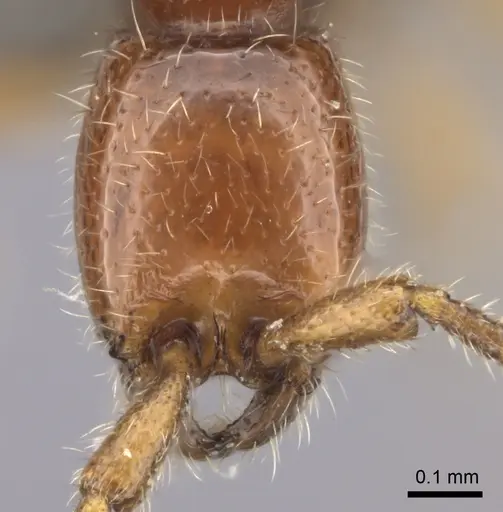
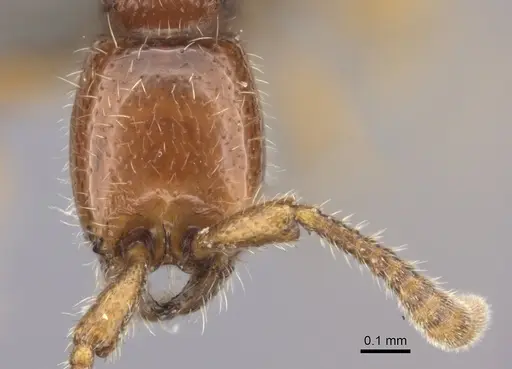
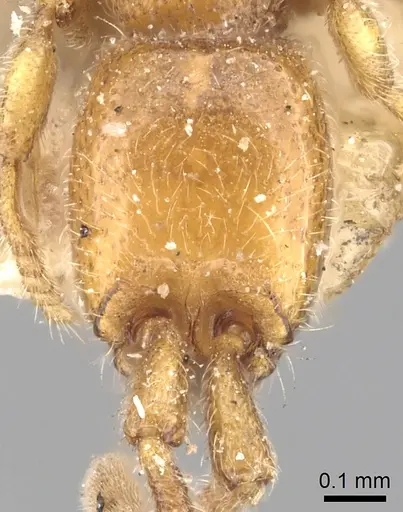
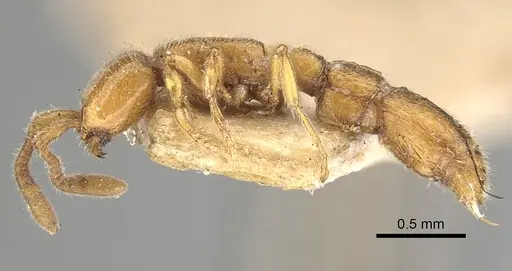
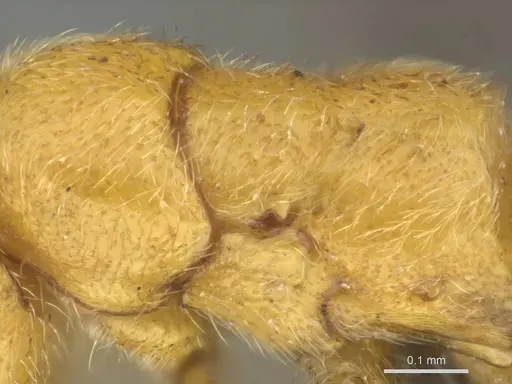
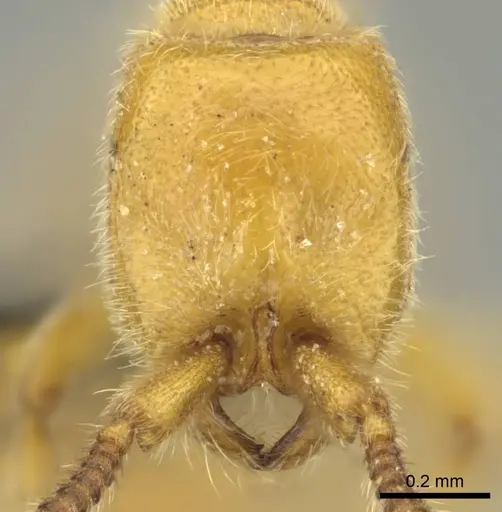
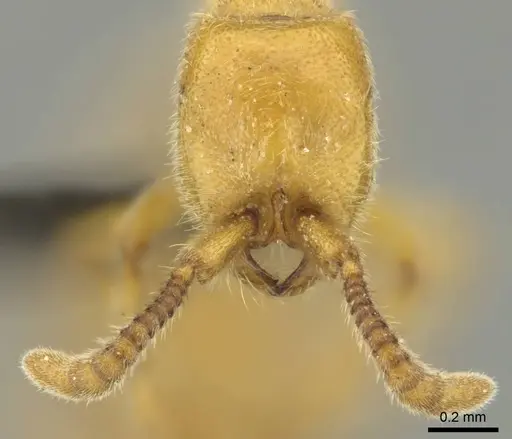
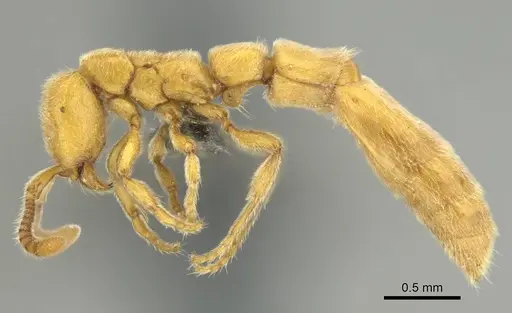
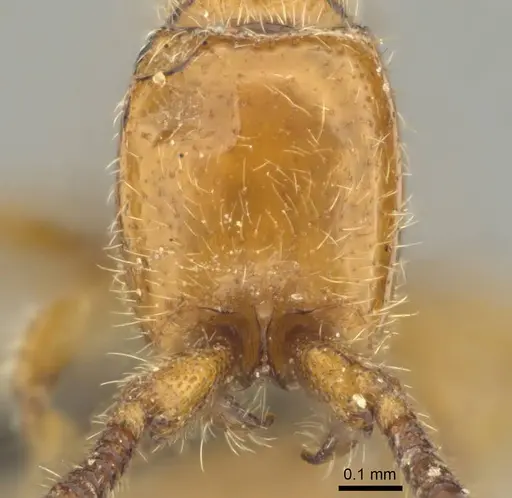
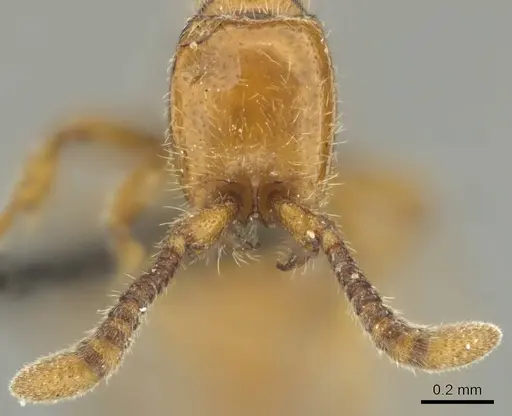
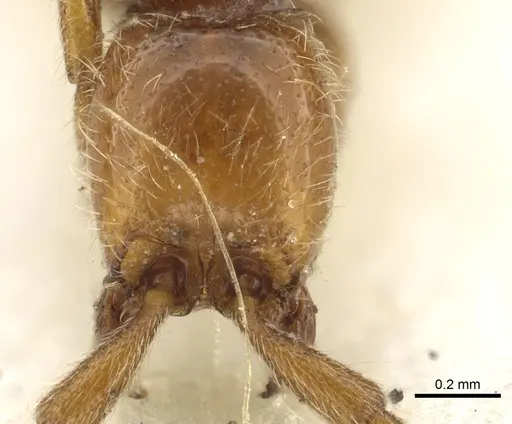
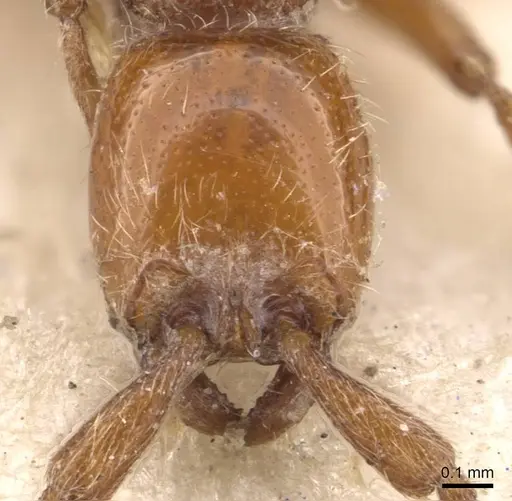
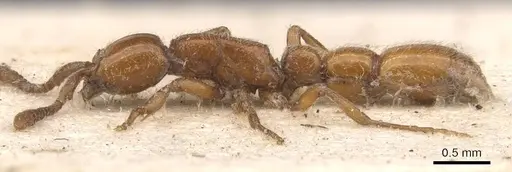
Eburopone wroughtoni was originally described as Eburopone wroughtoni in 1910 and transferred to the new genus Eburopone in 2016. The species has had a complex nomenclatural history, with two varieties (E. w. rhodesiana from Zimbabwe and E. roberti from South Africa) being synonymized under E. wroughtoni by Brown in 1975. Recent research suggests these might actually be separate species due to morphological differences in the promesonotal suture and abdominal proportions, but this has not been formally addressed. Workers are distinguished by a unique whitish glandular patch near the posterior edge of abdominal sternite IV, a feature not seen in other doryline ants. The genus Eburopone now includes two valid species: E. wroughtoni from Africa and E. easoana recently described from Vietnam, making this a genuinely disjunct genus with Afrotropical and Oriental representatives [1][4].
Natural Distribution and Habitat
This species has an unusual distribution pattern. It is confirmed across southern Africa: South Africa (Natal mountains, Estcourt), Zimbabwe (Bulawayo), Mozambique, Eswatini, Tanzania, and the Democratic Republic of Congo. A surprising record exists from the United Arab Emirates near al-Hayer, collected from leaf litter in February 2005, this represents both a new country record and extends the known range significantly northward. In South Africa, specimens have been exclusively collected from middleveld locations (around 1000-1500m elevation), with none found in lowveld areas. The UAE record suggests this species can survive in arid conditions, at least intermittently. The leaf-litter dwelling habit suggests they prefer shaded, humid microhabitats within their broader climate zone [5][3][2].
Housing and Nest Setup
Given the complete lack of captive care information, housing recommendations are educated guesses based on related doryline ants and the species' natural leaf-litter habitat. Use a small test tube setup or a Y-tong nest with appropriately sized chambers, passages should be narrow since these are tiny ants. Fill the test tube with water and cotton as usual, or keep the nest substrate moist. Provide a small outworld for foraging. Escape prevention must be excellent, these tiny ants can easily slip through standard mesh. Use fine mesh (at least 0.5mm or tighter) on all openings. A small container setup works well for founding colonies. Since exact requirements are unknown, observe your colony closely and adjust humidity and temperature based on their behavior.
Feeding and Diet
The diet of Eburopone wroughtoni is not documented in scientific literature. As a doryline ant, it likely occupies a predatory niche, hunting small invertebrates in leaf litter. Related doryline ants typically hunt micro-arthropods like springtails, mites, and small insects. Based on this, you should offer small live prey: micro-arthropods, pinhead crickets, fruit flies, and similar tiny insects. Sugar acceptance is unknown, some dorylines do not take sugar, while others will. Offer a small amount of sugar water or honey occasionally, but do not rely on it as a primary food source. Start with live prey and observe acceptance. Remove uneaten prey after 24-48 hours to prevent mold.
Temperature and Seasonal Care
Temperature requirements are completely unconfirmed for this species. The southern African distribution suggests they can tolerate a range from cool to warm conditions. A safe starting point is around 24°C (room temperature or slightly above). Provide a temperature gradient if possible, place part of the nest on a heating cable set to low, allowing workers to choose their preferred temperature. The UAE record suggests they can survive in hotter, more arid conditions than their southern African range might suggest. No information exists on diapause or winter requirements. If your colony shows reduced activity in winter, you may reduce temperatures slightly (to around 18-20°C) for a few months, but this is speculative. Monitor your colony closely for signs of stress.
Behavior and Temperament
This is one of the most poorly understood ant species in captivity. Based on its leaf-litter habitat and doryline classification, it is likely a cryptic, secretive forager rather than an active raiding species. Workers probably forage individually or in small groups through the substrate, hunting micro-arthropods rather than forming large raiding columns. They are unlikely to be aggressive or defensive given their tiny size. The unique glandular patch on their abdomen may serve a defensive or chemical communication function, but this is not studied. They are probably photophobic (avoid light) and will remain hidden in their nest unless disturbed. Their tiny size makes them excellent escape artists, always use fine mesh barriers [1].
Frequently Asked Questions
How long does it take for Eburopone wroughtoni to go from egg to worker?
This is completely unknown, no captive breeding records exist for this species. All development timelines are speculative with no direct evidence.
Can I keep Eburopone wroughtoni in a test tube?
Yes, a test tube setup is appropriate for this tiny ant. Use a small test tube with a water reservoir and cotton plug. Ensure excellent escape prevention, their small size means they can slip through standard gaps.
What do Eburopone wroughtoni ants eat?
Their diet is unconfirmed. Based on related dorylines, they likely hunt small live prey like springtails, mites, and tiny insects. Sugar acceptance is unknown, offer sugar water occasionally but do not rely on it.
Are Eburopone wroughtoni ants good for beginners?
No. This species is rated Expert difficulty due to the complete lack of captive care information. Every aspect of their care is experimental. There are no established protocols or known successful breeding records in captivity.
How big do Eburopone wroughtoni colonies get?
Unknown. Based on their cryptic leaf-litter lifestyle, colonies are likely small but no large colony data exists.
Do Eburopone wroughtoni queens need to be fed during founding?
Unknown. Founding behavior has not been documented for this species.
What temperature should I keep Eburopone wroughtoni at?
Start around 24°C and observe colony behavior. No specific temperature data exists, but their southern African distribution suggests they tolerate 20-28°C. A slight gradient allows your ants to choose.
Can I keep multiple Eburopone wroughtoni queens together?
Unknown. Colony structure has not been documented. Do not attempt combining unrelated queens without evidence they can coexist.
Why is there no information about keeping Eburopone wroughtoni?
This is one of the most obscure ant species in the world. It has never been documented in captive ant keeping. The few scientific specimens were collected from leaf litter in Africa and the UAE, and no breeding biology or colony structure has ever been studied [1][2].
Report an Issue
The current care sheet is based fully on literature. See inconsistencies, or something that's incorrect? Please , it will be resolved after review from an admin. Contributing to the blogs tab also helps providing information, to make us be able to further improve the caresheets. Thank you for your support!
References

This caresheet is licensed under CC BY-SA 4.0 .
Community Blogs
CASENT0235434
View on AntWeb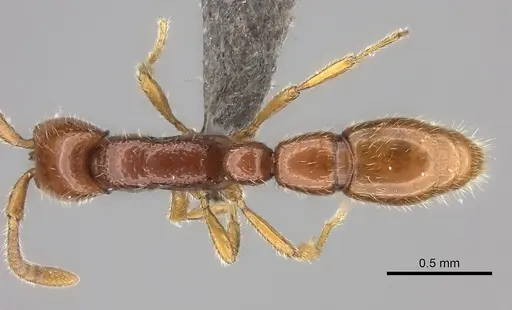
CASENT0249876
View on AntWeb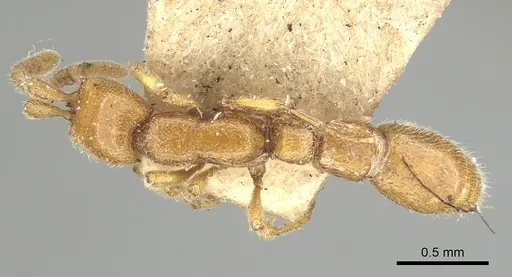
CASENT0813006
View on AntWeb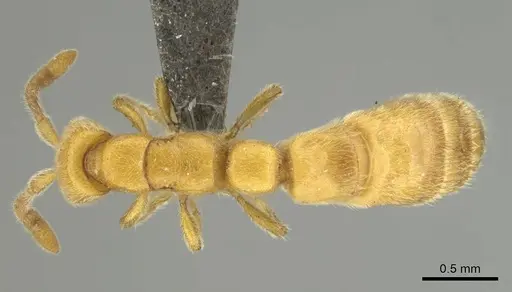
CASENT0813007
View on AntWeb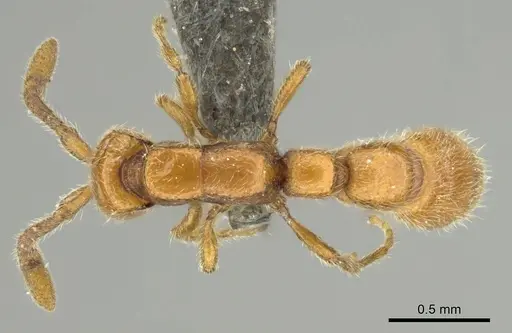
CASENT0902707
View on AntWeb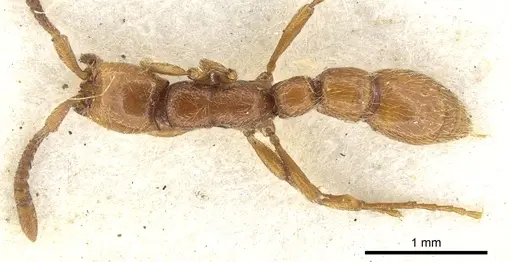
CASENT0907054
View on AntWeb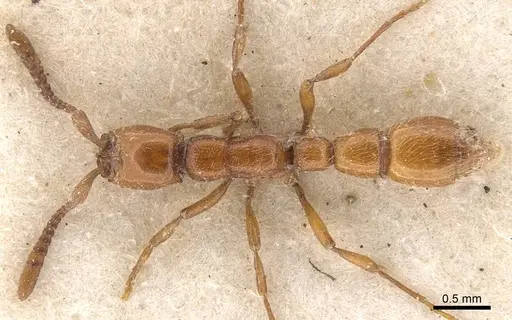
CASENT0907055
View on AntWeb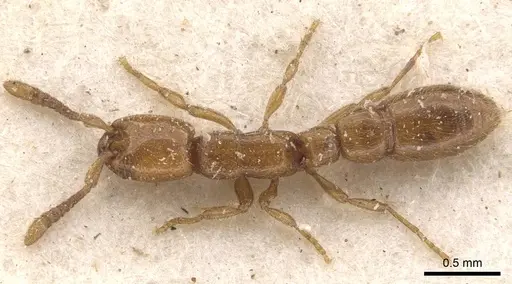
Literature
Loading distribution map...Loading products...