
Dorymyrmex pulchellus
- Sci. Name
- Dorymyrmex pulchellus
- Tribe
- Leptomyrmecini
- Subfamily
- Dolichoderinae
- Author
- Santschi, 1922
- Distribution
- Found in 1 countries
Introduction
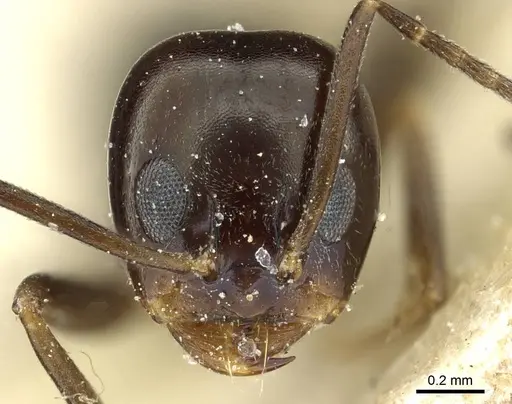
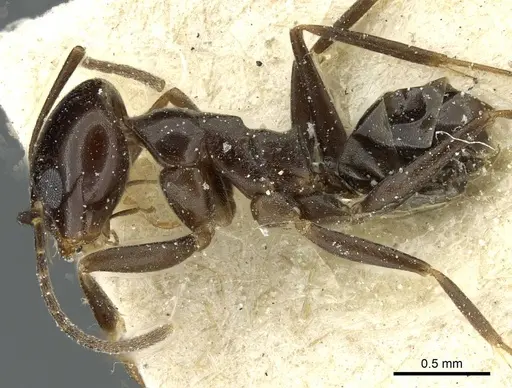
Dorymyrmex pulchellus is a small ant species native to northern Argentina, belonging to the Dolichoderinae subfamily. Workers are modest in size with the characteristic conical abdomen that gives the genus its common name. This species was described by Santschi in 1922 and is found in the Santa Fe province and Formosa region of Argentina . As a member of the Opportunist/Dominant Dolichoderinae functional group, these ants are adaptable foragers that can establish colonies in various nesting situations . Like other Dolichoderinae, they lack a functional sting but can secrete defensive compounds from a slit-like opening at the tip of the abdomen as their primary defense mechanism. The species remains poorly studied in captivity with limited documented information on its specific care requirements.
Quick Summary
- Difficulty: Medium
- Origin & Habitat: Native to northern Argentina, specifically recorded in Santa Fe province and Formosa (Nueva Pompeya) in the Neotropical region [1][2][3]. Found in warm, semi-open to open habitats typical of Dorymyrmex species.
- Colony Type: Colony structure is unconfirmed for this specific species. Based on typical Dorymyrmex patterns, likely single-queen colonies.
- Size & Growth:
- Queen: Size data unavailable for this species, estimated 5-7mm inferred from genus Dorymyrmex patterns
- Worker: Size data unavailable for this species, estimated 2.5-4mm inferred from genus Dorymyrmex patterns
- Colony: Estimated up to a few thousand workers based on typical Dorymyrmex colony sizes
- Growth: Moderate, inferred from genus patterns
- Development: Estimated 6-8 weeks at optimal temperature based on related Dolichoderinae (Development time is inferred from genus patterns, actual timing unconfirmed for this species)
- Antkeeping:
- Temperature: Keep at 24-28°C. These are warm-climate ants from subtropical Argentina, so they need temperatures in the low-to-mid 20s°C minimum. A heating cable on one side of the nest creates a gradient allowing workers to self-regulate.
- Humidity: Moderate humidity around 50-60%. Provide a water tube and allow the nest to dry partially between rehydrations. Dorymyrmex species typically nest in soil and can tolerate some dryness.
- Diapause: Winter requirements are unconfirmed for this specific species. Based on the subtropical Argentine range, a short period of reduced activity (2-3 months at 15-18°C) may be beneficial but this is not confirmed.
- Nesting: Y-tong (AAC) nests or test tube setups work well. These ants are not particularly large, so standard chambers are appropriate. Provide a connection to an outworld with substrate for natural tunneling behavior.
- Behavior: Active foragers with typical Dolichoderinae behavior. Workers are alert and will readily explore their outworld. They lack a functional sting but can secrete defensive compounds as defense, this is rarely an issue for keepers. Escape risk is moderate due to their small size, use standard barriers. They are not aggressive but will defend the nest if threatened. Workers are fast-moving and good at finding food sources.
- Common Issues: limited species-specific information makes care recommendations uncertain, small colony size at founding means founding colonies are fragile, warm temperature requirements may need heating in cooler climates, escape prevention needed due to small worker size, winter care is unconfirmed, proceed with caution
Housing and Nest Setup
Dorymyrmex pulchellus can be kept in standard test tube setups for founding colonies. Once the colony reaches 15-20 workers, consider moving to a Y-tong (AAC) formicarium or a naturalistic setup with a dirt chamber. These ants are not large, so overly large nests can make them feel insecure. Provide a water tube connected to the nest for humidity. The outworld should have a small container of moist substrate (like sand or soil mix) to allow natural foraging and tunneling behavior. Standard escape prevention measures work well, these ants are small but not particularly adept at climbing smooth surfaces like glass or acrylic.
Feeding and Diet
Like other Dorymyrmex species, these ants are opportunistic feeders that accept both sugar and protein sources. Offer sugar water (1:1 ratio) or honey water as a constant energy source. For protein, provide small insects like fruit flies, small mealworms, or cricket pieces. They will also scavenge from dead insects. Feed protein 2-3 times per week, removing any uneaten prey after 24 hours. Fresh water should always be available. The specific dietary preferences of D. pulchellus are unconfirmed, so observe what your colony accepts best.
Temperature and Heating
As ants from subtropical Argentina, Dorymyrmex pulchellus requires warm conditions. Keep the nest area at 24-28°C for optimal colony development. Room temperature may be sufficient in warm climates, but most keepers will need a heating cable or heat mat placed on one side of the nest to maintain these temperatures. Use a digital thermometer to monitor. Avoid temperatures above 32°C as this can stress the colony. Provide a temperature gradient so workers can move between warmer and cooler areas as needed.
Seasonal Care and Winter Rest
The exact overwintering requirements for this species are unconfirmed due to limited research. However, based on the subtropical Argentine range (Santa Fe, Formosa), a short winter rest period may be beneficial. During winter (roughly November-February in the Northern Hemisphere), reduce temperatures to 15-18°C for 2-3 months if the colony shows signs of slowing down. Reduce feeding frequency during this period. Do not feed during the deepest part of the rest. Return to normal temperatures gradually in spring. If your colony shows no signs of slowing down, they may not need a formal hibernation, observe your colony behavior.
Colony Development
A newly mated queen will seal herself in a small chamber and lay eggs. She feeds on her stored fat reserves to raise the first brood (claustral founding). The first workers, called nanitics, are typically smaller than mature workers. Expect 6-8 weeks for eggs to develop into workers at optimal temperature. Growth rate is moderate, colonies may take 1-2 years to reach 100+ workers. Maximum colony size is estimated at up to a few thousand workers based on typical Dorymyrmex patterns. Patience is key, as this species is not a fast grower.
Frequently Asked Questions
How long does it take for Dorymyrmex pulchellus to produce first workers?
Expect first workers (nanitics) to emerge in 6-8 weeks at optimal temperature (24-28°C). This timeline is estimated based on related Dolichoderinae species, as specific development data for D. pulchellus is not available.
What do Dorymyrmex pulchellus ants eat?
They accept both sugar and protein sources. Offer sugar water or honey water as a constant energy source. For protein, feed small insects like fruit flies, small mealworms, or cricket pieces. Remove uneaten prey after 24 hours.
What temperature do Dorymyrmex pulchellus ants need?
Keep them warm at 24-28°C. These are subtropical ants from Argentina that need consistent warmth. A heating cable on part of the nest can help maintain proper temperatures.
Are Dorymyrmex pulchellus ants good for beginners?
They are rated as medium difficulty. They are smaller and less documented than common pet species, but their care requirements are relatively straightforward if you can maintain warm temperatures. The main challenge is the limited species-specific information available.
How big do Dorymyrmex pulchellus colonies get?
Maximum colony size is estimated at up to a few thousand workers based on typical Dorymyrmex genus patterns. The exact maximum for this species is unconfirmed.
Do Dorymyrmex pulchellus ants need hibernation?
A short winter rest period (2-3 months at 15-18°C) may be beneficial given their subtropical Argentine origin, though this is unconfirmed for this specific species. Monitor your colony, if they remain active, they may not need a formal diapause.
Can I keep multiple Dorymyrmex pulchellus queens together?
Colony structure is unconfirmed for this species. Based on typical Dorymyrmex patterns, they likely have single queens (monogyne). Combining unrelated queens is not recommended as they likely will fight. Only keep one queen per colony.
When should I move Dorymyrmex pulchellus to a formicarium?
Keep them in a test tube or small container for the founding stage. Once the colony reaches 15-20 workers and you see active foraging, you can move them to a Y-tong or naturalistic setup with proper humidity control.
Why are my Dorymyrmex pulchellus ants dying?
Common causes include: temperatures too low (below 20°C), excessive humidity causing mold, improper feeding, or stress from excessive disturbance. Review your temperature, humidity, and feeding schedule. Also ensure they are not being disturbed too frequently during the founding stage.
Report an Issue
The current care sheet is based fully on literature. See inconsistencies, or something that's incorrect? Please , it will be resolved after review from an admin. Contributing to the blogs tab also helps providing information, to make us be able to further improve the caresheets. Thank you for your support!
References

This caresheet is licensed under CC BY-SA 4.0 .
Community Blogs
CASENT0911530
View on AntWeb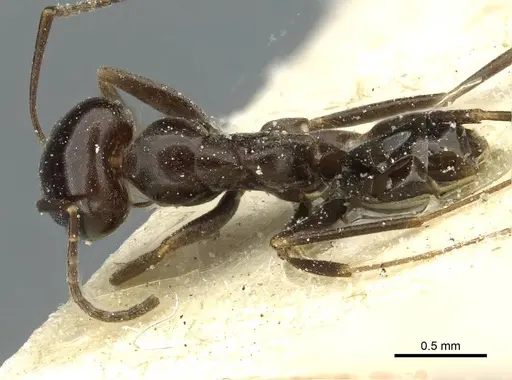
Literature
Loading distribution map...Loading products...