
Dorymyrmex minutus
- Sci. Name
- Dorymyrmex minutus
- Tribe
- Leptomyrmecini
- Subfamily
- Dolichoderinae
- Author
- Emery, 1895
- Distribution
- Found in 1 countries
Introduction
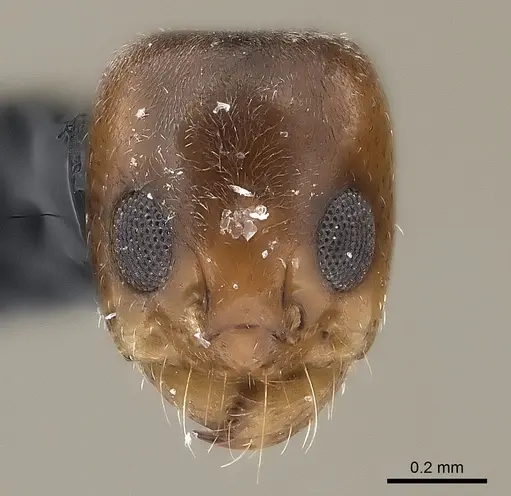
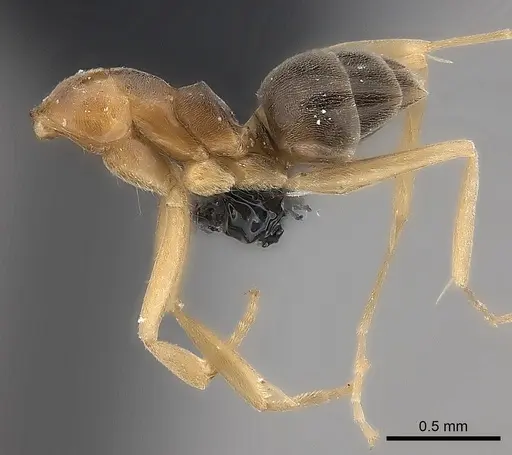
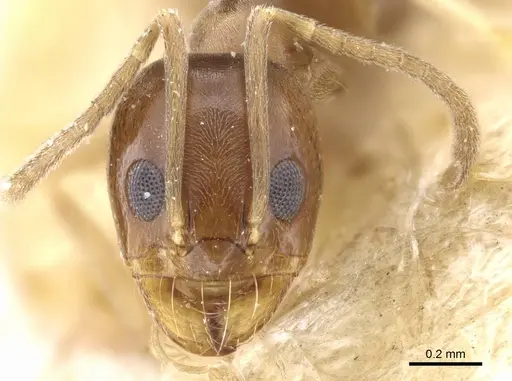
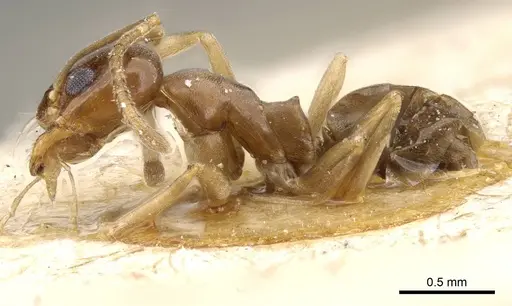
Dorymyrmex minutus is a tiny ant native to Chile and Argentina, measuring about 2-2.5mm for workers [AntWiki]. The species was first described by Emery in 1895 and gets its name from its small size compared to the similar Dorymyrmex pyramicus. Workers have a distinctive pointed metanotum (the section behind the thorax) and a fringe of long hairs running along the underside of their head. Their head is notably shinier than other Dorymyrmex species. Color varies - some colonies are dark brown with reddish appendages, while others are lighter chestnut with pale body parts. These ants belong to the Dolichoderinae subfamily and are found from Santiago, Chile south to the Cordillera Chillán region . Like other Dorymyrmex species, these ants are ground-nesting and prefer open, often dry habitats. They are not aggressive and typically flee when disturbed. Their small size makes them quick movers, and they establish colonies in soil or under stones in natural areas. As with other Dolichoderinae ants, they lack a functional sting and instead use defensive chemical secretions from a slit-like opening at the tip of the abdomen.
Quick Summary
- Difficulty: Easy
- Origin & Habitat: Native to Chile and Argentina in the Neotropical region. Found from Santiago to Cordillera Chillán in open, dry habitats [2][1]. They nest in soil or under stones in areas with sparse vegetation.
- Colony Type: Single queen colonies likely based on typical Dorymyrmex patterns.
- Size & Growth:
- Queen: Size data unavailable, no specific measurements documented for this species
- Worker: 2-2.5mm [1]
- Colony: Up to several hundred workers, estimated from related species
- Growth: Moderate, estimated from genus patterns
- Development: Approximately 6-8 weeks at optimal temperature, estimated from related Dolichoderinae species (Development time is inferred from related species. Actual timing for D. minutus may vary.)
- Antkeeping:
- Temperature: Room temperature roughly 18-24°C. They naturally occur in temperate Chile and Argentina so can tolerate cooler conditions than tropical species.
- Humidity: Low to moderate. These ants prefer drier conditions typical of open habitats. Allow the nest to dry out between waterings.
- Diapause: Likely requires a winter rest period given their origin in temperate South America. Reduce temperature to around 10-15°C for 2-3 months during winter, estimated from geographic range.
- Nesting: Y-tong (AAC) or plaster nests work well for their small size. They also do well in test tube setups. Provide a dry, stable environment.
- Behavior: Peaceful and non-aggressive. Workers are small and fast-moving, typically foraging individually or in small groups. They lack a functional sting and will flee when threatened. Their main defense is secreting defensive chemicals from the abdomen tip. Escape prevention is critical due to their tiny 2mm size, they can squeeze through standard mesh barriers. Use fine mesh and ensure all connections are sealed tightly.
- Common Issues: escape prevention is critical due to their very small 2mm size, they easily slip through standard barriers, colonies may be slow to establish, patience is needed during founding, winter diapause is likely required but timing and duration specifics are unconfirmed, humidity preferences are not well documented, start with dry conditions and adjust based on colony behavior, limited information means some care aspects are estimates based on genus patterns rather than species-specific data
Housing and Nest Setup
Due to their tiny 2mm size, Dorymyrmex minutus requires careful escape prevention. A Y-tong (AAC) nest with narrow chambers works well, or you can use a test tube setup. The nest should be kept relatively dry, these ants naturally inhabit open, drier areas in Chile and Argentina. Provide a simple outworld for foraging with a sugar water station and occasional protein offerings. Because of their small size, standard test tube water reservoirs may need to be sealed very carefully to prevent flooding. Use cotton or foam stoppers that fit snugly. Fine mesh on any ventilation holes is essential, these ants can escape through gaps that would hold back larger species. [1]
Feeding and Diet
Like other Dorymyrmex species, these ants are omnivorous with a preference for sugar sources. Offer sugar water or honey water regularly, they will readily accept these. For protein, they prefer small insects like fruit flies, pinhead crickets, or other tiny prey appropriate to their size. They probably also collect honeydew from aphids in the wild. Feed sugar water constantly and offer small protein items 2-3 times per week. Remove uneaten prey after 24-48 hours to prevent mold.
Temperature and Seasonal Care
Dorymyrmex minutus comes from temperate Chile and Argentina, so they experience distinct seasons. Keep them at room temperature (18-24°C) during the active season, they can tolerate the cooler end of this range. During winter, they will likely benefit from a diapause period. Reduce temperatures to around 10-15°C for 2-3 months, typically from late fall through early spring. During diapause, reduce feeding significantly and keep the nest cool but not freezing. This winter rest period helps trigger reproductive cycles and supports colony health. [2]
Behavior and Defense
These are peaceful, non-aggressive ants that will typically flee rather than fight. Workers are small and fast-moving, foraging individually or in small groups. They do not have a painful sting, as with other Dolichoderinae ants, they lack a functional sting and instead secrete defensive chemical compounds from a slit-like opening at the tip of the abdomen. Because of their tiny size, they are excellent escape artists. Check all connections and barriers regularly. They are not suited for observation-focused setups where you want to frequently handle the colony, minimal disturbance works best. The species is ground-nesting and likely creates simple soil nests in the wild, so they adapt well to captive setups that mimic these conditions. [1]
Frequently Asked Questions
How long does it take for Dorymyrmex minutus to produce first workers?
Based on typical Dorymyrmex development patterns, expect first workers (nanitics) in about 6-8 weeks after the queen lays eggs. This is an estimate since species-specific development data is not available.
Can I keep multiple Dorymyrmex minutus queens together?
This species is likely single-queen (monogyne) based on typical Dorymyrmex patterns. Combining unrelated queens is not recommended as they would likely fight.
What temperature do Dorymyrmex minutus need?
Keep them at room temperature, roughly 18-24°C. They can tolerate cooler conditions than tropical species due to their temperate origin.
Do Dorymyrmex minutus need hibernation?
Yes, they likely require a winter diapause period. Reduce temperature to 10-15°C for 2-3 months during winter, reduce feeding, and keep the colony cool but protected from freezing.
How big do Dorymyrmex minutus colonies get?
Colony size is not well documented, but based on related species, they likely reach several hundred workers. Growth is moderate.
What do Dorymyrmex minutus eat?
They accept sugar water or honey water readily. For protein, offer small insects appropriate to their tiny 2mm size, fruit flies, pinhead crickets, or similar small prey.
Are Dorymyrmex minutus good for beginners?
Yes, they are considered easy to keep. Their small size and simple care requirements make them suitable for beginners, but excellent escape prevention is essential.
When should I move Dorymyrmex minutus to a formicarium?
You can keep them in a test tube setup long-term since they prefer dry conditions. If you want to move them to a formicarium, wait until the colony has at least 20-30 workers and is well-established.
Why are my Dorymyrmex minutus escaping?
Their tiny 2mm size means they can slip through standard barriers. Use fine mesh (at least 0.5mm or smaller), seal all connections with fluon or similar barriers, and check for any gaps in your setup regularly.
Report an Issue
The current care sheet is based fully on literature. See inconsistencies, or something that's incorrect? Please , it will be resolved after review from an admin. Contributing to the blogs tab also helps providing information, to make us be able to further improve the caresheets. Thank you for your support!
References

This caresheet is licensed under CC BY-SA 4.0 .
Community Blogs
CASENT0217409
View on AntWeb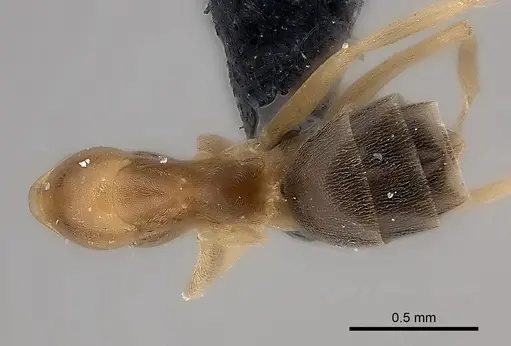
CASENT0905112
View on AntWeb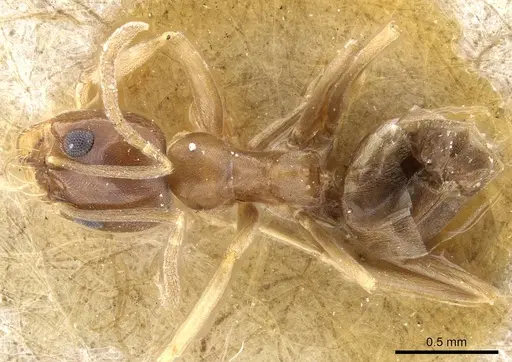
Literature
Loading distribution map...Loading products...