
Dorymyrmex flavescens
- Sci. Name
- Dorymyrmex flavescens
- Tribe
- Leptomyrmecini
- Subfamily
- Dolichoderinae
- Author
- Mayr, 1866
- Distribution
- Found in 1 countries
Introduction
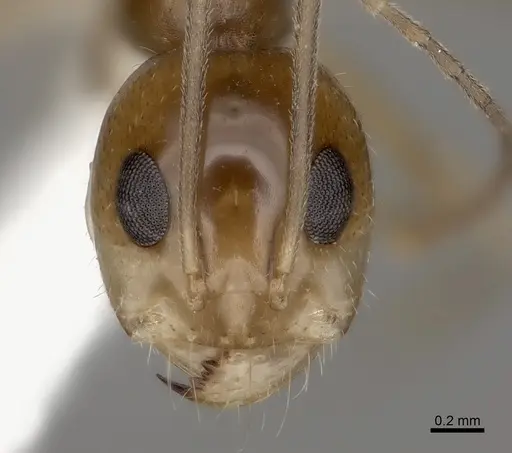
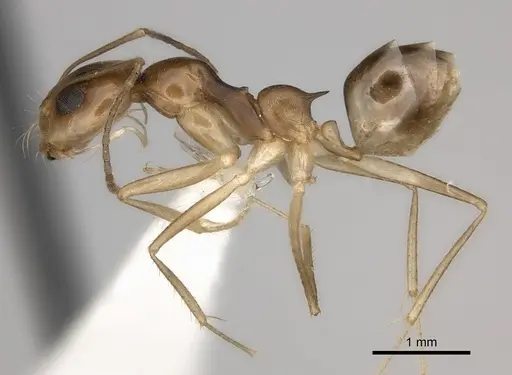
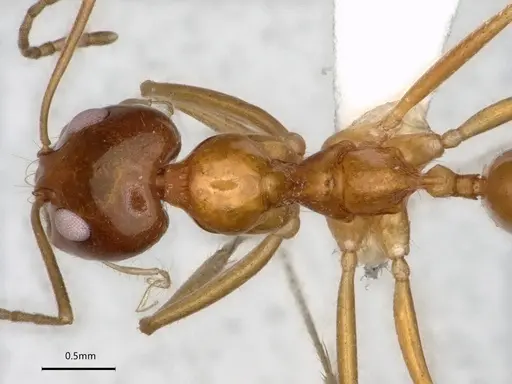
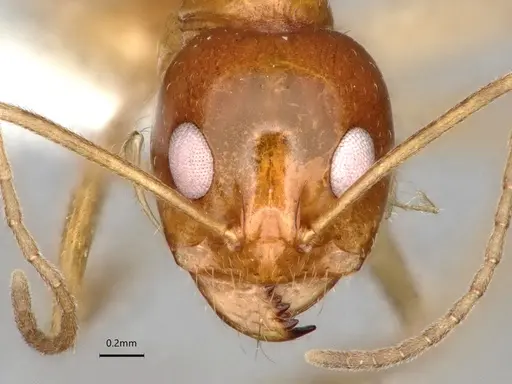
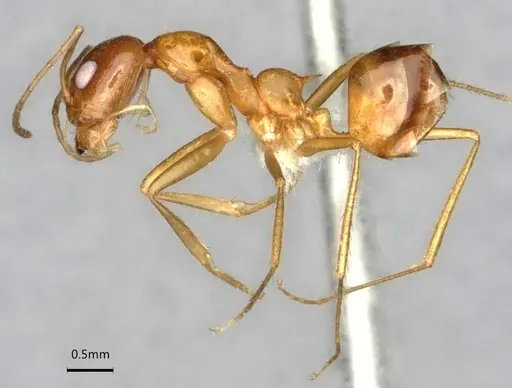
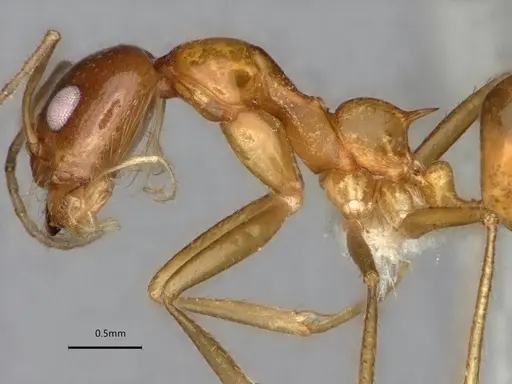
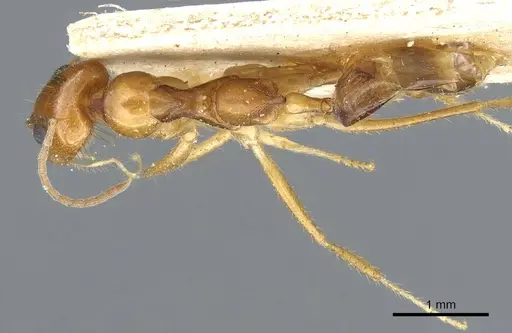
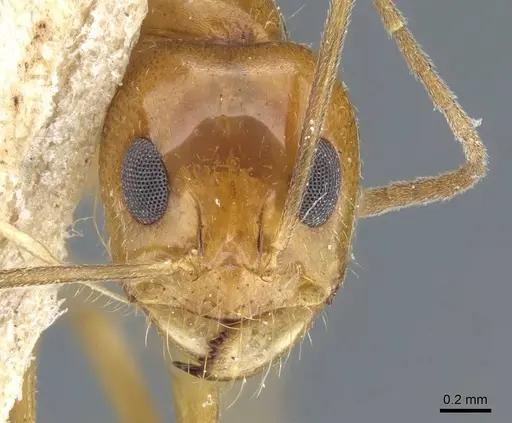
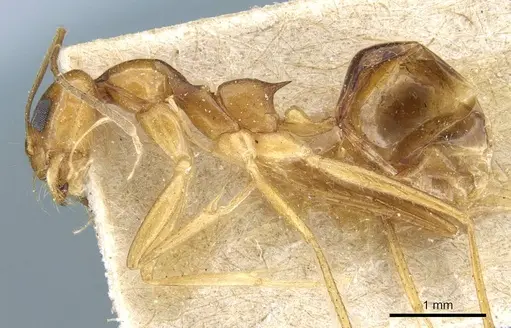
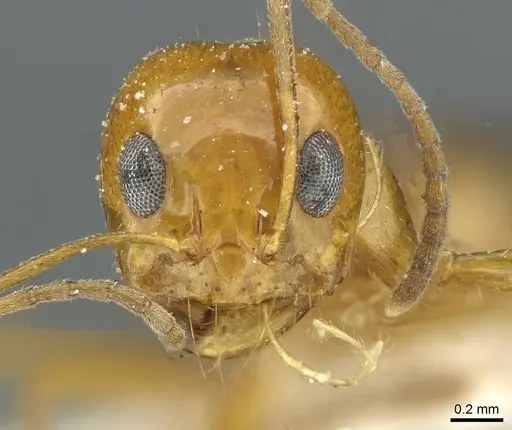
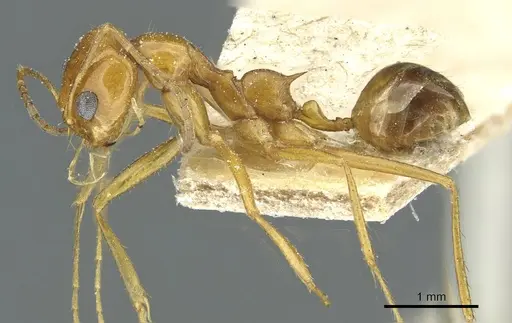
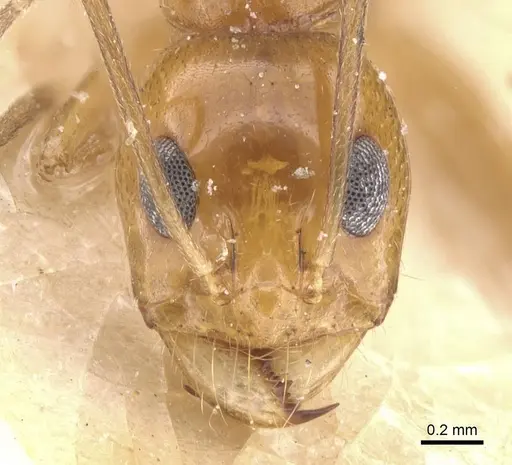
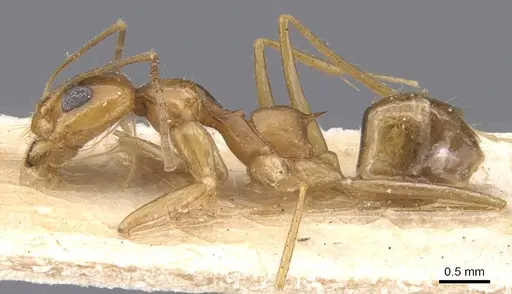
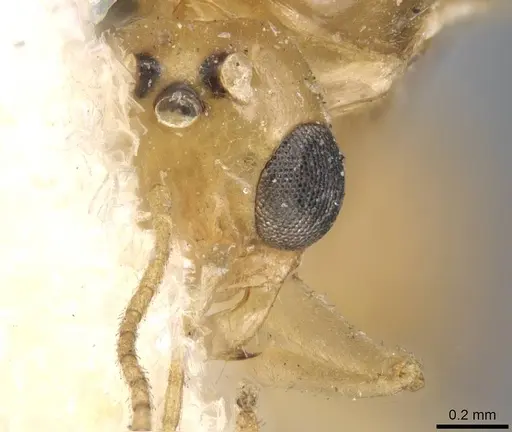
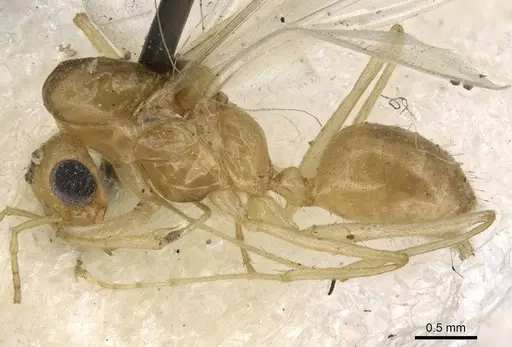
Dorymyrmex flavescens is a yellowish, shiny ant native to Argentina. Workers are approximately 5mm long, and queens are about 8mm . They are found in open areas such as vineyards in Mendoza . This species is the type species for the D. flavescens group, meaning it serves as the reference for that group . Like other Dolichoderinae ants, they lack a functional stinger and defend themselves by releasing chemicals from their abdomen.
Quick Summary
- Difficulty: Easy
- Origin & Habitat: Native to Argentina, particularly in open areas like vineyards in Mendoza, Rio Negro, and Chubut provinces [3][4][6].
- Colony Type: Likely monogyne based on typical Dorymyrmex patterns, but unconfirmed.
- Size & Growth:
- Antkeeping:
- Temperature: Keep at warm temperatures, roughly 24-28°C, based on their habitat in Argentina [3].
- Humidity: Provide a humidity gradient, mostly dry nest with one small moist area, as they inhabit dry open areas [3].
- Diapause: Yes, likely requires winter diapause of 2-3 months at 10-15°C based on their temperate range [6].
- Nesting: Ground-nesting species that prefers dry conditions. Use Y-tong or plaster nests with a dry substrate [3].
- Behavior: Workers are active foragers and not aggressive toward keepers. They will defend their nest if threatened. Escape risk is moderate due to their size [1].
- Common Issues: high humidity can cause colony decline, keep nest conditions relatively dry., skipping winter diapause can weaken colonies over time., queens may be difficult to establish, ensure minimal disturbance during founding., colonies grow slowly, be patient and avoid overfeeding.
Nest Preferences and Housing
Dorymyrmex flavescens is a ground-nesting species that naturally creates nests in soil, often in open sunny areas [3]. In captivity, use Y-tong or plaster nests to control humidity. Provide a dry substrate with a small moist area, as these ants prefer dry conditions [3]. Start colonies in a test tube setup, then move to a proper nest once they have 20-30 workers.
Feeding and Diet
These ants are omnivorous. Offer sugar water or honey constantly for energy, and provide small insects like fruit flies or mealworms 2-3 times per week for protein [4]. Place food in the outworld for easy access.
Temperature and Seasonal Care
Keep the nest at warm temperatures around 24-28°C during active seasons [3]. During winter, reduce temperatures to 10-15°C for a 2-3 month diapause period [6].
Behavior and Temperament
Workers are active foragers and will defend their nest if threatened. They communicate through chemical trails and are diurnal [1]. Escape risk is moderate due to their size, so standard barriers work well.
Frequently Asked Questions
How long does it take for Dorymyrmex flavescens to raise first workers?
Expect first workers in 6-8 weeks at warm temperatures, based on typical Dolichoderinae development [6].
What temperature should I keep Dorymyrmex flavescens at?
Keep the nest at roughly 24-28°C during active seasons, based on their habitat in Argentina [3].
Do Dorymyrmex flavescens need hibernation?
Yes, they likely require a winter diapause of 2-3 months at 10-15°C based on their temperate range [6].
Can I keep multiple Dorymyrmex flavescens queens together?
This species is likely monogyne, so only one queen per colony is recommended. Combining queens may lead to fighting.
What do Dorymyrmex flavescens eat?
They are omnivorous. Offer sugar water constantly and feed small insects like fruit flies 2-3 times per week [4].
Are Dorymyrmex flavescens good for beginners?
Yes, they are considered easy to keep due to their resilience and straightforward care requirements.
How big do Dorymyrmex flavescens colonies get?
Colony size data is unavailable, but based on genus patterns, they may reach several hundred workers.
When should I move Dorymyrmex flavescens from a test tube to a formicarium?
Move them once the colony has 20-30 workers and the test tube is cramped, ensuring the new nest provides dry conditions.
Why is my Dorymyrmex flavescens colony declining?
Common causes include excessive humidity, improper temperatures, or skipping diapause. Ensure conditions match their natural dry habitat [3].
Report an Issue
The current care sheet is based fully on literature. See inconsistencies, or something that's incorrect? Please , it will be resolved after review from an admin. Contributing to the blogs tab also helps providing information, to make us be able to further improve the caresheets. Thank you for your support!
References

This caresheet is licensed under CC BY-SA 4.0 .
Community Blogs
CASENT0217408
View on AntWeb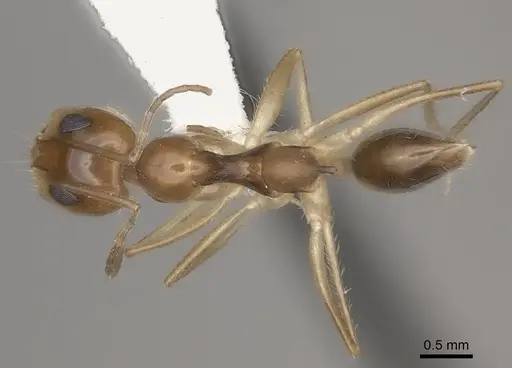
CASENT0841496
View on AntWeb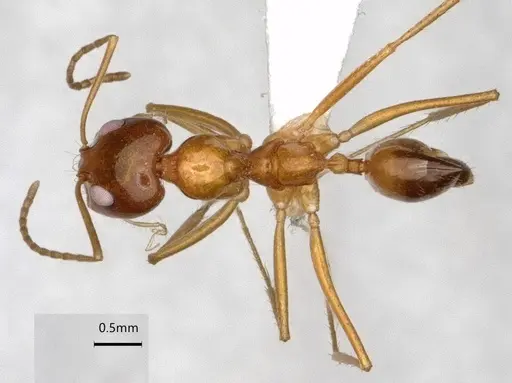
CASENT0905111
View on AntWeb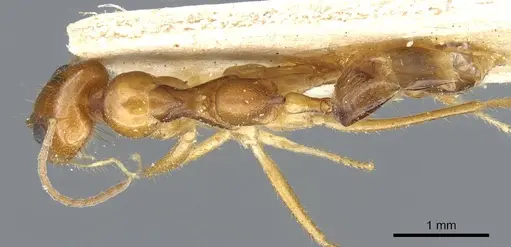
CASENT0911540
View on AntWeb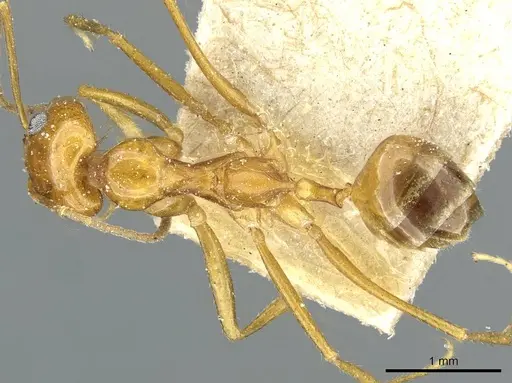
CASENT0911541
View on AntWeb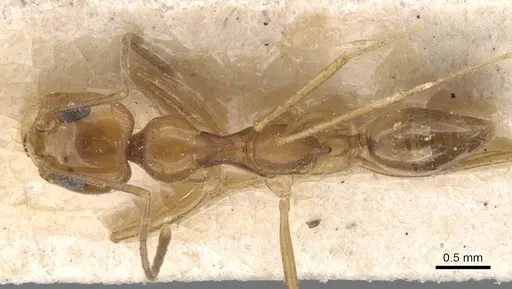
CASENT0915584
View on AntWeb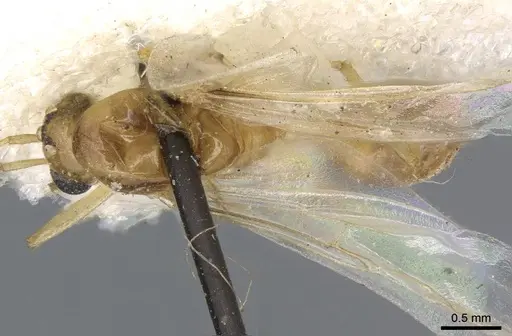
Literature
Loading distribution map...Loading products...