
Dorymyrmex exsanguis
- Sci. Name
- Dorymyrmex exsanguis
- Tribe
- Leptomyrmecini
- Subfamily
- Dolichoderinae
- Author
- Forel, 1912
- Distribution
- Found in 3 countries
Introduction
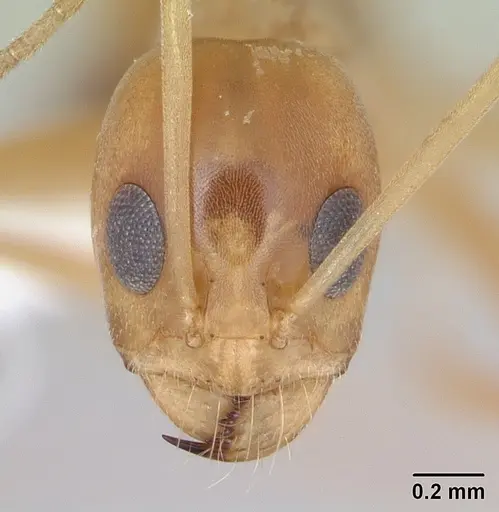
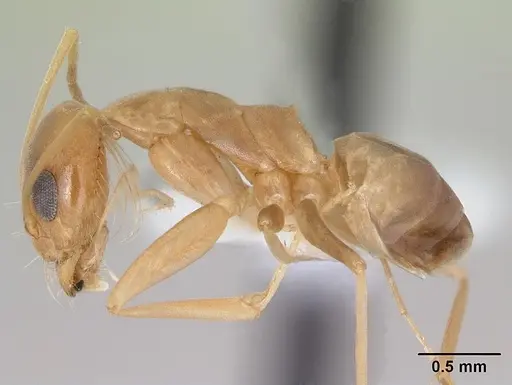
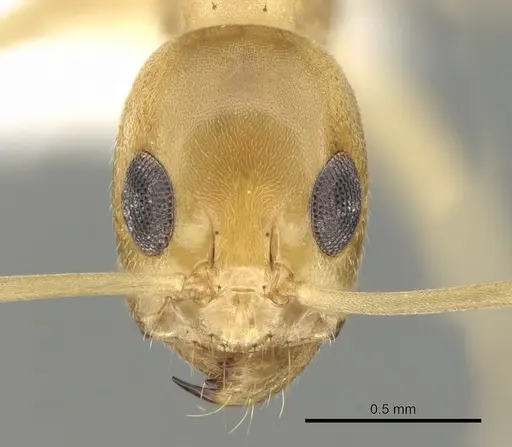
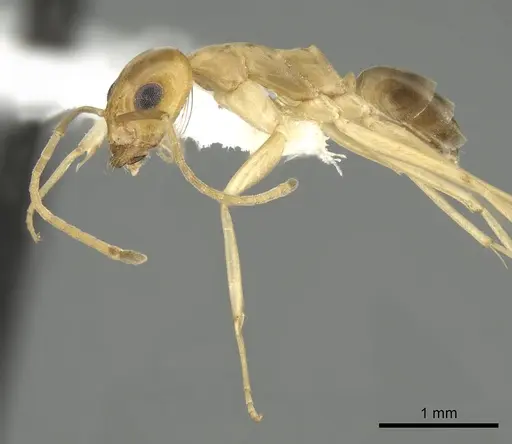
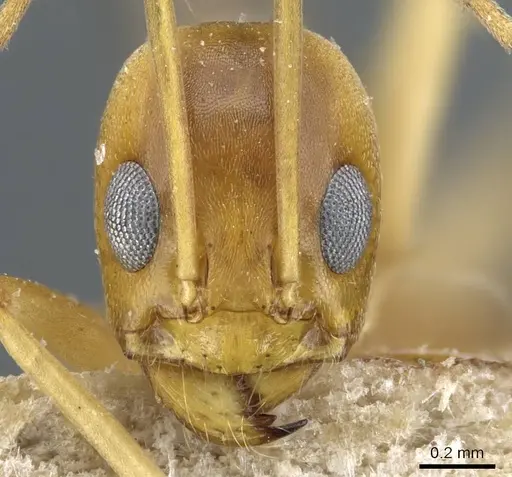
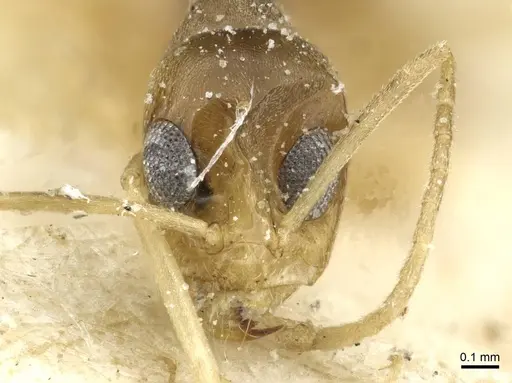
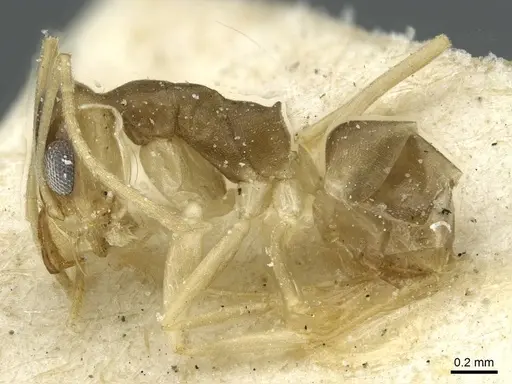
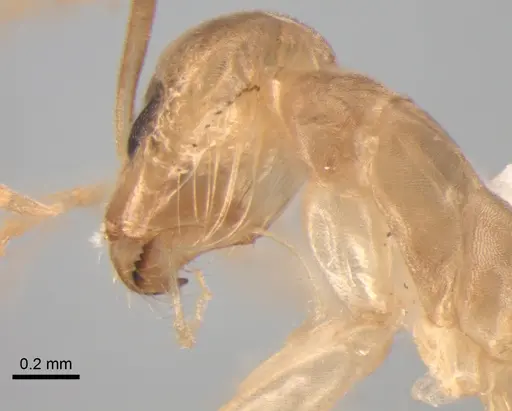
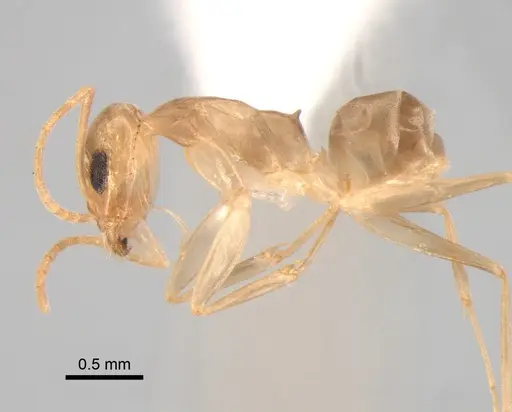
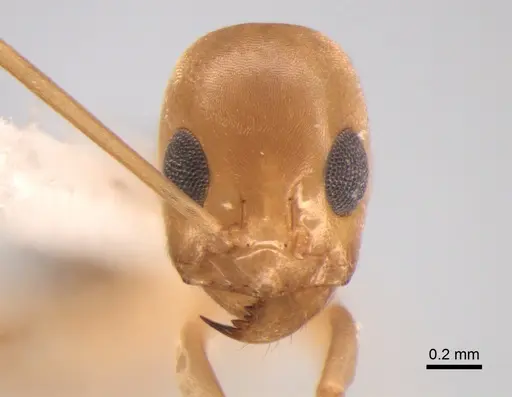
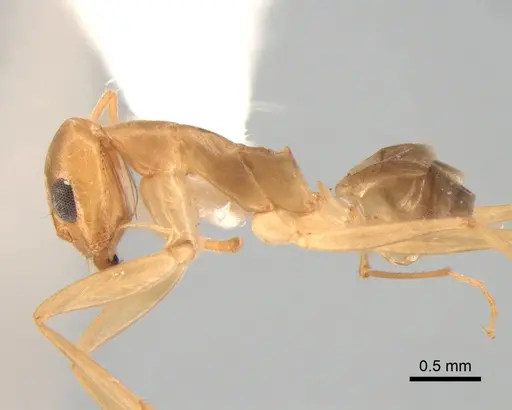
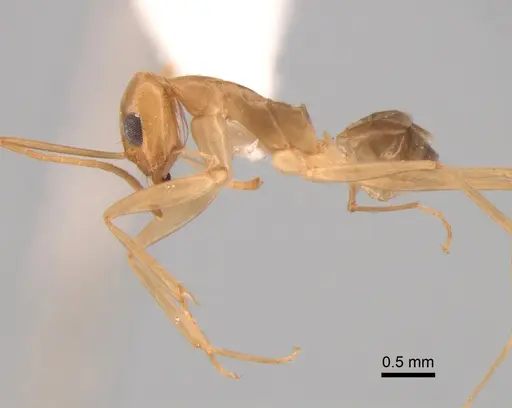
Dorymyrmex exsanguis is a small ant native to Argentina and Paraguay, found in arid to semi-arid environments like the Argentine Chaco and Caldenal district . Workers are inferred to be around 3-4 mm from Dorymyrmex genus patterns, and queens slightly larger. This species belongs to the Dolichoderinae subfamily and is part of the tener group, characterized by a well-developed psammophore . This species shows ecological flexibility, being found in both natural habitats and disturbed areas like eucalyptus plantations and agricultural land .
Quick Summary
- Difficulty: Medium
- Origin & Habitat: Native to the Neotropical region, specifically Argentina and Paraguay. Found in the Argentine Chaco, Caldenal district, and arid to semi-arid environments [1][2][5].
- Colony Type: Colony structure is unconfirmed, no specific data on queen number or social structure.
- Size & Growth:
- Queen: size unknown, inferred from Dorymyrmex genus (~5-7 mm)
- Worker: size unknown, inferred from Dorymyrmex genus (~3-4 mm)
- Colony: up to several hundred workers
- Growth: Moderate
- Development: 6-10 weeks (Development time inferred, specific data for D. exsanguis is not available)
- Antkeeping:
- Temperature: Keep warm, roughly 22-26°C, based on temperate origin.
- Humidity: Low to moderate. Keep nest substrate dry to slightly moist, based on arid habitats [5][2].
- Diapause: Yes, likely required for 2-3 months at 10-15°C during winter, based on temperate origin.
- Nesting: Ground-nesting species. In captivity, use sand-based substrate or Y-tong/plaster nests with compact chambers.
- Behavior: Dorymyrmex exsanguis is an active forager with predatory tendencies. Based on related species, they may hunt small insects. Workers are moderately aggressive when defending the nest. Small size requires escape prevention.
- Common Issues: excessive humidity can harm arid-adapted species, limited availability in the antkeeping hobby due to restricted range, predatory feeding requirements may challenge beginners, winter diapause is likely required but specific timing is unclear, ground-nesting nature requires appropriate setup, test tubes alone may not be ideal
Nest Preferences and Housing
Dorymyrmex exsanguis is a ground-nesting species. Based on Dorymyrmex genus patterns, they prefer sand-based substrates with compact chambers for tunnel construction. In captivity, use Y-tong or plaster nests designed for ground-dwelling ants. Provide a digging medium that allows workers to create proper tunnel systems.
Feeding and Diet
Dorymyrmex exsanguis is primarily predatory, hunting small insects. Feed them small live prey such as fruit flies or pinhead crickets. Protein should form the bulk of their diet, with occasional sugar sources.
Temperature and Seasonal Care
Keep Dorymyrmex exsanguis at temperatures between 22-26°C, with a slight gradient for thermoregulation. During winter, provide a diapause period at 10-15°C for 2-3 months to simulate natural seasonal cycles.
Behavior and Temperament
This species is active foragers with moderate aggression when defending the nest. Workers are small but alert, requiring escape prevention with fine mesh or barrier tape. Colonies maintain organized foraging patterns.
Ecological Preferences
Dorymyrmex exsanguis shows ecological flexibility, found in both natural habitats and disturbed areas like eucalyptus plantations and agricultural land [4][5]. It is associated with highly disturbed transects, suggesting adaptability to human-modified landscapes [5].
Frequently Asked Questions
How long does it take for Dorymyrmex exsanguis to produce first workers?
Specific development data is not available. Based on related Dolichoderinae species, expect first workers approximately 6-10 weeks after queen lays eggs, assuming optimal temperature around 24-26°C.
What do Dorymyrmex exsanguis ants eat?
They are primarily predatory, hunting small insects. Feed them small live prey like fruit flies or pinhead crickets.
Are Dorymyrmex exsanguis good for beginners?
They are rated as Medium difficulty. They require specific conditions (moderate warmth, lower humidity) and a predatory diet. Their ground-nesting nature needs appropriate housing.
Do Dorymyrmex exsanguis need hibernation?
Yes, likely required. Based on their temperate origin, they benefit from a winter rest period at 10-15°C for 2-3 months.
What type of nest is best for Dorymyrmex exsanguis?
Ground-nesting species do well in naturalistic setups with sand-based substrate or Y-tong/plaster nests. Provide compact chambers scaled to their small size.
How big do Dorymyrmex exsanguis colonies get?
Specific colony size data is not documented. Based on Dorymyrmex genus patterns, colonies likely reach up to several hundred workers.
Can I keep multiple Dorymyrmex exsanguis queens together?
Colony structure is unconfirmed. Based on typical Dorymyrmex patterns, they likely form single-queen colonies, but combining queens is not recommended without evidence.
Why are my Dorymyrmex exsanguis dying?
Common issues include excessive humidity, improper temperature, insufficient protein, and stress from inappropriate housing. Ensure escape prevention due to small size and provide winter diapause.
Where is Dorymyrmex exsanguis native to?
They are native to Argentina and Paraguay, found in the Argentine Chaco and Caldenal district [1][2].
Report an Issue
The current care sheet is based fully on literature. See inconsistencies, or something that's incorrect? Please , it will be resolved after review from an admin. Contributing to the blogs tab also helps providing information, to make us be able to further improve the caresheets. Thank you for your support!
References

This caresheet is licensed under CC BY-SA 4.0 .
Community Blogs
CASENT0173847
View on AntWeb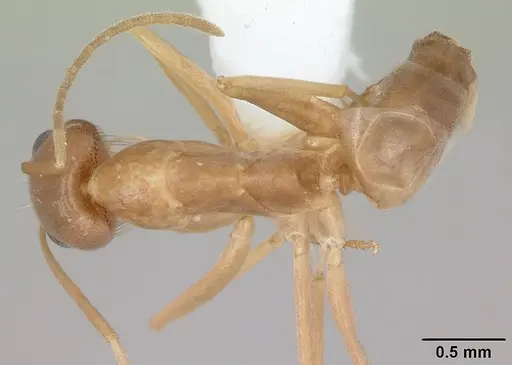
CASENT0249685
View on AntWeb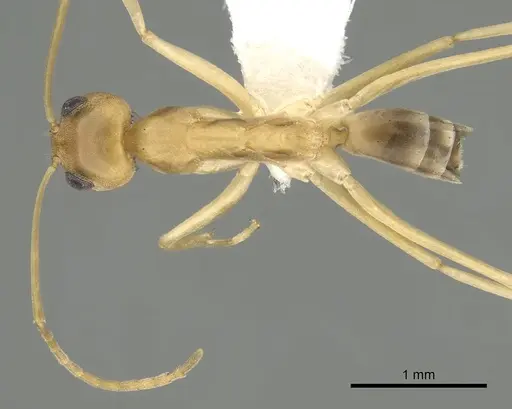
CASENT0905113
View on AntWeb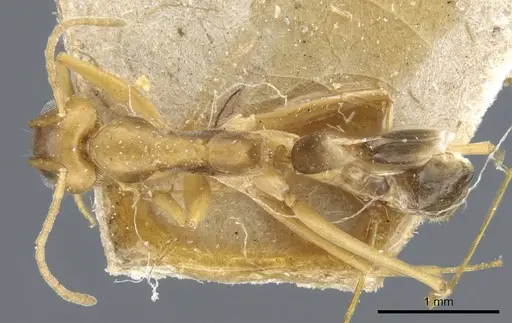
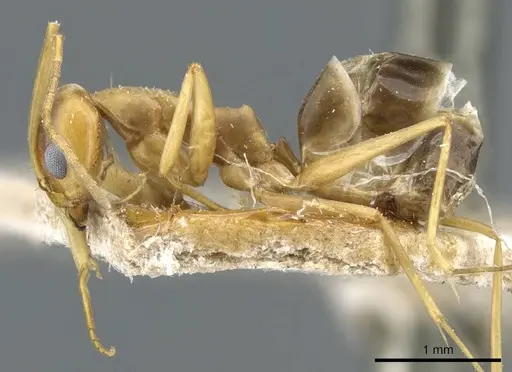
CASENT0907620
View on AntWeb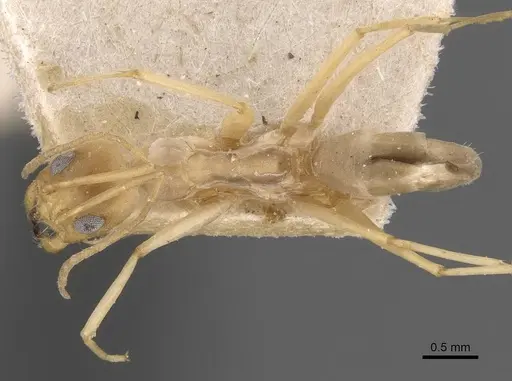
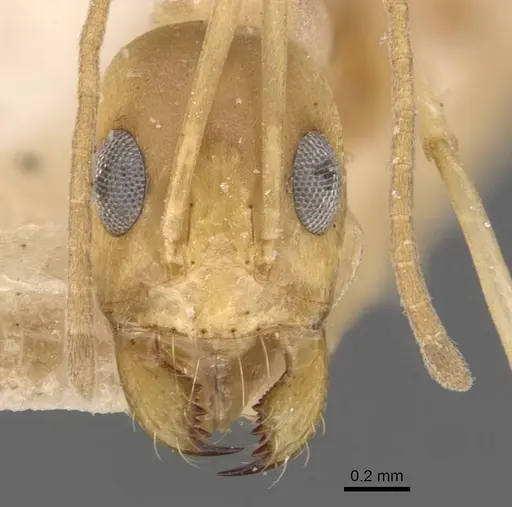
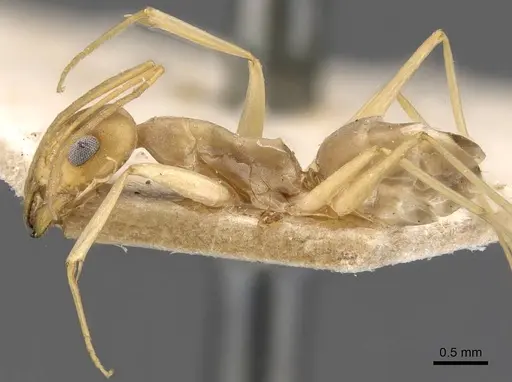
CASENT0907621
View on AntWeb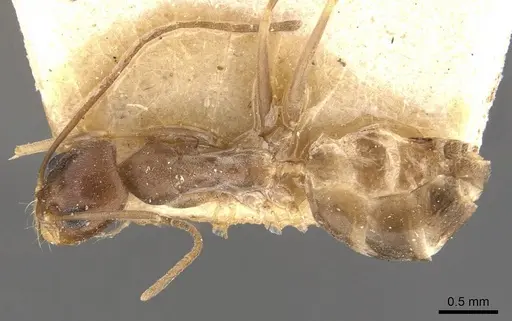
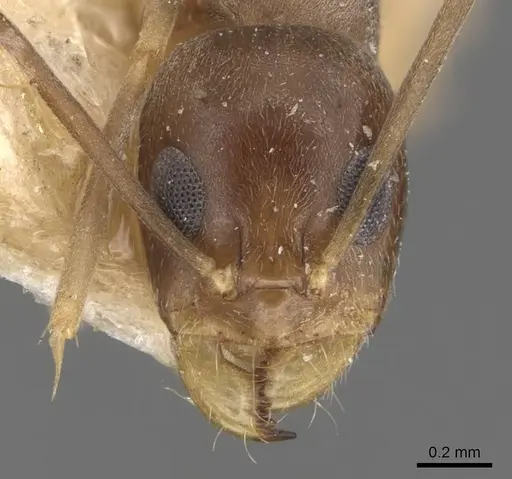
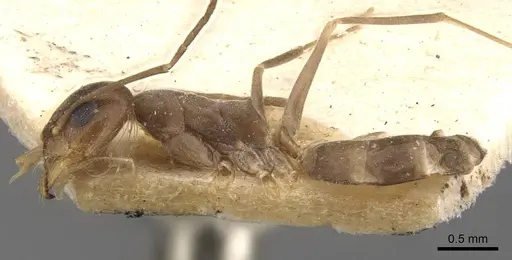
CASENT0909751
View on AntWeb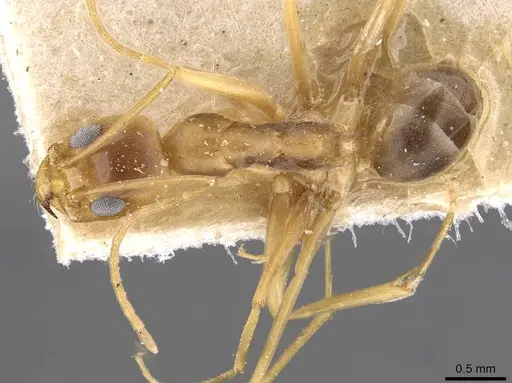
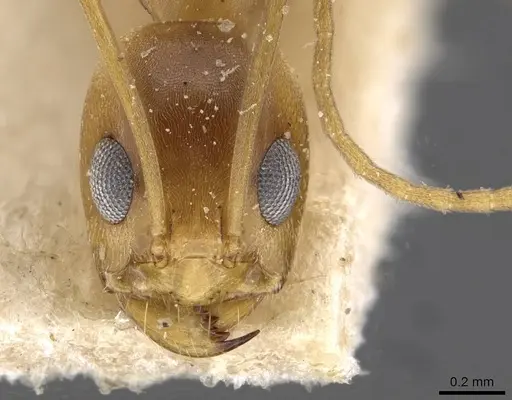
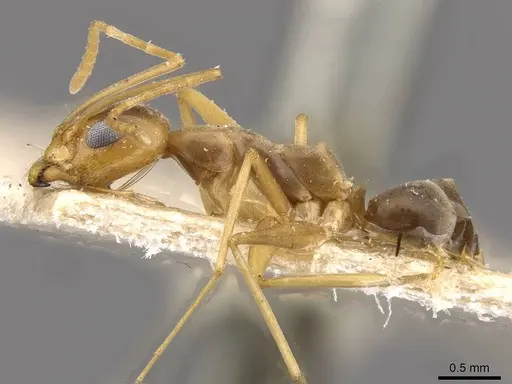
CASENT0909752
View on AntWeb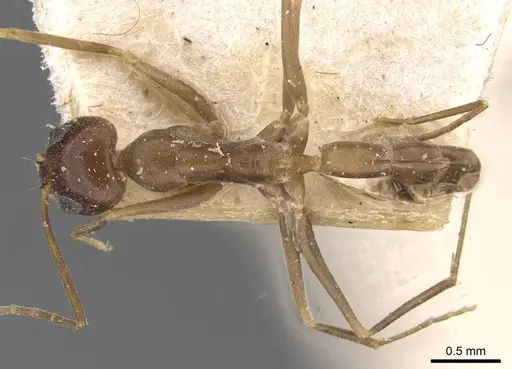
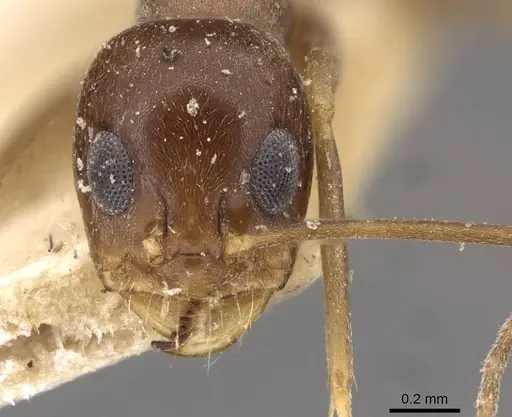
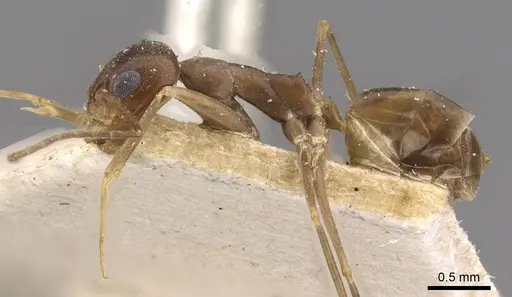
CASENT0911519
View on AntWeb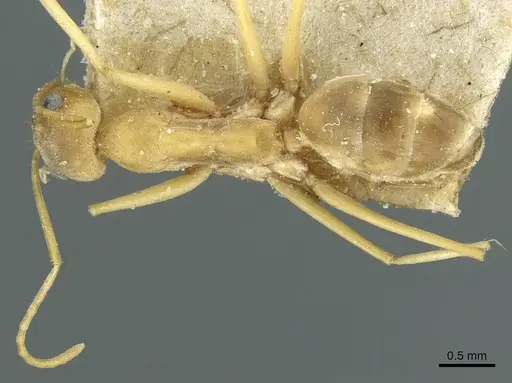
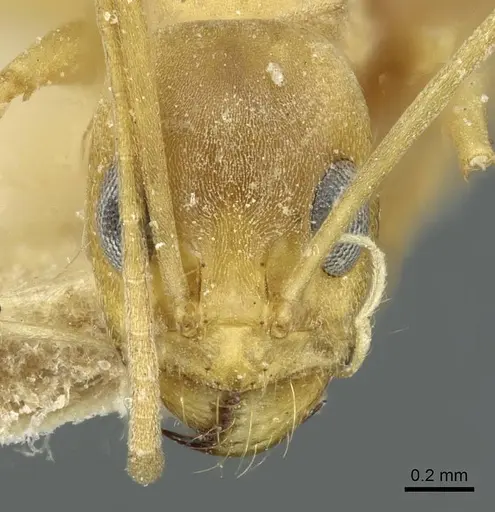
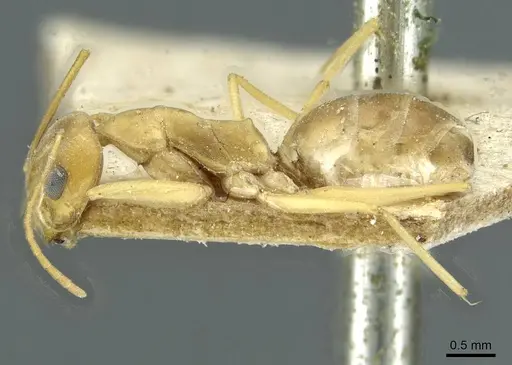
CASENT0911520
View on AntWeb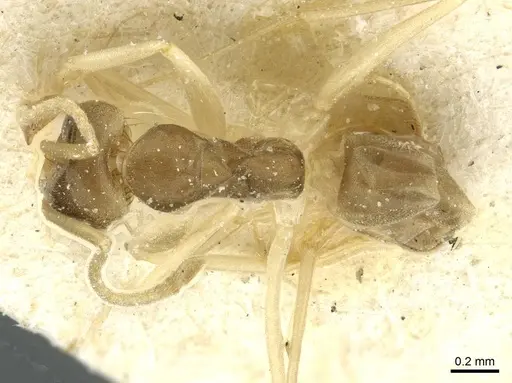
DZUP517940
View on AntWeb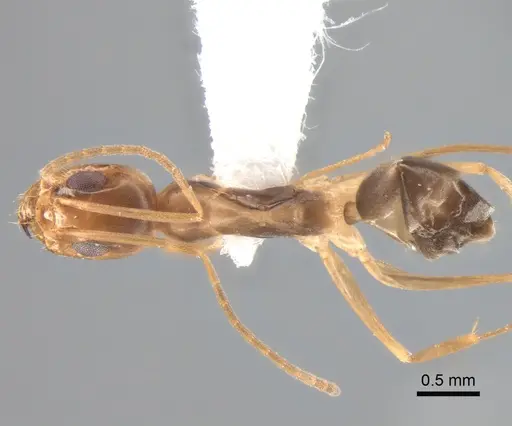
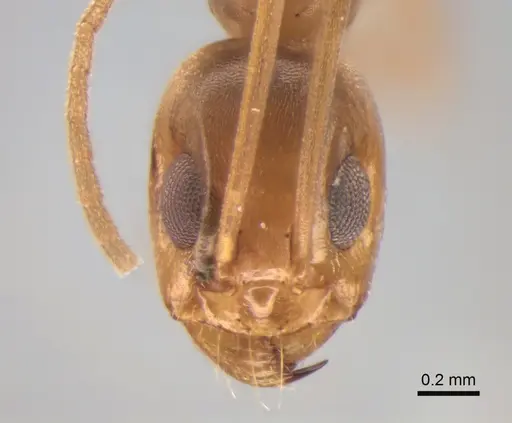
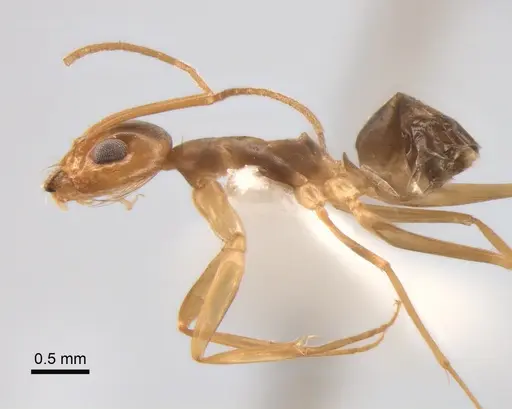
DZUP517948
View on AntWeb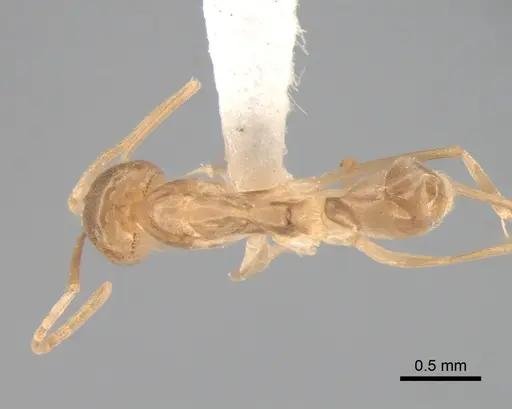
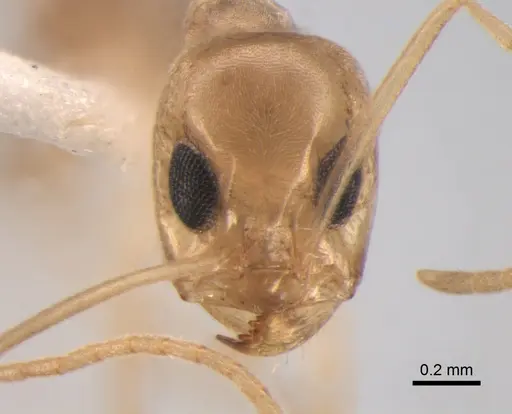
DZUP517949
View on AntWeb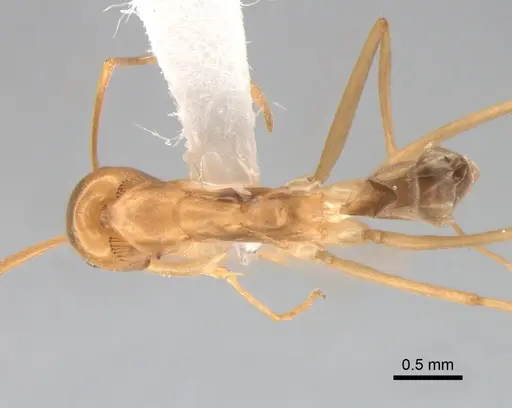
Literature
Loading distribution map...Loading products...