
Dorymyrmex chilensis
- Sci. Name
- Dorymyrmex chilensis
- Tribe
- Leptomyrmecini
- Subfamily
- Dolichoderinae
- Author
- Forel, 1911
- Distribution
- Found in 1 countries
Introduction
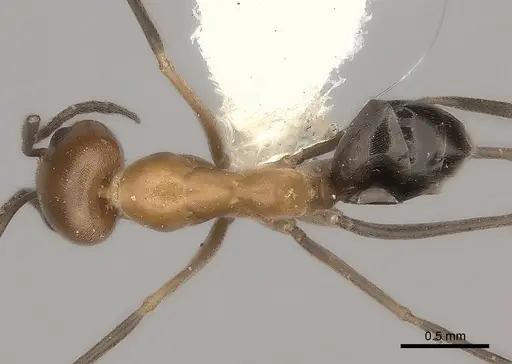
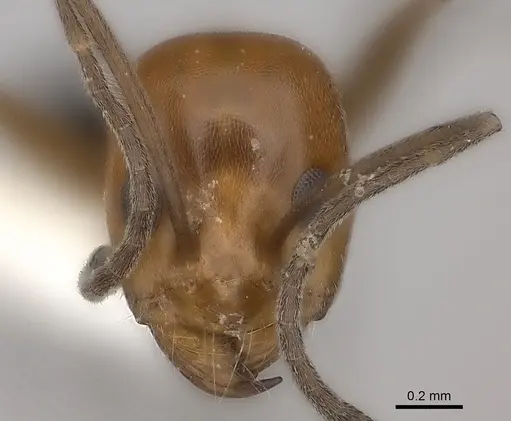
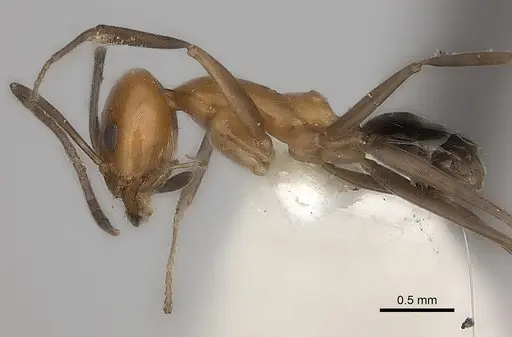
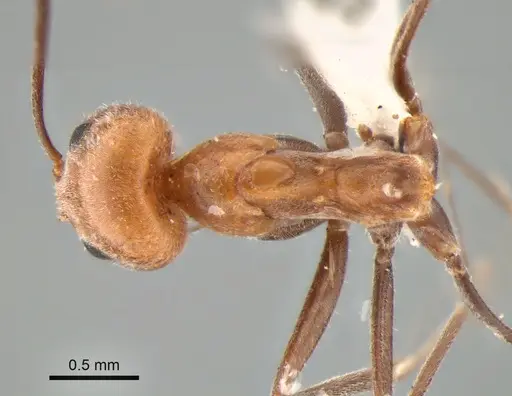
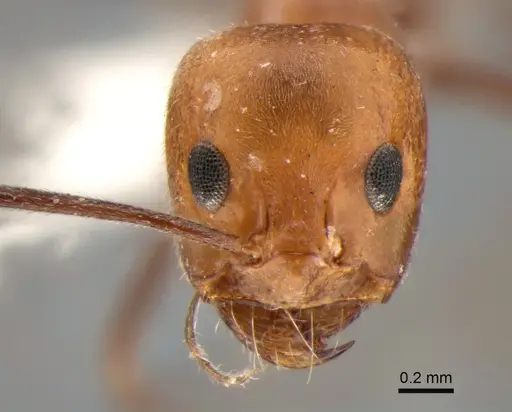
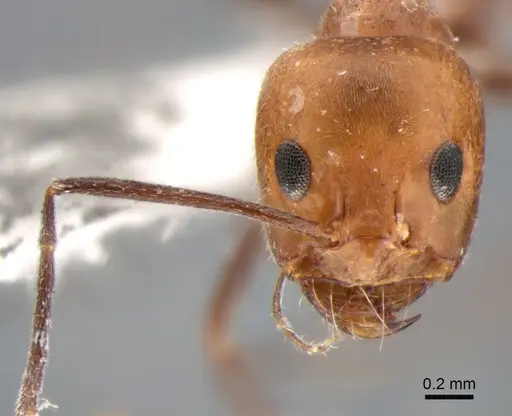
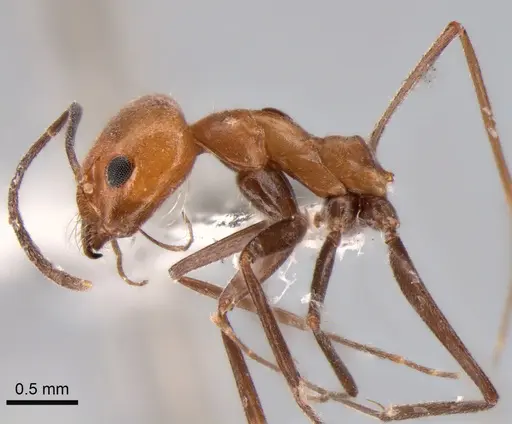
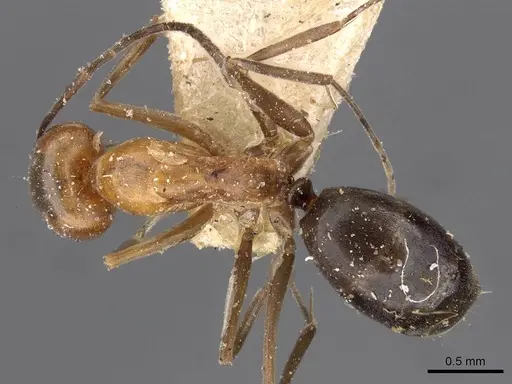
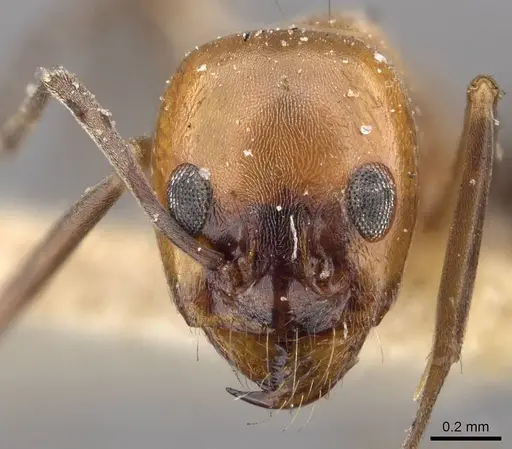
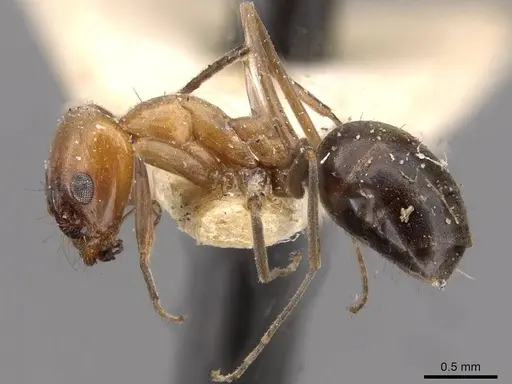
Dorymyrmex chilensis is a small ant species native to Chile, belonging to the Dolichoderinae subfamily. Workers have the characteristic conical head shape typical of Dorymyrmex species, often called pyramid ants due to their distinctive nest mound architecture. The species was originally described as a variety of Dorymyrmex tener in 1911 before being raised to full species status in 1976 . These ants inhabit dry to extremely arid environments across central Chile, ranging from Coquimbo in the north to Termas de Chillán in the south, with additional records in Peru . This species thrives in arid to semi-arid environments, making it well-suited for antkeepers who prefer low-maintenance species. They are active foragers with moderate colony growth rates and exhibit typical Dolichoderine behavior of forming distinct nest mounds in open ground.
Quick Summary
- Difficulty: Easy
- Origin & Habitat: Central to northern Chile, from Coquimbo to Termas de Chillán, with populations also recorded in Peru (Ica and the Naszca Plain). Inhabits dry to extremely arid habitats including western coastal desert, highland steppes, and open arid plains [2][3].
- Colony Type: Colony structure is unconfirmed. Based on typical Dorymyrmex genus patterns, likely single-queen colonies.
- Size & Growth:
- Queen: Size data unavailable, inferred from Dorymyrmex genus (~6-8mm)
- Worker: Size data unavailable, inferred from Dorymyrmex genus (~3-4mm)
- Colony: Several hundred workers, estimated from related Dorymyrmex species
- Growth: Moderate
- Development: Development time is unconfirmed for this species (Direct observations for this specific species are not available in the research literature)
- Antkeeping:
- Temperature: Keep at 22-26°C. They prefer warm conditions consistent with their native arid habitat. A heating cable on one side of the nest creates a temperature gradient they can regulate themselves.
- Humidity: Low to moderate. These are dry habitat ants, keep substrate moderately dry, allowing some areas to dry completely between waterings. Avoid constant damp conditions.
- Diapause: Likely requires a mild winter rest period based on temperate Chilean distribution. Reduce feeding and keep cool during this period.
- Nesting: Naturalistic setup with dry substrate works well. They prefer digging in loose, sandy soil and will establish distinct nest mounds. Y-tong or plaster nests with dry chambers are suitable alternatives.
- Behavior: Generally peaceful and non-aggressive toward keepers. Workers are active foragers, readily exploring outworlds for food. They do not have a functional sting, instead, they secrete defensive chemical compounds from a slit-like opening at the tip of the abdomen as is typical for Dolichoderinae ants. Escape risk is moderate, standard barriers work well for this size class. They form visible foraging trails and can be quite active during peak hours.
- Common Issues: dry habitat requirements mean overwatering is a common mistake that leads to mold and colony stress, colonies may struggle if humidity is kept too high, ensure good ventilation, mild winter rest is important for reproductive health, skipping diapause may prevent colony growth, slow initial growth during founding phase can lead to overfeeding, resist the urge to overfeed new colonies, wild-caught colonies may contain parasites, quarantine and observe new colonies before introducing to established setups
Housing and Nest Setup
Dorymyrmex chilensis adapts well to various captive setups. A naturalistic terrarium with sandy substrate allows them to dig and create their characteristic mound-like nest entrances. The substrate should be loose and well-draining, a mix of sand and dry soil works well. Alternatively, Y-tong nests or plaster nests with dry chambers provide suitable housing. These ants prefer drier conditions than many tropical species, so ensure adequate ventilation to prevent moisture buildup. A shallow water dish in the outworld provides drinking water without increasing nest humidity. [2][3]
Feeding and Diet
Like other Dolichoderinae ants, Dorymyrmex chilensis is omnivorous with a preference for sugar sources. Offer sugar water, honey, or diluted maple syrup as a constant food source. They also readily accept small protein sources including fruit flies, small crickets, mealworms, and other tiny insects. In the wild, they likely forage for honeydew from aphids and scale insects, so sugar sources are particularly important for colony health. Feed protein 2-3 times per week and keep sugar water available at all times. Remove uneaten prey after 24 hours to prevent mold.
Temperature and Seasonal Care
Maintain temperatures between 22-26°C for optimal colony activity and brood development. These ants come from temperate Chile, so they can tolerate cooler temperatures but grow best in warmth. During winter, reduce temperatures to simulate their natural seasonal cycle. This winter rest period supports colony health and may trigger reproductive behavior in established colonies. Reduce feeding during this period but keep water available. [2]
Behavior and Colony Dynamics
Dorymyrmex chilensis forms moderate-sized colonies. Workers are active foragers and will establish visible trails when searching for food. The genus name refers to their pyramid-shaped nest mounds, which your colony may recreate in a naturalistic setup. They are generally docile and easy to handle, making them suitable for antkeepers of experience levels. Unlike some Dolichoderinae, they do not form supercolonies or exhibit extreme aggression. Colony growth is moderate.
Frequently Asked Questions
How long does it take for Dorymyrmex chilensis to produce first workers?
Specific development timing for this species has not been documented. Expect first workers approximately 6-8 weeks after the queen lays eggs, assuming temperatures around 24-26°C, but this is an estimate based on related Dolichoderinae species.
What temperature range is best for Dorymyrmex chilensis?
Keep them at 22-26°C. They prefer warm conditions matching their native Chilean habitat. A slight temperature gradient allows the colony to regulate its own conditions.
Can I keep multiple Dorymyrmex chilensis queens together?
Colony structure is unconfirmed for this species. Based on typical Dorymyrmex patterns, they likely have single-queen colonies. Combining unrelated queens is not recommended as they likely will fight. A single established queen colony is the standard approach.
How often should I feed Dorymyrmex chilensis?
Offer sugar water constantly, it should always be available. Feed protein (insects) 2-3 times per week. Remove uneaten prey after 24 hours. Adjust based on colony size, larger colonies consume more food.
Do Dorymyrmex chilensis need hibernation?
Yes, they benefit from a mild winter rest period based on their temperate Chilean distribution. Keep them at cooler temperatures for several weeks during winter. Reduce feeding during this time but maintain water access. This rest period supports long-term colony health.
What humidity level is ideal for Dorymyrmex chilensis?
Keep conditions dry to moderately humid. These are arid habitat ants, allow substrate to dry between waterings. Good ventilation is important to prevent mold. Avoid the damp conditions preferred by tropical species.
Are Dorymyrmex chilensis good for beginners?
Yes, they are considered an easy species to keep. They are docile, tolerate handling well, and have straightforward care requirements. Their dry habitat needs are simple to meet, and they are not prone to escaping like some tiny species.
When should I move Dorymyrmex chilensis to a formicarium?
You can keep them in a test tube setup for the founding phase. Once the colony reaches 30-50 workers and you see them actively foraging in the outworld, consider transitioning to a naturalistic setup or Y-tong nest. They do well in various setups as long as dry conditions are maintained.
How big do Dorymyrmex chilensis colonies get?
Colonies typically reach several hundred workers. Growth is moderate. Established colonies are impressive foragers.
Report an Issue
The current care sheet is based fully on literature. See inconsistencies, or something that's incorrect? Please , it will be resolved after review from an admin. Contributing to the blogs tab also helps providing information, to make us be able to further improve the caresheets. Thank you for your support!
References

This caresheet is licensed under CC BY-SA 4.0 .
Community Blogs
Literature
Loading distribution map...Loading products...