
Antillean Pyramid Ant
Dorymyrmex antillanus
- Sci. Name
- Dorymyrmex antillanus
- Tribe
- Leptomyrmecini
- Subfamily
- Dolichoderinae
- Author
- Snelling, 2005
- Common Name
- Antillean Pyramid Ant
- Distribution
- Found in 9 countries
Introduction
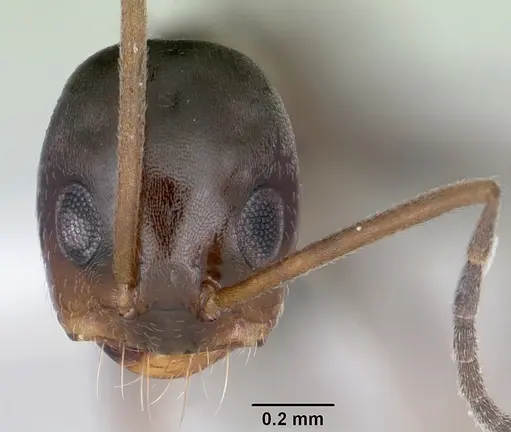
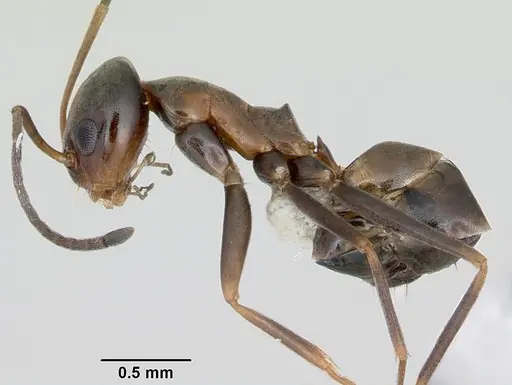
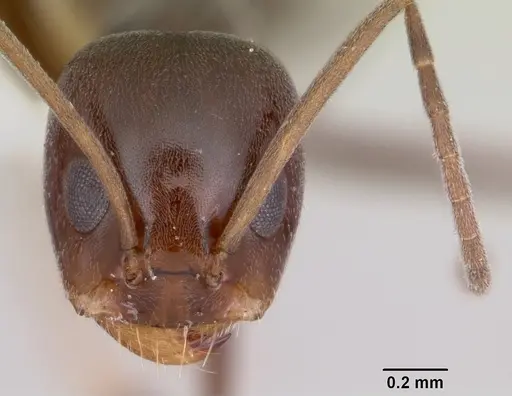
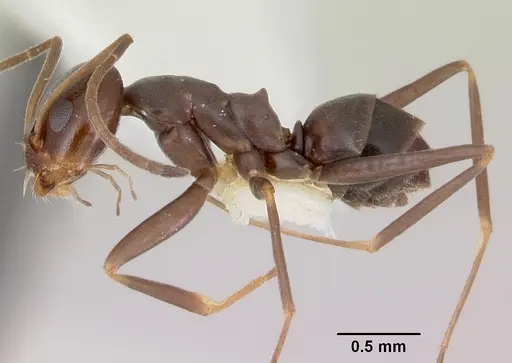
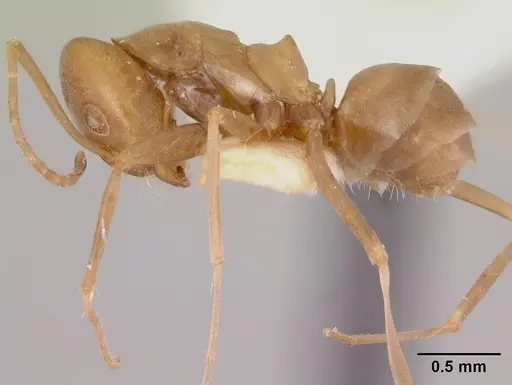
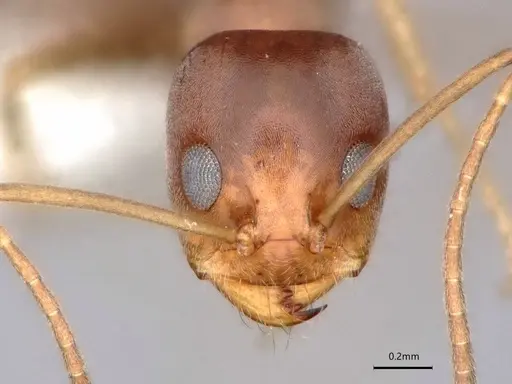
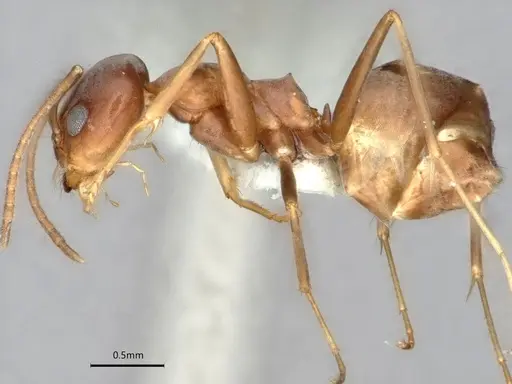
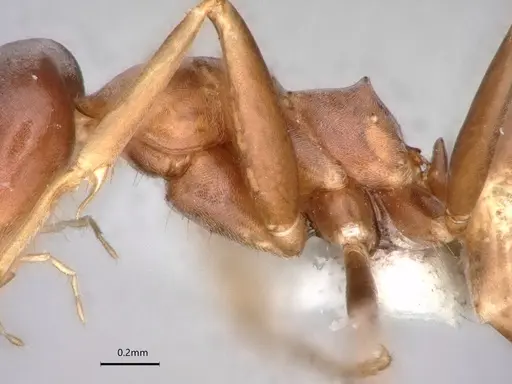
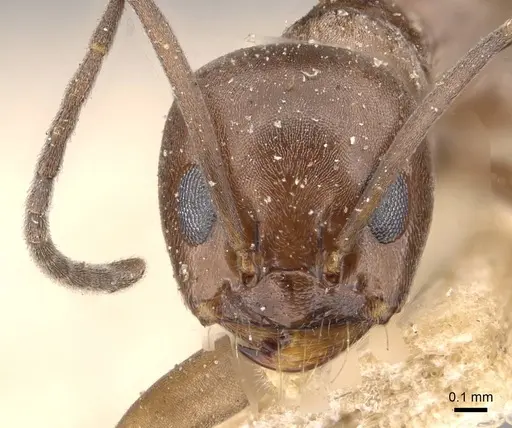
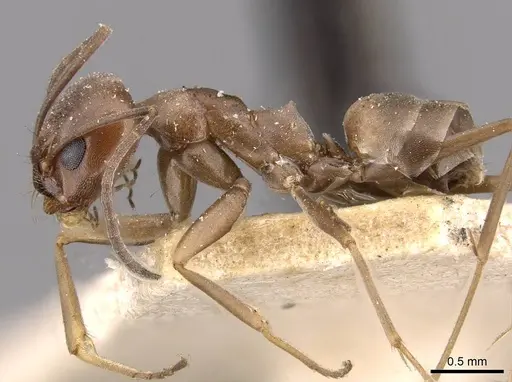
Dorymyrmex antillanus is a small, heat-loving ant native to the Caribbean islands, including the Greater and Lesser Antilles. Workers are fast-moving and about 3-4 mm long. They build nests in open sandy areas, with small conical mounds of excavated soil around the entrance . These ants are active even during the hottest part of the day, and you'll see them running rapidly in and out of their nest openings . This species was elevated from synonymy with Dorymyrmex insanus in 2005 .
Quick Summary
- Difficulty: Easy
- Origin & Habitat: Native to the Caribbean islands, including Dominican Republic, Haiti, Puerto Rico, Grenada, and St. Vincent. Found in dry forest, beach scrub, and open sandy areas from sea level to 2,000 m elevation [1][4]. They thrive in warm, sunny habitats and are commonly seen foraging even during peak heat [1].
- Colony Type: Colony structure is not well-documented. Based on typical Dorymyrmex patterns, likely single‑queen (monogyne) colonies. Founding behavior remains unconfirmed.
- Size & Growth:
- Queen: Estimated 5-6 mm based on genus averages – no direct measurements available for this species
- Worker: Approximately 3-4 mm based on genus typical sizes [5]
- Colony: Likely several hundred workers based on related species
- Growth: Moderate
- Development: Estimated 6-8 weeks at optimal warm temperatures, inferred from related Dorymyrmex species (Development likely accelerates in warm conditions – these ants are naturally active in extreme heat.)
- Antkeeping:
- Temperature: Keep at 26-32°C – these ants are extremely heat-tolerant and forage actively even in temperatures that would stop most ants [1][2]. Activity drops below 24°C.
- Humidity: Allow the nest substrate to dry out partially between waterings. They nest in sandy, well‑drained soil in the wild, so avoid keeping the nest consistently moist.
- Diapause: Unlikely – as a Caribbean species, they do not experience true hibernation, but may reduce activity during cooler periods in captivity.
- Nesting: Ground‑nesting species that prefers sandy soil. Use a naturalistic setup with sand‑filled chambers or a Y‑tong/plaster nest with a dry nesting area. They build small conical mounds around entrances in the wild [2].
- Behavior: Workers are fast‑moving and highly active, especially in warm conditions. They are not aggressive toward keepers but will defend their nest. They forage on the ground and have been observed climbing trees (arboreal foraging) [1]. Escape prevention is important due to their small size and speed. They are diurnal and heat‑loving, so peak activity occurs under warm conditions.
- Common Issues: heat stress if temperatures exceed 35°C – despite their heat tolerance, prolonged extreme heat can be harmful, colonies may struggle if humidity is too high – they prefer drier nesting conditions, founding behavior is not documented – if you have a newly caught queen, provide a test tube with a small drop of sugar water in case she is not fully claustral, wild‑caught colonies may carry parasites or diseases, ants are very fast – use fluon or similar barriers on test tube rims and ensure all connections are secure
Housing and Nest Setup
Dorymyrmex antillanus is a ground-nesting species that builds nests in open, sandy areas [1]. In captivity, use a naturalistic setup with sandy substrate or a Y‑tong/plaster nest with chambers scaled to the colony. The key is providing a warm, dry nesting area with a foraging zone that mimics their natural habitat. They do not need high humidity – a moderately moist substrate that dries partially between waterings works well. A small water tube for drinking is enough, they get most moisture from food. Escape prevention is crucial given their small size and speed – use fluon on test tube rims and secure all connections.
Feeding and Diet
Dorymyrmex ants are generalist foragers. Offer sugar water or honey for energy, and small insects like crickets or mealworms for protein. They are active foragers and readily take prey. Feed a few times per week – provide sugar constantly if the colony has workers, and protein every 2‑3 days. Remove uneaten prey after 24 hours to prevent mold. Given their heat‑loving nature, they have high metabolic rates and may eat more when kept warm. [5]
Temperature and Seasonal Care
This is a heat‑loving species that thrives in temperatures most ants would avoid. Keep them at 26‑32°C for optimal activity and development. Activity drops below 24°C. They can tolerate temperatures up to 35°C for short periods, but avoid prolonged exposure. As a Caribbean species, they do not require hibernation or diapause. If your room temperature drops, use a gentle heat source like a heating cable on one side of the nest to maintain warmth. They are naturally active during the hottest parts of the day [1][2].
Behavior and Colony Dynamics
Workers are known for their speed – they run rapidly in and out of nest openings [1]. They are not particularly aggressive but will defend their nest if threatened. An interesting trait is their arboreal foraging – workers have been observed climbing trees in the wild [1]. Colonies likely start with a single queen (monogyne), though this specific species has not been extensively studied. The queen is larger than workers and should be given a quiet, dark space during founding. Workers typically appear within 6‑8 weeks under optimal conditions, inferred from related species.
Frequently Asked Questions
How long does it take for Dorymyrmex antillanus to produce first workers?
Based on related Dorymyrmex species, expect first workers (nanitics) within 6-8 weeks at optimal temperatures of 26-32°C. Development is faster in warmer conditions.
What temperature do Caribbean pyramid ants need?
Keep them warm at 26-32°C. They are extremely heat-tolerant and actively forage even during peak heat in the wild. Avoid temperatures below 24°C as activity decreases significantly [1][2].
Do Dorymyrmex antillanus need hibernation?
No. As a Caribbean species native to tropical islands, they do not require hibernation or diapause. They remain active year-round if kept warm [1].
What do Dorymyrmex antillanus eat?
They are generalist foragers. Offer sugar water or honey for energy, and small insects like crickets or mealworms for protein.
Are Dorymyrmex antillanus good for beginners?
Yes, they are considered easy to keep. They are heat-tolerant, not demanding in humidity, and robust once established. Main challenges are maintaining warm temperatures and escape prevention due to their small size and speed.
Can I keep multiple Dorymyrmex antillanus queens together?
Not recommended – colony structure is not well-documented, but most Dorymyrmex are single-queen. Combining unrelated queens has not been studied and may lead to aggression.
How big do Dorymyrmex antillanus colonies get?
Based on related species, colonies likely reach several hundred workers. They are not among the largest species but can form substantial colonies over time.
What type of nest is best for Dorymyrmex antillanus?
A naturalistic setup with sandy substrate or a Y-tong/plaster nest works well. They naturally nest in sandy soil and build small conical mounds. Provide a dry nesting area with a humid foraging zone [1][2].
Why are my Dorymyrmex ants not moving much?
Check your temperature – they become sluggish below 24°C. If warm and still inactive, ensure they have access to sugar water and protein. They may also be in a period of reduced activity.
Report an Issue
The current care sheet is based fully on literature. See inconsistencies, or something that's incorrect? Please , it will be resolved after review from an admin. Contributing to the blogs tab also helps providing information, to make us be able to further improve the caresheets. Thank you for your support!
References

This caresheet is licensed under CC BY-SA 4.0 .
Community Blogs
CASENT0103411
View on AntWeb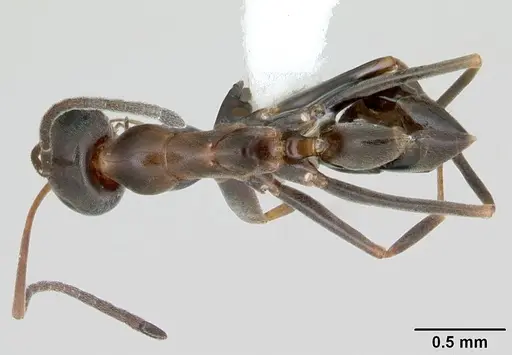
CASENT0103447
View on AntWeb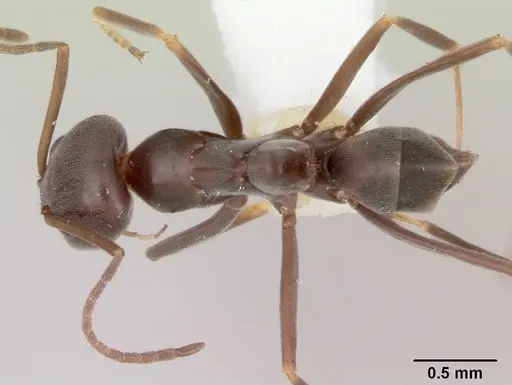
CASENT0103448
View on AntWeb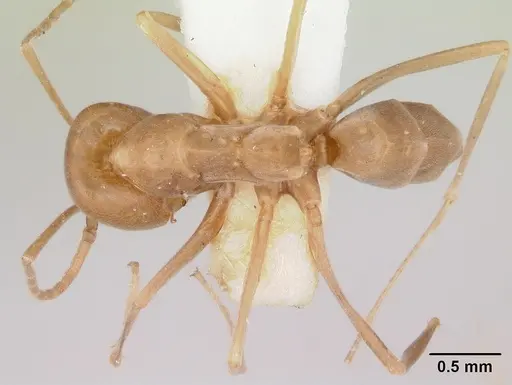
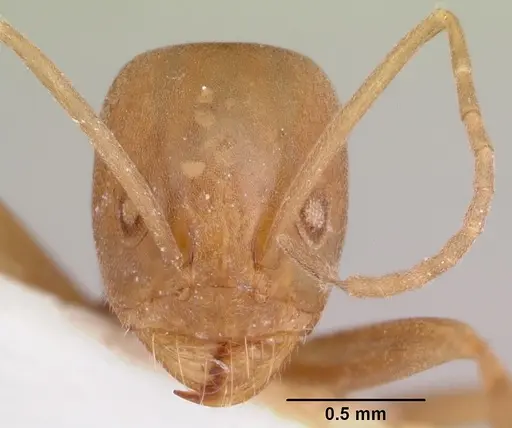
CASENT0841202
View on AntWeb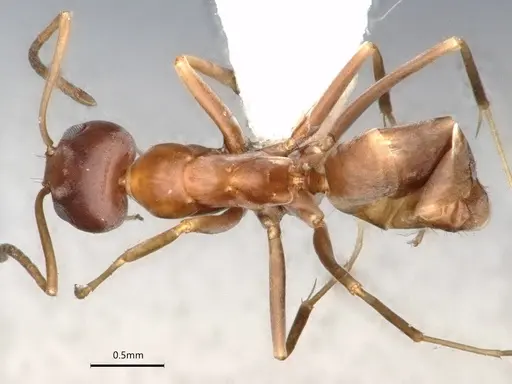
CASENT0909743
View on AntWeb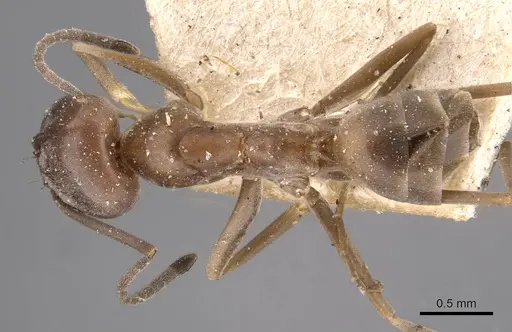
Literature
Loading distribution map...Loading products...