
Dorylus mayri
- Sci. Name
- Dorylus mayri
- Subfamily
- Dorylinae
- Author
- Santschi, 1912
- Distribution
- Found in 3 countries
Introduction
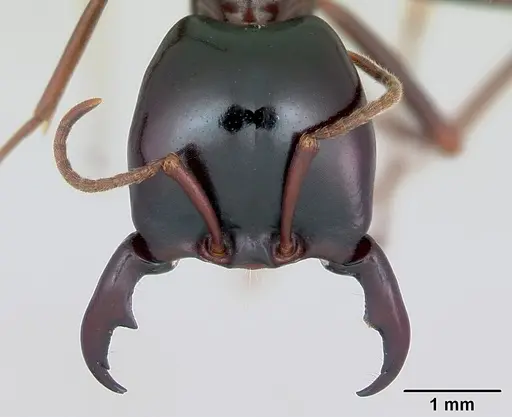
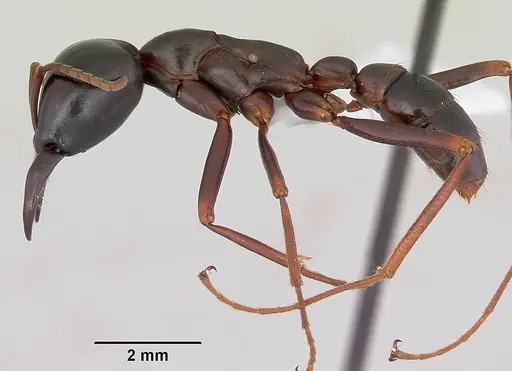
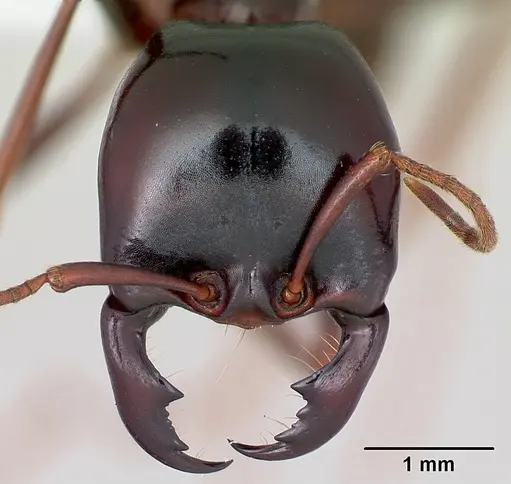
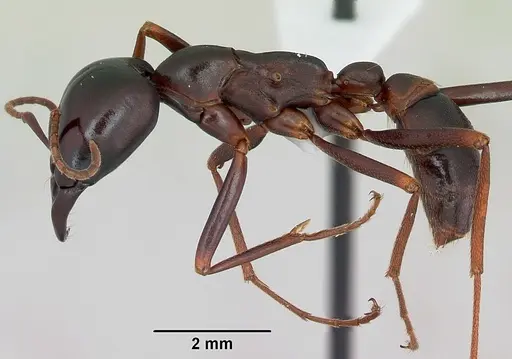
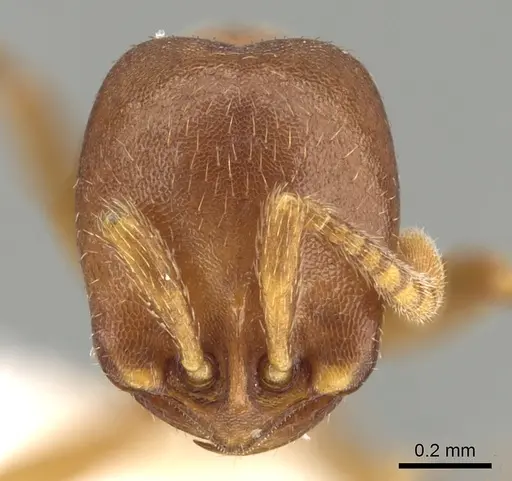
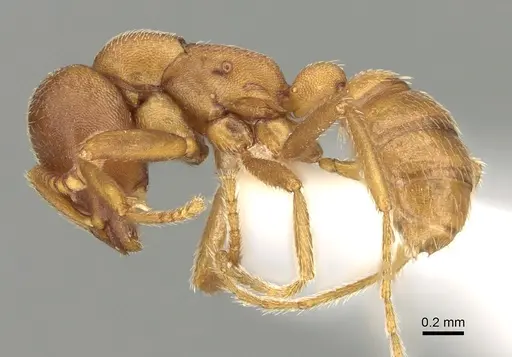
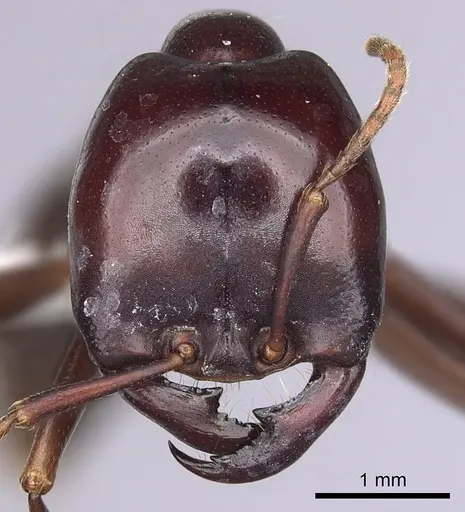
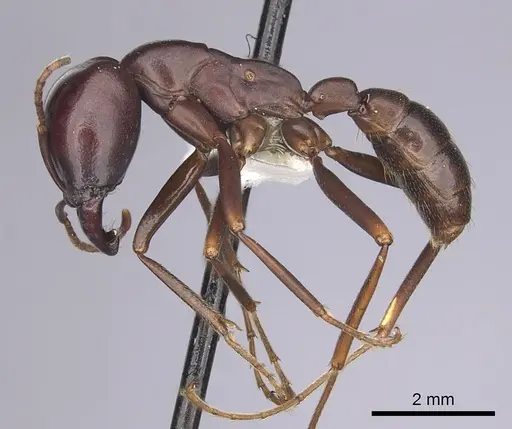
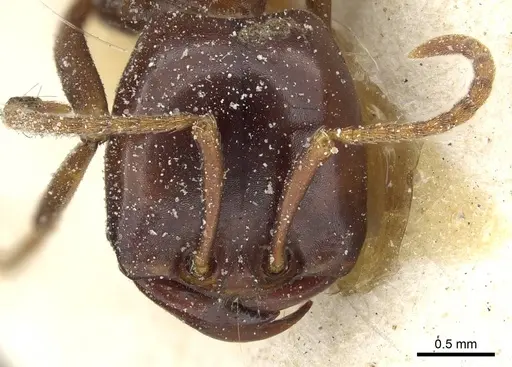
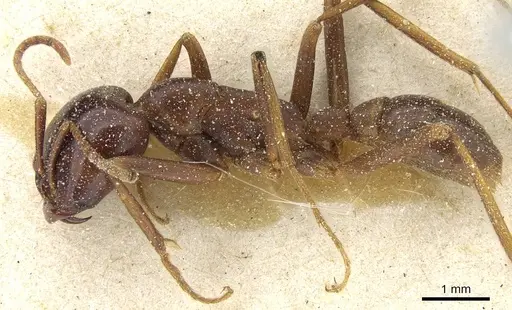
Dorylus mayri is a West African army ant belonging to the Dorylus nigricans-group [AntWiki]. Known only from Cameroon , this species inhabits tropical forest environments. Workers display typical army ant morphology: robust bodies, powerful mandibles, and dark coloration. They are epigaeic, meaning they forage actively on the forest floor surface rather than underground . Like other army ants, Dorylus mayri forms temporary bivouacs instead of permanent nests. Colonies raid the nests of other ants and ground-dwelling invertebrates, moving in coordinated columns. Research on West African army ants shows workers travel at approximately 5-7 cm/s during foraging activities .
Quick Summary
- Difficulty: Expert
- Origin & Habitat: Cameroon, Afrotropical region [2]. Tropical forest environments. Epigaeic (surface-foraging) lifestyle [3].
- Colony Type: Unknown for this specific species. Based on Dorylus genus patterns, colonies likely contain ergatoid (wingless) queens and are monogyne (single-queen).
- Size & Growth:
- Queen: Unknown. Dorylus queens are typically large and ergatoid (permanently wingless) [1].
- Worker: Unknown. Workers are polymorphic in related species [1].
- Colony: Up to millions of workers, inferred from Dorylus genus patterns [1].
- Growth: Fast
- Development: Unknown for this species. Likely 4-8 weeks at tropical temperatures. (Direct development data unavailable for Dorylus mayri.)
- Antkeeping:
- Temperature: Tropical temperatures required. Keep warm and stable, roughly 24-28°C.
- Humidity: Moderate to high humidity typical of tropical forests. Keep substrate moist but not waterlogged.
- Diapause: No. As a tropical species, Dorylus mayri does not require hibernation.
- Nesting: Army ants form temporary bivouacs, not permanent nests. Provide a large naturalistic setup with deep substrate (10cm+) for bivouac formation and brood piles.
- Behavior: Highly aggressive predator. Workers move fast (5-7 cm/s on foraging trails) and form swarming raid columns [4]. High escape risk, workers squeeze through small gaps and explore systematically.
- Common Issues: establishing colonies from founding queens is extremely difficult and often fails., massive colony size requires enormous enclosures and constant live prey supply., will raid and eliminate any other ant colonies housed in the same enclosure., escape prevention is critical due to small size and persistent exploration behavior., requires constant protein from live prey, cannot survive on sugar water or honey.
Understanding Dorylus mayri
Dorylus mayri belongs to the Dorylus nigricans-group [1]. The species is documented only from Cameroon [2]. As an army ant, it displays the army ant syndrome: nomadic lifestyle, epigaeic foraging on the forest surface, and mass raiding behavior [3]. Research on West African army ant populations shows workers maintain consistent speeds of approximately 5-7 cm/s during foraging activities, with higher yields at nest sites (up to 8000 ants per session) compared to trails (around 2000 ants per session) [4]. Chimpanzees prey on these colonies, targeting the protein-rich brood.
Housing Requirements
Do not attempt to keep Dorylus mayri unless you are an expert antkeeper. Standard formicariums are completely inadequate for this species. You need a very large enclosure, minimum a large terrarium (60x40cm or larger) with smooth walls coated with fluon to prevent escape. Provide deep substrate (10cm+) for bivouac formation. Army ants create living nests by linking their bodies together in clusters called bivouacs. They require space to form these temporary structures. Heating is essential, maintain tropical temperatures (mid-20s°C) with a thermal gradient.
Feeding and Diet
Dorylus mayri is a strict predator. They do not collect honeydew or eat plant matter. You must provide a constant supply of live prey: other ant colonies (preferred), crickets, mealworms, roaches, and various small invertebrates. A large colony consumes thousands of prey items weekly. Place prey in the foraging area to trigger natural raiding behavior. Never rely on sugar water or honey, army ants cannot survive on carbohydrates alone.
Colony Structure and Reproduction
Dorylus queens are ergatoid (permanently wingless) and remain in the nest [1]. Mating occurs inside the nest, not during nuptial flights. Males disperse to other colonies to mate. Colonies reproduce by fission, where a portion of workers leaves with a new queen to form a satellite colony. Colony size can reach millions of workers given sufficient prey and time [1].
Behavior and Temperament
Workers form dense raiding columns moving at 5-7 cm/s [4]. They overwhelm prey through sheer numbers and coordinated attacks. This species is epigaeic, hunting on the forest floor surface rather than underground tunnels [3]. They lack functional stingers but possess strong mandibles for carrying prey. In captivity, they systematically explore every corner of the enclosure and will find any gap in escape prevention.
Frequently Asked Questions
Is Dorylus mayri suitable for beginners?
No. Dorylus mayri is an expert-level species requiring massive enclosures, constant live prey, tropical temperatures, and perfect escape prevention. Most antkeepers should start with easier species like Lasius niger or Camponotus.
How long does it take for Dorylus mayri to produce first workers?
Unknown for this species. Based on tropical army ant patterns, development likely takes 4-8 weeks at warm temperatures. However, obtaining a founding colony is extremely difficult as ergatoid queens do not conduct nuptial flights.
Can I keep multiple Dorylus mayri queens together?
Unknown for this species. Dorylus colonies are typically monogyne (single queen). Combining queens is not recommended.
What do Dorylus mayri ants eat?
They are strict predators. Feed live prey: other ant colonies, crickets, mealworms, roaches, and small invertebrates. They cannot survive on sugar water alone.
How big do Dorylus mayri colonies get?
Up to millions of workers [1]. This makes them one of the most resource-intensive ant species to maintain.
Do Dorylus mayri need hibernation?
No. As a tropical species from Cameroon, they do not require hibernation. Keep temperatures stable year-round.
When should I move Dorylus mayri to a formicarium?
Never use a standard formicarium for established colonies. They need naturalistic setups with deep substrate for bivouac formation and large foraging areas.
Why are my Dorylus mayri dying?
Common causes include insufficient prey (they need constant protein), temperatures below 24°C, low humidity, escape attempts, or disturbance stress.
Report an Issue
The current care sheet is based fully on literature. See inconsistencies, or something that's incorrect? Please , it will be resolved after review from an admin. Contributing to the blogs tab also helps providing information, to make us be able to further improve the caresheets. Thank you for your support!
References

This caresheet is licensed under CC BY-SA 4.0 .
Community Blogs
CASENT0172639
View on AntWeb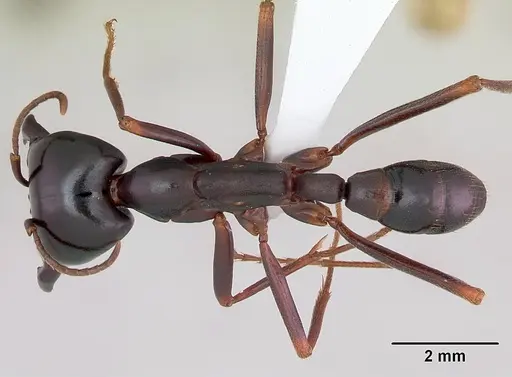
CASENT0172640
View on AntWeb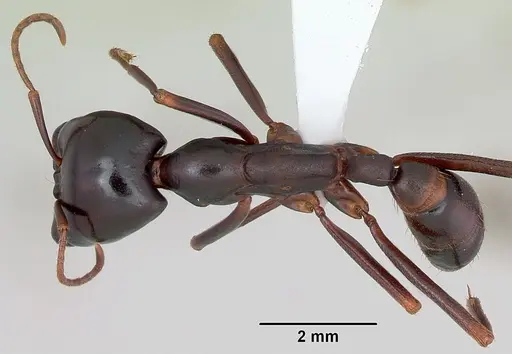
CASENT0235179
View on AntWeb
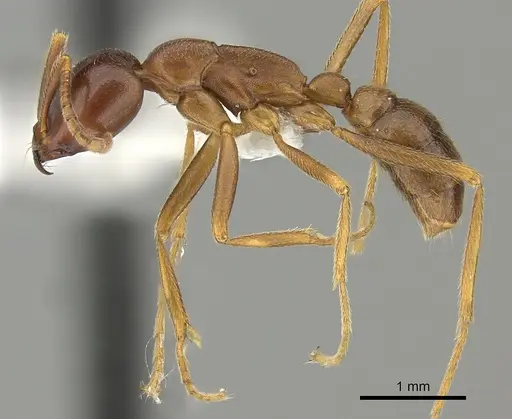
CASENT0235180
View on AntWeb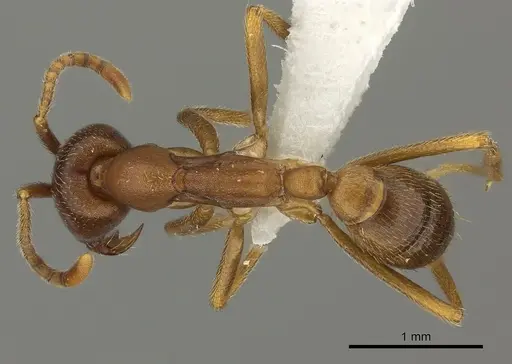
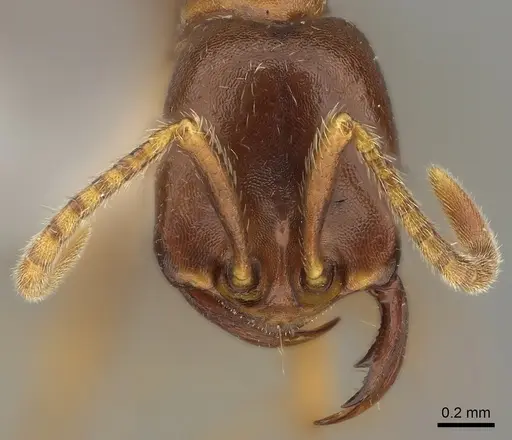
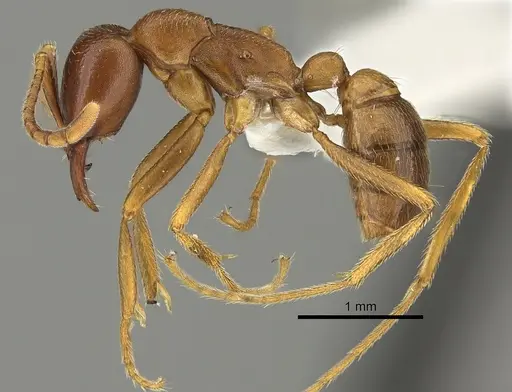
CASENT0249429
View on AntWeb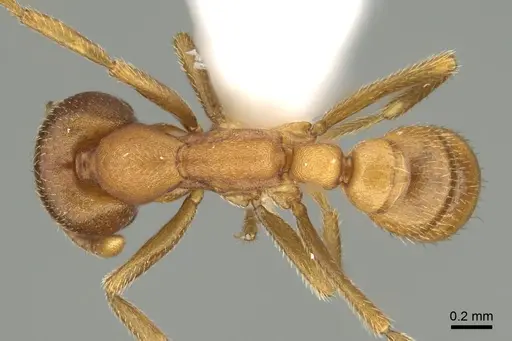
CASENT0249430
View on AntWeb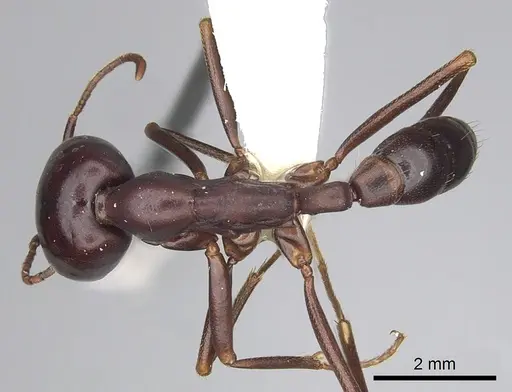
CASENT0911304
View on AntWeb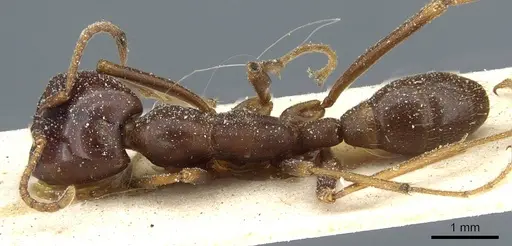
Literature
Loading distribution map...Loading products...