
Dorylus congolensis
- Sci. Name
- Dorylus congolensis
- Subfamily
- Dorylinae
- Author
- Santschi, 1910
- Distribution
- Found in 1 countries
Introduction
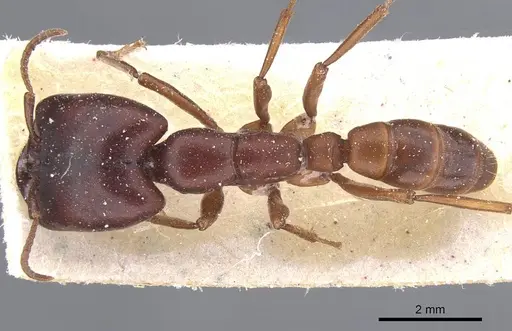
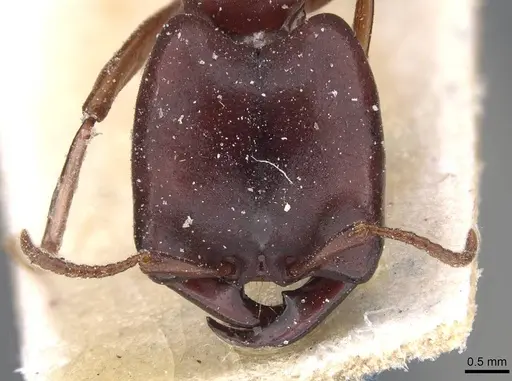
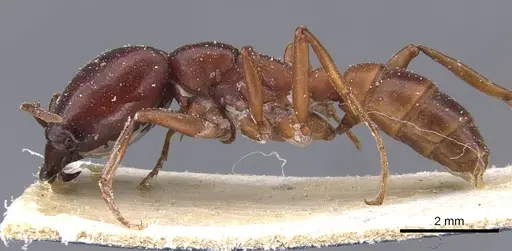
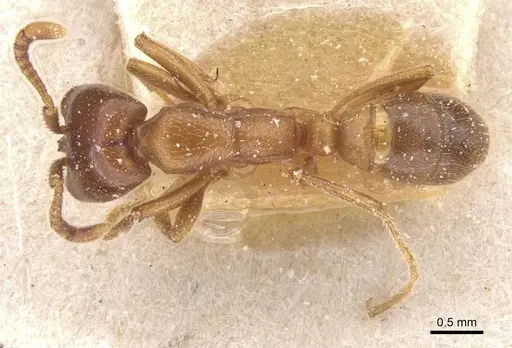
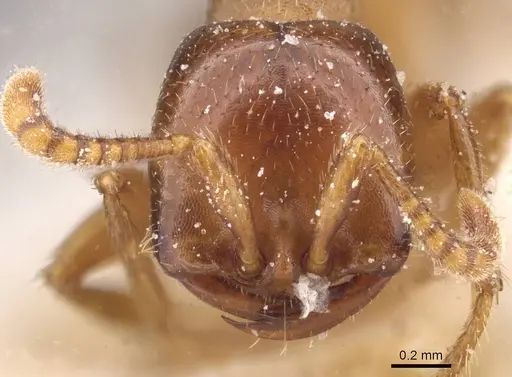
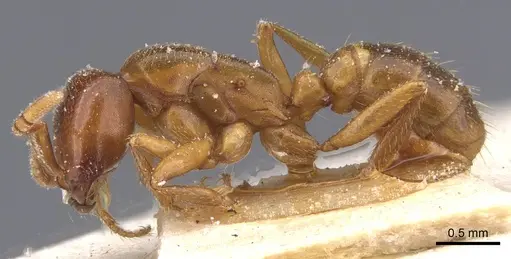
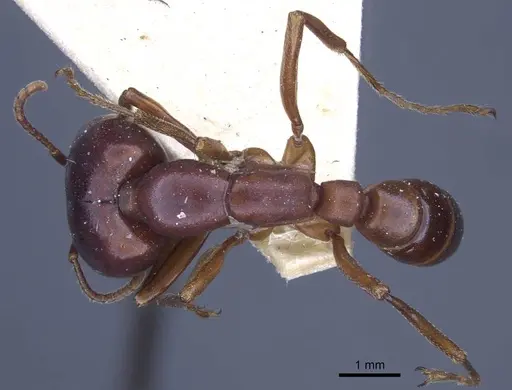
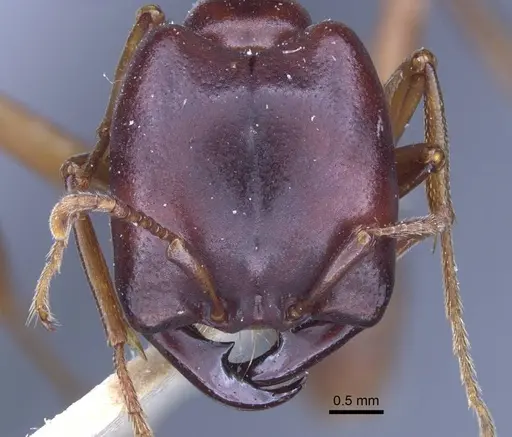
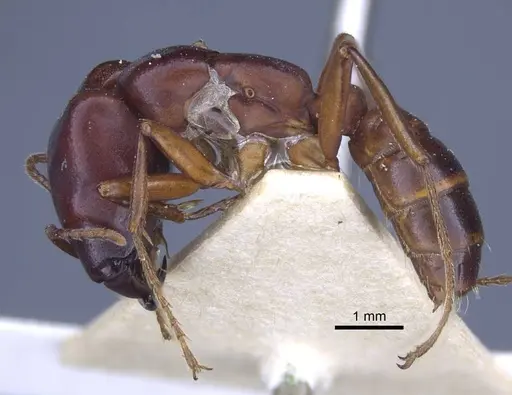
Dorylus congolensis is an African army ant species belonging to the subfamily Dorylinae. This species was originally described as a variety of Dorylus kohli in 1910 before being elevated to full species status in 1970 . Workers can be distinguished from related species in the D. kohli complex by the angular posterior margin of the head in lateral view, which is smoothly rounded in similar species like Dorylus gribodoi . The species is found in central African regions including the Democratic Republic of Congo and Congo . Like other Dorylus army ants, this species exhibits the characteristic nomadic lifestyle of army ants - they do not maintain permanent nests but instead create temporary bivouacs by linking their bodies together. They are predatory ants that conduct coordinated swarm raids to capture prey. The species has been recorded in Rwanda at elevations around 1737m in native forest habitats .
Quick Summary
- Difficulty: Expert
- Origin & Habitat: Democratic Republic of Congo, Congo, and Rwanda, found in tropical forest environments. Specimens have been collected from native tree species in primary and secondary forests, with records from the Arboretum of Ruhande in Rwanda at 1737m elevation [4][5][6]. The species appears to prefer native forest habitats and has not been found in exotic tree plantations, coffee plantations, or banana plantations [5].
- Colony Type: Colony structure is not definitively confirmed for this specific species. Based on typical Dorylus patterns, colonies likely contain multiple queens and can reach very large sizes. Army ants are nomadic and do not establish permanent nests, they create temporary bivouacs by linking their bodies together.
- Size & Growth:
- Queen: Size data unavailable for this species
- Worker: Size data unavailable, workers of Dorylus species typically range from small to medium but specific measurements for D. congolensis are not documented in available literature
- Colony: Colonies likely reach very large sizes typical of army ant species, but exact numbers are unconfirmed for this species
- Growth: Growth rate data unavailable, likely fast based on typical army ant patterns
- Development: Development timeline is unconfirmed for this species (Development specifics are not documented in available research.)
- Antkeeping:
- Temperature: Temperature requirements are unconfirmed for this species. Based on the tropical African distribution, warm conditions would likely be appropriate.
- Humidity: Humidity requirements are unconfirmed for this species. Based on forest floor habitat in native forests, moderate to high humidity is likely appropriate.
- Diapause: No, being a tropical species, they likely do not require hibernation. However, seasonal activity patterns may be tied to wet/dry seasons.
- Nesting: Army ants do not nest in traditional ant nests. In captivity, they would require a large foraging area with a contained bivouac space. Standard test tubes and formicaria are not suitable.
- Behavior: Dorylus congolensis is a predatory army ant species. Based on typical Dorylus behavior, they conduct coordinated swarm raids and are aggressive defenders with functional stings. They are likely nocturnal or crepuscular. Escape prevention is critical as they are persistent explorers.
- Common Issues: Colony collapse is extremely common in captivity due to nomadic lifestyle and large space requirements, Insufficient foraging space leads to colony stress, army ants require rooms of space, not enclosures, Failure to provide live prey results in starvation, army ants are obligate predators, Escape is a major risk with standard ant keeping setups, Bivouac disruption causes colony stress, they must form temporary nests undisturbed, This species is not recommended for captive keeping, extremely difficult to maintain long-term
Why Dorylus Congolensis Is an Expert-Only Species
Dorylus congolensis and other army ants represent perhaps the most challenging ant species to keep in captivity. Unlike most ant species that establish permanent nests, army ants are nomadic, they form temporary nests called bivouacs by linking their bodies together and move to new locations periodically. This fundamental aspect of their biology makes captive maintenance extraordinarily difficult. Additionally, their colonies can contain very large numbers of workers, requiring enormous amounts of space and food that most hobbyists cannot provide. The species is predatory, requiring constant access to live prey. Even with optimal conditions, maintaining army ant colonies long-term is extremely difficult. Unless you have dedicated space, significant resources, and extensive experience with difficult ant species, this species should be left to professional researchers and zoos.
Housing and Enclosure Requirements
Standard ant keeping equipment is completely unsuitable for Dorylus congolensis. Test tubes, small formicaria, and typical outworld setups cannot accommodate their needs. A large enclosure or room with a dark, humid chamber for bivouac formation would be necessary. The foraging area must be large enough for swarm raids. All surfaces must be smooth and sealed, army ants can climb glass if not perfectly clean, and they will find any gap or seam in the enclosure. Escape prevention must be absolute. Most successful captive army ant colonies have been maintained in professional facilities or research institutions.
Feeding and Nutrition
Dorylus congolensis is an obligate predator, they do not typically eat seeds, honey, or sugar water. Their diet consists of live insects and other arthropods captured during swarm raids. In captivity, a constant supply of live prey such as crickets, mealworms, cockroaches, and other insects would be required. Prey must be small enough for workers to subdue and dismember. Army ants will starve without regular prey access.
Behavior and Colony Structure
Army ant colonies exhibit complex social structure. Based on typical Dorylus patterns, colonies may have multiple queens that lay eggs simultaneously. The colony operates with specialized roles, soldiers defend the colony, workers conduct raids and care for brood, and queens focus on reproduction. They are primarily nocturnal, with major raids occurring at night when temperatures are cooler and prey is more active. Workers are aggressive defenders and will sting any perceived threat. When the colony moves, it creates a living structure carrying brood, this bivouac can contain very large numbers of individuals.
Frequently Asked Questions
Can I keep Dorylus congolensis in a test tube?
No. Test tubes and standard formicaria are completely unsuitable for this species. Army ants require enormous space and cannot be housed in any conventional ant keeping setup. They need a large room or custom-built enclosure of several cubic meters minimum.
Is Dorylus congolensis good for beginners?
No. This species is rated Expert difficulty and is one of the most challenging ant species to keep in captivity. Even experienced antkeepers struggle to maintain army ant colonies. The space requirements, feeding needs, and nomadic nature make them unsuitable for anyone except dedicated professionals.
How long does it take for first workers to appear?
Development timeline is unconfirmed for this specific species. Based on typical army ant patterns, development from egg to worker may take several weeks, but this is not documented in available literature.
Do Dorylus congolensis ants sting?
Yes. Based on typical Dorylus morphology, army ant workers have functional stings and will use them defensively. The sting can cause skin irritation or allergic reactions in some people. They are aggressive defenders of their colony and will sting if threatened.
What do Dorylus congolensis eat?
They eat only live insects and arthropods. Army ants are obligate predators that do not eat seeds, fruits, or sugar sources. They require a constant supply of live prey such as crickets, mealworms, cockroaches, and other small insects.
Can I keep multiple queens together?
Colony queen structure is unconfirmed for this specific species. Based on typical Dorylus patterns, some army ant species have multiple queens per colony, but introducing new queens to an established colony would likely result in aggression.
Do Dorylus congolensis need hibernation?
No. As a tropical African species, they likely do not require hibernation. They should be kept at warm temperatures year-round.
Why do my Dorylus congolensis keep dying?
Army ants are extremely difficult to maintain in typical captive conditions. Likely reasons for colony failure include: insufficient space causing stress, lack of constant live prey leading to starvation, inability to form proper bivouacs, and escape through gaps in the enclosure. This species is not recommended for captive keeping.
How big do Dorylus congolensis colonies get?
Exact colony size is unconfirmed for this species. Based on typical army ant patterns, colonies can reach very large numbers of workers, but specific numbers are not documented in available literature.
When do Dorylus congolensis have nuptial flights?
Nuptial flight timing is unconfirmed for this specific species. Based on typical Dorylus patterns, army ant queens are permanently winged and may not conduct traditional nuptial flights. Mating may occur within the nest.
Report an Issue
The current care sheet is based fully on literature. See inconsistencies, or something that's incorrect? Please , it will be resolved after review from an admin. Contributing to the blogs tab also helps providing information, to make us be able to further improve the caresheets. Thank you for your support!
References

This caresheet is licensed under CC BY-SA 4.0 .
Community Blogs
Literature
Loading distribution map...Loading products...